
Aluminum or Cedar Greenhouse: Comparing Ownership Needs
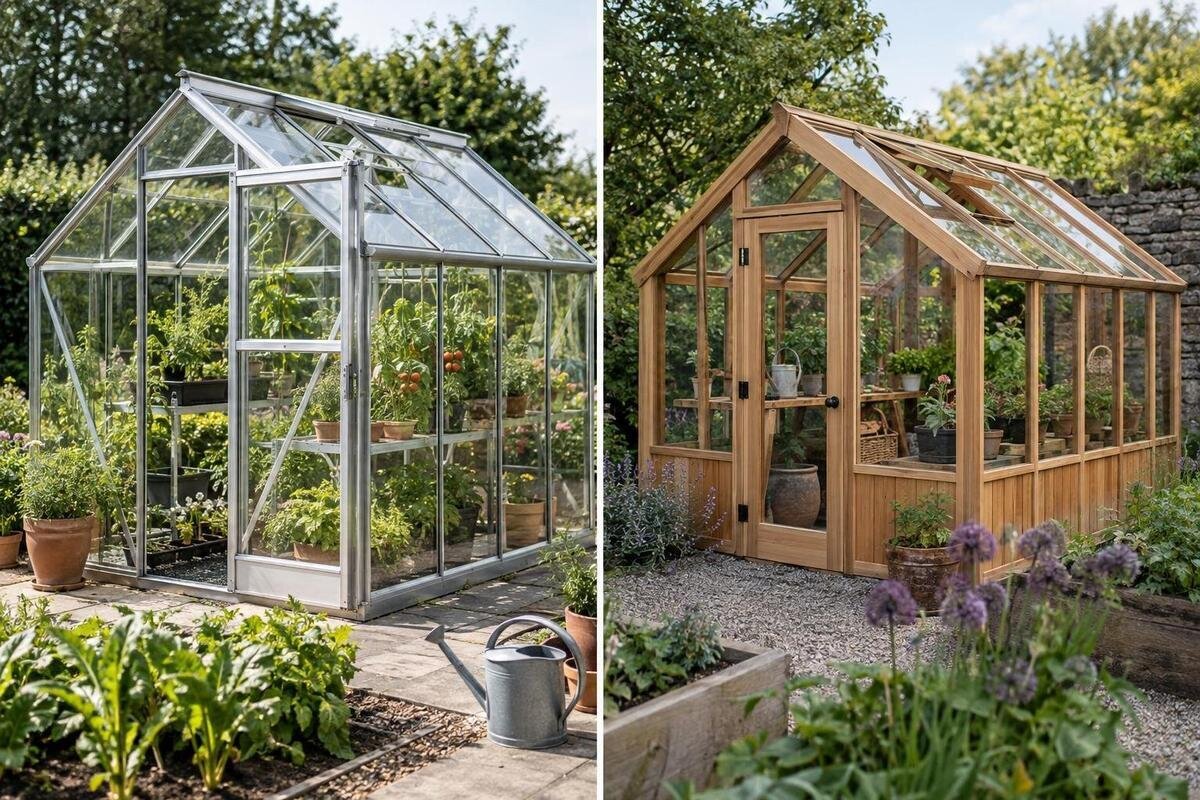
Greenhouse materials guide
Choosing between cedar and aluminum is not a simple test of which frame needs less care. Cedar brings wood-specific checks and, depending on its finish, renewal work; aluminum avoids wood stain or sealer maintenance but still needs cleaning and inspection. Joints, glazing, doors, seals, the base and site exposure shape the routine, too. A fair comparison uses care documents for specific, similarly constructed models—not a generic promise about either material.

01
Frame material is only one part of upkeep
Treat the frame as one part of a greenhouse system. A comparison is meaningful when the candidates are close in overall dimensions, glazing, doors and vents, base arrangement, and intended use; otherwise, extra work may come from the design rather than the frame. Record the timber species and finish or the aluminum frame’s surface finish, along with components that need cleaning or adjustment. Compare a similar level of construction quality and the same included features. Hold site exposure as similar as possible, because shade, dust and moisture can change cleaning demands. The words cedar and aluminum identify broad material choices, but don’t explain how a complete greenhouse is assembled or maintained.
Build two ownership lists, not one material ranking. For cedar, list checks of wood condition, water contact and any specified frame coating. For aluminum, list finish cleaning and inspection of joints, fasteners, seals and moving parts. Both options share glazing, doors, vents and surrounding drainage tasks. Use the Classic aluminum greenhouse as one candidate, then select a cedar configuration with comparable dimensions and included features. Put shared work in a separate column so it doesn’t distort the material comparison. Keep differences such as an extra door or additional vents visible: they add components to maintain, but they aren’t a consequence of choosing wood or aluminum.
Cedar care depends on species and finish
A cedar frame needs a care plan based on the actual timber and its finish—not a generic rule that every cedar greenhouse must be painted or stained. Ask what species and grade are used, whether the wood has any treatment, and whether its intended surface is unfinished or finished with a named product. Find out which surfaces receive the finish, how the appearance is expected to change outdoors, what preparation is required before renewal, and whether the manufacturer gives an interval or a condition-based trigger. Ask whether interior and exterior faces are treated differently. If the seller cannot identify the finish system, don’t assume another coating will be compatible or that none is needed.
During routine checks, pay attention to joints, end grain, lower rails and places where splash, soil or debris can keep wood damp. Clear leaf litter and dirt using the method in the care guide, and note cracking, loose connections, soft spots or finish separation. A color shift in unfinished cedar may be ordinary weathering; it doesn’t by itself prove the frame is damaged, just as a fresh coat doesn’t establish that an underlying problem is resolved. Keep dated notes or photos so gradual changes are easier to recognize. If timber appears substantially damaged, seek an appropriate professional assessment before covering it.
02
Aluminum frames still need inspection
An aluminum frame generally avoids a cedar-specific stain or sealer cycle, but that isn’t the same as zero maintenance. Verify the finish of the actual frame: surface treatments and coatings can have different care or touch-up requirements. Ask what cleaners and tools are approved, how to handle a scratch, and whether a compatible touch-up method is specified. If you’re considering the aluminum Lean-To Greenhouse, also ask how its care instructions address surfaces near the adjoining wall. Establish whether those areas remain accessible for cleaning and inspection with your proposed layout. Keep instructions for the frame, glazing and operating hardware together, since each may require a different method.
Inspect frame connections, fasteners, glazing seals and operating hardware along with the visible finish. Look for looseness, staining, corrosion or damage at joints and interfaces, especially where dust or moisture collects; the meaning of a mark depends on the assembly and finish. Some non-frame parts may use other materials, so don’t assume that the whole greenhouse shares the frame’s care requirements. Where salt, fertilizer residue or heavy dust settles, follow the manufacturer’s approved cleaning method rather than reaching for an abrasive or strong cleaner by default. Note whether the manual calls for any hardware checks or adjustments, and record changes so they’re easy to track.
Use a documented schedule for the exact model
Ask for a written care schedule for the exact configuration before buying, especially if there are choices of timber finish, color, glazing or hardware. A useful document identifies inspection points, cleaning methods, compatible products, finish-renewal instructions, warning signs that need attention and any stated intervals. It should separate care for the frame from tasks for glazing, seals or moving parts. When reviewing the Limited Edition aluminum greenhouse, request the care information that accompanies your proposed order and check that it covers the selected options. Ask whether any initial checks are needed after assembly and which tasks recur during ownership. Missing instructions belong on your list of unanswered questions.
Compare schedules over the same period and under the same assumptions about location and use. Separate routine cleaning from finish renewal, and mark work that is required only when a coating is used. If a manual gives a condition-based trigger rather than a fixed year, preserve that wording; don’t convert it into an invented schedule. Put dated tasks on a calendar and condition-based checks in an inspection log. For each entry, record the component, what you observed and any action taken. This helps distinguish a completed cleaning job from an issue that still needs attention. Plan work around access and plant occupancy, allowing for additional checks when unusual weather or debris buildup warrants them.

03
Plan separately for wood and aluminum finishes
Finish choice is a major ownership distinction for timber. Unfinished cedar may be allowed to weather, while a stained or painted frame requires the specific preparation and renewal system named by its manufacturer. Those choices affect appearance and future work, but they aren’t interchangeable treatments: a product formulated for one surface shouldn’t be assumed suitable for another. Ask whether the finish is intended to protect a particular surface, preserve a selected appearance, or do both; confirm the surfaces it covers and what conditions indicate renewal. Exposed and sheltered areas may change differently, so include the finish instructions, preparation and cleanup in your ownership estimate without assuming a universal interval.
For aluminum, identify the frame’s surface finish even though it doesn’t use a wood coating. Verify whether it is anodized, painted, powder-coated or supplied with another specified surface treatment. For a shortlisted Prestige Greenhouse, request the finish description and any instructions for cleaning or repairing surface damage. Record the finish name and, where supplied, its color or product reference so a future repair doesn’t depend on matching by eye. Compare what localized repairs involve on each candidate, including preparation and whether professional work is recommended. A cosmetic change isn’t automatically a structural diagnosis, and repainting shouldn’t be treated as a simple substitute for the specified care system.
Moisture and debris affect both materials
Water management matters more than a material label suggests. For timber, repeated wetting, trapped leaf matter and splashback can keep parts damp, so inspect the lower frame, joints, end grain and areas close to soil or hard surfaces. Make sure routine cleaning doesn’t leave debris packed against the frame, and follow the design’s guidance for drainage. Inspect after periods of persistent wetting as an opportunity to notice changes, not as a substitute for the written schedule. Don’t apply a new coating simply to hide a stain or discoloration: first establish whether the guide calls for cleaning, renewal or a closer assessment. The response depends on the finish and condition.
Aluminum doesn’t need wood protection, but moisture and dirt can still collect around seals, fasteners, glazing bars and the base; hardware and adjoining materials have their own checks. Keep drainage and any fitted gutters clear as directed, and include condensation-related wetting or plant deposits in the cleaning plan. If you’re considering the aluminum greenhouse with built-in storage, ask for drawings showing how the storage area meets the growing space. Check whether stored supplies could obstruct inspection of the lower frame or conceal debris. Include those areas in your cleaning plan rather than treating storage as separate from greenhouse upkeep. The same access question applies to shelves or cabinets in a cedar greenhouse.
04
Compare equivalent construction details
A fair comparison starts with equivalent construction quality. Request current drawings and verified specifications for the cedar and aluminum candidates, then compare the same overall dimensions, glazing type, door and vent arrangement, base details, included hardware and any storage or shelving. If one greenhouse has more openings or more complex interfaces, that can create additional items to clean or maintain regardless of frame material. Keep the difference visible in your notes instead of crediting or blaming cedar or aluminum for a feature that belongs to the model. Where candidates differ substantially, find a closer match or treat the difference as a separate factor.
Look for material-specific details too: timber species, grade, member dimensions and joint construction on the cedar option; frame profiles, connections and surface finish on the aluminum option. For the T-Model Greenhouse Orangery, request drawings for the exact size and options under consideration, then use the same level of documentation for the cedar candidate. Check whether seals, fasteners and replacement frame components have identifiable part references, and ask how replacements are obtained. Repair access and component availability belong in the ownership comparison alongside routine care. If wind or snow exposure affects the choice, have documentation for each exact model reviewed by a qualified professional rather than inferring capacity from material or profile.
Layout and access shape cleaning effort
The amount of work also depends on how easily you can reach and clean surfaces. Count glazed areas, high corners, frame grooves, door tracks, vents and gutters if included; consider where shelving or plants will obstruct access. Floor area isn’t a direct measure of cleaning time: wall and roof surface, panel layout and frame height matter too. During a walk-through of each plan, note which surfaces you can reach for routine checks and which may require a service provider. Include access to both interior and exterior faces in your checklist. Consider the space around the greenhouse as well as inside it, so maintenance access isn’t crowded out by beds or stored supplies.
Shape can change access without making one material inherently harder to maintain. Use elevations and sections to locate roof panels, corners and frame intersections that need inspection. For the Pyramid Greenhouse Bloomcabin Oasis, ask how the specified maintenance methods accommodate its roof configuration. Apply the same questions to your cedar candidate: can you inspect the relevant surfaces from an accessible position, and does the proposed planting layout leave room for the work? Mark areas that require professional cleaning or inspection rather than assuming you can reach them yourself. Account for the space needed by a service provider, too. These are design-related ownership demands and should be recorded separately from differences in frame care.

05
Estimate work from the exact greenhouse
Estimate effort in tasks rather than a guessed lifespan or a broad promise that one material is low maintenance. Write down each recurring job—visual inspection, cleaning, hardware checks and finish renewal if applicable—and identify which document calls for it. Estimate how long each task will take with your access and available help; the first year of use can refine that estimate. Separate one-time setup or assembly tasks from ongoing care, and list uncommon work such as renewing a coating or replacing a seal as contingent rather than guaranteed annual costs. If you plan to hire help, ask for an estimate based on the exact layout. This makes the comparison useful without pretending to predict lifespan or invent a labor bill.
Scale should be considered separately from material. The Bloomcabin Orangerie listing gives a floor-area range of 506 to 753 sq. ft.; that identifies a larger format, but it isn’t a maintenance-time estimate. Use the selected configuration’s drawings to estimate the surfaces and components involved. For paid maintenance, ask whether an estimate includes both sides of the glazing, frame cleaning, debris removal and any hardware checks, or only some of those tasks. Compare estimates with the same scope before attributing a cost difference to cedar or aluminum. Keep finish renewal separate from cleaning costs, and note access-related charges so a larger or harder-to-reach structure doesn’t skew the material comparison.
Match material care to your routine
Choose cedar if its appearance and upkeep plan fit the way you want to own the greenhouse: you may be comfortable monitoring the wood and following a finish schedule, or you may prefer an unfinished look and accept weathering. Choose aluminum if avoiding timber-finish renewal is valuable, while recognizing that its selected finish, hardware and glazing still need attention. Consider whether you want to do the work yourself or arrange help. For either material, tasks that require moving plants or clearing shelves can interrupt a busy growing season. Your choice should reflect your willingness to make that space and time available, not just your preference for the frame’s appearance on installation day.
Before deciding, write a side-by-side list with three headings: recurring tasks, finish work and model-specific uncertainties. Put a date or condition beside each documented job, leave unknown intervals clearly marked, and compare how much of the work is accessible with your setup. Ask who is responsible for routine cleaning and which products or methods the manual approves. If a seller can’t answer a maintenance question, treat it as missing information rather than assuming the material settles it. The better fit is the greenhouse whose documented tasks, appearance changes and access requirements match the routine you can sustain.
Frequently asked questions
Does cedar always need a new finish every year?
No. The schedule depends on whether the cedar is unfinished or coated, the specific finish, the manufacturer’s instructions and the greenhouse’s exposure. Ask for written preparation and renewal guidance; don’t infer a yearly interval from the wood species alone.
Is an aluminum greenhouse maintenance-free?
No. Aluminum avoids a wood-specific stain or sealer cycle, but the frame finish, joints, fasteners, seals, glazing and moving parts still need cleaning or inspection. The finish on the specific model determines approved cleaning and repair methods.
Does one material last longer?
Material alone doesn’t establish a reliable lifespan. Construction, detailing, exposure, finish and care all matter. Compare documents for the exact models, and have site-related structural questions reviewed by a qualified professional rather than relying on a generic lifespan claim.
Can I use the same cleaner on both frames?
Only if the care instructions for both surfaces allow it. Unfinished timber, coatings, metal finishes, glazing and seals can have different compatibility requirements. Follow the instructions for the selected models instead of assuming one cleaner is suitable for every component.
What documents should I compare before buying?
Request current drawings, exact material and finish details, a written care schedule, approved cleaning methods and finish-renewal instructions. Match size, glazing, openings, base and hardware as closely as possible, then separate routine tasks from finish work and unanswered questions.
Treat the final choice as a maintenance plan attached to a specific greenhouse, not a material-level promise. If the cedar option’s finish schedule and expected weathering work for you, its frame may fit your preferences; if avoiding timber-finish renewal matters more, aluminum may suit that priority, provided you also account for its finish, joints and hardware. Compare specific construction and included parts, then use the written care schedule to decide whether the routine is manageable.
