
Buying a Lean-To Greenhouse on Black Friday: Check Your Wall and Space
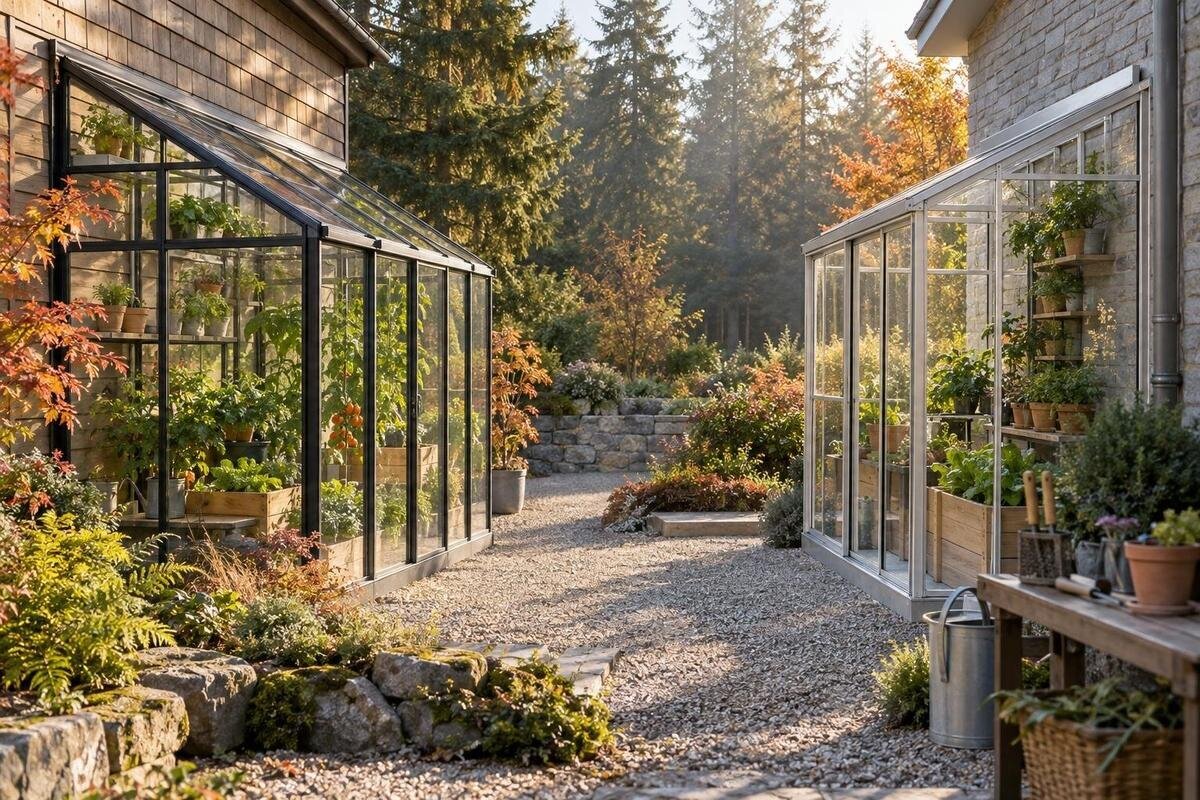
Black Friday greenhouse buying guide
To buy a lean-to greenhouse on Black Friday without committing to a poor fit, start with the wall and the ground in front of it. The wall sets the possible placement; usable length, projection, height, access, light, and drainage determine whether that location works. Measure the usable area, assess the wall, and then compare the exact model’s outside dimensions and installation requirements with your notes. No offer details are supplied here, so this article does not assume that a particular greenhouse is on sale or that a discount is active. If a promotion appears while you shop, verify the exact product and terms independently; a holiday label cannot make an unsuitable site fit.

Evaluate the wall before choosing a greenhouse
Start with the exact wall you have in mind. Note its uninterrupted length, available height, and the features that share it. Windows, doors, vents, exterior lights, utility meters, hose bibs, outlets, gutters, downspouts, eaves, and trim can limit where a greenhouse sits or how you use the area. Record each feature’s position and how far it projects instead of treating the full wall as clear. Also note which fixtures need access for routine home maintenance. A long wall on paper may leave only a short usable run once openings, rooflines, and service access are mapped. Take photos and add measurements to them while you are outside. This makes it easier to compare the site with a product diagram later and helps prevent a forgotten downspout, window well, or outlet from becoming a last-minute obstacle.
Look at the wall’s visible condition, but don’t use a quick visual check to decide whether it can support or accept a greenhouse connection. Note loose finishes, cracks, soft areas, signs of moisture, or other damage, and ask a qualified professional to assess concerns. The instructions for the specific greenhouse should explain its intended wall-side arrangement and attachment requirements. If the product page or manual leaves those points unclear, resolve the questions before ordering. Lean-to describes a layout; it does not guarantee that every wall or mounting surface is suitable.
Measure the usable strip beside the wall
Make a simple site sketch and label the clear length along the wall, the depth available outward, and the height limit above the intended spot. Measure to fixed boundaries such as fences, paving, planting beds, posts, and nearby structures. Include projecting pipes or drain components, and record the narrowest point rather than an average. A route that looks roomy at one end may pinch at the other. Measure in feet and inches, and repeat measurements where the wall or ground changes. Marking the proposed footprint on the ground with string or chalk can reveal conflicts that are easy to miss on paper. Walk around that outline as you normally would when mowing, carrying supplies, opening a gate, or accessing a utility fixture. The test should account for the surrounding yard as well as the greenhouse footprint, because the remaining passage may matter more than the open area visible from indoors.
Compare that clear space with the external dimensions for the exact model, not a nominal growing area or product photo. Check whether the listing distinguishes the frame, base, and roof projection, and allow for any clearance its instructions call for. The aluminum lean-to greenhouse listing is worth examining if it is on your shortlist, but use only measurements and drawings actually stated on that page. If the measurement points or usable dimensions are unclear, ask before ordering rather than planning around a guess. A model that fits only with no room for access is not a practical fit.
Match the listing’s dimensions to your measurements
Product pages may show several different measurements, so identify what each number describes. For a lean-to, record the length along the wall, the depth projecting into the yard, the overall height, and any base or roof overhangs shown in the diagram. A footprint measurement may not include every projection or edge; don’t assume otherwise. Compare the maximum outside envelope with the physical site, not just the interior floor area. If a drawing labels the front, back, or wall side, make sure your site sketch uses the same orientation. Write down the source of every number, such as a specification table, drawing, or installation document. That simple record makes it easier to spot when two measurements describe different parts of the structure and prevents an informal estimate from being treated as a confirmed dimension.
Keep each candidate’s measurements in its own notes. If you are also considering the classic aluminum greenhouse listing, assess that page’s dimensions and arrangement separately; its name does not establish whether it suits your wall or matches a lean-to footprint. Check whether the stated measurements refer to the overall structure or another part, and whether the drawing shows projections. If the text and diagram appear to differ, ask the seller or manufacturer to clarify. Don’t choose the smaller figure simply because it appears to fit the space.
Plan the doorway and working area
A greenhouse can fit on paper and still be awkward to use. Identify where the entrance faces on the exact model, how its door opens or slides, and whether a door leaf or handle needs clearance. Preserve a walkable approach from your usual garden route. Consider carrying trays, watering cans, or pots through the entrance and turning without stepping into a bed or blocking a house door. Don’t assume the entrance is centered, located at a particular end, or available in a particular orientation unless the product drawing confirms it. Also consider seasonal use: a route that is acceptable when beds are empty can be inconvenient when plants, hoses, and garden tools occupy the area. Leave enough practical room to approach the entrance without moving items each time you need to get inside.
Before choosing a footprint, think through where plants, benches, shelves, and supplies would go and how you would reach them. Usable working room is less than the outside dimensions suggest, and a path can become difficult to use if it doubles as a storage area. A greenhouse listing with built-in storage is a reminder to check the layout rather than count a feature name as extra room. Confirm what the page and drawings actually show, including where storage is placed and how it affects your planned route through the greenhouse.
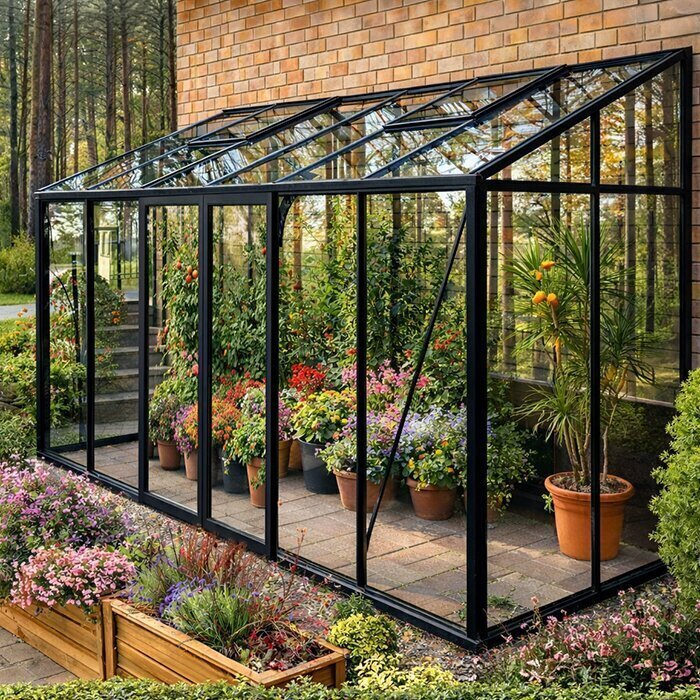
Check daylight and shade throughout the year
Observe the proposed wall at different times of day rather than judging brightness from a single visit. Note direct sun and shade from the house, trees, or neighboring structures, and consider how those shadows change with the seasons. A wall can block light even when the rest of the yard seems open. The effect depends on the particular site, not on a universal compass direction. Compare the conditions you observe with the needs of the plants you plan to grow, using reliable growing guidance if those needs are unfamiliar. Do not assume a wall automatically makes a greenhouse warmer or brighter. Include temporary sources of shade in your notes, such as parked vehicles, patio umbrellas, or stored equipment, but distinguish them from permanent features. A clear observation log is more useful than relying on a general impression that the spot is sunny.
If the light pattern leads you to broaden your shortlist, assess each candidate against the same observations. A T-model greenhouse listing is a separate product page to consider only if you are comparing layouts; its name does not establish its dimensions, orientation, or suitability for the shade at your wall. Use the page’s own stated measurements and siting information, if available, instead of carrying over notes from the lean-to. The useful comparison is between a real location and the requirements of a specific model.
Look at runoff, drainage, and the base area
Trace where water goes after rain. Roofs, gutters, downspouts, paving, and sloping ground may send runoff toward the proposed footprint or across the route to it. Note puddles and areas that stay wet, and check the ground where the greenhouse would sit against the product’s stated base requirements. A site that looks clear on a dry day may have a different problem after rain. If drainage, slope, or the condition of the ground is uncertain, get qualified site advice before ordering rather than assuming the greenhouse will resolve it. Check whether planned landscaping changes could redirect water toward the wall or base area as well. Keeping this observation separate from your dimension notes helps you evaluate whether a location is both physically large enough and practical to maintain after wet weather.
If site constraints prompt you to consider another format, assess that option from the beginning. A pyramid greenhouse listing is a separately named product page, not evidence of a particular footprint, base, or drainage requirement. Check its own information and plot the proposed location against the same runoff paths, boundaries, and access routes. A different label does not remove a ground problem. Keep the lean-to and any alternative as separate entries so you can see which site questions have actually been answered for each.
Verify wall attachment and installation requirements
Confirm that the exact greenhouse you are considering is designed for the wall-side arrangement you have in mind, then read its assembly and siting documentation before checkout. Look for stated dimensions, required clearances, base needs, and attachment requirements. Don’t assume every lean-to model uses the same connection or that a product described as a greenhouse is intended to attach to a house wall. A category label and a photograph cannot answer those questions. If the listing is incomplete, request the relevant instructions or a written clarification before you commit.
When wall suitability is uncertain, ask a qualified professional to assess the actual wall against the manufacturer’s stated requirements. This is especially important if you notice damage or do not know how the structure is meant to be secured; a general buying guide cannot establish structural capacity. Check, too, whether the proposed footprint would cover utilities or prevent routine access. Keep any property-specific permissions or site rules in view, but confirm what applies to your situation rather than relying on a generic online claim.
Know when to compare a different greenhouse layout
If the wall is unsuitable, the clear run is too short, or the greenhouse’s projection would block an important route, don’t force a lean-to into the only open strip. Reconsider the location or compare a greenhouse with another layout, but put each option through the same checks for dimensions, light, access, drainage, and ground. A different product name is a reason to inspect a separate listing, not proof that the model will fit better, use less space, or avoid wall-related questions. Keep lean-to and other candidates in separate rows in your notes.
A Orangerie greenhouse listing can be included if you are genuinely considering that model, but evaluate its own dimensions, intended placement, and instructions. Don’t copy fit notes from the lean-to or assume that a different listing resolves the same site constraint. Record why the lean-to location did or did not work, what changes with the alternative, and what remains uncertain. If you cannot confirm the alternative’s placement requirements, the site decision is still open.
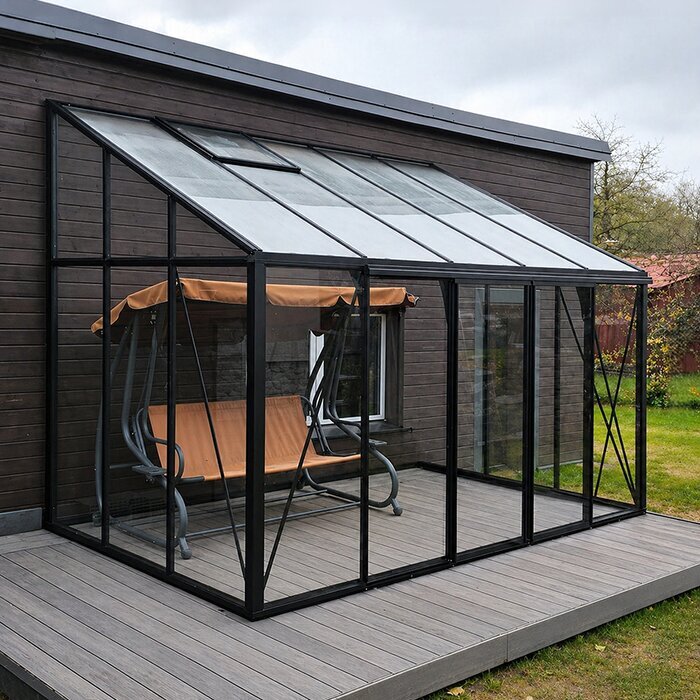
Check the Black Friday offer against the exact model
Treat Black Friday as a time to compare, not proof that a particular lean-to is discounted. No offer is confirmed in this guide. If a promotion appears while you shop, check the exact product name or model, the price shown for that item, any stated conditions, and whether the promoted package matches the greenhouse you measured. The limited-edition aluminum greenhouse listing does not, by its title alone, establish a sale, a reduced price, or current availability. Confirm any offer on the live listing or at checkout, and don’t let seasonal wording replace the fit check.
Compare prices only when you can identify what each figure refers to; don’t infer savings from a crossed-out amount without checking the retailer’s explanation. Review what the listing says is included, what is optional, and whether an accessory is necessary for your plan. Read the stated shipping, return, cancellation, and warranty terms before committing, since these can vary by product and retailer. If a term that matters to you is missing, ask for clarification rather than assuming a holiday promotion changes the usual conditions.
Compare the full order before you commit
Look beyond the headline price to the practical details of ordering. Check any delivery or handling charges shown, the stated delivery method, and whether the package can reach a suitable staging area on your property. Find out from the listing what it says about included parts and what assembly or site preparation may be separate. Don’t assume a displayed price includes every component, fee, or service; use the product details and the final order summary. If comparing another page, such as the Prestige Premium greenhouse listing, keep its price and terms separate from the lean-to’s rather than treating different models as like-for-like quotes.
Before placing the order, make a short record for each candidate: exact model, external dimensions, wall and base requirements, entrance clearance, offer terms, total shown at checkout, and any question still unanswered. Mark the footprint on your site plan, leaving the access and clearances required by the product documentation. If a key point remains uncertain, especially wall suitability or fit, pause the purchase until you have an answer. A model-specific comparison is more dependable than an approximate visual match or a seasonal banner.
Frequently asked questions
How much clearance should I leave around a lean-to greenhouse?
There is no single clearance that suits every model and site. Compare the greenhouse’s outside dimensions with your measurements, then allow for any space required by its instructions, the entrance, and routine access. Avoid a plan that fits only if the structure is placed exactly against every boundary.
Can I attach a lean-to greenhouse to any exterior wall?
No. Suitability depends on the exact greenhouse’s design, its stated attachment requirements, and the wall’s condition and construction. Read the product instructions, and ask a qualified professional to assess the wall and connection if anything is uncertain. A product photo or the words lean-to do not establish suitability.
Is one wall direction always best for a lean-to greenhouse?
Not necessarily. Nearby buildings, trees, rooflines, and seasonal changes in sunlight all affect the actual light at a particular wall. Observe the proposed location at different times and consider what you plan to grow. Do not assume that a wall will automatically make the greenhouse warmer or brighter.
Does Black Friday guarantee a discount on lean-to greenhouses?
No. No specific offer is confirmed here. If a promotion is displayed while you shop, check the exact model, the price and conditions shown for that item, and the terms at checkout. A Black Friday label or product name does not, by itself, confirm a markdown or availability.
What should I compare before ordering?
Compare the exact model’s outside dimensions and wall-side requirements with your site measurements. Check entrance clearance, the ground and runoff, and the stated package and order terms. If you are considering more than one model, keep each product’s dimensions, price, and conditions in a separate comparison.
Lean-to greenhouse shopping is a fit decision first. The wall must suit the specific design, and the footprint has to leave room for entry and everyday access while working with the site’s light and drainage. On Black Friday, compare the exact model and its stated terms instead of letting a price label decide the question of placement. When the wall, measurements, and order details line up, you have a meaningful shortlist; when they do not, passing on that model is a sensible result.
