
Buying a Small Greenhouse for a Compact Garden
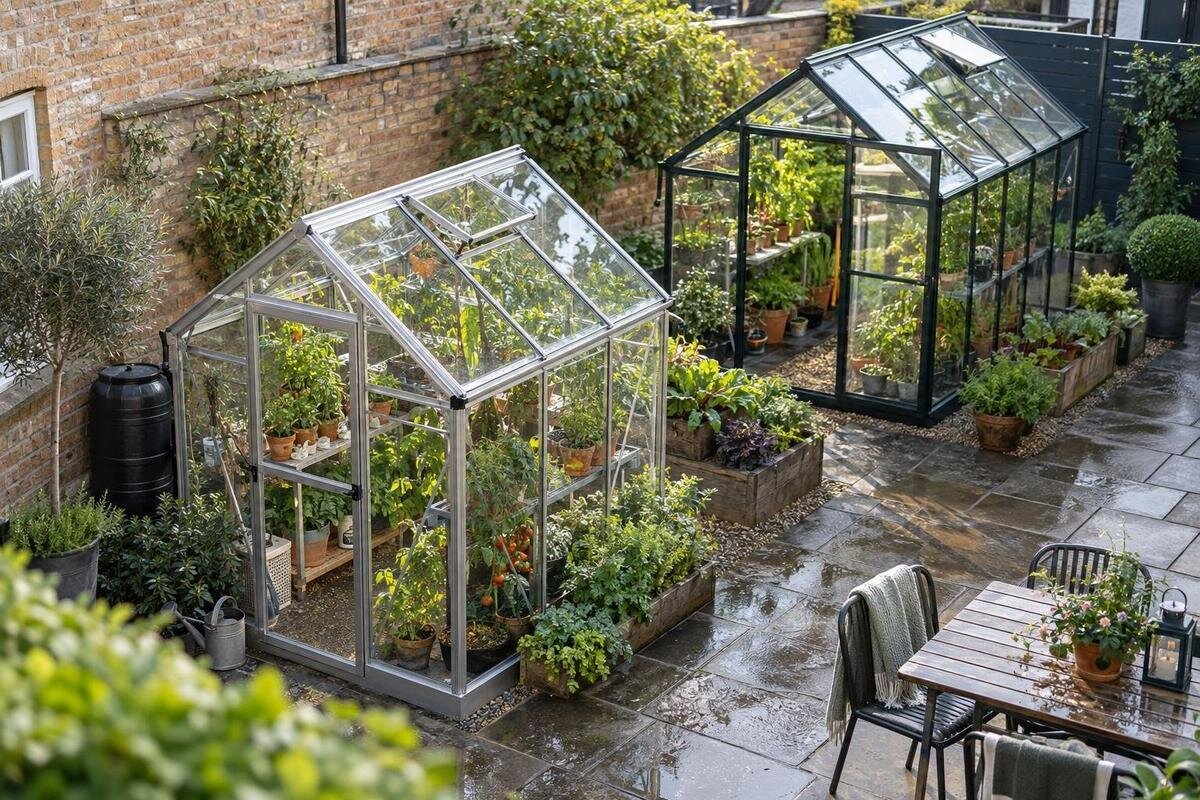
Small greenhouse buying guide
Buying a small greenhouse for a compact garden is a trade-off between the footprint you can spare and the room plants and people need inside. A measured plan is more reliable than choosing by a product photo or model name: include the route to the door, working space, and the items you intend to grow or store. Compare freestanding and lean-to styles, then verify materials, site requirements, and order details in the listing. This guide focuses on practical fit, so the structure supports your growing plans without taking over the outdoor space you still use.

Decide what the greenhouse needs to do
Before comparing frames or profiles, decide what the greenhouse needs to do. Starting seedlings, growing a few warm-season crops, sheltering container plants, or keeping a collection through colder months are different jobs. Write down your main purpose and the months you expect to use the space. This makes it easier to tell whether a compact greenhouse is enough and to separate essential features from attractive extras. Rank your main growing priorities, too; a space intended for seed trays may need a different work area from one used mostly for larger pots.
Count plants in their mature or working arrangement, not only at the moment you buy the structure. A tray of seedlings may take little room at first, while later pots, taller plants, pruning, and watering access need more. List likely container sizes and plant heights, and note whether items must move in and out often. If your plan depends on growing during cold weather, check what the product's materials, ventilation, and any planned equipment can support. The word greenhouse alone does not promise a particular growing season. A realistic plant list can prevent a roomy-looking exterior from becoming a crowded work area.
Measure the usable footprint
Measure the usable site at ground level, then draw the outside footprint to scale. Do not rely on a patch that looks empty from the patio: fences, paths, raised beds, bins, downspouts, and established plants can reduce the space you can actually use. Include any clearance the manufacturer calls for around the structure, and keep a route to the garden door if other people use the yard. Mark the outline with tape, string, or cardboard before ordering. Walking around the mock-up can reveal whether the greenhouse would obstruct a path or leave an awkward strip that is difficult to maintain.
Record the maximum length, width, and height the location can accommodate, including overhead limits from eaves or branches. Separate outside dimensions from usable interior dimensions; framing takes space, and the entry may need additional clearance. A listing name or staged photo cannot answer either question. The Orangerie greenhouse listing should be checked against its published measurements, not judged by its name or image. Compare those measurements with your marked outline and approach route. If a key measurement is missing, ask before buying; a footprint that blocks something you regularly use is not a practical fit.
Compare freestanding and lean-to layouts
Compare freestanding and lean-to layouts before choosing a shape. A freestanding unit may allow access around several sides, but that access uses garden area and is useful only if you leave room to reach it. A lean-to greenhouse is one option for a compact garden when a suitable wall is available; it sits alongside the wall but still projects into the yard and needs space at the front. A lean-to greenhouse listing is a candidate to assess, not proof that a particular wall or location will work. Confirm the model's stated attachment and clearance requirements before treating it as a space-saving solution.
Think about how the roof profile and footprint fit the garden, but compare measured plans rather than choosing by silhouette. A narrow rectangle can suit a boundary edge if there is enough access; a broader plan may make movement easier but use more of the available width. A wall can also introduce shade, moisture, or drainage issues that need checking at that specific location. For a lean-to, consider how you will reach the wall behind it and whether the greenhouse can be ventilated as described by the manufacturer. For a freestanding style, consider whether you can approach the sides you may need to clean or maintain.
Plan the entrance and daily access
Map the everyday route through the greenhouse, not just the outer footprint. Note where the door is shown, how it opens, and the width of the entry and any aisle in the product plan. Imagine carrying a seed tray or watering can while keeping the entrance clear. Check that the door will not meet a fence, bed, wall, or outdoor furniture, and leave room to turn without stepping onto plants. If two people will work there, consider whether one can pass or whether tasks will need to happen one at a time. The right clearance is the one that makes your planned work possible.
Treat interior diagrams and door details as purchase information, not decoration. Confirm whether drawings give external or internal dimensions, where an entry sits, and what must remain clear for it to operate; do not infer these details from an angled photograph. A named design such as the Garden View T greenhouse listing still needs to be compared by its stated plan and entry arrangement. Sketch the greenhouse on your garden plan and add the route from the house or gate. If that route crosses a narrow pinch point, measure it too, so moving plants, supplies, or components in and out will not be an afterthought.
Allow room for plants, tools, and movement
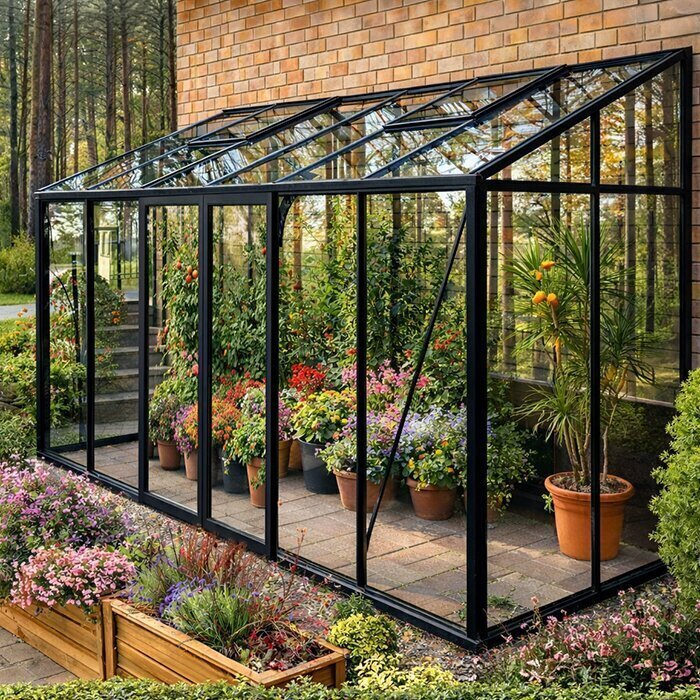
Plan the inside around growing space and movement together. Start with the floor area that must stay open for reaching plants, then map trays, pots, shelves, and a place for small tasks. Count shelf area only if shelves are part of the listing or you have budgeted for them separately. In a small greenhouse, shelving can add growing surface, but it can also narrow an aisle or shade plants below; compare the actual layout with the needs of your chosen plants. Avoid filling every corner on paper: room to water, turn a pot, and remove a plant matters as much as maximum capacity.
Decide what supplies really need to live inside. Hand tools, labels, empty pots, and trays can be easier to organize than bulky bags or rarely used equipment, which might be kept elsewhere. If storage is a priority, verify what a product title means and what is included; the greenhouse with built-in storage listing should be assessed from its current description, not its name alone. Check the position and dimensions of any stated storage feature and whether it reduces room for plants or work. This prevents counting a named convenience as usable capacity before you know how it is configured.
Compare frame and glazing specifications
Compare frame and glazing by the specifications for the exact model. Look for the stated material of the frame, connectors, and hardware; a product category or frame label does not establish what every component is made of. If you are considering an aluminum greenhouse, confirm which parts the description identifies as aluminum and whether the glazing is named separately. The classic greenhouse listing is one page to evaluate by those same details. Use written specifications and included-item descriptions rather than assuming a photograph shows the full construction or package.
Glazing choices also need a product-by-product comparison. Check the named panel material, dimensions or thickness where supplied, how panels are retained, and whether replacement parts are described. Different glazing types can involve different trade-offs in visibility, weight, durability, maintenance, and growing conditions; use the maker's stated information for the model rather than applying a general assumption to every greenhouse. Confirm whether the advertised configuration includes all panels and connectors needed for the intended setup. If the product page does not answer a point that matters to your plan, ask for clarification before placing the order.
Check sunlight, drainage, and site requirements
Check how the site changes through the day and across the growing season. Nearby trees, fences, walls, and buildings may cast changing shade, while branches can later grow over the selected spot. Note where direct light reaches the proposed footprint and whether the greenhouse would shade a patio, path, or garden bed you want to keep usable. Do not assume one compass direction suits every plant or yard; compare the location with your growing plans and the light needs of the crops on your list. If you cannot observe the spot over time, ask an experienced grower to help assess the pattern rather than relying on a product image.
Consider water movement, maintenance access, and the base requirements stated by the greenhouse maker. The precise support and anchoring approach depends on the model and site, so follow its documentation and have a qualified installer assess anything uncertain about the ground or an attachment to a building. A profile name such as the pyramid greenhouse listing still needs its actual footprint and height checked against your chosen location; a shape label does not establish site compatibility. Understand what surface and preparation the listing calls for before ordering, especially if the plan involves changes to a wall or outdoor area.
Check delivery access and assembly needs
Think through delivery and assembly before checkout, particularly if the garden is reached through a narrow gate or passage. Measure that route, turns, steps, and any area needed to stage components, then check what the seller says about shipment and handling. Ask whether package dimensions or the assembly guide are available if access could be tight; a greenhouse may fit the planned plot while its components are difficult to bring there. Decide who will assemble it and whether you need help, tools, or a separately arranged installer. These are practical constraints to settle before paying, not tasks to improvise on delivery day.
Read the exact product's assembly, contents, and service information rather than inferring them from a premium-sounding name or gallery image. A listing such as the Prestige Premium greenhouse listing should be checked for what is included, what the purchaser must supply, how assembly is described, and how questions or problems are handled. Review any stated warranty and return terms without assuming they are the same across models. If installation depends on a wall, base, or other site condition you cannot assess, resolve that with the seller or a qualified professional before ordering.
Compare shortlisted greenhouses on the same terms
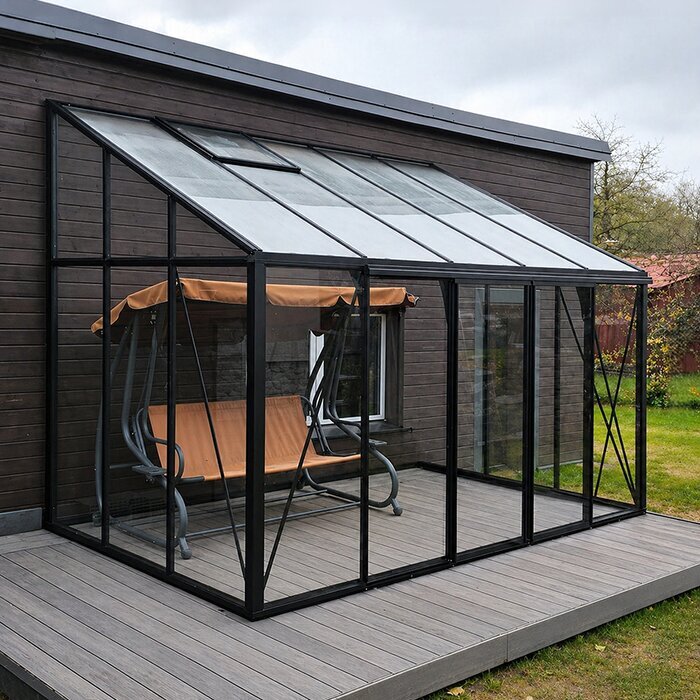
Make a short comparison sheet for two or three candidates and use the same questions for each. Record the outside footprint and height, usable interior measurements, door location, frame and glazing details, ventilation information, stated base requirements, included accessories, and assembly needs. Mark missing answers as unknown instead of filling them in from a photograph. Then compare each plan with the plant list, marked site, and route to the door. This keeps a visually appealing shape from winning by default and makes the purchase decision easier to explain to anyone sharing the garden.
Names that signal a style or edition are labels, not substitutes for specifications. Put the limited-edition greenhouse listing into the same comparison as any other candidate: check its actual measurements, materials, included items, and site requirements before deciding whether it suits your space. If important information is not present, request it in writing or choose a candidate whose details are clear enough for your plan. Compare the current order total as well as the structure itself, including any accessories or site preparation you have decided are necessary; do not treat an unlisted item as included.
Set a budget for the complete growing setup
Set a spending limit for the complete growing setup, not just the structure's listed price. Depending on your plan, extra costs may include shelving, containers, a potting surface, watering equipment, site preparation, or professional assembly. Some buyers may not need any of these; the point is to separate essentials from optional additions and check what comes with the model. If you are considering powered equipment or heating, verify compatibility and safety requirements with the product documentation and a qualified professional. Include future upkeep in the budget rather than using every dollar on the greenhouse itself.
Before ordering, compare the compact greenhouse you want with the footprint you are willing to give up. The best fit is not necessarily the largest unit that can be squeezed into the yard or the smallest one on a product page; it is the candidate that accommodates your realistic plant list and working route without blocking the rest of the garden. Recheck the selected model, dimensions, finish or configuration, included components, delivery details, and stated terms at checkout. If one unresolved specification could change your decision, get the answer before placing the order.
Frequently asked questions
How do I choose the right greenhouse size for a small garden?
There is no standard size that works for every garden. Measure the usable site, then allow for the greenhouse footprint, access to the door, and the space needed to reach plants. Compare the model's outside dimensions with its usable interior space, and check that your plant list and daily tasks fit.
Is a lean-to greenhouse the best choice for a compact garden?
It can be worth considering when a suitable wall is available, but it still needs space in front and room for access. Check the model's attachment requirements, the wall's suitability, and any shade or drainage concerns at the proposed spot before choosing this style.
Does an aluminum greenhouse name tell me what the panels are made of?
No. A product name or frame description does not establish the material of every component or identify the glazing. Check the exact listing for details about the frame, hardware, and panels, along with what is included in the order.
What should I check before ordering a small greenhouse?
Check the actual footprint and height, usable interior dimensions, door location, frame and glazing details, ventilation information, and stated base requirements. Also consider access from the delivery point to the site, assembly needs, included items, and any costs for equipment or preparation.
Can a small greenhouse keep plants growing through winter?
Not automatically. Results depend on the greenhouse's stated construction, the site, the plants, and any suitable equipment. Verify what the specific model is designed to support rather than inferring winter performance from its name or appearance. Consult a qualified professional about any electrical installation.
A compact greenhouse works best when its footprint, growing layout, and daily access fit the garden as it actually is. Treat the measured site, realistic plant list, and route to the door as constraints, then compare styles and verified product details against them. A lean-to may deserve a place on the shortlist if a suitable wall and clear access are available; another layout may suit the site better. Choose once the dimensions, materials, assembly needs, and included items are clear, so the greenhouse earns its space without making the rest of the garden harder to use.
