
Buying a Glass Greenhouse: Understanding the Glazing Options
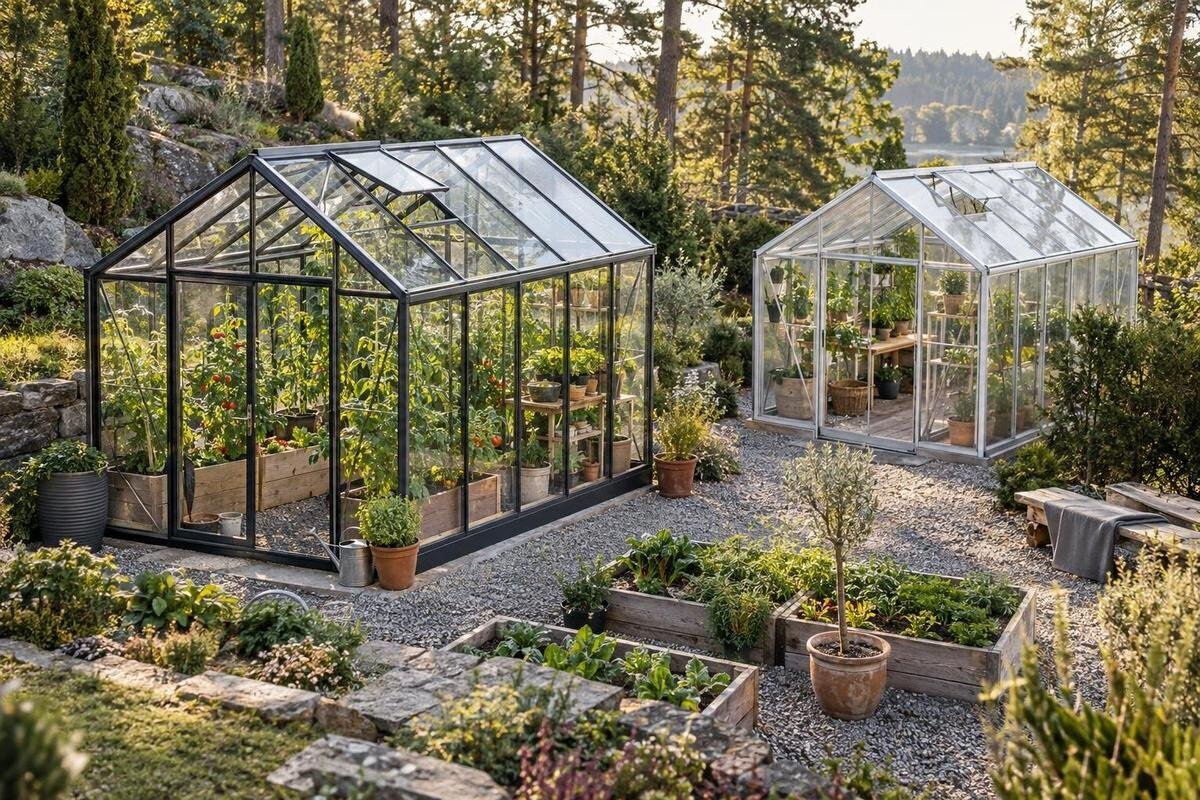
Greenhouse buying guide
A glass greenhouse can come with several different glazing choices. A listing may leave open whether the panes are annealed, tempered, or laminated; clear or diffusing; single-pane or insulated. Those choices affect light distribution, breakage behavior, heat transfer, maintenance, and replacement. Before comparing models, establish exactly what glazing is included and how it fits your growing plans and the conditions at your site.

01
Identify the Glass in the Specification
Begin with the written specification, because the word glass alone leaves important choices open. Ask whether the panes are standard, often annealed, tempered, or laminated, and whether they are clear or diffusing. Confirm their thickness and whether the same glazing appears in the roof, side walls, doors, and vents. Establish whether panes are included in the quoted package or sold as an option. A title such as the aluminum classic greenhouse identifies a listing, but does not answer those questions; a photograph cannot show the glass treatment, thickness, or safety classification.
Ask for a product sheet or a written description of the glazing supplied on each part of the greenhouse. If a listing uses the term horticultural glass, ask what glass type and breakage classification that means for the specific item. Find out whether any panes have different specifications and whether a glazing option changes the package or price. Record the manufacturer’s wording rather than converting it into a broad label of your own. That record is useful when comparing alternatives, asking follow-up questions, or checking that the ordered configuration matches the one you evaluated. Keep the answers with the model details, then check that the quote or order summary reflects them. If the specification only says glass, request clarification before comparing it with another greenhouse; the missing detail can affect both the original purchase and a later replacement.
How Clear and Diffused Glass Affect Light
Clear glass maintains a direct view into the greenhouse and keeps incoming light more directional. That can create sharper patches of sun and shade as the sun moves. Diffused glass scatters light, which can soften shadows and help spread light through a plant canopy. The effect depends on the glass and the greenhouse; diffusion does not create more total light or guarantee a particular growing result. Consider whether a clear view matters as much as how light reaches the plants, especially if you plan to use benches or grow a dense canopy.
Ask for the manufacturer’s light-transmission information and, if available, a measure of diffusion or haze. Compare figures only when they use the same measurement basis, and check whether they describe the roof, the side glazing, or both. It can also help to ask whether the stated figure applies to the glass alone or to the installed glazing system, because labels do not always describe the same thing. A frosted appearance in a photo is not enough to establish the glass type or its performance. The label in aluminum limited edition greenhouse is a model name, not a description of clear or diffused glazing. If the listing does not provide light data, use your growing priorities and the supplier’s written clarification rather than guessing from the image.
02
Compare Glass by Its Breakage Behavior
Standard annealed glass and tempered glass behave differently if they break. Annealed glass can break into larger, sharp pieces. Tempered glass is heat-treated and designed to fragment into smaller pieces, but it is not unbreakable and its fragments can still cause injury. The exact pane and the way it is supported both matter. Ask for the precise glass type and its safety classification instead of treating words such as toughened or safety as a complete specification. Consider how close the glazing will be to doors, paths, work areas, and places where people regularly spend time.
Laminated glass consists of layers joined by an interlayer that can hold many fragments together when a pane cracks. Its behavior still depends on the unit and how it is supported, so do not assume that it will remain intact or need no replacement. Ask the supplier to explain the available options for your intended use and to identify any relevant limitations. Clarify whether the terminology refers to every glazed area or only selected panels, since doors, vents, and roof sections may be specified differently. Even a name such as Bloomcabin Prestige Premium Greenhouse does not identify a safety-glass treatment. Where the consequences of breakage are a concern, have the choice reviewed by the manufacturer or a qualified local professional.
Single-Pane or Insulated Glazing
A single pane has one layer of glass. An insulated glass unit typically uses two panes separated by a sealed space. That construction can slow heat transfer through the glazing, which may matter if you plan to extend the growing season or use the greenhouse when outdoor temperatures are low. It does not, by itself, keep the whole structure warm: the frame, ventilation, air leakage, and the greenhouse’s location also influence conditions. Decide whether insulation is important to your actual plans before paying for an option you may not use.
Ask whether an insulated unit is available for the specific greenhouse and whether it is intended for the roof, sides, or both. Additional panes can change visible-light transmission, weight, and cost, so request the relevant specifications and confirmation that the structure is designed for the selected glazing. Ask whether replacement units must match a particular construction, rather than assuming an ordinary pane can be substituted if one fails. A listing for Bloomcabin Orangerie should be assessed the same way: its name does not tell you whether the glazing is single-pane or insulated. Also ask how the option affects vents and doors, rather than assuming every opening uses the same type of glass.
03
Choose for Your Crops and Growing Season
Write down what you want to grow and when you expect to use the greenhouse. Plants and growth stages differ in their light needs, and the useful balance between direct and diffused light depends on the mix of crops and how the growing space is arranged. Seed starting, leafy crops, and fruiting plants are examples of different growing aims, not a formula for choosing one glazing type. Consider how much of the space will be filled by plants as they mature, since a full canopy changes where light is useful.
Your intended season matters too. A greenhouse used mainly in milder months may put less emphasis on insulation than one you hope to use in colder weather, while light distribution can remain important in either case. Think through how you will arrange plants, work surfaces, and circulation space, since their placement affects what receives direct or scattered light. Note whether a clear view into the greenhouse is a priority, and whether shade from the site already limits available light. The title Bloomcabin Oasis pyramid greenhouse does not provide light-transmission data or crop guidance; request the actual glazing information and compare it with your growing plans rather than inferring suitability from a product name.
Panel Fit, Retention, and Ventilation
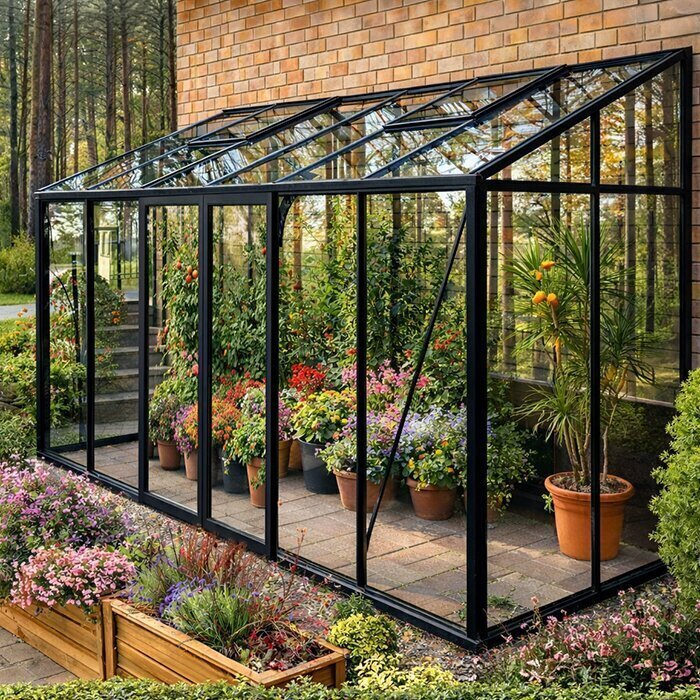
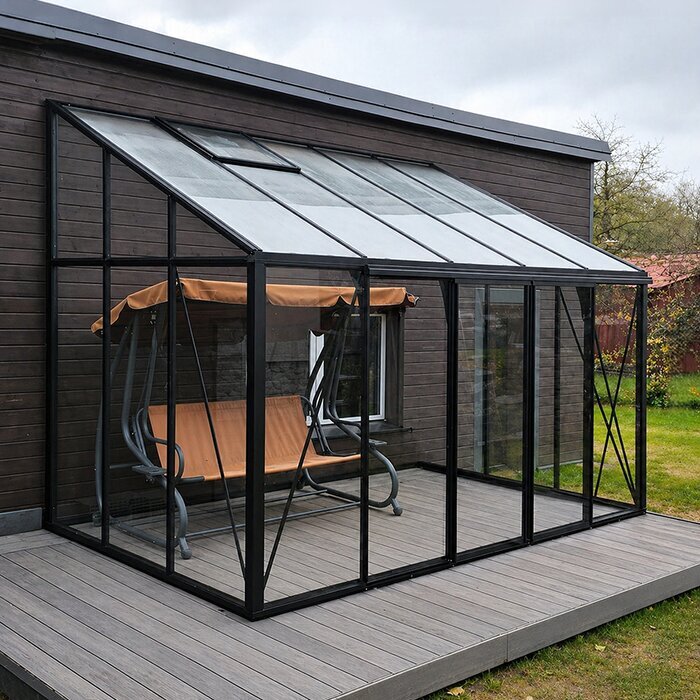
Glass is part of a system that includes the frame, panel retainers, seals, doors, and vents. The pane must match its opening and the intended way it is held in place. Ask whether fixed panels, doors, and opening vents use different glass or fittings, and whether any parts of the roof or sides have a different specification. If you are considering a listing titled aluminum lean-to greenhouse, treat lean-to as a form label, not a glazing description; check the documentation for the arrangement of the roof and side panels and any junction details.
Request a drawing or parts list that identifies the pane positions and, where available, the replacement part numbers. This makes it easier to understand how the glazing is laid out and whether a particular panel can be identified later. Check whether the documents distinguish left and right panels or roof and wall panels, which can prevent confusion when describing a damaged piece. Also review how the greenhouse is ventilated: glazing choice and ventilation are separate considerations, and a glass type does not tell you how many vents are included or how they operate. Do not assume a standard pane from another supplier will fit. If the drawings or compatibility information are unclear, ask the greenhouse supplier or a qualified professional before making a substitution.
04
Check Site Conditions for the Whole Structure
Sun exposure and shade affect how much light reaches the glazing, while the site’s weather affects the demands on the complete greenhouse. Think about nearby trees or structures that cast shade, and note whether exposure changes over the day or across seasons. If the site is subject to hail, strong wind, heavy snow, or falling branches, glass type alone does not establish that the greenhouse is suitable. The title Garden View T greenhouse provides no information about a particular site’s conditions or the performance of the full assembly.
Ask the manufacturer for documented information about the complete greenhouse and its intended conditions, including the glazing and the way it is retained. Compare that documentation with the actual exposure at the proposed location rather than relying on conditions elsewhere in the garden. For unusual or demanding exposure, have a qualified local professional assess whether the proposed structure is appropriate; do not try to infer suitability from glass thickness or appearance alone. This is a different question from choosing clear or diffused panes: a glazing option can affect light or breakage behavior without establishing how the whole greenhouse performs in local weather. Keep both questions in view while comparing models.
Plan for Cleaning and Replacement
Glass can collect dust, pollen, mineral deposits, and other residue that reduces clarity. Consider how easily you can reach the roof and side panels for routine cleaning, and ask for the manufacturer’s recommended cleaning method. If the glazing has a diffusing surface or another treatment, check whether that affects the approved products or cleaning tools. Do not assume that a method suitable for one pane is suitable for every coating or finish. Access for maintenance is part of day-to-day use, especially where roof panels are difficult to reach.
Ask whether replacement panes can be identified by a part number and whether the supplier can explain how to order them; availability should not be assumed. Check what information you would need, such as the panel position, dimensions, glass type, and edge details, and ask how breakage during delivery is handled. Keep a copy of the final glazing specification, drawing, and order details after purchase so that you can identify the correct part if it is needed later. A replacement may need to match the existing pane and its retention system, not merely fit the opening. Thinking through those details before buying helps you compare the long-term practicality of different glazing options without assuming that a particular spare part will be in stock.
05
What to Confirm Before Ordering
Read the full product description and any specification sheet, not only the headline or gallery images. Confirm which glazing is included, whether an upgrade is optional, and which parts of the greenhouse are covered by each choice. If a listing is titled aluminum greenhouse with built-in storage, ask for documentation showing which areas are glazed and how the stated storage relates to the greenhouse layout. The product name alone does not establish panel coverage. Check that the written package description accounts for fixed panels, doors, vents, and any areas that use something other than glass.
Before placing an order, compare the model number and glazing choice on the quote with the product information you reviewed. Ask whether the quoted package includes the panels, retainers, and seals, and request a drawing or assembly document that shows the arrangement. Read any option descriptions closely enough to determine whether they replace the standard glazing or are supplied in addition to it. Confirm delivery access, packaging details, and the process for reporting a damaged or missing component; do not assume that every seller uses the same process. If the listing leaves a question unanswered, get the response in writing so you can compare the same specifications and package scope across the models you are considering.
Compare the Complete Purchase
Compare quotes on the same basis. One may describe standard glass while another specifies tempered or diffused panes, and a package may include different parts of the roof or walls. Those differences make headline prices difficult to compare. Note the glass type, thickness, treatment, panel coverage, light information, insulation option, and replacement details alongside the quoted cost. Ask for itemized pricing when glazing upgrades, delivery, or other components are handled separately. No price comparison is meaningful until you know that the products and included glazing are being compared on equivalent terms.
Then weigh the cost against your priorities. If you do not need diffused light or insulated glazing, those options may not justify their added cost for your plans; if breakage behavior or colder-season use matters, give those requirements more weight. Separate essential requirements from preferences before comparing totals, so that an appealing but nonessential option does not obscure a missing specification. Avoid paying for a feature merely because its name sounds advanced, and do not assume a more expensive pane solves issues with ventilation or site exposure. A short written comparison of must-haves and preferences can clarify trade-offs without ranking every feature equally. The best fit is the glazing package whose documented details make sense for your crops, site, and intended use.
Frequently asked questions
Is tempered glass better than standard greenhouse glass?
Tempered glass is designed to break into smaller pieces than standard annealed glass, but it can still break and the fragments still need careful handling. Whether it suits your greenhouse depends on where the panes are, how the space is used, and what the manufacturer recommends. Compare the exact glass type and replacement options rather than relying on a general safety label.
Does diffused glass help plants grow?
Diffused glass scatters incoming light, which can soften shadows and spread light more evenly through a plant canopy. It does not create more total light or guarantee a particular growing result. Compare available light-transmission and diffusion data, then consider the crops, season, and natural light at your site.
Will double glazing keep a greenhouse warm?
An insulated glass unit can slow heat transfer through the glazing compared with a single pane. The greenhouse’s overall temperature also depends on its frame, air leakage, ventilation, site conditions, and use. Double glazing alone does not maintain a set temperature or establish what heating will be needed.
What should a glass greenhouse listing specify?
Look for the glass type, thickness, clear or diffused finish, safety treatment, and which parts of the greenhouse are glazed. Check whether glazing is included or optional, whether vents and doors use different panes, and whether light-transmission information or replacement-panel details are available.
Can I replace a greenhouse pane with any glass of the same size?
Do not assume that size alone is enough. Thickness, edge finish, glass type, safety treatment, retention system, and the pane’s position can all matter. Ask the manufacturer or supplier for the correct replacement specification; consult a qualified professional if compatibility is unclear.
Choosing glazing means balancing light quality, breakage behavior, insulation, maintenance, and replacement. Start with the actual pane specification and the parts of the greenhouse it covers, then consider your crops, seasons, and site exposure. When those details are clear and the full structure is appropriate for its location, you can compare glass greenhouses on the features that matter to your growing plans.
