
Buying a Wooden Greenhouse: Materials and Maintenance
Greenhouse buying guide
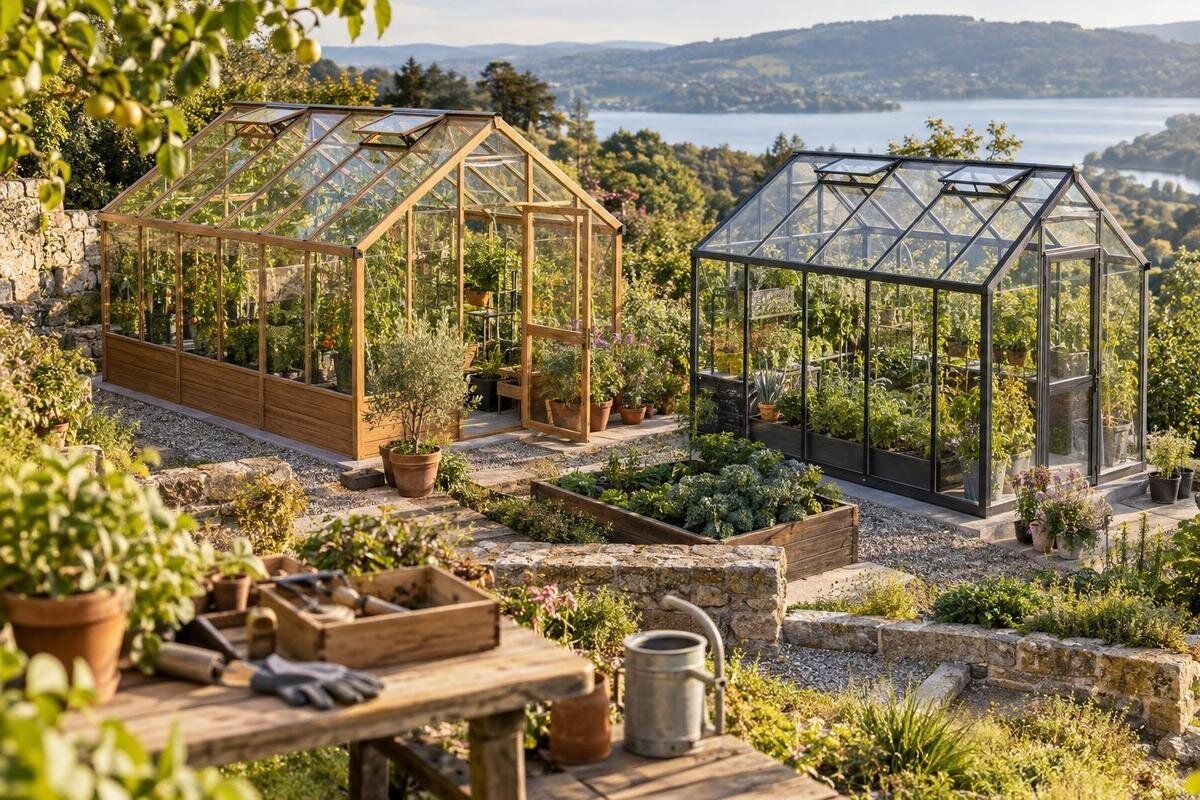
Before you buy a wooden greenhouse, look beyond the timber label. The frame, glazing, finish, base, joints, and access all shape what you are comparing, while moisture exposure and the upkeep you are willing to do affect whether the choice fits your garden. Product listings can use wood and finish labels without identifying every component, so compare written specifications rather than assuming the whole structure is made or protected in one way. This guide focuses on the questions to settle before you order: which wood is used, how it is treated and finished, what care it requires, and whether the layout suits your growing plans.
Decide what the listing means by a wooden greenhouse
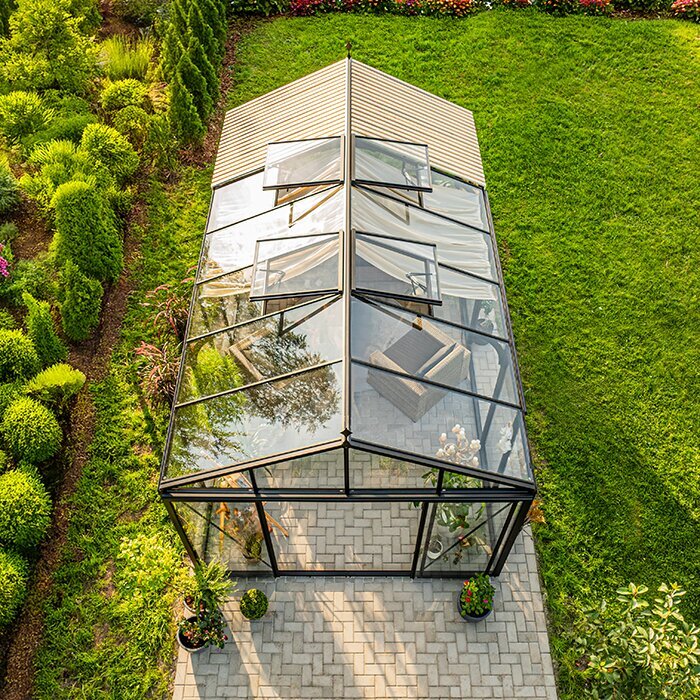
Before you buy a wooden greenhouse, look beyond the timber label. Identify which components are actually wood. Ask whether timber forms the main frame or appears only in trim, a base, or selected parts. Doors, thresholds, glazing bars, hardware, seals, and panels may use different materials, and a product name may not explain that division. Request a written component description, including whether the wood is solid lumber, laminated timber, or another specified wood product. Separate the frame question from the glazing question: a timber frame does not tell you whether the panels are glass, polycarbonate, or another stated material. Confirm whether a base is included and what the seller specifies for it. This helps you avoid comparing a complete structure with a frame-only offer.
Decide why wood is on your shortlist: its appearance, a preference for a particular timber, or a willingness to maintain a wood frame. Those are different priorities. If wood is essential, compare timber details among wooden models; if you are still choosing a frame material, include a non-wood option such as the aluminum classic greenhouse as a category comparison. Its name identifies an aluminum greenhouse, but it does not establish dimensions, glazing, or upkeep. The other linked pages in this guide are comparison references, not evidence that a model is wood-framed or has an unstated feature. Record confirmed materials, included components, and stated care from each listing. Use images to judge appearance, not to fill gaps in the specifications.
Compare species, grade, and treatment
Ask for the exact wood species used in the structural frame and where each one appears. A listing may name one timber for posts and another for trim, or use a broad term such as treated softwood; do not assume one label covers every component. Find out whether the seller identifies a grade or selection criteria, and whether the species description applies to rails, door frames, the base, and parts close to the ground. Names such as cedar or redwood can narrow the comparison, but they do not by themselves tell you the grade, source, moisture condition, or how individual pieces are detailed. If a specification says simply wood, ask for a clearer breakdown before comparing it with a more detailed listing.
Treatment is separate from species. Ask whether the timber is untreated, pressure-treated, or protected in another stated way; who applied it; which components received it; and what care the manufacturer expects. Do not equate treated with waterproof, maintenance-free, or suitable for every intended use. If information is missing, request the product specification or written guidance rather than inferring an answer from a photograph or a general description of the species. Also ask what instructions apply to exposed ends, drilled areas, or touch-ups; follow the maker’s directions instead of improvising. Compare each candidate using the same fields—wood type, grade, treatment, and care instructions. That turns a broad label into useful buying information.
Ask what finish is supplied and how to maintain it
Ask whether the frame arrives with a factory-applied paint, stain, oil, or another finish, or whether an additional application is expected after assembly. Get the finish name and care instructions in writing, including which surfaces are covered and how the seller says to handle exposed edges or site cuts. Finished is not a complete specification: it does not establish that every face is coated or tell you when a refresh is due. Confirm whether the finish is part of the product or an optional extra, and whether the instructions differ for sheltered and weather-exposed surfaces. Note any limits on compatible cleaners or touch-up products rather than assuming a familiar household product is suitable.
A useful answer gives you a routine tied to the specific finish, not a universal promise. Ask what signs of wear call for attention, which products are approved for touch-ups, and whether glazing seals, hardware, or nearby surfaces need protection during maintenance. If you plan to grow edible plants or keep seedlings inside, ask the manufacturer whether the finish and its use instructions are appropriate for that setting; do not guess from a color or marketing term. Avoid budgeting for no upkeep unless the written directions support that assumption. A clear renewal schedule also helps you estimate time and material costs, especially if you would rather hire someone than do the work yourself.
Inspect the joints and ask how parts can be replaced
Timber condition is only one part of frame upkeep; connections and component access matter too. Ask how posts, rails, doors, and roof members connect, which fasteners are supplied, and whether those pieces can be inspected or adjusted as the manufacturer directs. Because wood responds to changing moisture, ask how the design is intended to handle movement in its stated setting. Do not infer joint strength or weather resistance from a close-up photo. Check how glazing, seals, and doors meet the frame, and whether the product instructions describe adjustments or routine checks. These answers help you understand what maintenance actually involves beyond applying a finish.
Ask which parts are replaceable and whether the manufacturer identifies replacement components for the frame, doors, fasteners, and glazing interfaces. Clarify whether routine upkeep is owner-performed or calls for a particular installer, and what information you would need to order a compatible part later. If you are comparing frame categories, the aluminum limited-edition greenhouse is a separate product listing to assess using the construction and assembly details it actually states; limited-edition does not answer questions about joints, replacement parts, or care. Use the same questions for a wood candidate instead of assuming one frame material is automatically easier to repair.
Consider water, ground contact, and access at the site
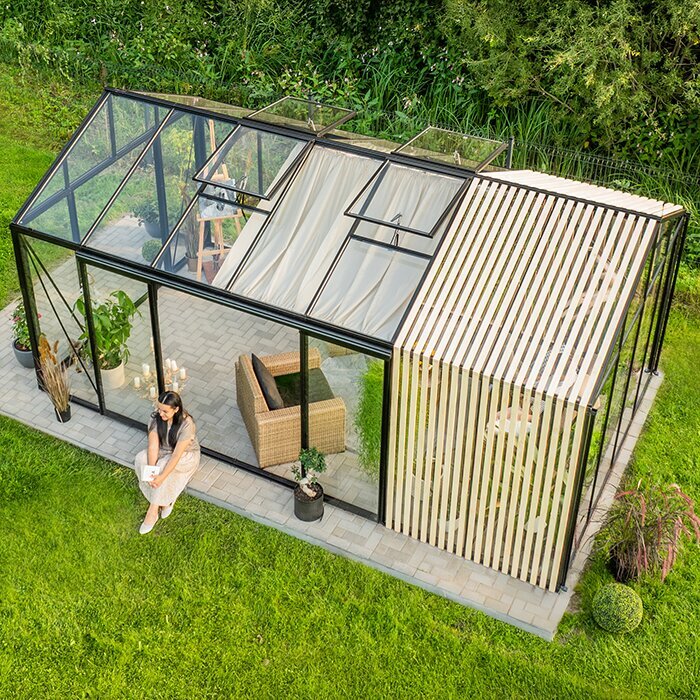
Moisture exposure is shaped by where the greenhouse stands, not only by the timber. Consider roof runoff, irrigation spray, pooling water, and how easily you can reach the lower frame for inspection. Ask whether the design is intended to sit on a separate base, what the package includes, and what kind of prepared surface the manufacturer specifies; do not assume a base is included because a product is pictured on one. If the proposed location is near a wall, fence, or slope, verify the required clearances and site conditions in the product instructions. A qualified installer can help when foundation or placement requirements are unclear.
Think about the local exposure you need the product to accommodate, including wind, snow, shade, and repeated wetting, but do not guess at a frame’s limits from its material or appearance. Ask the seller for stated site and weather limitations and for recommended anchoring and foundation information; involve a qualified professional if you cannot determine whether the planned site meets them. A lean-to arrangement needs its own fit check: the aluminum lean-to greenhouse is one named format to compare, but its listing title does not establish dimensions, wall requirements, clearance, or suitability for your building. Apply the same checks to any timber design intended for a similar position.
Measure the space you can actually use
Compare outside dimensions with the interior area available for plants, not with a general label such as small or spacious. Ask for the internal width and length, door opening, headroom, and the positions of any fixed shelves, braces, or storage. Sketch the benches or pots you expect to use and leave room to move a watering can, tray, or garden tool through the door. Check the door swing and the clearance needed to work around it; a greenhouse that fits the available footprint may still be awkward if access is blocked. Use a published plan or dimension drawing rather than estimating from a staged photograph, and confirm which measurements are outside dimensions.
If storage matters, separate it from growing area in your comparison. A listing named aluminum greenhouse with built-in storage is a useful reminder to ask exactly what storage covers and how much interior space remains for plants; the name alone does not establish capacity or layout. Ask the seller of the wooden model whether storage is included, where it sits, and which dimensions describe the growing area alone. Then map your crops, containers, and work surfaces onto that clear area. This helps you judge whether the footprint leaves enough accessible room for the way you intend to use the greenhouse.
Match the layout and glazing to your growing plans
Your intended plants help determine how much clear floor, bench space, and headroom you need. Seed starting, tall crops, container growing, and overwintering plants call for different layouts, so write down what you expect to grow before choosing a size. Consider how you will reach every bench and whether a central path remains usable once pots and tools are inside. The wood frame does not, by itself, determine available light or growing conditions. Compare glazing material, opening locations, ventilation details, and any stated use guidance separately from timber species and finish. Keep seasonal use in mind without assuming a particular greenhouse will provide a specific growing environment.
If you are comparing shapes as well as materials, the Garden View T greenhouse is identified as a T-model orangery greenhouse; use its published plan and dimensions, if provided, to compare circulation rather than assuming what the name means for usable area. Ask the seller to show where doors, vents, and framing members sit on the wooden model too. Product images can help you judge appearance, but a drawing or written dimensions are a better basis for checking whether benches, tall plants, and access fit together. Keep the greenhouse’s intended growing use separate from style labels.
Compare the shape with the space around it
A greenhouse needs room not only for its footprint but also for entry, cleaning, and routine inspection. Measure the path to the door, space for opening it, and access to exterior surfaces the manufacturer expects you to maintain. Check which sides need to remain reachable and how much clearance is called for; do not assume a wall-facing or corner placement works just because the structure fits on a plan. If you cannot maintain the frame or clean the glazing from the intended position, revisit the location or ask about another layout before buying. Access matters especially when routine wood care is part of the ownership plan.
Shape changes how you use the interior, but a shape label is not a dimension. The Bloomcabin Oasis pyramid greenhouse is one named format to use in a comparison only if its published plan helps you evaluate your layout; verify the actual footprint, internal clearances, entrance position, and any required access around it. Apply the same checks to the wood greenhouse, including areas where you need to inspect the frame and finish. Compare exterior measurements with the clear space left for growing, rather than choosing on silhouette alone.
Compare the purchase price and ongoing costs
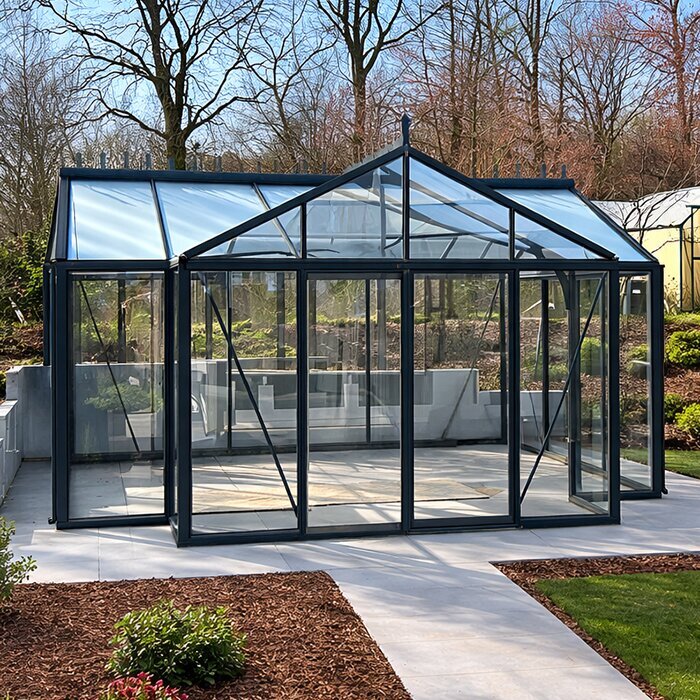
Ask for an itemized comparison before judging the purchase. Separate the frame and stated timber treatment from glazing, base, fasteners, finish, and any shelves or storage; ask what is included in the quoted product and what would be separate. Also clarify any assembly, site-preparation, or delivery charges and whether the quote assumes work you must arrange yourself. Prices can be compared fairly only when candidates include the same elements. Do not use a headline amount as a proxy for total installed cost, and do not assume a particular timber species or finish is included unless the offer says so in writing.
Upkeep has a time and materials cost too. Estimate how much attention you can give to inspections and finish renewal, then use the maker’s actual instructions to compare candidates rather than inventing a fixed maintenance interval. Ask whether maintenance instructions affect warranty coverage and read the applicable written terms; do not assume a warranty exists or covers a particular issue. A name such as Bloomcabin Prestige Premium greenhouse is a product identity, not evidence of timber, finish, price, warranty, or maintenance expectations. Put the purchase inclusions and care requirements beside the upfront quote so your comparison reflects what you will own and maintain.
Resolve open questions before placing the order
Before choosing, make a compact record of the answers that affect materials and care: which species and grade appear in each frame component, how the wood is treated and finished, what surfaces need attention, and what maintenance the manufacturer requires. Add the glazing, base, dimensions, access, assembly, site limitations, and included parts. If answers are scattered across product pages, manuals, and quote documents, ask the seller to clarify any conflicting or missing information in writing. This gives you a reliable basis for comparing wooden greenhouse options and reduces the risk of finding out later that an important item or preparation step was outside the stated package.
Use one comparison sheet rather than relying on memory: write down each candidate’s confirmed materials, care requirements, usable area, included components, and unanswered questions. You can apply the same method to another listing such as Bloomcabin Orangerie, but read its stated specifications rather than treating its name as proof of frame material or dimensions. If a site, base, or assembly detail remains uncertain, resolve it with the supplier or a qualified installer before committing. The right choice is the greenhouse whose documented construction and upkeep match your garden and your willingness to care for the frame.
Frequently asked questions
Is cedar automatically the best wood for a greenhouse?
No wood species is automatically the best choice for every greenhouse. Species is only one part of the decision: grade, treatment, how the frame is built, the site’s exposure, and the manufacturer’s care instructions matter too. Compare those details for the actual product rather than relying on the timber name alone.
Does a factory-applied finish make a wooden greenhouse maintenance-free?
No. Ask which surfaces the finish covers, how to check for wear, and what the manufacturer recommends for touch-ups or renewal. A finish label by itself does not establish how long it will last or whether every part of the frame is coated.
What should I ask about pressure-treated wood?
Ask which parts are treated, what treatment the product description specifies, and what care or use instructions the manufacturer provides. Do not assume that the word treated means waterproof, maintenance-free, or suitable for every intended use.
How often should I refinish a wooden greenhouse?
There is no single interval that applies to every finish and location. Follow the maintenance instructions for the specific greenhouse, and ask what signs of wear mean it needs attention. Exposure and the finish used can affect the care plan.
What should a wooden greenhouse quote spell out?
Look for the specified wood and frame components, finish, glazing, base, hardware, and any included shelves or storage. Clarify assembly, site preparation, and delivery charges, along with the care instructions and applicable written warranty terms. Ask which items are excluded or need to be arranged separately.
A good choice brings the timber specification, finish, care instructions, and intended site together. Compare the documented construction with the growing area you need and the upkeep you can realistically take on. If species, finish, or maintenance expectations remain vague, get those details clarified before choosing.
