
Buying an Accoya Greenhouse: Questions to Ask Before Paying More
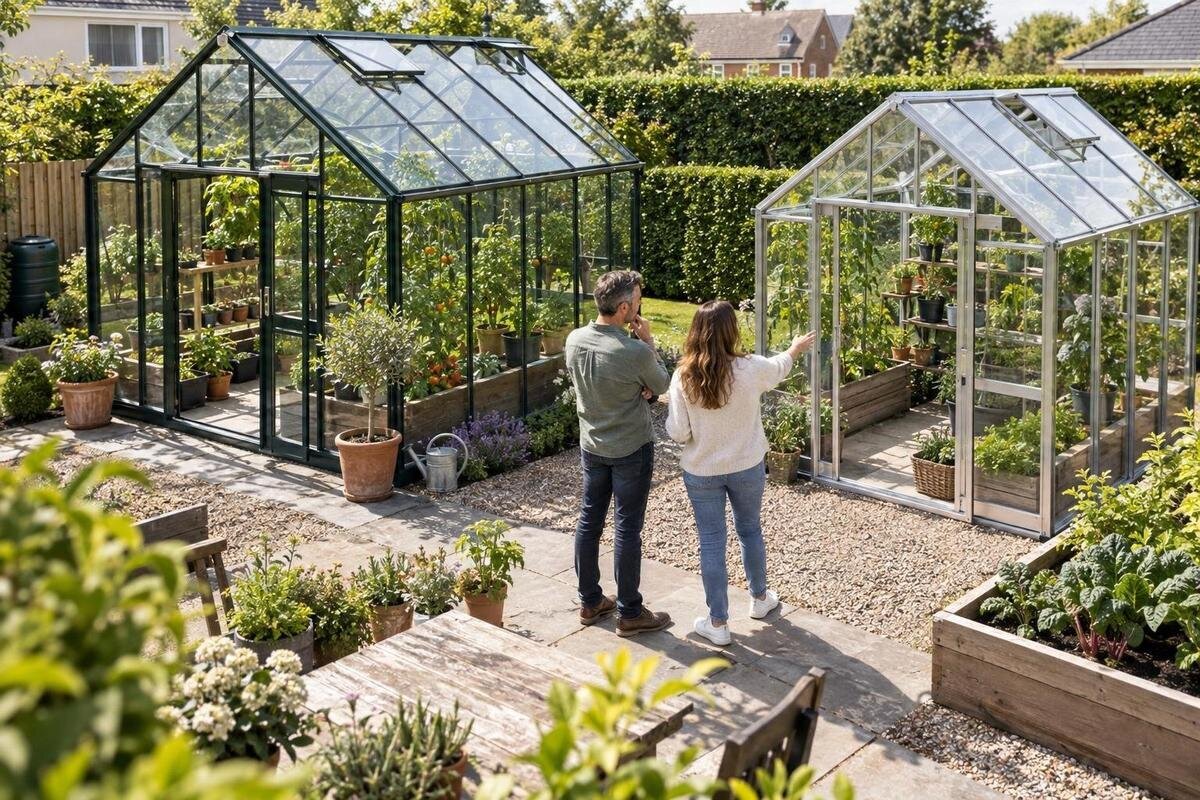
Greenhouse buying guide
An Accoya greenhouse may carry a higher quote, but the name alone does not explain what the premium buys. Before paying, find out which parts use the timber, how the rest of the structure is specified, what arrives in the quoted package, and what upkeep, warranty, and service-life information the seller can support. Compare complete greenhouse proposals rather than a material label against a finished package. The questions below help separate documented value from assumptions, so you can decide whether the extra cost fits your priorities and budget.
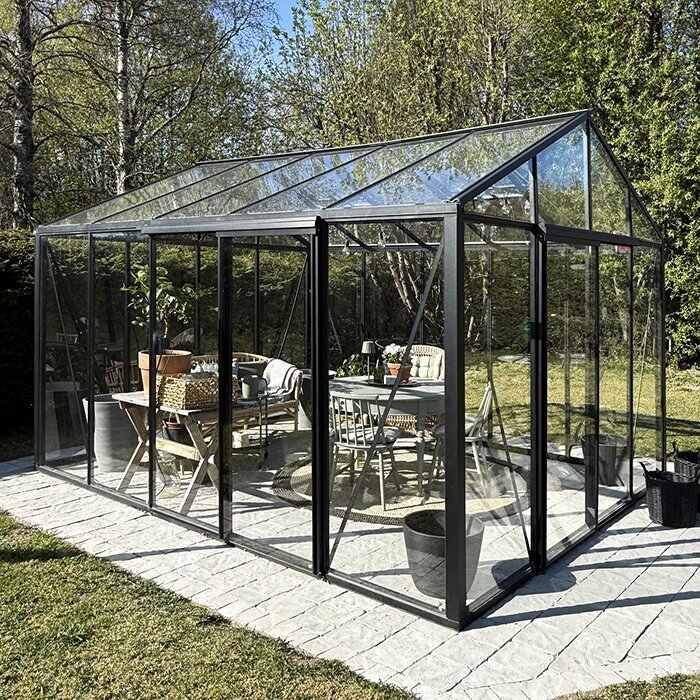
What does the extra price include?
Ask for an itemized written quote before comparing totals. It should separate the frame from glazing, doors, vents, base components, hardware, finish, and accessories, then state whether delivery, unloading, assembly, and site preparation are included. Not every supplier bundles the same items, so the point is not to demand a particular package; it is to identify who supplies each part and who pays. Mark optional upgrades separately, and note any work you would need to arrange yourself. A price for a frame cannot be compared fairly with a quote for a more complete greenhouse, even when both use the same headline material. Confirm whether taxes or other charges applicable to your order are included.
Build a side-by-side comparison using the same target footprint, glazing description, included components, delivery area, and assembly scope. List extras and anything left for you to organize. If you need a different-material benchmark, an aluminum classic greenhouse is a separate candidate, not an automatic equivalent to an Accoya offer. Check its own listing and quote; its category name does not establish dimensions, glazing, or included services. The useful comparison is the complete package you would actually order, with unmatched items clearly flagged, rather than a timber label beside a headline total.
Get the timber specification in writing
Ask the seller to define exactly what Accoya means in this offer and provide the relevant product documentation. Request a written material specification or schedule that identifies the material being supplied, any grade or designation used, and the source of the specification. Check that the description agrees across the quotation, drawings, and order paperwork. If the frame combines Accoya with other wood or non-wood components, ask which is which and where each is used. A brand or material name is a starting point for comparison, not a complete description of the greenhouse, its construction, or the extent of the material premium. Confirm whether the specification applies to every size and finish option you are considering.
Ask for a product data sheet or other documentation that supports the exact wording on the offer, and confirm that it applies to the model and options you are buying. Do not rely only on a sales headline or verbal assurance. An aluminum limited-edition greenhouse belongs in a separate material comparison, and its title is no substitute for a specification either. Use documents to distinguish material choice from marketing language: if a seller says every frame member uses Accoya, the parts schedule should make that statement easy to check. If a particular document is not available, request a clear written description of the material instead. Save the applicable version with the order.
Map the timber to specific greenhouse parts
Have the seller map the specified timber to named parts, such as frame rails, posts, roof members, door frames, sills, trim, or any timber panels. Ask whether the specification covers every frame member or only selected visible pieces. Also identify what is used for the base, braces, ventilation components, and hardware; these may be different materials, and they should not be blurred into a broad “timber greenhouse” description. The purpose is not to require an all-wood build. It is to know which parts receive the stated material specification, which do not, and how the quoted price reflects that split. Ask whether replacement pieces follow the same specification.
Request a labeled drawing or component schedule, and confirm that it refers to the exact size and options in your quote. If a door, vent, glazing, or base option changes, ask whether the timber list changes too. Put exclusions or substitutions in writing, including components supplied by a separate installer. At ordering, compare the final paperwork with the earlier answer; do not assume a verbal description will automatically carry into the order. Keep a copy of the schedule with its date or revision so you can tell whether a later change has affected the specification. This record also helps you ask focused questions about finishes, replacement pieces, and warranty coverage.
Compare the complete package, not just the frame
Look beyond the timber for a complete bill of materials. Ask which glazing material and configuration are quoted, what doors and ventilation openings are included, whether a base or foundation kit is part of the package, and which hardware, fasteners, seals, or finishing products are supplied. Confirm each item by its specification or model reference where the seller provides one. A photograph or configurator image can show an appearance without identifying what arrives in the shipment, so ask whether displayed parts are standard, optional, or excluded. Check that the final quote reflects the choices you made rather than a default configuration.
Record accessories and upgrades as separate line items, including their price and whether they change assembly or delivery. A separate listing such as an aluminum greenhouse with built-in storage is a useful reminder to treat named features as package choices, not as proof of what an Accoya quote includes. Ask the seller to confirm any storage, shelving, gutters, or other add-ons that matter to you and whether they alter usable growing space. Keep the question focused on quoted scope, not the headline material. You can then judge whether the higher total buys features you would actually use and whether those features come with additional assembly or care requirements.
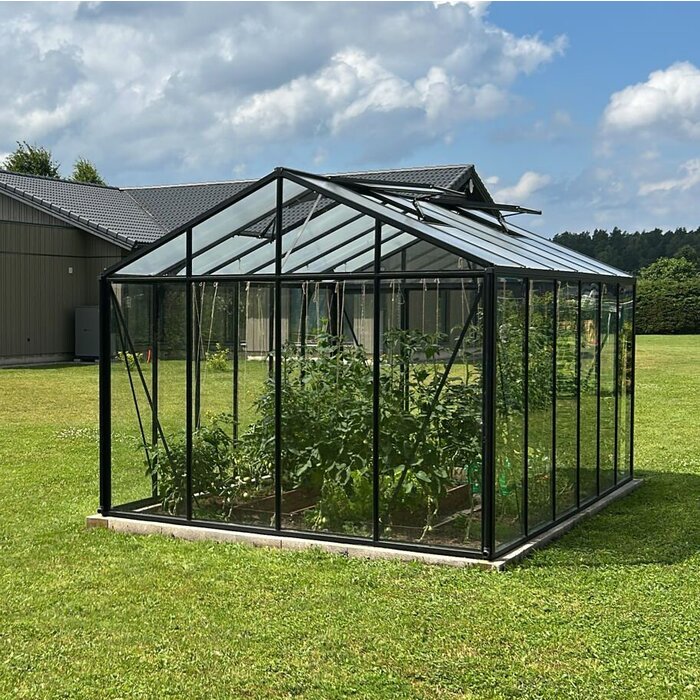
Ask how the frame is joined and finished
Timber choice does not describe how the greenhouse is assembled. Ask for construction drawings or assembly instructions that match the quoted model and options. Find out how frame members connect, what type of fixings are specified, whether any parts require on-site cutting or finishing, and who is responsible for assembly. Request details of the finish as supplied, such as whether it is factory-applied or specified separately, and instructions for touch-ups. If parts arrive in more than one stage of preparation, ask what work remains before assembly is complete. If a sales claim says a joint, finish, or assembly method improves service life, ask what product-specific document supports it.
Shape and model differences are a reason to request the right drawing, not assume one diagram covers every greenhouse. For a different outline such as the Garden View T greenhouse, inspect that model’s documents separately; its title alone does not describe connections, materials, or assembly scope. Apply the same standard to the Accoya offer: compare the supplied drawing with the material schedule, check that quoted options are shown, and ask who resolves a conflict between seller instructions and an installer’s assumptions. If assembly or finishing requires specialized labor, confirm that responsibility and cost before paying. This makes the construction details part of the purchase comparison rather than a guess based on an image.
Understand the maintenance the seller expects
Ask the seller for maintenance instructions that cover each material and finish in the quoted package. Clarify which cleaning products or methods are permitted, what the owner is expected to inspect, whether any finish needs renewal, and how damage or wear should be handled. Get instructions for the timber, finish, glazing, seals, and moving hardware as applicable rather than relying on one sentence about the wood. Ask whether the instructions are specific to the greenhouse model and whether they change with a selected finish. The answer should describe tasks and conditions, not just promise “low maintenance.”
Separate routine care from repair work and optional cosmetic changes. Ask which tasks are required to preserve warranty coverage, whether records or approved products are needed, and what support is available if a part needs attention. You can estimate maintenance costs over the period you expect to own the greenhouse using the seller’s stated tasks and local labor or material costs. Do not treat the absence of a detailed schedule as evidence that no upkeep is required, or assume the timber specification settles care for glazing, seals, and hardware. Save the written guidance with your purchase papers so you can refer to the same instructions after installation.
Check what the warranty actually covers
Request the complete warranty terms before making payment, not just a marketing summary. Check coverage separately for the timber or frame, finish, glazing, hardware, seals, accessories, and assembly work, since different parts may have different terms. For each part, ask who provides the coverage, when it starts, how long it lasts, what remedy is offered, and which conditions or exclusions apply. Confirm whether the promise covers only a material defect or also the labor and cost of removing, shipping, replacing, or reinstalling a component. The written document, not a broad label, determines what is actually covered. Ask whether the stated terms apply to the exact configuration in your quote.
Read conditions related to assembly, maintenance, changes, and site exposure, and ask who handles a claim and what proof is needed. If an installer is involved, clarify whether their work carries separate terms and who is responsible if a problem crosses supplier boundaries. A Bloomcabin Prestige Premium greenhouse is a separate listing to assess on its own: “premium” in a product name does not state its warranty coverage and cannot supply terms for an Accoya quote. Compare scope, exclusions, and remedies alongside any time period. You can also ask whether coverage transfers if ownership changes, and keep the applicable terms with your order.
Separate service-life claims from warranty terms
Treat any expected-service-life statement as a claim about a defined product under stated conditions. Ask whether it refers to the Accoya timber itself, one frame component, or the complete assembled greenhouse. Find out what exposure, finish, maintenance, assembly, and repair assumptions underlie the estimate, and whether it comes from the material maker, greenhouse seller, or another source. Ask to see the evidence and confirm it applies to the exact specification in your quote. If the estimate concerns only the timber, ask the seller to explain what it does—and does not—say about the rest of the structure. Without those boundaries, a lifetime figure cannot tell you how long the whole greenhouse is expected to remain usable.
Ask which other components may need replacement independently, and whether replacement parts can be identified by model or specification. A greenhouse combines elements that can have different care and replacement needs, so do not convert a claim about one material into a promise about every part. Keep expected life separate from warranty length: a longer warranty is not automatically a forecast of full service life, and a service-life estimate is not a promise of repair-free use. If you also consider a Bloomcabin Orangerie, treat any lifespan statement there as model-specific and check what its documentation covers before comparing it with an Accoya proposal.
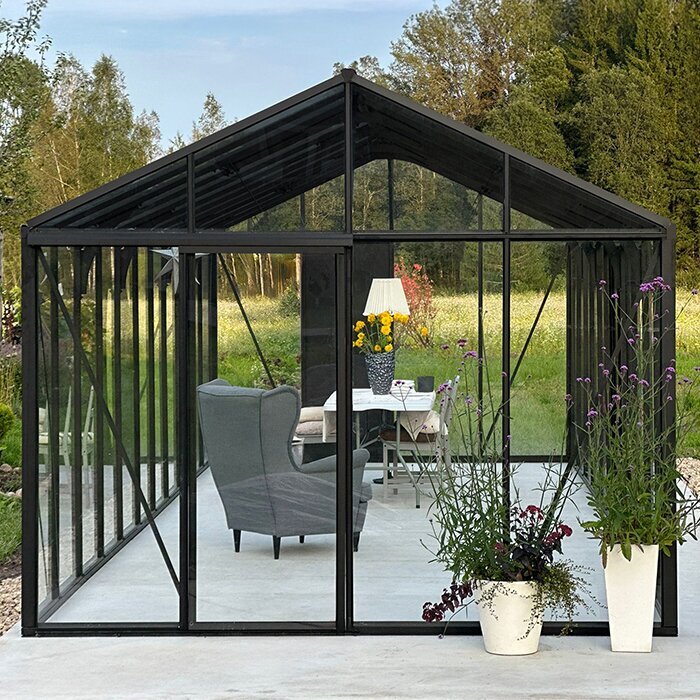
Confirm site fit and installation scope
Check the site and access before settling on a price. Mark the quoted footprint and allow for entry, door opening, circulation, routine access around the structure, and the route for delivery and assembly. Check the actual drawing against paths, walls, trees, and other fixed features rather than relying on a product photo. Ask the seller what base and ground conditions the greenhouse requires, and what site preparation is included. If the plot has a slope, drainage concern, unusual exposure, or restricted access, get advice from the supplier or a qualified installer before assuming the standard installation will fit. Confirm who is responsible for resolving any site-specific requirements.
Format can matter as much as material. If you are also considering an aluminum lean-to greenhouse, request that model’s actual dimensions, support and clearance requirements and compare them with the Accoya design; do not infer details from its category label. For your Accoya quote, confirm whether it is freestanding or intended to meet another structure, which base or anchoring components are included, and who verifies the installation plan. Keep this separate from a timber-price comparison. Where a site or anchoring question needs technical judgment, have the supplier or a qualified professional resolve it rather than improvising.
Compare alternatives on the same assumptions
Before deciding, build a comparison table with one row for each complete quote and columns for total price, named Accoya components, documentation, package contents, installation and delivery scope, care instructions, warranty coverage, service-life evidence, and site fit. Mark each answer as documented, verbal, or unknown so an unanswered point cannot masquerade as a benefit. Then rank the factors that matter most to your growing plans and budget. If you cannot compare one aspect because a seller has not specified it, keep that gap visible instead of assigning it a favorable value. Settle those gaps that could materially change the purchase before you commit.
If the shortlist also includes another shape, such as a pyramid greenhouse, keep design fit and material choice as separate questions. Check that option’s actual dimensions and package documents rather than using its name as a specification. First narrow the field to structures that fit the site and intended use; then compare material choices using matched scope, clear maintenance instructions, and product-specific warranty and service-life information. Paying more is easier to justify when the documented differences matter to you. If key answers stay vague, the comparison is not finished, regardless of how persuasive the headline sounds.
Frequently asked questions
Is paying more for an Accoya greenhouse always worthwhile?
No. A higher quote is worth considering only when the seller documents which parts use Accoya, explains the complete build and package, and provides clear care, warranty, and service-life information. Compare those details with your priorities and budget; the material name or price difference alone does not establish value.
Does Accoya have to be used throughout the greenhouse?
Do not assume that it is. Ask for a parts schedule showing where Accoya is used and which materials make up the rest of the frame, base, glazing, hardware, and finish. The schedule should match the exact size and options in your quote.
What should I get in writing before I pay?
Request an itemized quote, a material specification and parts schedule, drawings or assembly instructions for the quoted model, and written maintenance and warranty terms. If the seller makes a service-life claim, ask for its basis and conditions. Confirm what delivery, assembly, and site preparation include.
Is a longer warranty proof of a longer service life?
No. A warranty describes the coverage and remedies offered under its terms; a service-life estimate concerns how long a defined product may remain usable under stated conditions. Ask what each statement covers and do not treat one as evidence for the other.
Can I compare an Accoya quote with an aluminum greenhouse?
Yes, but compare complete packages rather than material names. Match the quoted footprint, glazing description, included parts, delivery, assembly, base requirements, and warranty scope where possible. Record any differences so the comparison does not make one option look less expensive simply because it includes less.
An Accoya label can be one line in the decision, not the decision itself. The strongest reason to accept a higher quote is a clear map from material to parts, a build and package you understand, realistic care instructions, and written warranty and service-life terms that apply to the complete greenhouse. When those pieces are absent, the premium is difficult to judge. Compare a fully specified offer with your own priorities and budget, and value only the differences the paperwork supports.
