
Buying a Greenhouse for Winter Growing: What It Can and Can't Do
WINTER GREENHOUSE BUYING GUIDE
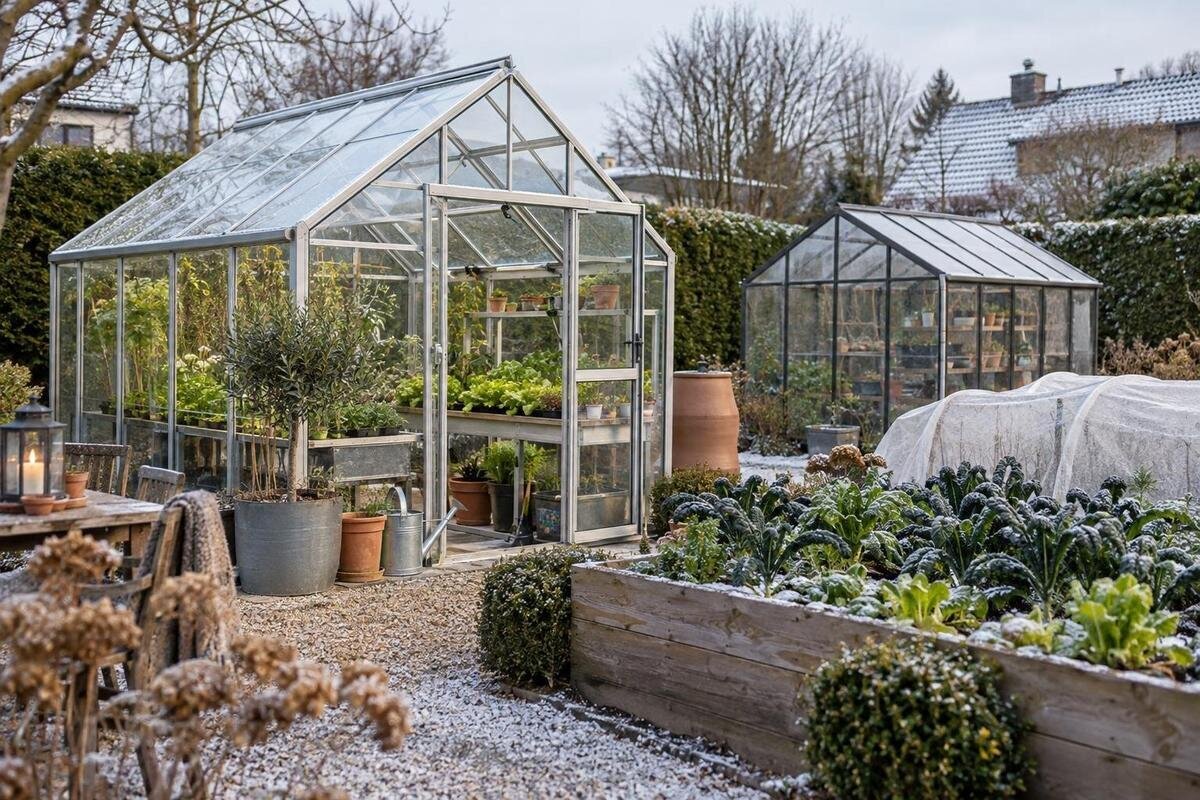
Winter growing can mean anything from protecting cool-season crops from wind to keeping heat-loving plants productive through cold nights. A greenhouse can change the conditions around plants, but the structure alone does not guarantee a frost-free interior. Before you buy, define the crops and months you have in mind, then compare the construction and documented weather requirements with the site and the amount of monitoring or supplemental heat you can provide. Include the coldest, cloudiest, and windiest periods that may affect the plants, rather than planning around favorable daytime conditions alone.
Before you buy 1
Define your winter-growing goal before comparing greenhouses
Before comparing greenhouses, define what “winter growing” means for your household. You may want to keep cold-tolerant crops going through cool spells, protect plants from wind and precipitation, extend a harvest, or maintain warmth for crops that are sensitive to cold. Those goals set different expectations. A sheltered place can still be useful even when it cannot keep heat-loving crops growing through the coldest nights. A structure used without heat to stretch the season has a different job from an enclosure expected to maintain a particular growing environment. Deciding this upfront prevents “all winter” from standing in for a real operating target.
Write down the crops you plan to grow, the months you expect to use the space, and whether slower growth or occasional pauses are acceptable. Consider how often you can check conditions and whether you are prepared to manage the interior during cold weather. Look at typical seasonal conditions at your exact site rather than relying on a broad regional label. Then describe the result you need in plain terms: protection from exposure, a longer harvest, or warmth for cold-sensitive crops. That goal is a useful filter for the structure and features you compare. It may also show that light or ongoing heating, rather than floor area, is your main constraint. Separating a survival goal from a harvest goal is particularly useful, since plants may remain alive while making little new growth in winter.
A greenhouse moderates weather but does not create heat
A greenhouse can collect some solar warmth during daylight and reduce plants’ direct exposure to wind and precipitation, but the structure does not make warmth on demand. How much the interior warms, and how long it stays warm, depends on sunlight, weather, the complete enclosure, and how the space is operated. After sunset, under heavy cloud, or during a prolonged cold spell, temperatures can fall substantially; an unheated interior may move close to outdoor conditions. The contrast between a bright afternoon and a clear night can also be significant, so consider the range of conditions rather than a single daytime reading.
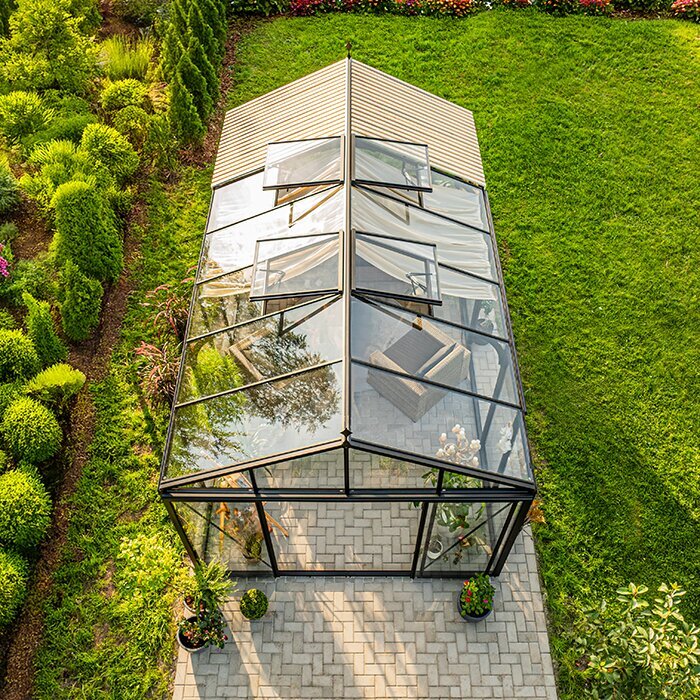
Read performance claims as specific to the materials and configuration: glazing, seals, doors, ventilation, frame joints, and any active heating are separate parts of the picture. When assessing the aluminum classic greenhouse, treat the name as an identifier, not evidence of a minimum nighttime temperature. Look for technical information that describes the actual package and the conditions behind any performance claim. Ask whether optional components, installation choices, or a particular site condition are assumed in that information. If the product page does not provide enough detail, ask before ordering; otherwise you may end up comparing model labels rather than meaningful winter requirements.
Before you buy 2
Check crop tolerance against winter light
Plants differ in the temperatures and light levels they can tolerate. Some cool-season crops cope with cooler conditions than crops that need sustained warmth, but requirements vary by plant and variety. Protection from wind or precipitation is not the same as maintaining warmth, and surviving the winter is not the same as producing the harvest you expect. Before choosing a greenhouse, identify the plants you actually want to grow and check their stated growing needs. A structure that suits one planting plan may not meet the needs of another, even when both plans are described as winter growing.
A greenhouse admits the daylight available at its site; it does not create longer winter days. Nearby buildings, trees, or fences can shade the structure, and the pattern may change over the season. Consider light at different times of day and when you expect to use the greenhouse. If your goal is regular harvests, account for the possibility that limited light and warmth will slow growth. Note whether deciduous trees, rooflines, or neighboring structures cast shadows during the winter months when the sun is low. Choosing a suitable site and setting realistic expectations for the crop can matter as much as choosing a larger structure or adding more growing space.
Choose a site for winter sun, exposure, and access
Check the proposed location for winter sun and shade before settling on a style or size. A spot that receives plenty of light in summer may be shaded when the sun is lower, so look at the site at different times and consider nearby trees and buildings. Also think about how you will reach the greenhouse in poor weather and whether there is room to work around its entrances. Consider where snow can accumulate along paths or where meltwater may make access difficult. These observations help you compare a structure with the conditions it will actually face, rather than the conditions in a product image or on a summer afternoon.
Wind exposure, drifting snow, runoff from nearby roofs, and the condition of a wall can all affect where a greenhouse can be placed. If a lean-to layout is on your shortlist, review the aluminum lean-to greenhouse as a model to investigate, then confirm how the planned location, wall, drainage, and attachment requirements fit together. An adjacent wall can change shade and exposure, but it is not a guarantee of useful warmth. Confirm support and installation requirements with the manufacturer or a qualified installer rather than assuming any convenient wall is suitable.
Before you buy 3
Verify structural ratings for local snow and wind
Ask for written wind and snow ratings before buying, especially if your site is exposed or regularly experiences winter storms. Confirm that any stated rating applies to the exact model, size, and configuration you are considering. Ask what assumptions it makes about the base, anchoring, bracing, or installation, and whether those details are included or need to be planned separately. Find out whether changes such as added accessories or a different siting arrangement affect the stated configuration. A general claim about a product line may not describe every configuration. If you cannot tell whether the documentation addresses your site, seek an assessment from a qualified professional rather than trying to infer capacity from a picture.
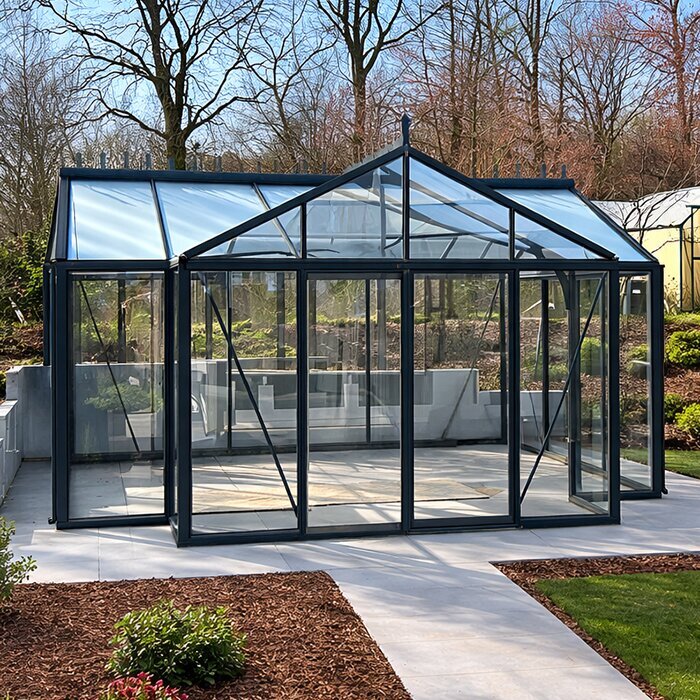
Roof shape and a sturdy-looking frame are not substitutes for documented structural information. A name such as Pyramid greenhouse Bloomcabin Oasis may help identify a model to review, but neither a silhouette nor a model name establishes load capacity or how snow will behave on the roof. Compare the manufacturer's stated requirements with the exposure at your location. Do not assume that a particular shape will shed snow or withstand wind without supporting specifications; those conclusions depend on the actual structure and how it is installed.
Compare glazing, seals, and replacement details
Glazing affects how much light enters and how heat moves through the enclosure, so check what the specific product documentation says. Compare the stated panel material, any layers or thickness information, and documented insulation or light-transmission data if provided. The panel label alone does not describe the performance of the complete greenhouse: joints, seals, doors, and installation also matter. For example, the name the aluminum limited-edition greenhouse does not establish its glazing type or heat retention. Look for details tied to the exact configuration rather than making assumptions from a broad category or model name.
Inspect how the panels meet the frame and how the product documentation describes doors, seals, and other joints. These are practical details to compare because gaps or poorly matched components can affect the enclosure’s overall performance. Ask whether replacement panels and other relevant parts are available, and what care the manufacturer recommends. It is also worth clarifying which components are standard and which, if any, are selected separately. If the page makes a general claim about winter use, check whether it specifies the materials and setup to which that claim applies. Clear information now is more useful than discovering after purchase that an important component or detail was left unspecified.
Before you buy 4
Review ventilation and controls you can operate
A sunny winter day can warm the greenhouse interior even when outdoor air is cold. Ventilation can help manage excess heat and moisture, but opening the structure also exchanges air and can reduce warmth. Think about how you will handle changing conditions and compare the stated number, position, and operation of vents. Consider whether you can make adjustments promptly on days when sun, wind, and cloud cover change quickly. A greenhouse that is easy to ventilate is not necessarily one that will hold a target temperature without other measures; the two needs have to be considered together.
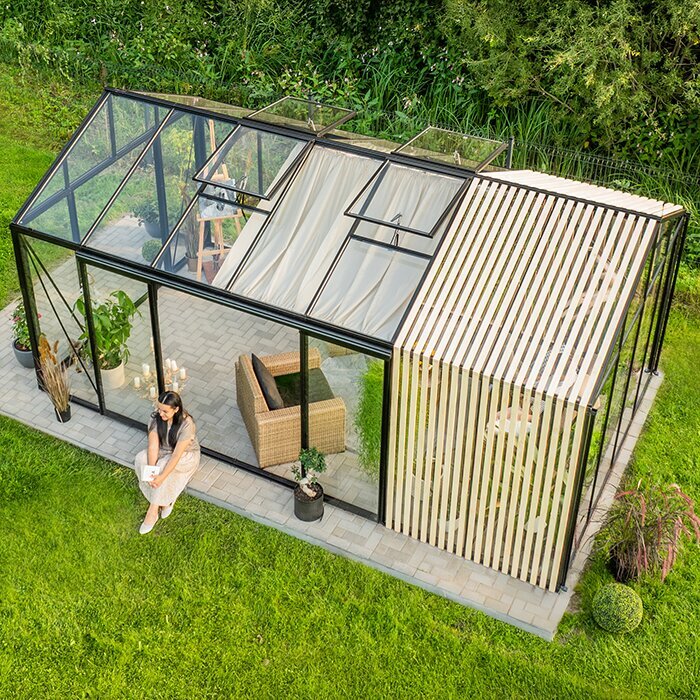
Check which openings and controls are actually included, whether they are manual or automatic, and whether you can reach and use them in your planned layout. Do not infer ventilation from the model name. For a candidate such as the Garden View T greenhouse, review any available drawings and listed equipment, then verify the details on the product page or with the seller. Consider how you will monitor conditions and make adjustments when the weather changes, rather than assuming controls or accessories are included unless they are clearly specified.
Decide whether supplemental heat is necessary
If your crop plan depends on warmth through cold nights, decide before ordering whether supplemental heat is part of the project. The greenhouse structure alone cannot deliver a chosen temperature on demand. Consider the conditions your plants need, the weather they may encounter, and whether you can monitor and manage the space when it is cold or cloudy. Consider what happens if conditions change while you are away, and avoid basing the plan on a single mild spell. An unheated plan should be based on plants suited to the conditions you can provide, with room for growth to slow or pause when winter conditions limit it.
Include energy availability and ongoing operating costs in your comparison, not just the initial structure. Confirm whether any heater, thermostat, or other equipment is included rather than assuming so from a model name. The title Bloomcabin Prestige Premium greenhouse does not by itself confirm heating equipment or a particular energy-saving feature. If you plan to add heat, check compatibility with the greenhouse and have electrical or fuel equipment selected and installed by qualified professionals in accordance with manufacturer guidance and applicable requirements.
Before you buy 5
Measure usable space for plants and winter work
Compare the dimensions that matter inside the greenhouse, not only its exterior footprint. Allow space for plants, paths, benches, and the work needed to tend and harvest them. Check door clearance and usable height as well as floor area, especially if your planting plan includes tall plants or equipment that must pass through the entrance. A drawing or dimensioned plan can help you see whether the layout will work before ordering. Leave sufficient room to avoid brushing wet foliage or blocking access when plants are at their largest. Think through routine tasks such as reaching plants and carrying supplies so that winter work does not depend on squeezing through a crowded space.
Storage can be useful, but it may change how much room remains for growing and moving around. If you are considering the aluminum greenhouse with built-in storage, check the product information and any available layout drawing to understand the space allocated to storage; the name does not tell you its dimensions or how much planting area remains. Also consider where you will keep tools and supplies if storage is not included. Make sure the usable arrangement fits your actual tasks, rather than treating the largest advertised footprint as all available growing space.
Check what is included and what ordering requires
Before placing an order, confirm the dimensions and configuration of the exact greenhouse, along with what the package includes and excludes. Ask about the required base and anchoring, assembly, panels, fasteners, and any installation service you expect to use. Check whether the delivery route and destination can accommodate the shipment, and what preparation you are responsible for. Review the supplier’s written terms for warranties, returns, and replacement parts rather than assuming those details from the product description. If information is unclear, get an answer before purchase so the structure and the required work are both understood.
Compare the whole project cost, including site preparation, installation, any heating equipment, energy use, and ongoing care. A listing such as Bloomcabin Orangerie can be reviewed as a specific model, but its name is not a substitute for documented winter ratings or installation requirements. Use the product’s actual specifications to decide whether it matches your site and goals, and include any additional work in your budget. Keep a written list of questions and answers for the exact configuration so that assumptions do not get lost between selection and ordering. A greenhouse that appears suitable at first glance may call for more planning than the structure alone suggests.
Frequently asked questions
Will a greenhouse stay above freezing in winter?
Not automatically. Sunlight can warm a greenhouse during the day, but it loses heat after sunset and in extended low-light weather. Conditions depend on the specific enclosure, the site, outside weather, and any active heating. Check documented performance and plan for the coldest conditions that matter to your plants; a model name alone is not a temperature guarantee.
Can I grow vegetables in an unheated greenhouse all winter?
Possibly, with crops suited to the conditions at your site, but vegetables differ in cold tolerance and light needs. An unheated greenhouse still experiences winter weather, and limited daylight can slow growth. Compare the needs of the specific crops and varieties you want with local conditions before buying; a greenhouse by itself does not make every crop viable year-round.
Does a larger greenhouse stay warmer?
Size alone does not determine how well a greenhouse retains warmth. Glazing, seals, exposure, sunlight, outside weather, and heating all affect the interior. A larger structure also gives you more space to manage. Compare documented construction details and plan around your crops and operating costs rather than assuming that a larger model will be warmer.
Is an attached greenhouse always warmer?
No. An attached structure can have a different pattern of sun, shade, wind, and heat exchange, but the wall and its location matter. The attachment also needs to meet the manufacturer's documented requirements. Treat warmth from a shared wall as a site-specific possibility, not a substitute for performance information or a heating plan.
What should I confirm about snow and wind before ordering?
Ask for written wind and snow ratings, the exact configuration they cover, and any requirements for the base, anchoring, or installation. Compare those details with exposure at your site. Do not judge capacity by appearance alone; if the documentation is unclear or does not address your conditions, ask a qualified professional to assess the location.
Buying a greenhouse for winter growing is a choice about the conditions you can support, not a promise that a structure will make winter disappear. Set a crop and season goal, check winter light and exposure, and compare documented glazing, ventilation, and wind and snow requirements. Then decide whether your plan needs active heat and whether the full costs and work fit your routine. The right purchase is the one whose stated capabilities and operating demands match that plan; resolve any uncertainty about a relevant rating before ordering.
