
Buying Multiple Greenhouses: Questions for Wholesale and Trade Buyers

Wholesale and trade greenhouse orders
Buying several greenhouses at once can simplify procurement, but the order is only easy to compare if every supplier is pricing the same items, quantities, destinations, and scope. A trade inquiry should identify the exact products under consideration, separate confirmed units from forecasts, and request written answers on itemized pricing, delivery, timing, and purchasing terms. Do not assume a larger quantity automatically earns a discount, ships together, or has a shorter lead time. The questions below help turn a broad wholesale request into comparable quotes, whether the units are for one site or several.
Define the project before requesting quotes
Before you ask for prices, write a concise project brief: what the greenhouses are intended to support, how many sites are involved, who will use them, and the broad delivery window. Note constraints that could change a quote, such as multiple receiving addresses, a planned opening date, or a requirement for several matching units. Separate fixed needs from preferences; for example, say whether a particular footprint is essential or simply preferred. This gives suppliers context without asking them to guess your priorities. The brief does not replace product specifications, but it helps ensure that every bidder is responding to the same project.
Name one person to coordinate questions, and identify who approves spending and who can confirm delivery details for each location. Set a quote-return date and an internal decision date, describing either as a target if it can move. Record candidate items using their exact page titles—for example, the aluminum classic greenhouse listing—and ask the supplier to confirm that the quote refers to that item. Avoid internal shorthand such as 'standard unit' unless you define it; otherwise, suppliers may interpret the same phrase differently. Keep the brief and item schedule together when requesting revisions. Include a revision date and version number on each schedule so that suppliers and internal reviewers can quickly identify which quantities, destinations, and requests are current.
Set quantities by product and destination
Create a unit schedule rather than sending only a total such as 12 greenhouses. Give every requested product a separate line with its exact name or identifier, quantity, destination, and any configuration the supplier must include in the quote. If the order may contain a mix, state each count explicitly. Separate a firm initial quantity from a forecast for later units. If the total is still uncertain, give a minimum and a possible upper quantity, and say when you expect to decide. This keeps a projection from being mistaken for a commitment and makes later changes easier to isolate.
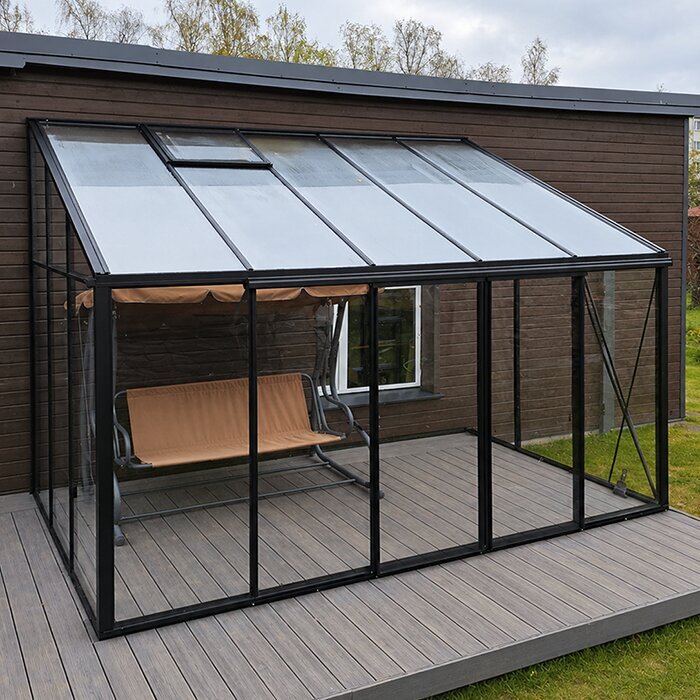
Ask whether any quantity threshold applies to each product line, to the combined order, or to each delivery address. Do not assume units on different lines qualify together for a volume price. If an item such as the aluminum lean-to greenhouse listing is part of the request, show its quantity and destination separately instead of folding it into a general greenhouse total. State whether each site needs the same items and whether an alternative is acceptable. A supplier can then price the actual mix, while your comparison sheet shows exactly which quantities and destinations the quote covers. Where locations are still being selected, identify those lines as provisional rather than assigning them to an address that may later change.
Identify the exact models and configurations
Product names, category labels, and photographs are not enough to make quotes comparable. Ask for the exact model or item number, if used, the selected configuration, what is included with one orderable unit, and whether any choices affect the quoted line. If a supplier uses a product code that differs from your internal name, record both. Ask the supplier to flag anything it cannot quote and to identify any proposed alternative rather than silently substituting a similar option. That leaves a clear record when several items or departments are involved and helps prevent an informal description from being mistaken for a confirmed product.
For a candidate such as the aluminum limited-edition greenhouse listing, copy the page title as shown and ask the supplier to confirm the product identity and configuration in writing. Compare each item against its own quote line; a shared collection name or similar photograph does not establish that two products are equivalent. If a supplier suggests an alternative, request its exact name or identifier, specifications, and separate price. Your buyer can then decide whether the change is acceptable before approving the order, rather than discovering a difference after the quote has been accepted. Keep proposed alternatives outside the requested line total until the responsible buyer has explicitly accepted them, so the original request remains easy to compare.
Request specifications that can be compared
Ask each supplier to provide the same relevant specification fields for every quoted product. Depending on your project, these may include outside footprint, overall height, door opening, frame material and finish, glazing or other covering, ventilation components, and what is included with the quoted unit. Ask which measurements are being reported and in what units. If exact dimensions or a particular component matter at a site, mark that requirement clearly and request written confirmation; do not infer it from a product name or image. A consistent set of answers helps you compare practical fit as well as price.
Use one comparison sheet for the requested fields and leave a field marked 'not confirmed' when the supplier has not answered it. For a line such as the Garden View T greenhouse listing, the title identifies the item for discussion but does not provide a complete specification. Ask for the supplier's written product information and note its date or version if provided. If specifications are incomplete or use different measurement conventions, request clarification before ranking the offers. That is more reliable than filling gaps with assumptions or treating two differently described items as interchangeable. Have the same reviewer check measurements for every destination where site fit matters, rather than combining notes from different versions of product information.
Ask for an itemized quote and clear quantity pricing
Request a line-by-line quote showing the quoted product or identifier, quantity, unit price, and line total. Ask whether quantity-based pricing is available and, if so, what threshold applies and whether it is calculated per product, across the order, or by delivery address. Confirm whether changing the mix or the unit count changes the quoted price. A larger order does not by itself establish that a discount is available, so ask rather than building a saving into your forecast. Also request the quote date and any stated validity period, and have the supplier identify amounts that are estimates rather than confirmed charges.
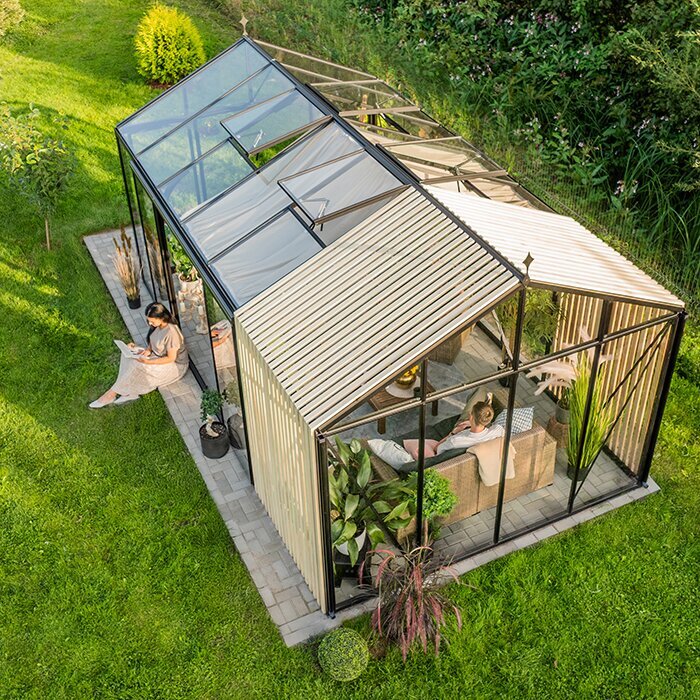
Ask for shipping, applicable taxes, and other fees to be shown separately where possible, plus a total for each destination and for the full order. Clarify which charges are included and which are excluded so you can compare proposals on the same basis. If a line uses the Pyramid Greenhouse Bloomcabin Oasis listing, ask for that named item and its requested quantity to appear distinctly in the quote. A single bundled total can conceal whether every product, address, or service has been included. Request a revised quote if your quantities change, rather than carrying forward a total calculated for a different order. Retain the earlier quote as a reference, but base approval only on the current version that states the final scope and quantities.
Confirm shipping and receiving details for every location
Provide a complete ship-to address for each destination, including ZIP Code and a receiving contact. Tell the supplier about relevant delivery constraints, such as available receiving hours, a restricted access point, or a date when the site cannot accept a shipment. Ask how the shipment will be handed over and whether delivery appointments or other arrangements are needed. Do not assume that one freight price covers several addresses or that a quote includes unloading. These details can affect both the quoted charges and whether your staff can receive the order as planned.
Ask the supplier to state whether appointment service, liftgate service, unloading, or other access-related charges are available, included, required, or extra. Confirm which party arranges each part of the delivery and how any destination-specific charges will appear on the quote. For each requested line, including the aluminum greenhouse with built-in storage listing, connect its quantity to the correct ship-to address instead of placing one total beside a list of locations. If your order goes to multiple sites, request a separate delivery plan for each so the receiving contacts know what to expect. Provide a contact phone number and a backup contact for each site, and update the supplier promptly if either person or the receiving hours change.
Get availability and lead-time expectations in writing
Ask the supplier to distinguish current availability from the time needed to prepare or fulfill an order and the transit time after dispatch. Request an estimated ship date or delivery window for each product line and destination, and ask what event starts the stated lead time. The answer may depend on details the supplier needs to confirm, so find out whether a date is an estimate or a commitment. If your project has a fixed opening date, state it early and ask whether the proposed schedule can meet it. Do not treat an estimate as a guaranteed arrival date unless the written terms say so.
For an order with several models, ask whether all items are expected to be ready together or could move on different schedules. Confirm whether the supplier can hold a ready shipment until the rest is available, whether partial shipments change freight charges, and how you will receive updates about delays. If a substitution or backorder is possible, ask how the supplier will seek your approval before changing the order. A line such as the Bloomcabin Prestige Premium greenhouse listing should have its own availability and timing confirmed; do not assume that its schedule matches other products merely because they appear on one quote. Record the date each estimate was received, since availability information can change while your organization is reviewing the proposal.
Review payment, cancellation, and support terms
Before placing a multi-unit order, request the written purchasing terms that apply to the quote. Ask about any deposit, balance due, payment methods, invoice timing, and whether the supplier can reference your purchase order or divide invoices by destination or project. Confirm how applicable taxes and fees will be shown and when the quote expires, if it has an expiration date. Ask what happens if your quantity or delivery plan changes, and whether cancellation or amendment terms differ before and after order confirmation. Do not rely on a verbal summary when your procurement team needs to approve specific amounts and conditions.
Ask for the applicable warranty information and the process for reporting damage, shortages, missing components, or other order issues. Clarify any stated deadlines for reporting a problem, what documentation the supplier requests, and how returns or exchanges are handled, including any charges or exclusions. Ask who handles product questions after purchase and whether the supplier can provide the documents your team needs. For a specific line such as the Bloomcabin Orangerie listing, confirm which terms apply to the quoted item and configuration rather than assuming that every product in a mixed order has identical coverage or return conditions. Save the terms supplied with the final quote alongside the purchase record, especially if different destinations or products have different arrangements.
Coordinate purchasing and receiving across the team
A multi-unit inquiry often involves more than one person, so decide how the quote will be reviewed and approved. Confirm the budget owner, the authorized purchaser, and the person who can answer questions about each delivery location. If your organization uses purchase orders, ask what details the supplier needs and how the order reference should appear on quotes and invoices. Decide whether separate projects or sites require separate purchase records. Keep a copy of each quote version and note what changed between them; otherwise, an outdated quantity or delivery plan can remain in circulation after revisions.
Prepare each receiving location for the agreed delivery window by naming a contact and confirming that someone can accept the shipment. Ask the supplier what delivery documents or receiving notes will accompany the order, and share any relevant handling instructions with the site contact. When a shipment arrives, compare the delivered items with the order and packing documents, record visible damage or shortages, and report issues promptly using the supplier's stated process. If several sites receive separate portions, give each contact the applicable product list and quantity. That makes it easier to reconcile what was ordered, delivered, and still outstanding. Ask locations to send their receiving records to the central coordinator so outstanding quantities can be tracked across the entire order.
Compare the replies and finalize the request
Compare each response against the same checklist: exact products and configurations, quantities, destinations, specification completeness, price breakdown, shipping scope, timing, exclusions, and purchasing terms. Record unanswered questions instead of treating a blank as confirmation. A quote with a lower headline total may cover fewer items or leave delivery charges unspecified, so compare matching scopes rather than totals alone. If one proposal is clearer than another, ask the supplier to fill the gaps using the same schedule. Your decision record should show why the chosen quote meets the requirements, not just which number appears lowest.
A useful inquiry can be sent as a short note with the item schedule attached: 'Please quote the listed products and quantities for the specified addresses. Confirm the exact product and configuration, itemized prices, shipping and other charges, availability, estimated timing, partial-shipment options, and the purchasing terms that apply.' Add your target date for receiving a response and identify the contact for questions. Before your organization approves the order, check that the final quote and order acknowledgment reflect the same item names, counts, destinations, and agreed conditions. That final comparison catches changes introduced during revisions. If anything differs, ask for a corrected document before approval so the purchasing record reflects the arrangement that was actually agreed.
Frequently asked questions
Does a larger greenhouse order automatically qualify for wholesale pricing?
No. Ask whether the supplier offers quantity-based pricing, which quantities qualify, and whether mixed products or multiple delivery addresses count together. Have any applicable price and conditions stated in the written quote; do not include an unconfirmed discount in your budget.
What should I include in a bulk greenhouse inquiry?
Provide the exact product names or identifiers, quantities by item, any required configurations, delivery addresses, and your target delivery window. Also ask for itemized pricing, shipping costs, availability, lead-time estimates, and the purchasing terms that apply.
Do all locations need to receive the same greenhouse?
Not necessarily. If locations have different needs, list each product and quantity separately for each destination. Ask the supplier to quote that mix rather than assuming that all units are identical or that separate product lines share the same pricing.
Can a multi-unit order arrive in separate shipments?
That depends on the supplier and the order. Ask whether items can ship separately, how delivery dates and freight charges would change, and how you will be notified about delays or backorders. Get the agreed plan in writing.
How do I compare two trade quotes?
Match the product names, configurations, quantities, delivery addresses, shipping scope, schedule, fees, exclusions, and purchasing terms line by line. A lower total may cover a different scope, so resolve unanswered questions before treating the offers as comparable.
Several greenhouse units are worth comparing only when the quote covers the same products, quantities, destinations, delivery scope, schedule, and terms. A line-by-line request makes differences visible: which prices depend on quantity, whether shipments can be split, what delivery includes, and which policies apply. Keep forecasts separate from confirmed counts and ask for changes in writing. With that record, the final order can be checked against the agreed product schedule instead of relying on a single total or an informal description.
