
Can a Greenhouse Help Your Household Grow More Food?
Greenhouse food planning
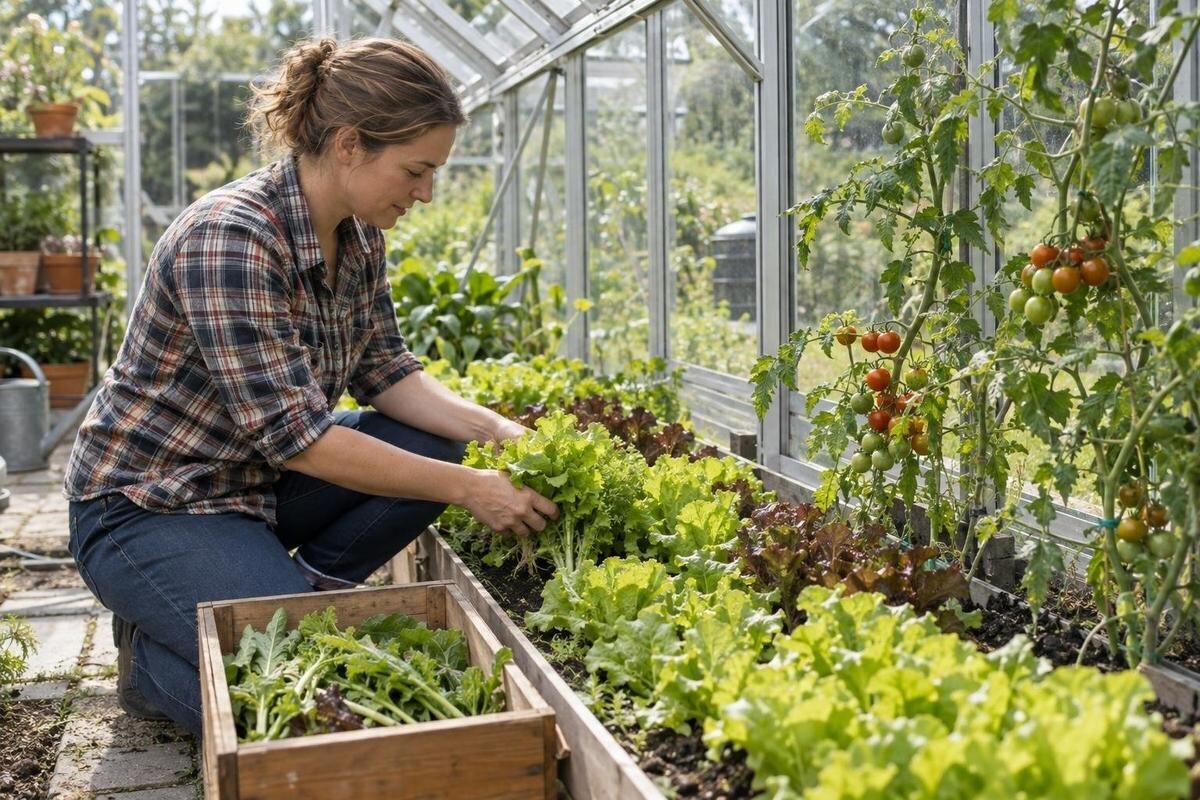
A greenhouse can help a household put more fresh produce into regular meals, especially when it extends the growing window for crops suited to the local climate. It does not create unlimited growing time or make every crop available in every season. Sunlight, outside conditions, usable growing area, crop choices, and the time someone can give to watering, checking, harvesting, and cleanup all shape the result. A realistic estimate starts with the foods your household already buys and eats, then maps possible harvests to the weeks those foods are useful. Think of a greenhouse as one source of ingredients, not a promise of complete self-sufficiency.
What a greenhouse can contribute to household food
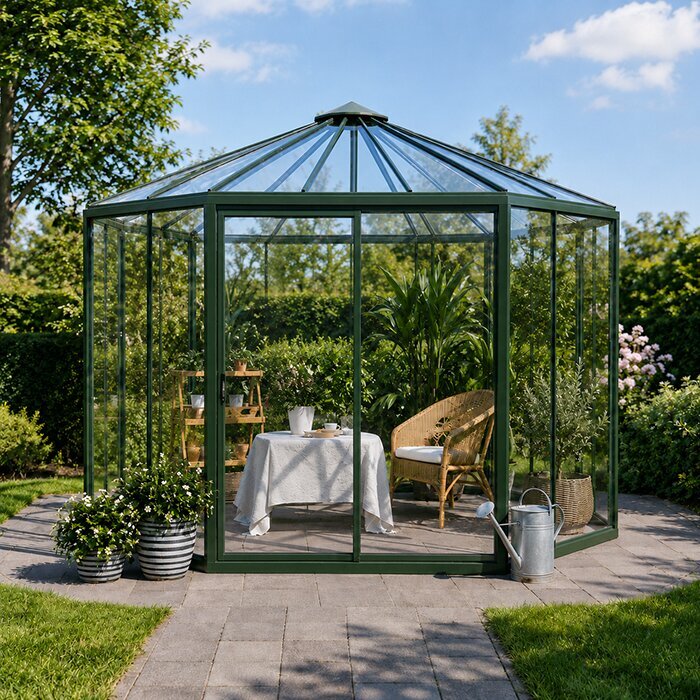
The most dependable role is to add fresh ingredients during a planned part of the year. An enclosed growing space changes exposure to wind, rain, and cold, which can create conditions that suit selected crops; the effect depends on the design, site, weather, and management. Households may consider leafy greens, herbs, tomatoes, peppers, or cucumbers, but no crop is a guaranteed fit everywhere. Light, temperature, ventilation, pest pressure, and the chosen variety all matter. An unheated greenhouse does not remove winter limits. In some plans, it helps start young plants before they move outside; count those as a food contribution only once the plants provide edible harvests.
A greenhouse’s contribution is different from self-sufficiency. Homegrown vegetables can cover part of a fresh-produce list while grains, beans, dairy, meat, cooking oils, and foods outside the growing window still come from elsewhere. A harvest is not automatically a replacement for an item on the grocery list: it has to be ready when the household wants it and used before it spoils. Set a specific goal, such as picking herbs for familiar recipes or serving homegrown greens during part of the year. A goal tied to real meals is more useful than expecting the structure to supply a certain share of all household food.
Measure demand in the meals you already serve
Review several representative weeks of meal plans, grocery lists, and leftovers. For each crop, note how often it appears, how many people eat it, whether it is a side or a recipe ingredient, and when the household wants it. Use a household-defined portion, such as the amount called for in a familiar recipe, rather than a generic yield chart. Separate foods you would happily eat more often from foods you buy only occasionally. This keeps the menu, not a seed catalog or an empty bed, in charge of the first planting plan.
A simple estimate is meals per week multiplied by servings per meal. If four people want a tomato-based meal twice a week and each serving uses one household-defined portion, the target is eight portions that week. This measures demand, not what plants will produce. Specify the weeks covered by the target, too: supplying tomatoes during their harvest season is a different goal from supplying them year-round. The Prestige greenhouse listing gives a size range of 40.6 to 302 square feet, offering a starting point for comparing layouts once you have a crop plan. Keep separate targets for each crop rather than adding unlike portions into one total. A handful of herbs and a vegetable side dish both contribute to dinner, but counting them as interchangeable servings would exaggerate what the greenhouse supplies.
Choose crops the household will use repeatedly
Rank possible crops by how often they appear on the menu and whether a fresh harvest suits the dish. Herbs, salad ingredients, and vegetables for repeat recipes may have a clear route from the growing space to the table; something the household uses once a month may be a lower priority, even if it is popular with gardeners. Ask household members what they will eat and whether a crop can be used raw, cooked, or in leftovers. If preferences differ, try small amounts of several crops before assigning most of a bed to one unfamiliar favorite.
Crop choice is also a time choice. Some crops need frequent picking, while fruiting vegetables often occupy a growing area for a longer stretch of the season. Short-cycle greens may be planted in rounds where the crop and local conditions allow. Choose varieties and sowing windows suited to your area, and keep a small trial space for anything new. Record taste, harvest timing, pest problems, and how much was used. Those notes will help you decide what to repeat more reliably than a broad claim that one crop is always the most productive.
Map harvest windows and seasonal gaps
Make a calendar for the whole year, even if you expect to grow food in only part of it. For each crop, note a locally appropriate planting window, the period when you expect to harvest, and when that harvest is likely to end. Use regional growing guidance and seed information as starting points, then adjust the calendar to what happens at your site. A greenhouse can change a crop’s exposure, but it does not change daylight or guarantee suitable conditions in every season. If your plan depends on added heat or light, treat that as a separate operating decision rather than an automatic feature of the growing space.
Mark the weeks when your household is likely to have no harvest of a crop. A gap is not necessarily a failure; it may simply reflect the crop’s growing season. Distinguish weeks with a fresh harvest from weeks when you might use previously frozen or otherwise preserved produce. Both can contribute to meals, but the second depends on an earlier surplus and a suitable preservation method. Plan transitions by deciding when one planting will leave a bed and where the next could go. The Lean-To Greenhouse options are listed from 40 to 154 square feet. On the plan for your selected size, mark the beds you intend to use for these transitions. Allow for any overlap between a crop still producing and young plants awaiting their place, rather than assuming every changeover will happen on one convenient date.
Calculate the area available for actual crops
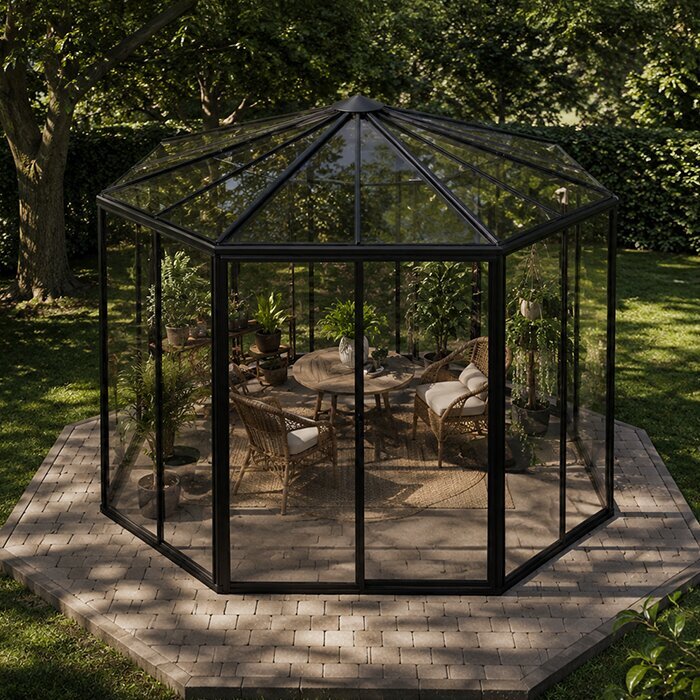
Start with the plan for the specific size you are considering. Mark where crops could grow, then account for the space needed to enter, reach plants, move tools, and tend the beds or containers. Not every square foot listed for a greenhouse will necessarily be planted: access and working space matter if you are to water, inspect, and harvest comfortably. Include any space you expect to use for staging seedlings or keeping supplies, rather than counting it as a crop bed as well.
Next, assign approximate areas to crop groups instead of filling the entire plan on paper. Reserve space for the crops your household uses most, and leave room for later plantings if those are part of your calendar. Use spacing guidance for the chosen varieties and growing method, considering mature plants rather than the size of seedlings at planting time. Include access for picking and tending plants without stepping into beds or moving containers each time. The Classic greenhouse range spans 40.6 to 302.3 square feet. Compare the exact selected plan with your proposed beds, containers, and paths. Check internal dimensions before committing to a layout; the published area range alone does not tell you whether your preferred arrangement will fit.
Set a care schedule the household can sustain
Keep a task log before deciding how much growing area to manage. Note the time spent checking plants, watering, harvesting, pruning or training where needed, cleaning up, and dealing with problems. Record how often each task comes up, not only how long it took on an easy day. Separate recurring tasks from occasional jobs such as preparing containers or clearing a finished crop. An average weekly total can hide the days when several jobs need attention at once, so also note your busiest day and which tasks could not wait. If you have no gardening records yet, treat your first plan as a trial rather than assigning a confident time estimate. A small container or outdoor growing trial can help you learn basic routines, although its workload will not exactly predict greenhouse care. Use those observations to identify the times of day when someone is genuinely available.
Decide who will handle routine care and what happens during travel or especially busy weeks. Write down the tasks a backup helper would need to cover and arrange that help before relying on it. If the plan exceeds the time available, reduce the number of crops, choose a smaller planted area, or leave part of the space unplanted. The Limited Edition greenhouse listing gives a size range of 40.6 to 302 square feet. Compare your intended planting area with the schedule you can sustain; buying more space does not oblige you to plant all of it immediately.
Stagger plantings for a steadier supply
When a crop suits more than one planting window, sowing or planting smaller batches at different times can spread its harvest. Use local planting guidance to decide whether a second or later round is realistic; repeating a planting outside its suitable conditions will not fix a seasonal gap. A simple schedule can show when one batch is expected to begin producing and when the next might be ready. It also helps prevent planting everything at once and then having more of a short-lived crop than the household can use.
Keep a bed map as crops move through the growing space. Note when an area becomes free, what will replace the previous planting, and whether a crop is being repeated in the same place. Give each batch an identifying date so you can compare its actual harvest window with the next batch rather than treating all plantings as one crop. The T-Model Greenhouse Orangery listing covers sizes from 178 to 323 square feet. When reviewing a selected plan, mark space for both established crops and any seedling trays awaiting transplanting. Check that the same area has not been assigned to both at the same time. If an earlier planting continues producing longer than expected, decide whether to keep it, move the later planting where appropriate, or revise the schedule.
Plan how each harvest will reach the table
Harvest size matters less to the household if the food is not used. Before planting, connect each crop to meals, recipes, or a regular use for leftovers. During the season, record what you picked, what went into meals, and what remained unused. This can reveal that a crop is well suited to the household even if the harvest is modest, or that a larger harvest is creating more work than value. Pick a crop plan that matches the amount and timing of food your household can use.
If you expect a surplus, decide in advance whether it will be shared, used in another meal, or preserved. Check how much refrigerator, freezer, or pantry space you can actually devote to harvested food, and whether someone has time to prepare it when it arrives. For preservation, consult current tested guidance for the particular food and method rather than assuming extra produce can simply be stored safely. The Large backyard greenhouse listing spans 506 to 753 square feet. Before choosing a growing area on that scale, consider how you would handle harvests from the proposed crop plan. Set a manageable amount for crops you intend to preserve, and try a small batch before planning around a large surplus. Record shared produce separately from food your household eats: sharing may be worthwhile, but it does not replace your own grocery purchases.
Measure results across the season
At the end of each harvest period, compare the portions the household planned to use with the portions of homegrown produce it actually ate. Keep the units consistent: use servings, recipe batches, or another measure that makes sense for the crop. For example, suppose a household planned for 80 servings of a crop over a season and used 52 homegrown servings. That is 65 percent of its planned use of that crop during that period, not 65 percent of all household food. The figures are illustrative; your own log supplies the useful numbers.
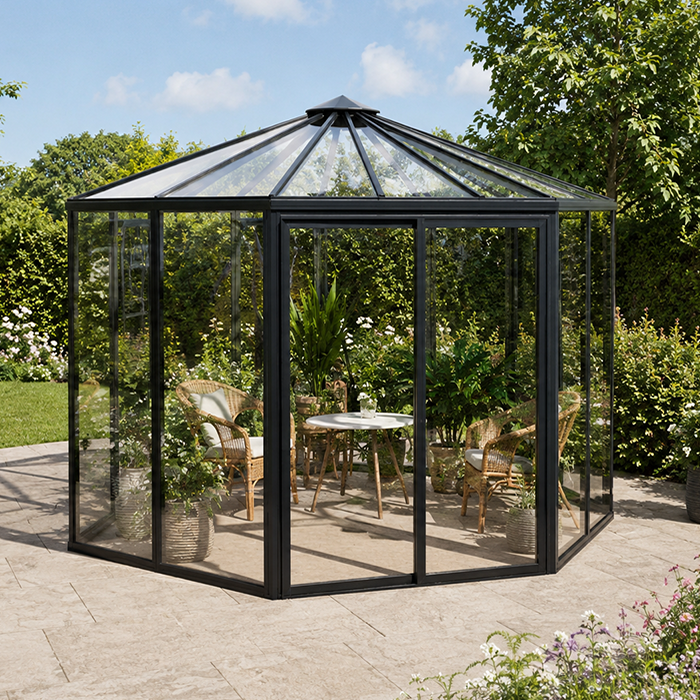
Record missed harvest weeks, purchases that filled the gap, and produce that was not used. If your household’s demand changed during the season, note that separately instead of attributing every difference to growing performance. You may also track meals that included any homegrown ingredient, but label that measure clearly: a meal containing greenhouse herbs is not a meal supplied entirely by the greenhouse. When considering the Pyramid-type greenhouse range, listed from 60 to 203 square feet, use your records to identify which crops deserve space in the proposed layout. Look at the reasons for shortfalls crop by crop. A crop that was never eaten calls for a different response from one that was popular but unavailable during certain weeks. This comparison helps you revise the planting plan without mistaking total harvest weight for household usefulness.
Use the results to choose an appropriate scale
A greenhouse is contributing well when its harvest matches foods the household wants, arrives during useful weeks, and can be cared for without turning gardening into an unwanted obligation. If the results fall short, identify the cause before assuming more space is the answer. The plan may need different crops, a more suitable calendar, or a smaller target. If the harvest exceeds demand, reduce or stagger plantings before expanding. A season of clear notes gives you a better basis for adjusting the plan than a guess about maximum possible production.
When comparing configurations, translate the listed size into areas for crops, paths, and anything else you intend to keep inside. The greenhouse with built-in storage has listed sizes from 59.4 to 302 square feet; check the selected configuration’s plan to understand how its storage arrangement affects the space you intend to grow in. For a configuration discussion, bring your proposed bed layout, crop calendar, and a list of items that need storage. Ask for the dimensions and configuration details needed to check that plan, rather than asking how many people the greenhouse can feed. Keep essential growing space separate from optional room for future expansion. That makes it easier to compare choices against your current food goals without treating every available square foot as a requirement.
Frequently asked questions
Can a greenhouse make a household self-sufficient?
Usually, a greenhouse is better viewed as one source of fresh ingredients than as a complete food supply. Its contribution depends on the crops you grow, the local growing season, usable space, and the care you can provide. Many households will still buy staples and foods that are out of season.
How do I estimate how much food a greenhouse will provide?
First estimate how many portions of each crop your household would actually use. Then record the portions harvested and eaten during the season, keeping unused or spoiled produce separate. This gives you a practical comparison without relying on a generic yield figure.
Can an unheated greenhouse provide food all winter?
Not reliably in every location or for every crop. A greenhouse can change plants’ exposure to the weather, but it does not remove seasonal limits such as reduced daylight or cold conditions. Plan around locally appropriate crop windows rather than assuming the structure will provide continuous winter harvests.
Which crops should I grow first?
Start with foods your household already eats often and that suit your local conditions. Consider how much attention each crop needs and whether you can use its harvest in regular meals. Try a small amount of unfamiliar crops before giving them a large share of your growing space.
How much time does greenhouse care take each week?
There is no dependable weekly figure for every greenhouse. Watering, checking plants, harvesting, pruning, and cleanup vary with the crop plan and season. Keep a task log that includes busy periods and travel plans so you can base your growing area on time you can actually provide.
A greenhouse can increase the homegrown ingredients in your household’s meals without supplying every item on the grocery list. Set targets from foods you already use, map the months when those crops can realistically be harvested, and reserve only the area and care time you can sustain. Then compare portions eaten with the original plan. The result may be a steady supply of a few favorite ingredients, a seasonal boost to several meals, or a clear reason to change the crop plan. Each is a more useful measure than assuming the greenhouse will make the household self-sufficient.
