
Can You Manage a Greenhouse If You Visit Only on Weekends?
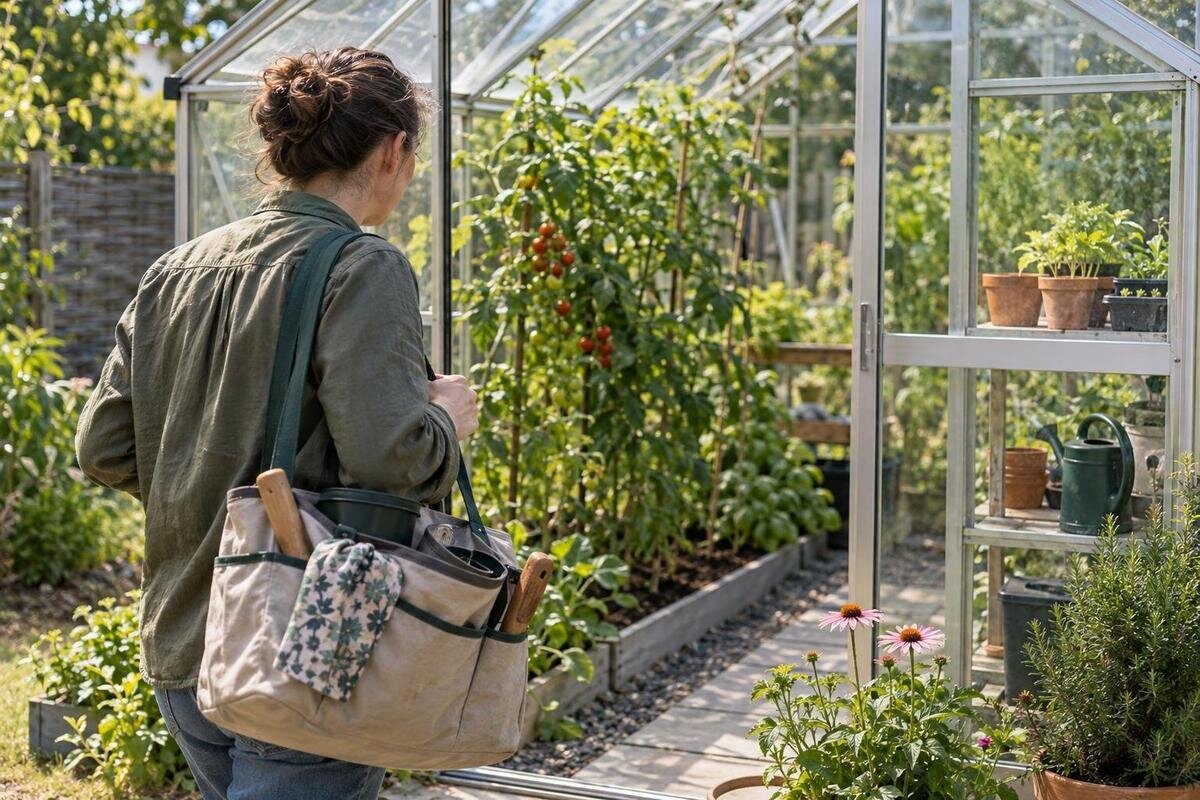
Weekend greenhouse planning
Yes, weekend-only greenhouse gardening can work, but the plan has to cover the longest likely gap between visits, not just a calm, ordinary week. The main risks are a water interruption, a ventilation problem on a hot day, and crops that need attention more often than your schedule allows. A timer or phone alert can reduce routine work, yet it cannot replenish a failed supply or open a stuck vent unless someone can act. Start with the crop list, likely weather, and realistic weekday backup; then choose the planting area and equipment around that plan.

The gap between visits is the real test
Weekend-only care is workable only if the greenhouse can stay within a manageable range through the longest gap you expect, not just a mild week. Sun, cloud cover, wind, season, crop stage, growing medium, and container size all affect how quickly conditions change. Several bright days differ from a cool, overcast stretch, and a holiday can lengthen the usual interval. Write down the actual days you expect to be away and consider a missed visit or delayed return, not only the normal routine. Conditions inside may differ from the outdoor forecast, so use your own observations as a baseline. This shows whether your plan depends on ideal weather.
Separate jobs by urgency. Routine pruning, tying, or tidying may wait for your visit; an irrigation interruption, blocked airflow, failed line, or sudden pest problem may not. Sunlight can raise greenhouse temperatures quickly, while young or container-grown plants may need closer moisture attention than established beds. Imagine a problem starting soon after you leave: if its first visible sign would be wilt or damage at your next visit, the gap is too long for that setup. Decide which tasks can safely wait and who, if anyone, can respond during the week.
Choose crops for their care requirements
Choose crops by their care pattern, not by a general easy-to-grow label. A manageable first plan uses a limited number of crops with broadly similar needs for moisture, warmth, support, and picking. Read the variety guidance and note how often you may need to tie stems, prune, hand-pollinate, remove damaged leaves, or harvest before produce overripens. Tomatoes and cucumbers can call for repeated tying or picking; some cool-season leafy crops may bolt as temperatures rise. These are not automatic reasons to avoid either group, but they are tasks to schedule. If a variety needs frequent attention, it may be a poor match even if it grows well in a greenhouse.
Start with fewer plants than the greenhouse can physically hold. Leave room to see leaves and growing media, reach irrigation points, and move a watering can or harvest basket without stepping around dense foliage. Crowding makes it harder to spot pests or uneven watering, and many small containers create more separate moisture checks than a few larger planting areas. The Lean-To Greenhouse listing ranges from 40 to 154 sq ft, a footprint reference rather than a promise about plant count or care time Lean-To Greenhouse size range. Draw a crop map showing what occupies each bed and when it may need attention.
Plan around usable planting space
Total floor area is not the same as productive bed area. Draw where beds, containers, benches, paths, door access, and staging space will sit before deciding how much to plant. Mark a route that lets you inspect the back of each bed and reach plants at both ends; blocked access makes checks for dry pockets, pests, or ripe produce slower and easier to miss. Leave a place for tools and harvested produce so you do not have to move containers to get through. Note whether crop supports and irrigation controls will stay accessible as plants grow. A clear aisle is working space, not wasted growing room.
Estimate the area you can actually tend, then choose a planting density and crop count that fit. The Limited Edition greenhouse listing spans 40.6 to 302 sq ft, which shows why the exact footprint and interior layout matter more than a model label alone Limited Edition greenhouse size options. A larger footprint does not require planting every corner; open space can make watering, monitoring, and harvest easier. Verify the footprint of the configuration you are considering instead of treating a listed range as one standard build. Plan around the area you can walk through and inspect, not all the floor space available.
Base the watering plan on observed demand
A weekly calendar is not a watering schedule. Demand changes with sunlight, airflow, crop size, root development, growing medium, container size, and how densely the space is planted. Check moisture in representative root zones, not just the surface or the first convenient pot, and note how needs change through different kinds of weather. A bed and a small container can respond differently under the same conditions. Check before watering rather than applying water simply because it is the day you visit, and keep notes across cool and bright spells. A setting that worked early in the season may not suit larger plants later.
If you use a timer, drip line, or another automated method, test it with the actual layout and plants before depending on it. Confirm that water reaches every bed and pot, that emitters are not blocked, and that no leak or empty supply goes unnoticed. The T-Model Greenhouse Orangery listing covers 178 to 323 sq ft, but floor area cannot tell you how much water your crop plan consumes T-Model Greenhouse Orangery size options. Base the schedule on observed use in planted areas, then recheck it as plants grow or conditions change. Observe the plants after the system runs, not only the display or setting.

Build a fallback for irrigation failure
Automation removes some repeated actions; it does not remove failure points. A water source can run low or be interrupted, a hose can shift, an emitter can clog, a timer can be set incorrectly, and some controls depend on power or connectivity. During each visit, inspect the source and the points where water exits, then look for both dry patches and unexpectedly wet areas. A system that works on the first day is not proven until you have watched it operate over the full interval you intend to leave it. Consider whether a failure would be visible remotely or only when you return.
Choose a fallback for the failure you want to cover. A reserve source based on observed use may help with a supply interruption, but it cannot water plants through a blocked delivery line. A separate watering method or a reliable helper may cover that different problem. Test how the backup operates and how you will know it is needed. When comparing the Pyramid-type greenhouse size options, which range from 60 to 203 sq ft, mark where the main supply and backup would sit without obstructing access. Keep the arrangement simple enough for another person to use, and allow for a delayed return when assessing the reserve.
Make heat and ventilation plans before you leave
Ventilation is time-sensitive because greenhouse temperatures can climb while you are away. Before leaving, check that vents, doors, or other airflow openings are not obstructed and that any automatic opener or controller is operating as intended. Its opening range, power needs, and behavior when a component fails depend on the specific equipment, so read the instructions and test it in ordinary conditions. A mechanism that opens under one condition is not a guarantee for every hot spell or greenhouse layout. Check that plants, shelving, and other items will not block the airflow path you are relying on.
Check the forecast before each long absence and have a weekday response for heat that exceeds what your setup can handle; an alert matters only if someone can act on it. The Prestige listing spans 40.6 to 302 sq ft, but airflow arrangements must be assessed for the exact configuration and equipment you intend to use Prestige greenhouse size range. Before choosing a model, ask what ventilation components are included, what needs to be added, and which limits the equipment maker specifies. Also decide how a helper would know if a control has stopped working. Do not infer ventilation performance from area or appearance.
Remote monitoring needs a response plan
Temperature or moisture monitors can shorten the time before you notice a change, but a reading is useful only when the sensor represents the plants at risk and a notification reaches somebody who can act. A reading near the door may not describe conditions at the far end or inside a densely planted bed. Place sensors according to the growing zones and compare them with direct observations during visits. Know what happens if a battery runs down, a connection drops, or an alert is missed; a monitor reports information but does not correct the cause. Test that notifications arrive before relying on them during an absence.
Set alerts for changes that call for a real decision, rather than every minor fluctuation, and agree in advance who receives them and what that person can reasonably do. While comparing Classic greenhouse size options, sketch the sensor locations alongside the beds and containers in your proposed layout. The listed range is 40.6 to 302.3 sq ft; the relevant monitoring question is whether separate growing zones need separate readings. Label sensors clearly so a helper can find the affected plants. Decide which alerts prompt an inspection and which simply record a trend, and test that the recipient understands the difference.
Adjust the plan as crops and seasons change
Do not set the routine once at planting and assume it will remain suitable. Seedlings and recent transplants may need closer attention than established plants; containers, fruiting plants, and beds at different stages can have different water needs. Harvest frequency also changes as produce matures. Keep a crop calendar for sowing, transplanting, training, expected harvest, and replanting, then review it before starting another batch. This helps show when watering, picking, or support work may become more demanding and prevents several high-attention tasks from landing during one absence. Revisit the plan as day length and temperatures change, not only after plants show stress.
Stagger sowing and transplanting where it suits the crop, and leave part of the planting area unused until you know what the routine can support. That gives you room to adjust after a hot spell, pest issue, or missed visit. If you are considering the greenhouse with built-in storage, ask for the layout of the exact configuration: the listed range of 59.4 to 302 sq ft does not establish how much space is available for planting versus storage. Use the crop calendar to decide when cleared beds can be replanted. Avoid starting a new batch just before an absence if its early care would exceed your available help.

Arrange human backup for high-risk days
If nobody can check on a weekday, be especially selective about crop stage, season, and length of absence. Hot weather, new planting, a recently changed irrigation setup, or a forecast of severe conditions deserves a plan beyond seeing how things look on Saturday. A neighbor or gardener does not need to take over the whole routine. Ask whether they can make a brief check, confirm water and airflow, and contact you if something looks wrong. Give instructions they can follow without guessing, and do not leave them responsible for work they have not agreed to do. Try the arrangement before relying on it during a critical week.
Agree on access and keep the contact's number, directions, and simple instructions somewhere both of you can find. Explain which signs warrant a call and what action the helper has agreed to take; do not expect them to diagnose plant problems. For a structure in the Large backyard greenhouse size range, listed at 506 to 753 sq ft, a labeled sketch can help someone locate specific beds, water controls, and monitoring points. Base the helper's route on occupied growing zones, including any area out of view from the entrance. Walk through the check together so you both understand its scope and know when the helper should contact you rather than attempt a fix.
A checklist for each weekend visit
On arrival, look before beginning routine work: note wilt, leaf damage, pests, uneven moisture, standing water, unusual smells, and whether vents and irrigation behave as expected. Check more than one location; the first bed you see may not represent the whole greenhouse. Before you leave, confirm the water supply and delivery, clear obvious airflow obstructions, harvest produce that should not wait, and record anything that needs attention before your next visit. Tie the final check to the forecast and crop stage instead of following a fixed list blindly. If a change you made has not worked, do not leave without a response plan.
A short log turns guesses into a plan: note the date, crop stage, weather, which areas needed water, what the system delivered, and any problem found. Record what you or a helper changed so you can trace differences on the next visit. Compare the notes with plant condition and adjust one part of the routine at a time. Start with a small planting and test it across several real gaps, including a less favorable week if possible. If the notes show repeated midweek stress, reduce the crop load or arrange a reliable check rather than hoping the interval will work.
Frequently asked questions
Can I leave a greenhouse unattended for a full week?
Sometimes, but a week-long gap is not automatically safe. The answer depends on weather, crop stage, containers versus beds, water supply, ventilation, and whether someone can respond to a problem. Test your setup through real intervals before relying on it.
What should I grow in a weekend-only greenhouse?
Choose a modest mix with similar watering, temperature, and harvest needs. No crop is hands-off in every greenhouse: tomatoes and cucumbers may need repeated tying or picking, while some cool-season leafy crops may bolt in heat. Check variety guidance and start with a manageable number of plants.
Will a watering timer prevent irrigation problems?
No. A timer can deliver water on schedule, but it cannot ensure that the supply stays available, every emitter remains clear, or each plant receives enough. Test the full layout, check root-zone moisture, and arrange a backup source or a person who can inspect it.
Do automatic vents make a greenhouse safe during a heat wave?
An automatic opener can help maintain airflow, but its operating range and behavior during a failure depend on the equipment. Read the instructions, test it, and arrange for someone to respond if conditions exceed what your setup can handle.
How can I tell whether my routine is manageable before planting heavily?
Keep notes on plant condition, watering, weather, and problems across several visits. Test the watering and ventilation plan through real gaps before increasing the plant count. If the notes show repeated stress before you return, reduce the crop load or arrange a weekday check.
Weekend access can be enough when the crop list, planted area, watering, and ventilation match the time you can give them. The useful test is not whether one calm week goes well, but whether the plan has been tried and backed up for less forgiving days. Keep the first planting within what your log shows you can maintain, and treat automation as support—not as a substitute for someone who can respond when conditions change.
