
Frost Protection or a Warm Greenhouse?
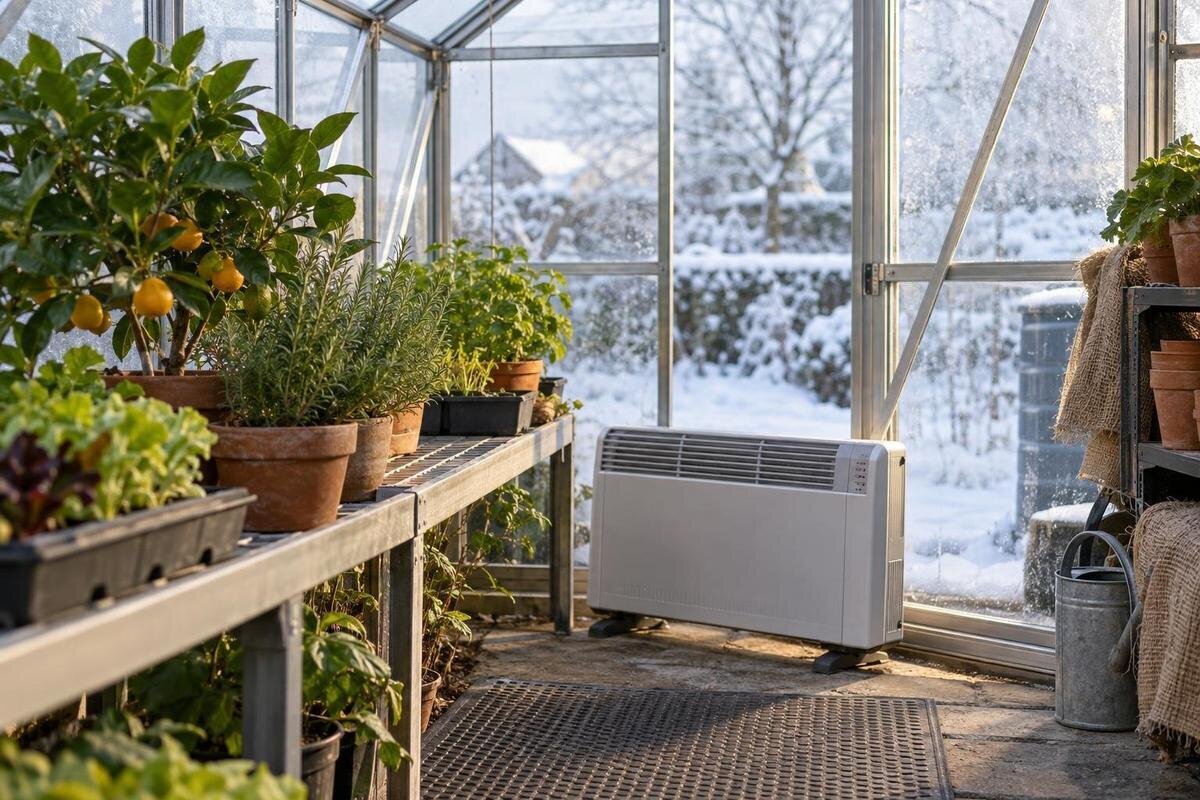
Greenhouse winter heating
Choosing a winter greenhouse target is really a choice about what happens to plants after sunset. Holding the air above a plant’s cold limit can protect a dormant collection; keeping the greenhouse warm for active growth is a broader commitment to temperature, light, ventilation, monitoring, and energy. Neither target is automatically better. Begin with the plants and the task, then compare the documented capabilities of the structure and equipment with the local cold conditions you plan for. That distinction prevents a frost setting from being mistaken for a year-round growing environment.

01
Frost protection and active growth need different targets
Frost protection is a minimum-temperature strategy: keep plants from falling below the cold limit that matters to them. It often suits a collection that is dormant or being held until spring, when winter growth is not the goal. That limit is not automatically 32°F. Cold tolerance varies by species, cultivar, growth stage, acclimation, and whether roots are in a pot or in the ground. Use plant-specific growing guidance to set a minimum for the least cold-tolerant plant you plan to keep in the space, or move that plant elsewhere. A generic above-freezing setting can still be too cold for some plants.
A warm winter greenhouse has an active-growth target. The aim is to maintain conditions in which chosen plants can continue to grow, flower, or produce, not merely avoid frost. A higher or steadier setting may be needed, but heat alone does not create good growing conditions: plants also need sufficient light, appropriate watering, and air exchange. Decide whether the greenhouse should hold dormant plants, grow winter crops, start seedlings, or keep tender containers growing before choosing a thermostat setting. When comparing layouts, the catalog’s lean-to greenhouse options range from 40 to 154 square feet. Map the space your plants need before choosing a configuration, including room to inspect them without leaving the door open for long periods.
Plan for outdoor lows and plant-level temperatures
Choose a planning low before comparing equipment. Are you protecting against an ordinary winter night, a forecast cold snap, or an unusually severe low? Those are different planning cases, and the indoor minimum will be tested most when outdoor temperatures stay low for hours. Use local weather records as context, not as a guarantee, and decide which cold conditions you realistically intend to cover. You do not need one universal temperature or a complex forecast model; you do need an explicit outdoor assumption and a plant-based indoor minimum. That makes comparisons between a frost-only setting and an active-growth setting more useful. Treat the risk of a power interruption as a separate contingency.
One sensor cannot represent every plant location. Temperatures can vary near glazing, doors, the floor, and a heater, while sunlight can warm a reading before the coldest hours arrive. Place a suitable thermometer or data logger near the canopy of the most vulnerable group, away from direct heater discharge and direct sun, and follow its placement instructions. In a tall space or one with several plant zones, compare readings at more than one representative location. Review overnight minimums and day-to-night swings over several cold periods. If the lowest reading misses your target, adjust the setup rather than assuming the thermostat display tells the whole story.
02
Use a frost-protection target for dormant plants
Frost protection can suit plants that are resting when winter growth is not required. List the plants, their documented cold limits, and any differences in how they are overwintered. A hardy, dormant plant may need a different minimum from a tender evergreen or a recently propagated specimen. Give container plants particular attention: a pot is exposed to greenhouse air differently from a root system in the ground, so do not assume the same conditions suit every plant. If their requirements conflict, move the most sensitive plants to a separate protected area rather than raising the temperature for the entire collection without checking what the other plants need.
Plan how you will respond when a forecast approaches your threshold. Confirm that the heater and controller are working, manage vents according to the weather and plant needs, and know where vulnerable plants can go if the system cannot keep pace. Grouping plants or using suitable covers may reduce exposure, but neither changes a plant’s actual cold tolerance. If a smaller protected zone is part of the plan, check that its enclosure and any covers suit the plants’ light needs and the equipment being used. The Limited Edition aluminum greenhouse range spans 40.6 to 302 square feet. Compare configurations against your overwintering collection, allowing room for mature containers, inspection, and moving plants out of the protected area when conditions change.
Choose a warmer target for winter growth
An active winter-growing plan needs a target matched to the crop and its stage, not the warmest setting the equipment can produce. Seedlings, leafy crops, citrus, and tropical foliage do not share one ideal schedule. Use crop-specific guidance and decide whether the goal is steady growth, flowering, or simply avoiding a setback. Consider nighttime minimums separately from daytime conditions: a bright afternoon can warm the greenhouse, while it may lose heat after sunset. Write down the acceptable range and the lowest short-term dip the plants can tolerate before comparing controls. That gives you a clearer basis for checking whether a heater’s documented operating range and controls fit the task.
Winter growth also depends on the amount of available light. In a dim location or during short days, maintaining a warmer temperature can increase plant demand without providing the light needed for suitable growth. Adjust the plant choice, growing schedule, or lighting plan instead of treating a higher thermostat setting as a complete growing system. Watering and ventilation need attention too: plants growing slowly may use water differently, and a closed, warm enclosure can become humid. The T-model greenhouse orangery range covers 178 to 323 square feet. For an active-growing layout, identify where crops will receive light and how much space their mature foliage will occupy; floor area alone does not tell you how much productive growing space a configuration provides.

03
Separate plants with conflicting winter needs
Mixed collections often make the target harder to choose than the heater. Group plants by their minimum temperature and by whether they should remain dormant or keep growing. If one group needs warmth while another benefits from a cool rest, heating the whole greenhouse to the warmer target may be unnecessary for the cooler group and more expensive to operate. A simple map of benches, shelves, and floor pots can show whether the groups can be separated without blocking light or access. If not, consider which plants can be moved or overwintered elsewhere. The best whole-space target is not necessarily the best choice for every plant.
Zoning helps only when temperatures are measured and controlled where the plants sit. A curtain, partition, or small enclosure may reduce air mixing, but the result depends on its materials, fit, airflow, and heater arrangement; it is not a guaranteed thermal barrier. Leave practical access for inspection, and follow the equipment manufacturer’s clearance requirements when planning barriers and plant positions. The catalog’s pyramid-type greenhouse options range from 60 to 203 square feet. If you are considering separate warm and cool groups, use the exact configuration’s layout to check whether both groups will fit with accessible walkways. Each group needs a representative temperature reading, and the division must not obstruct vents or prevent you from reaching plants that need attention.
Estimate the cost of the target, not just the heater
A higher indoor target increases the temperature difference between inside and outside during cold weather, so it generally increases heat loss and the heat the system must supply. The amount depends on the enclosure, weather, wind exposure, air leakage, glazing, insulation, ventilation habits, and how long you maintain the target. An estimate based on a mild winter or a perfectly sealed structure can be misleading. To compare targets, hold the outdoor-weather assumptions constant and change only the indoor target. Note which construction and operating assumptions are uncertain. This is a planning comparison, not a promise about heater capacity or a seasonal bill.
To turn an energy-use estimate into a budget, use the rate on your own utility bill and the selected heater’s documented electricity or fuel consumption. Runtime matters: rated consumption during operation is not the same as consumption over a full winter day. For fuel-burning equipment, a heat-output estimate also needs a documented efficiency assumption before it can be converted to fuel use. If storage matters to your layout, compare the greenhouse range with built-in storage, listed at 59.4 to 302 square feet. Confirm how the stated area is divided between storage and growing space, and whether the proposed heated area includes both. Keep the budget as a range when runtime, enclosure performance, or winter conditions remain uncertain.
04
Match controls and backup plans to the target
Frost prevention and active growth can call for different control behavior. For a minimum-protection goal, a low-temperature alarm and a controller that responds before plants approach their documented limit may matter more than tight daytime uniformity. Active growth may call for a steadier day-and-night range. Check the thermostat’s sensing method, adjustable range, and switching differential—the difference between its turn-on and turn-off temperatures—in the published documentation. That differential affects how far temperatures can fluctuate around the setting. Confirm compatibility with the selected heater and check its documented suitability for greenhouse conditions; a room-heater label does not establish safe use in a damp growing space. Have a qualified professional review electrical installation where needed.
Controls cannot prevent every failure. Consider a tripped circuit, fuel interruption, sensor fault, open door, or unusually cold night: how quickly would you know, and where could the most vulnerable plants go? A remote alarm can notify you of a problem, while an independent minimum/maximum thermometer records temperatures for later review. Neither supplies replacement heat. Any backup heating plan needs its own suitability and installation review, including whether it depends on the same power or fuel supply as the primary system. Test alarms before winter and compare sensors with a reliable reference. When reviewing Prestige greenhouse configurations, listed at 40.6 to 302 square feet, include access for monitoring and plant removal in the layout rather than treating controls as an afterthought.
Manage daytime sun, ventilation, and humidity
A winter heating plan has to account for daytime gains as well as nighttime losses. Sun can raise interior temperatures even when outdoor air is cold, so a nighttime setting alone does not protect plants from a warm, bright afternoon. Monitor maximums as well as minimums, and understand how vents or doors are meant to be operated. If you are away during the day, decide how the greenhouse will avoid overheating without losing the nighttime protection you need. Confirm any automatic ventilation option and its operating range in the product documentation instead of assuming that a vent is included or automated.
Ventilation can help manage moisture, but exchanging warm indoor air with cold outdoor air can increase the heating load. Use crop-specific guidance to balance air exchange with your temperature target rather than keeping the greenhouse shut around the clock. Air circulation within the space is useful, but it is not the same as exchanging air with the outdoors. Observe condensation and damp surfaces, and check that circulation is not blocked by stored items or dense plant groupings. The large backyard greenhouse range is listed at 506 to 753 square feet. When planning a larger collection, identify where you will monitor temperature and moisture, how you will reach ventilation controls, and whether one area could remain damp while another appears satisfactory.

05
Check the greenhouse specifications against winter use
Evaluate an enclosure intended for winter heating using documented details, not appearance or model name. Confirm what glazing is supplied in the exact configuration, how doors and vents operate, whether compatible insulation options are offered, and which parts are included. Ask for performance information only when it can be substantiated; the presence of glass or aluminum in a name is not a heat-loss rating. Also consider whether the site allows practical access for utilities and routine monitoring. A qualified professional can assess the site and installation where appropriate.
Compare layouts with your intended plant collection in mind. A smaller planting area may be easier to monitor because there may be fewer zones, but heat use still depends on exposed surfaces, leakage, insulation, and the target; area alone cannot settle the comparison. The Classic aluminum greenhouse range spans 40.6 to 302.3 square feet. Use the dimensions of the configuration you are considering to sketch benches, floor containers, and walkways, then identify which areas actually need winter protection. A collection that fits in summer may need a different arrangement when plants are grouped for overwintering. Request the exact enclosure specifications so the comparison reflects both the usable layout and the construction, rather than the catalog’s overall size range.
Make a winter plan you can sustain
Before committing, write down three things: the cold limit or growth range for each plant group, the indoor target you intend to maintain, and the cold-weather period you want that target to cover. Then compare a frost-protection setting with an active-growth setting using the same outdoor-temperature assumptions. Note the specifications you still need, such as glazing, insulation, ventilation, heater control range, and energy use. This makes the trade-off clearer: the warmer plan may support a different use, but it also brings greater heat demand and more dependence on equipment and monitoring.
Once the greenhouse is in use, log actual overnight lows and daytime highs, observe how conditions change, and compare the readings with the plants’ published requirements. Revisit the target when the plant mix or season changes rather than leaving one setting in place by habit. If the structure or heater cannot maintain the target under the conditions you planned for, move vulnerable plants or revise the goal instead of assuming a colder threshold is safe. The useful target is the least demanding one that still serves your purpose and stays within the plants’ needs.
Frequently asked questions
Is 32°F a safe greenhouse target for every plant?
No. Some plants need a warmer minimum, while others tolerate colder conditions. Use guidance for each plant and its growth stage, and measure temperatures near the plants rather than relying only on a thermostat reading.
Will plants keep growing at frost-protection temperatures?
Not necessarily. Frost protection is usually intended to hold plants through cold weather, not promote growth. Active growth also depends on the plant’s temperature needs and access to suitable light.
Can one greenhouse hold both warm and cool groups?
Sometimes, if the groups can be separated and each area can be measured and controlled appropriately. A partition alone does not guarantee different temperatures. Moving one group may be the more practical choice.
Does a thermostat setting equal the temperature plants experience?
No. A sensor near a heater or in direct sun may read differently from the air around the plants. Compare overnight minimums at representative plant locations, especially for the most vulnerable group.
How can I compare the running cost of two winter targets?
Use the same outdoor-weather assumptions for both targets, then compare realistic heat-use estimates with the heater’s documented energy use and your local utility rate. Keep the result as a range if runtime or heat loss is uncertain.
Choose frost protection when the job is to hold dormant plants through cold weather; choose a warmer target when winter growth is worth the additional heat, light, monitoring, and operating effort. In either case, plant-specific limits and measured overnight temperatures matter more than an optimistic thermostat setting. A sound winter plan matches the target to the plants, the greenhouse’s documented capabilities, and the conditions you are prepared to maintain.
