
Greenhouse Black Friday Bundles: Which Accessories Are Worth Buying?

Seasonal greenhouse buying guide
Black Friday can make a greenhouse bundle look like a simple way to get a complete setup, but a package is useful only when its add-ons fit the greenhouse and your routine. The key question is not how many accessories are included; it is whether each one solves a real task, fits the exact model, and can be installed and used as intended. This guide considers shelving, ventilation, shade, watering, heating, and anchoring, and explains how to compare package contents without assuming a discount or compatibility claim.
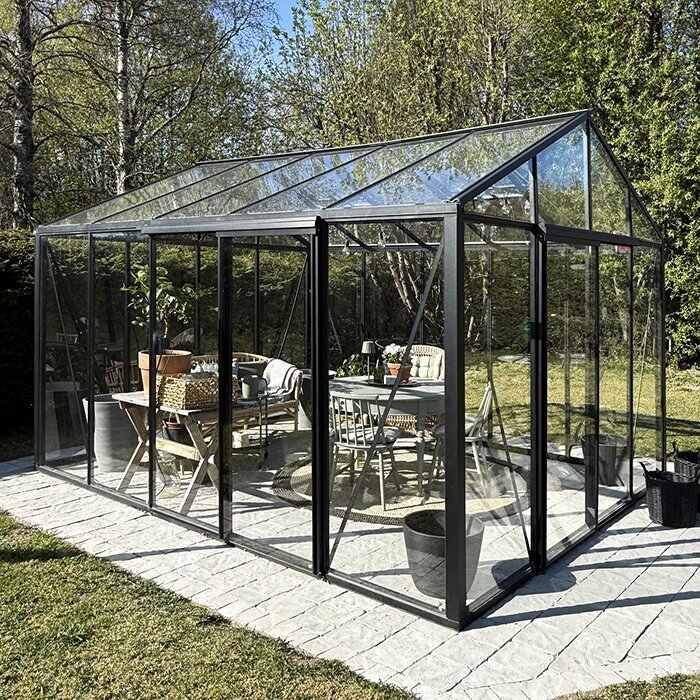
Before you buy 1
What a greenhouse bundle includes
Treat “bundle” as a label, not a parts list. A seasonal listing may combine a greenhouse and accessories, present selected add-ons, or show items that are not included with the base order; the exact configuration is the one stated in the product details and order summary. Separate the structure from every accessory and note each item’s name, quantity, and whether it is included, optional, or sold separately. Read inclusion language closely. If photos show shelves or equipment, do not assume the image proves they are part of the order. This inventory helps you avoid paying twice for something you own and reduces the chance of missing an item you expected.
Look for a clear greenhouse model and accessory name, plus any stated fit limitations. Labels such as “greenhouse shelf” or “vent opener” do not establish compatibility across different frames, opening types, or dimensions. If the listing does not explain the pairing, ask the retailer to clarify before ordering; do not rely on a similar-looking model or a product photo as a fit test. Keep the response with your order notes. Bundle value is easier to judge once the contents and compatibility are specific, rather than while the word “bundle” is doing the work. Confirm that the answer applies to the exact items in your cart.
Choose accessories around your growing routine
Before comparing accessories, write down what you plan to grow, when the greenhouse will be used, and which jobs take the most time: starting seedlings, moving trays, watering containers, monitoring conditions, or keeping tools accessible. Name the task each add-on is supposed to improve. A shelf may suit a different workflow from a bench, while a timer helps only if it matches both your water setup and routine. Keep the list grounded in your site and available time. The package with the longest accessory list is not automatically the one that will make growing easier. Record whether you’ll be present often enough to use any automation; convenience matters only if it changes a job you actually do.
Rank each item as needed for the plan, useful only under a particular condition, or easy to defer. A condition-dependent choice may hinge on the site’s sun exposure, seasonal weather, access to a power source, or how often you can visit. Deferrable accessories are those whose benefit is hard to judge before you have used the greenhouse. This simple ranking separates practical requirements from attractive extras and makes bundle comparisons less vulnerable to a seasonal headline or a long feature list. It also gives you a reason to leave an accessory out instead of treating every option as part of an ideal setup. Give each item one reason in writing; if you cannot name the task, do not count it as value yet.
Before you buy 2
Shelving and benches: plan working space and fit
Shelving, benches, and potting surfaces can add function, but they also take up floor area and shape how you move among plants. Sketch the arrangement with doors, vents, and regular access routes in mind. Note the footprint and working height you want, and leave enough clearance for greenhouse openings and the tasks you perform. If a bundle lists several shelf sections, check their number and intended placement rather than assuming every wall can take them. A simple scale drawing or taped outlines on the planned site can reveal a crowded layout before you pay for accessories. Include space for trays, watering, routine cleaning, and temporary work—not just plant containers. Think about how plant height and tray placement may change as the season progresses.
Check the stated dimensions, attachment method, and model compatibility; do not infer them from a photograph or from the word “aluminum.” If you are considering the aluminum classic greenhouse, confirm shelf or bench fit against that exact model’s listing and instructions; the name alone is not proof that a particular add-on will fit. Measure the pots, trays, or work surface you already own, too. That comparison can show whether a shelf depth or work height suits what you actually handle. If the fit information is missing, ask before buying rather than planning around dimensions you have not verified.
Ventilation and shade: match each accessory to the site
Ventilation and shade accessories solve different problems, so compare function rather than counting both as generic climate-control extras. An automatic opener may reduce repeated manual attention to an opening, while a fan is a separate powered device with its own requirements. Check which opening type an opener is intended for, whether the add-on is listed as compatible with the exact greenhouse, and whether it requires power or other parts. For shade materials, identify the area covered, attachment method, and whether the material can be adjusted or removed. Specific fit details matter more than a broad claim that an accessory keeps conditions comfortable.
Consider how the site changes through the day and across the growing season. Direct sun, nearby trees, and surrounding structures can shift where shade falls, so an accessory chosen for one season may not serve the same role year-round. Verify the coverage and attachment details against the specific greenhouse, and think about whether the chosen setup leaves its openings accessible. If a shade product lists a coverage area, compare it with the space you intend to cover rather than relying on its name. If you are comparing add-ons for the aluminum lean-to greenhouse, check each item’s stated fit against that exact model; the name does not confirm compatibility or included extras.
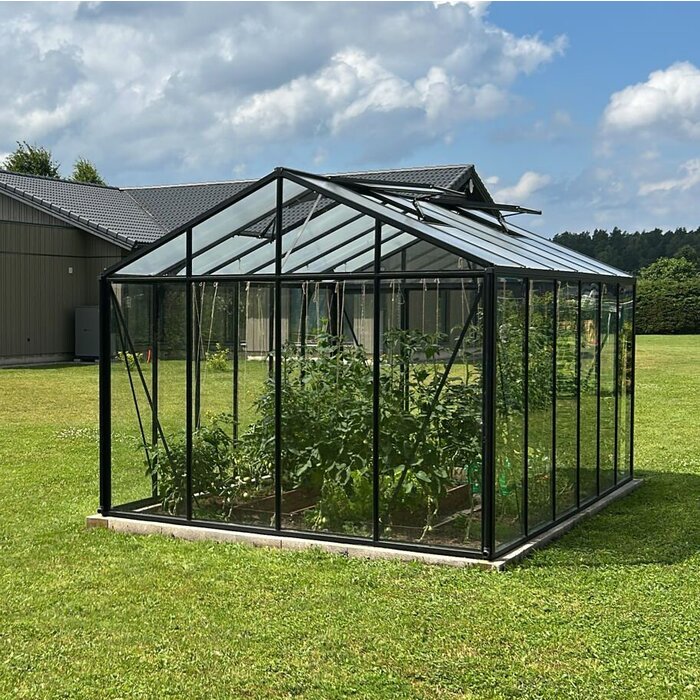
Before you buy 3
Watering add-ons: check the complete setup
Watering add-ons range from hose fittings and drip components to timers or trays that hold moisture. Their usefulness depends on how you already supply water, the number and placement of containers, and whether you want a steadier routine or simply easier reach. Before adding a kit, list its parts: a timer alone may not include tubing, connectors, emitters, or other pieces needed for your setup. Check required connections and compatibility, and make sure you can reach and maintain the equipment after shelves and plants are in place. Automation does not remove the need to observe plants and adjust care as conditions change. Factor in any recurring tasks, such as checking flow or refilling a reservoir, if those parts are part of the setup.
Map how water will reach each growing area, including spots that are awkward to reach by hand. Think about where hoses or tubing would run and whether they interfere with walking, doors, or work surfaces; an accessory must work with the layout as well as the water source. Do not assume a watering add-on is included just because it appears alongside a greenhouse in a listing. For the aluminum limited-edition greenhouse, check the exact product details and the irrigation accessory’s own fit information before you buy. If the water source or setup is not clear, resolve that first instead of buying a timer on the assumption that it solves the whole watering task.
Heating and powered accessories need extra checks
Temperature-related accessories deserve a deliberate check because a thermometer, vent opener, fan, thermostat, and heater do different jobs. A thermometer helps you observe conditions; heating or powered equipment introduces additional compatibility and operating questions. Decide whether you need to monitor conditions, adjust ventilation, or add heat before placing any of these items in a bundle. For crops with defined growing requirements, use reliable crop-specific guidance to plan your setup rather than selecting equipment from a broad label such as “season extender.” Compare the equipment’s stated use with the greenhouse and your intended growing period. Do not assume an accessory is suitable simply because it is marketed for greenhouse use. Consider who will monitor it and whether its use justifies the space it occupies.
Check the equipment’s instructions, its stated fit, and whether it needs a power connection or professional installation. Electrical and heat-producing equipment should be assessed for the exact greenhouse and installation context; ask a qualified professional when the requirements are unclear. Do not improvise a connection or treat a bundle description as a safety assessment. If a heater would be used only occasionally, weigh that need against its cost, maintenance, and the space the equipment occupies. When considering accessories for the Garden View T greenhouse, verify their compatibility and inclusion on the relevant product pages; the model name alone establishes neither.
Before you buy 4
Base and anchoring accessories must match the model
Base and anchoring accessories need a model-specific check because they relate to how the greenhouse is set up. Review the manufacturer’s instructions for the exact greenhouse, then see whether any listed base or anchor components are included, optional, or required separately. Check that the surface or base you plan to use is addressed by the product information; a generic kit should not be treated as a universal substitute. If the instructions or site conditions leave structural questions unanswered, consult a qualified installer or another relevant professional instead of choosing hardware by appearance. Avoid improvising combinations of parts from different models unless the manufacturer explicitly confirms they work together.
Look closely at each line item: exact product name, quantity, fasteners or other parts listed, and any exclusions. Confirm what the greenhouse instructions call for before ordering, and do not assume a bundle includes every component needed for the planned setup. A photo and broad category label are not enough to confirm a fit. For the Pyramid Greenhouse Bloomcabin Oasis listing, review the product information for any base or anchoring accessories; do not infer a foundation requirement, included hardware, or site suitability from the model name. Get professional guidance if those questions remain unresolved.
Storage add-ons: check what is already included
Storage accessories can solve an everyday problem, but first check what storage is already part of the greenhouse or order. Compare a separate shelf, hook, cabinet, or tool holder with included items and the supplies you own. Check dimensions, access, and any stated load or attachment limits in the product information; if a limit is not stated, do not guess. A bin that blocks a vent or a shelf that crowds the door can make a tidy-looking plan impractical. Think through how you will retrieve tools, bags, and trays without moving plants or shifting other equipment. Consider whether the storage remains useful as your crop mix changes, and whether it stays accessible when doors are open.
If a greenhouse name mentions built-in storage, treat that as a reason to read the specifications, not as evidence of its size or contents. On the aluminum greenhouse with built-in storage listing, compare the actual included features with any separately bundled shelving or storage add-on; the title alone does not say what is included or how much space it provides. Check each kit’s pieces and quantities to avoid duplicates, and ask about unclear line items. This is especially useful when a bundle combines a greenhouse with accessory packs whose names sound similar but refer to different parts.
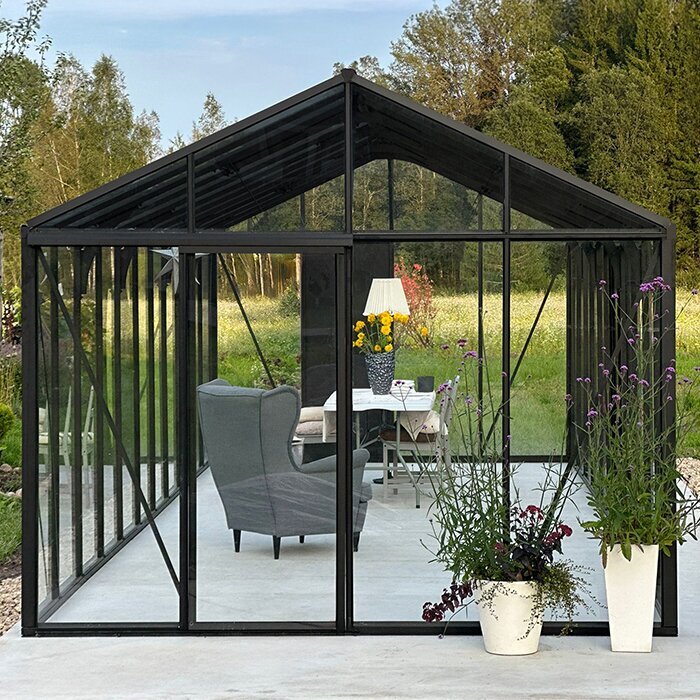
Before you buy 5
Compare bundle value without assuming a saving
To compare a Black Friday bundle with separate accessory purchases, first make the contents match: the same greenhouse, accessory models, quantities, and any components needed to use them. If the current bundle and individual prices are all shown, compare like with like; do not infer a saving from the word “bundle” or a crossed-out price alone. If separate prices or a full component list are unavailable, judge the package by the usefulness and fit of each add-on, not by an imagined total. Focus on the actual terms shown for the particular package rather than applying a discount expectation to every seasonal listing.
An accessory you will not use is not better value merely because it appears in a package. Give each item a quick rating: essential to the plan, useful for a named reason, or not needed now. Bundles make sense when the included parts all have a role, fit the chosen greenhouse, and do not duplicate equipment you own. If only one accessory matters, compare whether that item can be purchased separately before accepting extras that need storage or attention. Apply the same test to the Bloomcabin Prestige Premium greenhouse and any other model: verify the actual package contents rather than reading accessories into a product name.
A final checklist for a greenhouse bundle
Before ordering, make a comparison record for each shortlisted bundle: greenhouse model and variant, accessory name and quantity, explicit compatibility, dimensions or coverage, installation or power needs, and which parts are included versus optional. Add the task you expect each item to solve and where it will go. Keep answers about fit tied to the exact item or variant in your cart, not just to a general greenhouse category. The record makes omissions easier to spot and helps you compare packages without relying on memory. If two packages appear similar, list their differences side by side rather than comparing marketing names. It can also show which question needs clarification before you complete the purchase.
Use that record to decide what belongs in the first order and what can wait. Accessories essential to the planned layout or needed from the start deserve attention first; items tied to an uncertain future crop, site condition, or care routine can be reconsidered when the need is clearer. When reviewing the Bloomcabin Orangerie, for example, check each product page for included items and compatibility rather than assuming a bundle is attached to the model. A focused purchase leaves room to add a clearly useful accessory later without paying for gear that has no job in your plan.
Frequently asked questions
Are accessories shown in a greenhouse bundle photo automatically included?
No. A photo may show optional extras or items used to illustrate a setup. Check the written package contents and order summary for each accessory and its quantity, and confirm whether it is included or sold separately.
How can I check whether an accessory fits my greenhouse?
Match the accessory’s stated compatible model and dimensions to the exact greenhouse variant, then review its instructions. If the listing is unclear, ask the retailer for model-specific confirmation before ordering instead of relying on a similar-looking product or photo.
Which greenhouse accessories should I prioritize?
Start with the tasks in your growing plan. Work surfaces, watering equipment, ventilation, shade, temperature monitoring, or anchoring may be relevant in different setups. Prioritize items with a clear purpose and confirmed compatibility; there is no universal list for every greenhouse.
Is a Black Friday greenhouse bundle always cheaper than buying accessories separately?
Do not assume so. If current prices are shown, compare the same greenhouse, accessory models, quantities, and necessary components. When the contents or prices differ, judge each add-on by its usefulness and fit rather than treating the word “bundle” as proof of a saving.
Should I add a heater or powered accessory to a bundle?
Only if it suits your growing plan and the exact greenhouse. Check stated compatibility and installation requirements. For unclear electrical or heat-producing equipment needs, consult a qualified professional rather than relying on a broad label such as “greenhouse heater.”
Greenhouse accessories earn a place in a Black Friday bundle when they solve specific jobs, fit the exact model, and suit the space and routine you have planned. Shelving affects access; watering, ventilation, heat, and anchoring raise different compatibility or installation questions. Compare itemized contents and current prices only when they are clearly stated, then separate first-season essentials from uncertain extras. A smaller, well-matched package can be more useful than a longer list of add-ons; choose according to the greenhouse plan you actually intend to use.
