
Greenhouse Power Outages: A Frost Protection Plan
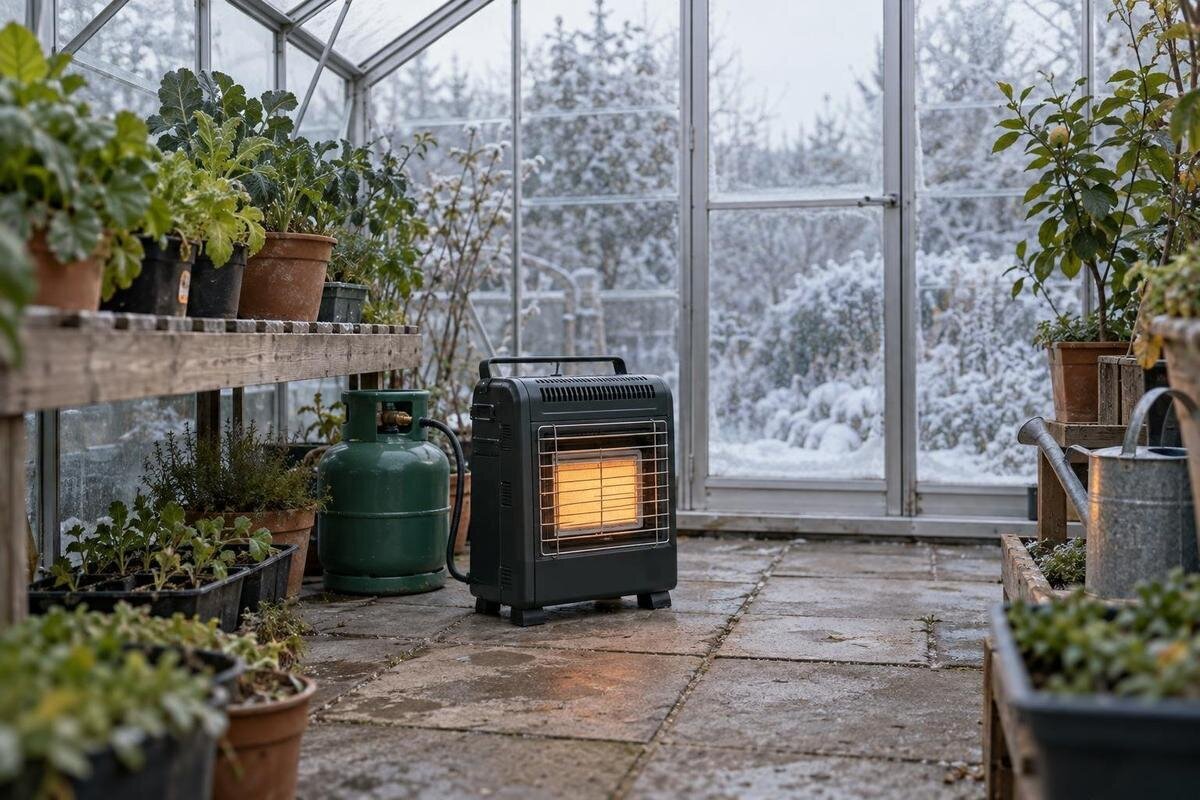
Greenhouse outage planning
A greenhouse can lose heat while a winter storm is still underway, and its temperature after a power outage depends on the structure, outdoor conditions and plants inside. No single countdown fits every greenhouse. A useful frost-protection plan cannot promise a frost-free result; it can detect trouble early, clarify which plants need attention first, identify safe backup equipment and assign someone to act. Build it around the actual structure and heater, then test the alerts and response before a cold night makes a failure urgent.

How quickly a greenhouse cools after a power outage
Do not use a forecast low or the heater thermostat as a substitute for greenhouse temperature data. Heat escapes through glazing and air leaks after power is lost; the rate also depends on outdoor temperature, wind, dimensions, ventilation, insulation, starting temperature and warmth stored in soil or other materials. A general rule of thumb cannot reliably say when frost will reach a particular bench. Record greenhouse and outdoor readings on cold nights, noting door and vent positions, sensor location and whether the heater ran normally. Those observations help you plan, but do not guarantee what will happen during a colder or windier outage. A simple log across several cold conditions is more useful than a single reading.
Document the heated footprint, glazing, known leaks, any verified insulation or ventilation features, heater model and thermostat setting. A model name alone does not establish a heating requirement: the large backyard greenhouse options listing covers sizes from 506 to 753 square feet. Use the exact size and configuration when a qualified professional reviews heat loss or backup capacity. Floor area is useful context, not a measure of insulation, heater performance or how long temperatures will remain safe. Distinguish confirmed specifications from unknowns in your notes; do not fill gaps with assumptions about another model. For an estimate, ask the provider to state the assumed outdoor temperature, wind conditions and ventilation position rather than giving a bare indoor target.
Prioritize plants by their actual cold limits
Make a plant inventory before choosing an emergency trigger. For each group, record the species or cultivar, growth stage, whether it is in a pot or bed, the lowest temperature it can tolerate for the expected duration, and where it could be moved. Verify cold limits using reliable plant-specific references; a broad hardiness label or a memory of last winter may not describe a young plant, new growth or a recently rooted cutting. Separate a plant’s preferred growing temperature from its cold limit, and make the information easy for another person to find. Note which plants to protect first if heat cannot be restored quickly.
Sort plants into practical groups: protect immediately, protect if the outage continues, and leave in place unless conditions worsen. Tender seedlings, cuttings and plants with little cold tolerance often belong near the top, while established cool-season crops may be lower priority; confirm the needs of the plants you actually grow. Container roots can be more exposed than roots in a bed, so mark pots that can be moved and choose a suitable destination in advance. A cold garage or porch is not automatically safe; check its likely temperature and light. Keep the first actions simple enough that a helper can carry them out without knowing every plant by name.
Set temperature alerts early enough to respond
Use a low-temperature alert that reaches someone who can act, not just a display mounted by the heater. Place the main sensor around the height of the plants you most need to protect, away from direct heat and other spots that can skew readings. A second sensor or min/max thermometer in another cold-prone area helps show whether one reading represents the greenhouse. Check batteries, alert routing and audible alarms before winter, and repeat the test after changing a router, phone or monitoring service. Where available, pair the temperature alert with a separate power-loss notification, but do not assume a Wi-Fi alert will work during an outage; keep a backup way to contact a helper.
Set the alert above the verified minimum for the most vulnerable plant group by a margin that gives you time to travel, move pots or start an approved backup. There is no universal number: the warning needed depends on how quickly your greenhouse cools and how far away help is. A Classic aluminum greenhouse listing ranges from 40.6 to 302.3 square feet; choose the exact footprint before deciding which crop zones need sensor coverage. A product’s area range does not show temperature uniformity, so check readings in more than one location during cold weather. Make sure the person receiving alerts knows what temperature requires action and who to call if they cannot respond.
Use a clear sequence when power fails
Post the response order at the greenhouse and share it with whoever may be on call. First confirm the outage and greenhouse temperature, using a separate reading if possible; note the time and contact the utility or building contact for an estimated restoration window. Check the heater only through normal controls and visible indicators. Do not open electrical panels, bypass a thermostat or repeatedly reset equipment. If the outage is limited to the heater rather than the whole property, treat the temperature alert just as seriously and arrange qualified service rather than waiting for plants to show damage. Include phone numbers and the location of equipment manuals so a helper does not have to search online.
Next, reduce avoidable heat loss without creating a new hazard: keep exterior doors closed, limit trips in and out, and use the normal winter vent position only if it is compatible with the heater’s instructions and any required combustion ventilation. Move the highest-priority containers to the preselected safe location or protected zone. The Lean-To Greenhouse listing spans 40 to 154 square feet, but the exact selected layout—not the model-family name—determines where a helper can work without blocking access or equipment. Keep a clear route to doors and the plants that may need to be moved, and do not improvise with materials that could obstruct a heater or vent.

Protect priority plants without relying on covers alone
Physical covers may buy time for a small priority group, but they are not a substitute for heat or a guarantee against frost. Use plant covers supported so they do not crush foliage, and keep them well clear of heaters, lamps and any flame. A smaller protected area around a bench may be easier to cover than an entire greenhouse, but it still needs safe clearances and monitoring; do not block an appliance’s intake or required airflow. For container plants, insulating around the outside of pots can reduce root exposure, although the result depends on the materials and conditions. Check in advance that a cover will not obstruct a door, vent or temperature sensor.
Measure each planned cover area and identify which plants fit under it; a greenhouse’s advertised floor area is not a measurement for a plant cover. The limited-edition aluminum greenhouse sizes are listed from 40.6 to 302 square feet, so the selected configuration matters when mapping benches and protected groups. That range does not specify the interior measurements needed to cut or fit a cover. Keep covers, fastening supplies, gloves and a flashlight together, and make sure a helper can reach them without stepping over cords or fuel equipment. Practice putting the cover in position before an emergency, then continue to monitor the covered plants during an outage.
Choose backup heat from documented specifications
Select a backup system by its documented use and load, not by a label such as portable or high-output. For an electric heater, verify its rated running demand, any startup demand, compatible circuit requirements and whether the controls restart as intended when power returns. For a battery or generator, confirm that its output supports the heater plus any controls, fans and alerts you intend to power. Output capacity and operating time are separate questions: a battery must also have enough usable stored energy for the intended load, and published runtime may reflect a different load than yours. A battery that keeps a thermometer online may not operate a heater. Have a qualified electrician assess fixed wiring, transfer equipment and any connection to a building circuit.
Any capacity or runtime estimate also needs clear heat-loss assumptions: the exact greenhouse configuration, local outdoor conditions, glazing, air leakage, ventilation setting and desired indoor range. Ask the heating professional to identify those assumptions and the heater’s documented output rather than promise a temperature. For example, the T-Model greenhouse listings range from 178 to 323 square feet; that area is not a heater specification. Compare expected energy use with your actual local electricity rate or fuel cost, and treat the result as an estimate for the stated conditions—not a guaranteed winter bill or outcome. Use documented equipment data rather than an unverified claim about the area a heater can warm.
Keep generators and fuel-burning heaters safe
Combustion equipment and generators create hazards that cannot be solved by opening a door in an emergency. Never run a portable generator inside a greenhouse, home, garage or other enclosed space; place and operate it outdoors exactly as its manufacturer directs and away from openings where exhaust could enter occupied areas. Carbon monoxide is odorless, so smell is not a warning system. Never use a barbecue, camp stove, candle or household combustion appliance as a greenhouse heater. Choose a heater only if its manufacturer explicitly approves it for the intended environment, fuel and ventilation conditions.
Keep fuel and equipment arrangements consistent with manufacturer instructions and applicable fire-safety guidance; do not assume a storage nook is suitable for fuel or a running appliance. The greenhouse with built-in storage product name identifies a storage configuration, but does not approve storing fuel there or operating a heater in that space. Greenhouses can be damp or exposed to splashes, so check the equipment’s environmental rating and clearances before buying. For a fixed heater, fuel line, generator connection or permanent electrical backup, ask a qualified installer how it must be located and connected. Do not improvise with extension cords, adapters or modified controls during an outage.
Plan for an outage that lasts longer than expected
Plan for more than one restoration estimate. Utility updates can change, so decide what the helper does if power returns quickly, remains off through the night or is still unavailable after the first backup supply is exhausted. During a brief interruption, monitor conditions and reduce avoidable heat loss. If temperatures continue falling, move priority plants or activate equipment approved and arranged in advance. For a prolonged outage, identify which plants can remain in the alternate location and which lower-priority plants may have to stay behind. Set a time to recheck, but let measured greenhouse temperature and plant limits—not a clock alone—drive escalation. Set a stop condition as well: smoke, a fuel leak or damaged equipment means keeping people away and seeking qualified help.
Write down who can enter the greenhouse, who can move plants, how to reach a backup helper, and where manuals and fuel or battery status are recorded. Keep a paper copy in case phone service or home internet is unavailable, and do not build the plan around an unconfirmed delivery or repair time. The Prestige greenhouse size range covers 40.6 to 302 square feet; the exact configuration helps define how many benches and plants the response plan covers, but does not indicate backup runtime. If safe heat cannot be restored, prioritize moving plants to a known suitable space rather than improvising another appliance.

Test the alert and rehearse the response
Test the plan on a mild day, not by deliberately cutting power on a freezing night. Use the sensor’s test function, check that each assigned person receives the notice, and compare the alert reading with a second thermometer. Walk the route to priority plants, confirm doors and covers can be handled, and check that manuals, status displays and approved supplies are available. Have the person who may be on call practice the sequence; unclear steps or missing contact details can be fixed while conditions are safe. If a test involves changing circuits, connecting a generator or operating combustion equipment, ask a qualified professional to conduct or supervise it.
After a real alarm or drill, note the time of power loss, indoor and outdoor readings, actions taken, restoration time and any plants affected. Record response delays separately from cooling observations: a missed notification calls for a different correction than a destination that was too cold for the plants. The Pyramid-type greenhouse listing offers sizes from 60 to 203 square feet; rehearse for the exact selected configuration and sensor locations, not just a catalog label. Mark those locations on the record so later readings can be compared meaningfully. If a backup heater ran, retain its documented consumption information and the local rate used for any revised cost estimate. Treat a successful drill as a check of the response process, not proof that plants will survive every outage.
Update the plan when the greenhouse changes
Review equipment readiness at the start of each cold season and after replacing any part of the system. Check the monitoring device’s battery condition and operating-temperature limits against its manual, and confirm that stored backup equipment has received the maintenance its manufacturer requires. Look for visible damage or moisture exposure that needs professional attention rather than assuming equipment is ready because it worked last year. Update the plant inventory as new plants arrive or established plants change growth stage. Date the current plan and remove superseded copies so an arriving helper does not have to choose between conflicting instructions. Assign responsibility for these checks; a maintenance note is useful only if someone follows through.
Review dependencies that could fail along with the heater. A battery-powered sensor may still depend on a powered router or internet connection to send an alert, while a charged phone cannot help if the designated person is unavailable. Confirm the monitoring system’s documented outage behavior and arrange an alternate check when remote notifications cannot be relied on. Also consider access: the person responding needs a way into the property and a usable destination for priority plants, even if the main building has lost power too. If an insulation or ventilation option is included in a greenhouse proposal, verify its documented compatibility with the exact configuration. Keep the current plan near the greenhouse and a second copy accessible without internet access.
Frequently asked questions
How long will a greenhouse stay above freezing during a power outage?
There is no dependable time that applies to every greenhouse. Outdoor temperature, wind, the structure’s size and condition, ventilation, starting temperature and stored warmth all affect how quickly it cools. Use monitored readings and a response plan rather than a fixed countdown.
Where should I place a greenhouse temperature sensor?
Place the main sensor near the height of the plants you need to protect, away from a heater or another source of misleading heat. Check other cold-prone areas with a second sensor or thermometer; one reading may not represent the entire greenhouse.
Can row covers protect plants if the heat goes out?
A properly supported plant cover may slow heat loss around a priority group, but it cannot guarantee frost protection or replace heat. Keep it clear of heaters, flames, lights and any required equipment airflow, and continue monitoring the covered plants.
Can I run a portable generator inside the greenhouse?
No. Never run a portable generator inside a greenhouse or another enclosed space. Operate it outdoors as its manufacturer directs and away from openings where exhaust could enter occupied areas. Have any fixed electrical connection evaluated by a qualified professional.
Will a battery backup run my greenhouse heater?
Only if its documented output and runtime support the heater’s starting and running demands, plus any other equipment you intend to power. A battery that keeps a sensor online may not be suitable for heating. Check the equipment specifications rather than assuming a runtime.
A useful greenhouse outage plan connects an early warning with a response someone can actually carry out. Know which plants need attention first, where they can go and what the approved backup equipment can support. Temperature records help you judge urgency, but they cannot guarantee how the greenhouse will behave in the next storm. Rehearse the response in safe weather and keep the current instructions accessible. If backup heat cannot be maintained safely, moving priority plants to a suitable location is more useful than improvising another heat source.
