
Growing Beets in a Greenhouse for Early Harvests
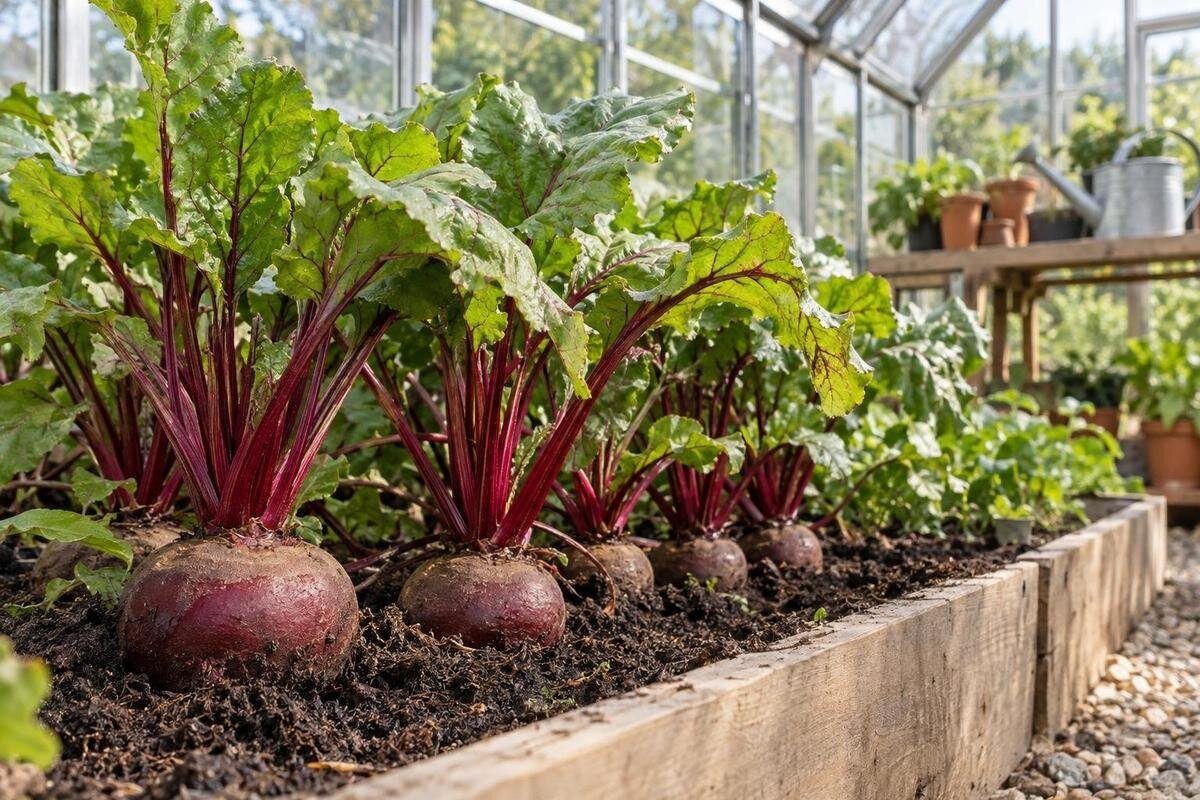
GREENHOUSE GROWING GUIDE
Beets are a cool-season crop, so an early greenhouse sowing can make sense where spring beds stay cold, wet, or exposed. A greenhouse can trap solar heat, but it cannot extend daylight or guarantee warm nights; sunny days can also raise its interior temperature quickly. For baby beets, the useful comparison is not simply greenhouse versus garden. It is whether a protected row will reach the size you want earlier than an outdoor sowing, and whether that head start is worth the bed space.
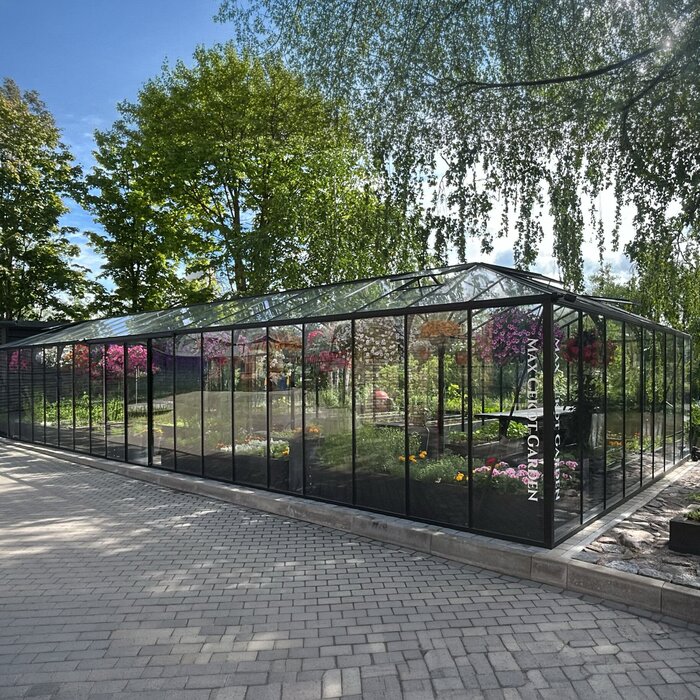
When greenhouse-grown baby beets are worth the space
Beets tolerate cool growing conditions and can be ready for harvest while warm-season crops are still waiting, making them a candidate for early spring planting. Baby roots are simply beets harvested young; many garden varieties can be pulled before they reach their listed full size, though shape and growth rate vary by cultivar. A short row can provide an early crop without occupying the bed as long as a full-size crop. Cold soil slows germination and early growth, and short days limit growth even under cover. Early sowings can also bolt, producing flower stalks instead of useful roots, so look for a bolt-resistant variety. Check the packet’s early-sowing guidance: the crop is worthwhile under glass only if conditions move it ahead of the same variety outdoors.
The strongest case is often a greenhouse you already use for seedlings or other crops, where a beet row can fill otherwise idle space before later plantings need the bed. A new structure or active heating solely for a few baby roots is a less convincing investment; count the uses you expect through the season, energy needs, and other crops that need protected space. The Pyramid Greenhouse Bloomcabin Oasis listing states area options from 60 to 203 sq ft. Treat those figures as a scale reference, then estimate the beet bed, paths, and later crop layout rather than buying around one short row. Keep the sowing accessible enough to thin and harvest without disturbing other starts.
Plan the footprint around beds and paths
Measure usable growing area before choosing a greenhouse. Mark the bed, a path wide enough for routine sowing and harvest, door access, and any space needed to reach vents or water containers. Beets do not fill an entire structure, but they need a sunny strip where seedlings can be thinned and mature roots lifted without stepping on the soil. If tall crops will share the house later, account for the shade they may cast and the date when the beet bed must be cleared. Leave enough clearance for a tray and hand tools during repeated care, not just an unobstructed first walk-through.
Catalog area figures are not the same as planted bed area. The Limited Edition greenhouse with built-in storage listing gives options from 59.4 to 302 sq ft. Check how the selected configuration divides space between growing, storage, and access before estimating your beet crop. On a sketch, distinguish permanent features from movable supplies: a bag of potting mix or a parked watering can can occupy the very strip you intended to sow. Locate frequently used tools where you can retrieve them without reaching across seedlings. A small protected bed may be enough for an early batch, while a larger house needs other uses to justify its footprint. Compare layouts by the accessible row length they provide, not just their total area, and leave the entrance clear when supplies are brought in.
Time sowing to soil conditions, not a calendar date
Use your local spring pattern and the condition of the bed rather than choosing a date that is supposed to work everywhere. Sow when the soil is workable and drains freely; seed in cold, saturated ground can take longer to emerge and is harder to manage. Beets are generally direct-sown, and a soil thermometer near sowing depth can tell you more than a warm afternoon reading from the greenhouse air. If conditions are changing, take morning readings over several days instead of relying on one sunny spell. Then check the variety packet and a local Cooperative Extension calendar for advice suited to your region.
An unheated greenhouse can warm on sunny days but lose heat after sunset; the bed itself may lag behind the air, especially after cloudy weather. It can also freeze inside, so the word greenhouse should not be treated as a promise of frost protection. Supplemental heat adds ongoing energy use and the need to monitor conditions, and it does not make one sowing date right for every climate or structure. Wait until the seedbed is suitable rather than sowing because daytime air feels mild. Seeds sitting in cold, damp soil can tie up the bed without bringing the harvest forward.
Direct-sow seed clusters and thin for baby roots
Most beet seed sold for gardens consists of seed clusters that can produce several seedlings, so one seed unit does not necessarily mean one plant. Sow directly into a fine, moist bed at the packet’s listed depth and cover gently. Direct sowing lets roots develop in place and is usually simpler than starting a tray crop for a short row. Modular trays are another option for an early start: transplant each rooted plug with its soil intact rather than separating its roots. Water gently at sowing so the seed stays in place, and mark the row until seedlings are easy to identify. Label each sowing with its variety and date, especially if you are comparing root colors or shapes. Separate labels help you follow each variety’s guidance rather than treating a mixed bed as one uniform crop.
Choose between individually spaced roots and small clumps before thinning. The Royal Horticultural Society’s beet-growing guide uses about 4 inches between individual plants for larger roots, or groups of two or three seed clusters about 6 inches apart for baby roots. Seedlings intended for small-root harvests do not necessarily need thinning; follow the packet for your variety and growing method. When considering the Prestige Greenhouse, sketch the actual rows rather than converting its listed 40.6–302 sq ft range directly into a plant count. Row length determines how many planting positions you have, while row spacing and access determine how many rows fit. Keep batches clearly separated so you can harvest an older sowing without disturbing the next one.
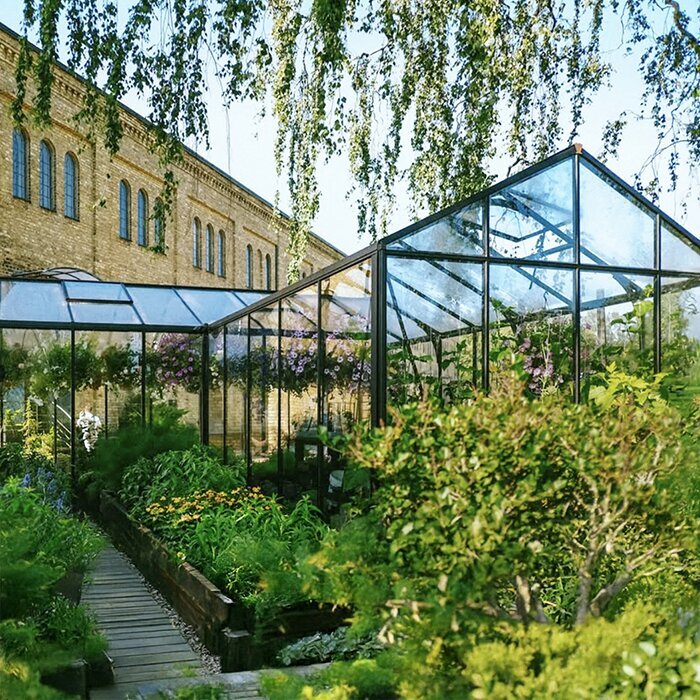
Give seedlings enough light and ventilation
Put beets in the brightest practical bed, not under the dense canopy of a later crop. Greenhouse cover does not remove the effects of low winter sun, nearby trees, or shade from frames and stored items. Temperature control matters too: on sunny spring days, a closed house can become warmer than this cool-season crop prefers. Check conditions near beet-leaf height rather than assuming outdoor air tells the whole story. Ventilate when needed to limit prolonged heat buildup, while monitoring how quickly conditions change as the sun moves or clouds pass.
The Orangerie listing gives area options from 506 to 753 sq ft, making it a substantially larger space to plan around than a single beet row requires. Consider its intended use throughout the year before treating an early root crop as a reason to choose that scale. Within any proposed layout, distinguish sunny ground beds from areas occupied by benches, stored supplies, or taller plants. Check the selected model’s ventilation details separately; floor area alone does not establish temperature control. A well-placed small sowing is a more useful test of early production than filling a large enclosure before you know how the crop performs at your site.
Prepare loose, evenly moist soil
Root shape starts with the seedbed. Loosen soil enough for roots to expand, remove stones and compacted clods, and aim for a structure that drains while holding moisture. Mature garden compost or well-rotted manure can improve the bed’s organic matter content; mix amendments according to the soil’s needs rather than adding the same amount every season. If the soil’s history is unknown or previous crops grew poorly, a soil test can guide fertility decisions better than adding fertilizer by guesswork. Avoid working soil while it is wet enough to smear or compact. Break up the surface gently once it is workable so small seed clusters can be covered evenly. Check the whole intended row, including bed edges, where compaction or debris may differ from the center.
Greenhouse ground beds may be existing garden soil, imported mix, or a raised bed, so check the actual root zone instead of assuming the structure provides suitable soil. The Classic aluminum greenhouse listing gives area options from 40.6 to 302.3 sq ft; those figures do not specify bed depth, drainage, or soil quality. If the floor is not soil, plan a growing container or bed with enough rooting space and drainage separately. Keep permanent walking routes outside the growing area to limit compaction and preserve the soil structure for later sowings.
Water consistently and control weeds early
After sowing, keep the seed row evenly moist until germination. Rain may not reach a greenhouse bed, so check the soil rather than relying on the weather. Once seedlings are established, water enough to moisten the rooting zone and adjust to the soil and conditions. Long dry spells followed by heavy watering can contribute to uneven root growth or splitting, while a constantly saturated bed creates poor conditions for roots. Gentle watering at soil level also helps keep seed clusters from washing out of a shallow row. Check the bed directly; the surface can look damp while the root zone is drying.
Remove weeds while they are small, when they are easier to lift without disturbing beet roots. Work from the path and use shallow, careful movements close to the crop rather than digging through developing roots. Clear access matters for watering too: you should be able to direct water along the row without dragging a hose across seedlings. If you are comparing the Lean-To Greenhouse, check the selected layout for that reach and for somewhere to place a watering can while you work. Its listed area range of 40 to 154 sq ft does not describe those working distances. Plan how you will reach both ends of a row, especially if another planting will occupy the neighboring bed.
Schedule successive sowings before summer crops
For a steadier supply, sow a short section at a time rather than filling the bed in one day. Another sowing every two or three weeks can spread harvests while conditions remain cool enough, but pause when greenhouse temperatures run hot or outdoor sowing is already producing the same crop. Use the packet’s days-to-maturity estimate as a guide, not a promise; check whether it refers to sowing or transplanting and what harvest size it describes. Baby roots may be pulled earlier, but cold conditions can lengthen the wait. Work backward from the date the next crop needs the bed, allowing some flexibility rather than scheduling beets right up to that deadline. If an early batch grows slowly, reduce or cancel the next sowing instead of letting successive rows accumulate and crowd the summer planting.
For a greenhouse used across several seasons, compare layouts at more than one point in the crop calendar. The Limited Edition aluminum greenhouse can be included in that comparison, but verify the selected configuration before drawing beds and paths. Make one sketch for the beet crop and another for the planting that follows it. Mark which rows must be cleared first and whether their removal gives you enough space to prepare the next planting area. Keeping batches in separate short rows can make that transition easier to manage than scattering them throughout a bed. Decide in advance whether a late batch will be harvested smaller or left longer; otherwise, a few remaining roots can hold up the entire changeover.
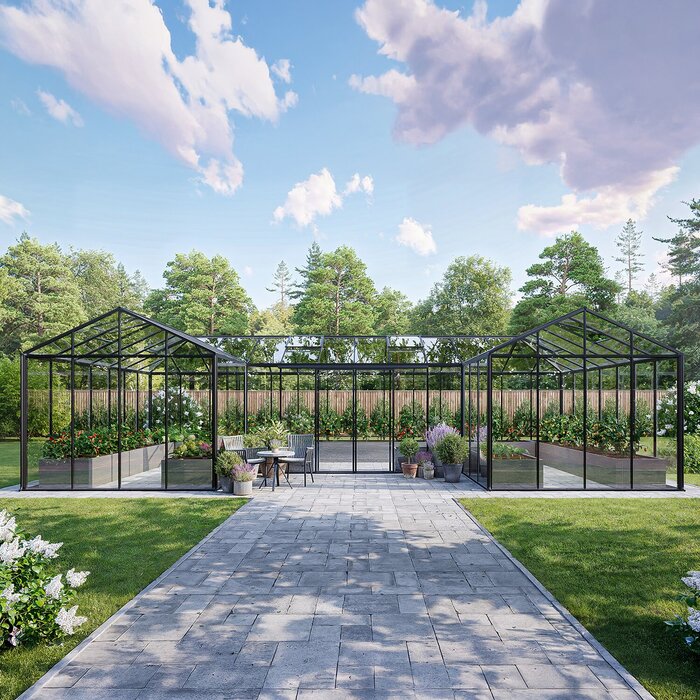
Harvest baby beets and clear the bed
Harvest at the size you prefer rather than waiting for every root to reach full maturity. The top of a developing beet may show at soil level; gently move soil aside or pull one sample to judge its size. Use packet maturity estimates as a guide, then let the actual roots decide. Pull the largest beets first if you want smaller ones to keep growing, or clear a short row when you need the bed for another crop. Avoid yanking hard through a dense row, which can disturb neighboring plants and make selective harvesting less precise.
The leaves are edible too, so harvesting the roots also provides an opportunity to collect greens for the kitchen. Set aside usable leaves as you sort the crop, keeping them separate from soil-covered roots and discarded plant material. Keep lifted roots and loose soil off neighboring seedlings, and collect the crop in a tray or basket rather than leaving it in the path. Once a row is cleared, remove plant debris and prepare the bed for its next use. When reviewing the Garden View T-Greenhouse, include temporary harvest-handling space in your layout comparison. A place to set down a basket should not block the entrance or require you to stand on a growing bed. Check those working arrangements against the selected model’s actual plan.
Compare the covered crop with outdoor sowing
Beets already favor cool conditions, so in a mild spring an outdoor row can be sown as soon as soil is workable and may need little protection. In a colder or wetter location, a greenhouse may make the bed usable sooner, though an unheated house can still have cold soil or frost. In warm conditions, it may heat up too quickly for an early beet crop; ventilation or an outdoor sowing may be preferable. A simple outdoor row cover can also be worth comparing with enclosing an entire crop area. The conditions at your site, not a broad regional label, determine whether cover changes the schedule.
A small side-by-side trial is the clearest way to decide. Sow the same variety under cover and outdoors when each bed is fit to work, then record sowing and emergence dates and when roots reach your preferred baby size. Keep seed spacing and harvest size comparable so a crowded outdoor row is not being judged against a well-thinned protected one. Distinguish an earlier calendar harvest from a shorter growing period: the greenhouse may help chiefly by allowing earlier sowing, even if the crop takes just as long to grow. Compare the days gained with the watering, ventilation, and bed space involved, and note whether either crop interfered with later plantings. If the difference is slight, reserve the greenhouse for crops that need more warmth or a tighter early schedule. If the covered row reliably earns its place, repeat it in short batches and use the outdoor bed for the main-season supply.
Frequently asked questions
Can beets grow in an unheated greenhouse?
Yes. Beets tolerate cool conditions, but an unheated greenhouse can still have cold soil or freezing nights. Sow when the bed is workable, and judge conditions at the soil level rather than by daytime air temperature.
How early can I sow beets under cover?
There is no single date that works everywhere. Use your local spring conditions, soil temperature, and the seed packet’s guidance. Sowing earlier is not helpful if cold, wet soil delays germination.
Should I start beet seeds in trays?
Direct sowing is usually simpler for a short row, but modular trays can provide an early start. Beet seed clusters may produce several seedlings. You can thin for individual roots or retain small clumps for baby-root harvests, following the packet’s spacing guidance. Transplant rooted plugs with their soil intact to minimize root disturbance.
How far apart should baby beets be?
Spacing depends on whether you want individual roots or small clumps. RHS guidance offers groups of two or three seed clusters about 6 inches apart for baby roots; about 4 inches between individual plants allows larger roots to develop. Follow your variety’s packet and decide on the harvest size before thinning.
Will greenhouse beets be ready before outdoor beets?
Not automatically. A greenhouse helps only if its soil, light, and growing conditions give the crop a real head start. In a mild spring, an outdoor row may be ready nearly as soon.
Early greenhouse beets make the most sense when the structure is already available, the seedbed is workable, and the crop will be harvested before another planting needs the space. In colder or wetter springs, a protected row may earn a useful head start; in milder conditions, outdoor sowing can be just as practical. Let soil conditions, light, and the harvest you actually observe determine whether beets deserve a place under cover next season.
