
How Much Time Does a Greenhouse Take Each Week?

Greenhouse workload planning
There is no fixed number of weekly hours that fits every greenhouse. A few established plants in a simple seasonal plan create a different workload from seed starting, a long harvest list, frequent training, and year-round environmental control. The same setup can feel easy in a quiet week and demanding when growth, heat, or harvest peaks. The dependable estimate comes from naming the crops and season, listing recurring jobs, and checking that schedule against your own task log. This guide separates hands-on work from jobs automation may simplify.
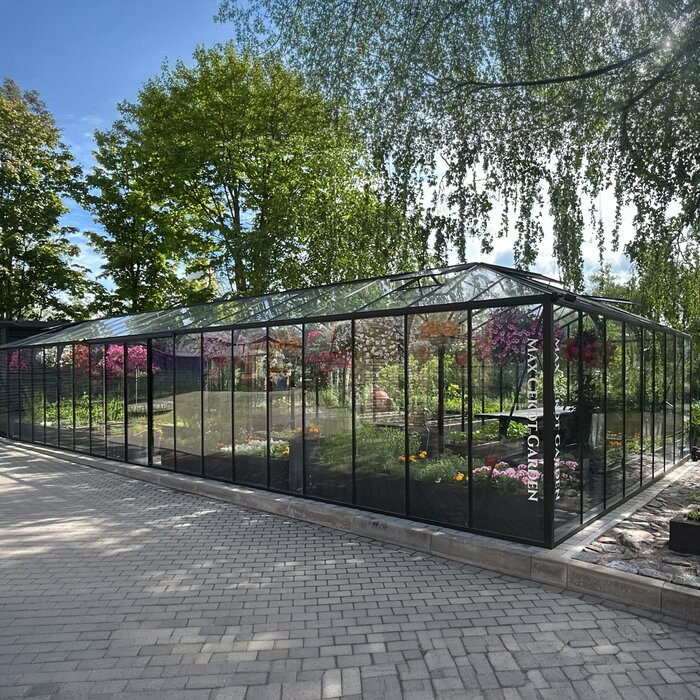
Why weekly greenhouse hours vary
There is no reliable one-size-fits-all weekly hour figure for every greenhouse. Weekly work follows plant growth and conditions, not just the structure's presence. A lightly planted seasonal space may need brief checks and occasional care, while seedlings, many containers, climbing crops, or repeated harvests add visits and hands-on tasks. Warm, dry, or changeable weather can also alter watering and ventilation needs. Even a steady plan has peaks: planting and establishment, rapid growth, and harvest do not take the same effort. Treat an informal estimate from another grower as a starting point, not a promise about your own workload.
Decide what your total includes. Count active greenhouse work, such as checking plants, moving water, pruning, harvesting, cleaning, and setting up equipment; mark one-time setup or a seasonal reset separately. A timer running unattended is not active labor, although setting it up and verifying it is work. Keep travel to the greenhouse separate from task minutes, but factor it into your schedule if the structure is a walk from home. If you combine several small jobs in one visit, record them separately or note the split so you do not count the same minutes twice.
Start with a crop plan and planted area
Write down the intended crop plan before comparing greenhouse sizes: crop names, approximate plant counts, beds versus pots, seed starting, and whether you want a few harvests or a steady supply. Include the growing stage. Young plants may call for closer observation; mature vining or tall plants bring training and harvest tasks; leafy crops may mean repeat cutting and cleanup. These are different work patterns, not interchangeable square footage. Note whether you plan to use shelves, containers, or planted beds, since reaching and caring for each arrangement affects the time you spend.
Floor area sets a boundary for how much you might plant, but it cannot predict care time by itself. The Classic aluminum greenhouse size range runs from 40.6 to 302.3 sq ft; use a selected footprint to draw a real planting plan, then count plants, rows, pots, and access space. A large aisle does not create the same work as densely planted beds, and a compact container setup can still involve repeated watering and handling. If your crop list is undecided, make a smaller and a larger version instead of assuming the whole floor will be planted.
Turn recurring jobs into a time estimate
Make a simple task log before assigning hours. For each visit, note the date, crop stage, job, active minutes, and whether the job recurs; add a short note when conditions make a visit unusually long. Split watering, crop care, harvest, cleanup, and equipment checks instead of logging one block as greenhouse time. To estimate a week, multiply the timed minutes for each task by the number of times you expect to do it, then add the totals. Create separate ordinary-week and peak-week versions, and keep one-time setup out of the recurring figure. If you are comparing footprints, the Lean-To Greenhouse size range runs from 40 to 154 sq ft; use a specific layout as a planning scenario, not as an hours estimate.
Here is an arithmetic exercise, not a customer report or a benchmark: assume four established tomato plants, two cucumber plants, and two containers of greens, all watered by hand during an active harvest week. Suppose you budget six five-minute checks (30 minutes), three 15-minute watering sessions (45), two 20-minute harvests (40), and one 35-minute tending-and-cleanup session. If the blocks do not overlap, they total 150 minutes, or 2.5 hours. Every duration and frequency is illustrative, not a care schedule or a claim that these plants need only that much attention. Replace the inputs with timed tasks for your crops and conditions. If you inspect plants while watering, record that combined visit once rather than adding a second allowance for the same inspection. Add seed starting, repotting, or a major reset if it falls in the week you are estimating.
How watering systems affect weekly work
Watering is often a variable repeat task, especially when a plan mixes beds, pots, seedlings, and mature plants. Time it from preparing the hose or cans to putting everything away, not just the moment water reaches a plant. The work can shift with weather, containers, growing medium, crop stage, and how far the water source is from the beds. Record what you actually do and whether one trip covers the whole area. Note which containers require individual attention and which areas can be watered together without ignoring different plant needs. A single watering entry can otherwise hide several rounds of filling, carrying, checking, and returning later. Rather than copying a frequency from a generic chart, estimate the time for the crops and conditions you have chosen.
A timer or delivery system may reduce repeated carrying or switching valves, but it does not automatically verify that water reached every intended plant or that the setup is working. Allow for checking operation, spotting leaks or blocked outlets, and responding to a failure. For a footprint reference, Limited Edition greenhouse sizes span 40.6 to 302 sq ft. Draw the beds and containers for the configuration you are considering before estimating watering zones; that size range alone says nothing about how long watering will take.
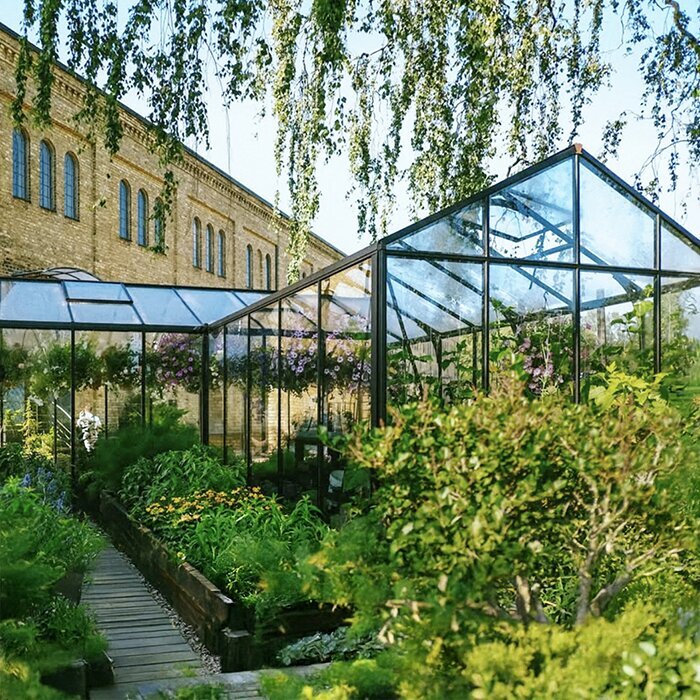
Ventilation checks depend on weather and equipment
Ventilation and temperature-related attention depend on weather and on your greenhouse equipment and operating plan. A sunny spell or a sudden change can make one day unlike the next, so note when you check openings, readings, or shade rather than assigning the same minutes to every week. If you rely on manual opening or closing, include the trips and the time to operate it. Count the effort needed to notice changing conditions as well as the action that follows. Your schedule should reflect how quickly you can respond, not just the time spent turning a handle.
Automatic controls may take over a repeated action, but you still need to confirm that a device responds, that nothing obstructs it, and that its readings or settings make sense for your crop plan. Separate a quick operational check from troubleshooting so you can see whether a system saves time during normal use. If you use alerts, record how often they require a visit and what you do when you arrive; receiving a notification is not the same as resolving the issue. The T-Model greenhouse size range is listed from 178 to 323 sq ft. When comparing configurations, ask which openings and controls are included and which would require separate equipment. Those details, rather than the model name or floor area, help you identify the manual checks to include in your schedule.
Crop care and harvesting remain hands-on tasks
Crop work beyond watering often determines whether a short visit stays short. List the tasks your chosen plants need: sowing, transplanting, thinning where relevant, tying or training, pruning, removing spent material, pollination if applicable, and harvesting. Not every crop needs every task, and the timing changes as plants grow. If you want an ongoing harvest, count the picking sessions you expect; one large harvest is a different pattern from repeated picking. Estimate each crop group rather than assigning one average to the entire greenhouse.
Hands-on time also includes practical work around the plants: gathering containers or tools, carrying harvested produce, resetting supports, and putting things away. Some jobs can be combined in one visit, while crops on different schedules may mean another trip. The Pyramid greenhouse size range spans 60 to 203 sq ft, but even a chosen floor area is only a planning boundary; count the planted area and crop types. Do not assume that every square foot must be used or that fewer square feet automatically means proportionally less care. Add tasks you missed from the initial list as you keep your log.
Count cleaning and upkeep separately
Routine cleanup is separate from crop production but belongs in a weekly estimate. Account for picking up fallen leaves and plant debris, removing weeds, clearing paths, cleaning reusable items as their care instructions allow, and returning tools to storage. Each job may take only a little time, so it is easy to leave out after pruning or harvest. Time your usual tidy-up as a recurring task; schedule a deeper clean or seasonal clear-out as an occasional block rather than charging it to every week.
Keep greenhouse upkeep distinct from plant care so an occasional repair or seasonal job does not distort the routine. Follow the structure and equipment makers' care guidance for inspections and cleaning; if a repair requires specialized access or technical work, get qualified help. Storage and placement can affect setup and put-away time, but a product name is not a guarantee of convenience: the aluminum greenhouse listed with built-in storage has listed sizes from 59.4 to 302 sq ft. Verify the selected configuration and map where tools will go before assuming it will save work.
Estimate busy and quiet phases separately
Prepare separate estimates for the phases you actually plan to run. Before planting, sowing, potting, labeling, and arranging beds can create a setup-heavy week. During establishment, checks and watering may take a larger share; later, training, pruning, harvest, and cleanup may dominate. At the end of a crop cycle, clearing plants and resetting the space can make one week unusually busy. An off-season or lightly planted period may be quieter, but weather-related monitoring and equipment care still depend on your site and setup.
Use your planned crop dates rather than assuming another grower's peak weeks. On a calendar, mark when one crop will be removed and its replacement started: those jobs may overlap with routine watering and harvesting elsewhere in the greenhouse. Keep ordinary, peak, and seasonal-reset totals separate, then update them as actual task logs arrive. The Prestige greenhouse size range is listed from 40.6 to 302 sq ft. For a selected footprint, identify whether you will clear all the growing space at once or rotate crops through smaller areas; the work will fall into different weeks. If you calculate an annual average, keep the peak-week total visible too. A quiet off-season can lower that average without making a busy planting week any easier to fit into your calendar.
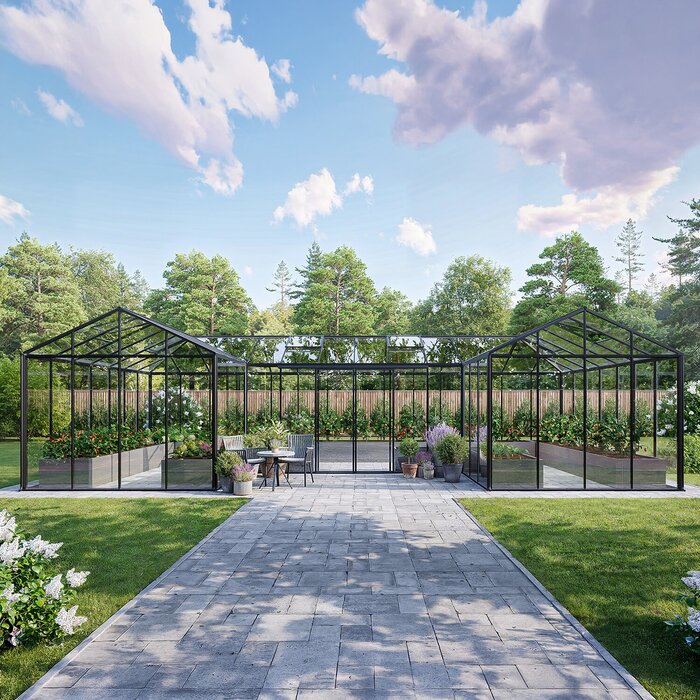
Layout changes how much time each task takes
A floor plan changes how many steps each task takes and how much area you choose to manage. Mark planted beds, pots, paths, doors, water access, work surfaces, and the usual place for tools before estimating time. A clear route to frequently tended crops may cut back-and-forth movement; a crowded arrangement can add handling and make cleanup slower. Include the distance between the water source, greenhouse, and beds if it affects watering. Compare actual bed positions and working clearances, not only a headline floor-area figure.
Care time does not rise in a reliable straight line with floor area: it depends on the work you add and how you arrange it. The large backyard greenhouse size range is listed from 506 to 753 sq ft, an area reference rather than a care-hour estimate. For any size, write down which areas will be planted, which will remain accessible, and what tasks use those routes. An unplanted area may still need occasional attention, but not the same crop-care minutes as a bed in active use. Do not fill every available space just because it is there.
Use the busiest week to test your budget
Test your busiest planned week against the time you can realistically spare. Place the estimated jobs on actual days, distinguishing brief checks from longer blocks for planting, crop care, or cleanup. A weekly total may look manageable even when several time-sensitive jobs fall on a day when you are unavailable. Then classify each job as manual, assisted, or automated. An irrigation timer or automatic vent may handle a repeated operation; a reminder or monitoring tool may help you notice a change. Keep plant observation and hands-on crop work in the schedule unless a specific system actually handles that task and you have verified it in use. Also check whether a helper could take over a clearly described job during an unusually busy week, rather than assuming all your available hours are interchangeable.
Calculate the net time change from your own log: subtract only the minutes a system actually saves, then add its recurring checks, cleaning, and troubleshooting. Record initial setup separately so you can compare ongoing workloads fairly. Allow room for weather changes, a heavier-than-planned harvest, or a stalled job. Use a timed example from your log to judge that allowance instead of adding an arbitrary percentage that looks precise. Decide which crops or planting batches you could scale back if the peak week becomes too full. Reducing a planned sowing is different from postponing necessary care for plants already growing. If only an ideal quiet week fits your schedule, adjust the crop plan rather than relying on an optimistic average; greenhouse size alone will not solve the workload.
Frequently asked questions
How many hours a week should I budget for a greenhouse?
There is no reliable number for every greenhouse. Build a total from your crop plan, season, and timed tasks. The 2.5-hour example in this guide uses illustrative inputs, not an industry average or a schedule to copy. Work out separate totals for ordinary and peak weeks.
Does a larger greenhouse always need more care?
No. Floor area can make room for more plants, but care time depends more directly on what you grow, how much is planted, and how the layout affects access and movement. An empty area does not create the same crop work as a densely planted one.
Can automatic watering eliminate watering time?
It may reduce repeated actions such as carrying water or operating valves, but you still need to allow time to check that the system is working and respond if it is not. Test the time saved against your own task log rather than assuming watering takes no time.
Which jobs still need hands-on attention?
Plant observation, harvesting, training or pruning when your crops need it, replanting, and much of the routine cleanup remain part of the workload. A device may assist with a particular operation, but that does not automatically take care of the plants or verify that the operation succeeded.
When should I update my time estimate?
Review it when crops enter a new growth stage, when the season changes, or when you add equipment or plants. Keep notes from both routine and busy weeks, and list one-time setup or seasonal cleanup separately so it does not distort your recurring weekly total.
Weekly greenhouse time is best treated as a workload shaped by the crops you choose, not a property of the structure alone. Start with a specific planting plan, total the tasks for ordinary and peak weeks, then replace your assumptions with actual logs through each crop phase. Automation may shorten repeated actions, but harvest, plant care, and oversight still belong in the budget. If the peak-week total does not fit your calendar, simplify the crop plan before relying on an optimistic average.
