
Buying a Large Greenhouse on Black Friday: Budget Beyond the Frame
Black Friday buying guide
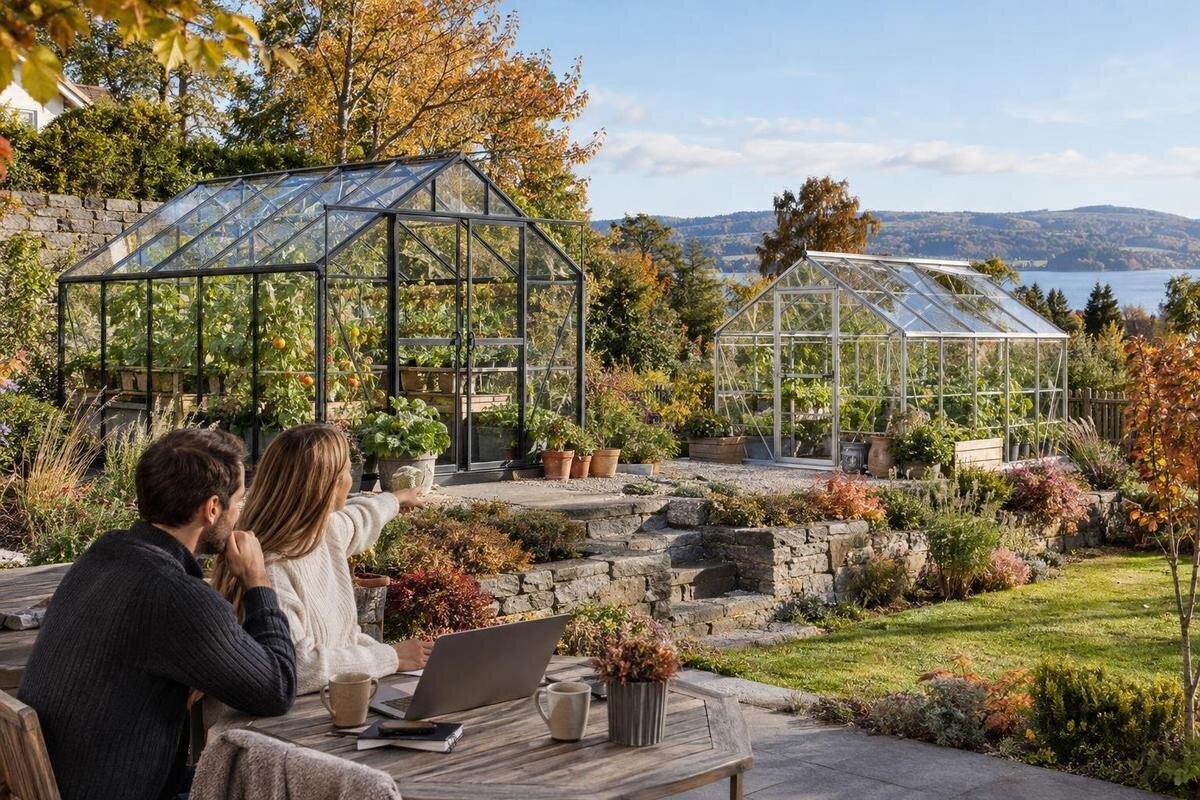
Buying a large greenhouse on Black Friday can look like a simple price comparison, but the frame is only one part of the project. Ground preparation, a suitable base, delivery and unloading, assembly, growing equipment, and ongoing utility costs can change the total. No specific promotion or package terms are supplied here, so treat Black Friday as a time to compare offers that are actually posted—not as proof that a particular model is discounted. Before choosing, define the space and growing setup you need, build a complete budget, and compare the same costs for each candidate. That makes the final checkout total, rather than the banner, the basis for your decision.
Set a project budget before comparing prices
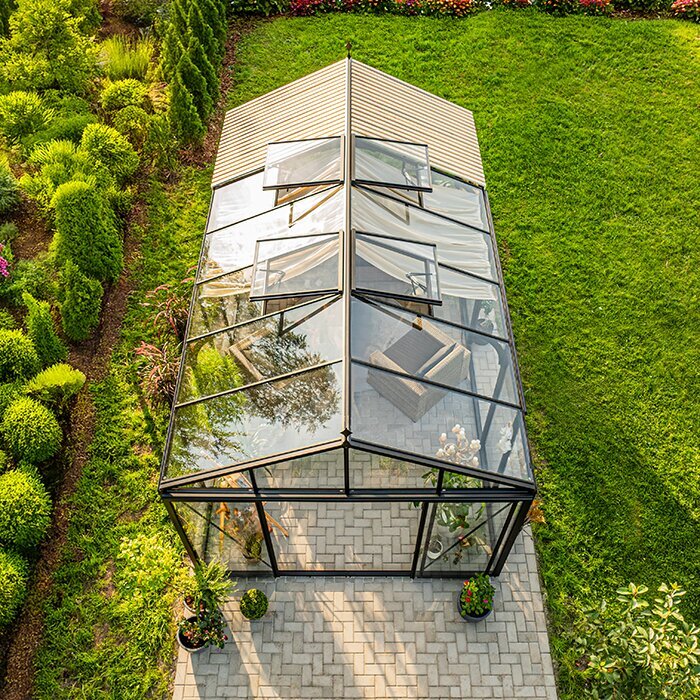
Before browsing prices, define what “large enough” means for your garden. Write down what you plan to grow, how many beds or benches you expect, whether you need working room, and whether the greenhouse must support seasonal use or overwintering. Note any non-growing use, such as a potting surface, separately from plant area. Then set the maximum you can spend on the complete project, not just the structure. A low online price is not useful if it leaves too little for site work or equipment required to make the space usable. Plan around mature plant size and realistic access, not a crowded layout. If you may expand later, treat that as a future phase rather than paying now for capacity you may not use.
Use a worksheet with separate lines for the greenhouse package, base or foundation, ground work, delivery and unloading, assembly, growing equipment, interior furniture, utilities, maintenance supplies, and a contingency. Mark each item as included, quoted, estimated, or unknown; a product photo does not prove that a pictured accessory is part of the package. Keep one-time purchases separate from ongoing expenses such as water and power. For labor, record DIY time and paid help as alternative plans so you do not count both accidentally. Set a reserve from the uncertainties you have identified, rather than applying a generic percentage. Decide which unknowns need an answer before ordering, such as a base or assembly quote, and which smaller purchases can wait.
Compare Black Friday offers by their full cost
Treat a promotion banner and the frame price as different pieces of information. Record the exact model and configuration, displayed price, any comparison price, applicable dates or conditions, and exclusions. Check whether the offer applies to the size and options you actually want, whether a code is required, and whether necessary accessories are outside the offer. Do not compare a frame-only price with another package that includes extras. If a page shows a reference or crossed-out amount, read how the seller defines it; do not automatically count the difference as savings for your project. Include applicable taxes and delivery in the amount you compare, and make sure you are looking at the configuration you intend to buy.
Build a like-for-like table for each candidate: structure, glazing type and whether it is included, base components, openings and ventilation, accessories, delivery, and assembly. Use only information from the current page and checkout state; do not infer package contents from photographs or product names. For example, review the aluminum classic greenhouse listing as one candidate record, then fill in the same fields for every alternative. The page is not evidence of an active Black Friday price, included equipment, or dimensions; verify those details before relying on them. Note when you recorded each posted term so you do not compare information gathered at different times. If a required line item is unclear, ask before treating the totals as comparable.
Measure usable space, not just the stated area
Measure the actual site before treating a listed floor area as usable growing space. Take the exact external dimensions from the selected page, mark the footprint on the ground, and allow for entrances, paths, and access to nearby gates, faucets, or beds. Sketch the inside separately: plants, benches, pots, storage, and a clear route through the space can make the practical growing area smaller than the footprint suggests. Note trees, slopes, drainage patterns, overhead obstructions, and existing hardscape that could affect the planned location. Check any outside clearances specified in the seller’s instructions, too. A rough plan can reveal whether the greenhouse will block a route or leave too little room to work before you pay for transport or base preparation.
For layout options, use each model’s own drawings and installation notes, not a general assumption that one shape needs less space. If you are considering an attached form, check the exact information on the aluminum lean-to greenhouse listing against the wall and clear area you have; the name alone does not confirm fit. Mark access for assembly and later maintenance as well as the final footprint, and check any clearances the seller specifies. A tape measure and a simple sketch cost little compared with changing a location or discovering that beds and walkways no longer fit. Measure the route for bringing materials to the proposed position, and draw the plan close to scale if possible.
Include ground preparation and the base
Ground preparation is one of the least predictable costs because it depends on the site and the selected greenhouse’s requirements. Check whether the proposed area is level enough for the instructions, drains appropriately, and needs vegetation, an old surface, or debris removed. Notice where water collects after rain, too. Confirm whether the seller calls for a particular base, anchoring method, or prepared surface; do not assume lawn, gravel, or an existing patio is suitable. Use documentation for the exact candidate and ask the seller or a qualified installer to explain unclear requirements. Site conditions differ, so another owner’s foundation choice is not proof that it suits your property or the greenhouse you are considering.
Get separate prices for grading, drainage work, removal, surface preparation, materials, and base installation if you will hire those tasks out. Ask which items are included, who supplies materials, what must be finished before the greenhouse arrives, and whether structure installation is a separate quote. A page such as the Garden View T greenhouse listing identifies a model to evaluate, but confirm its current base and dimension requirements rather than assuming them from its name. Keep allowance for unknown conditions visible, and ask what could change a contractor’s quote once work begins. If the site has a slope, weak ground, drainage concerns, or a retaining structure, consult a qualified local professional before committing to a design.
Add delivery and access costs
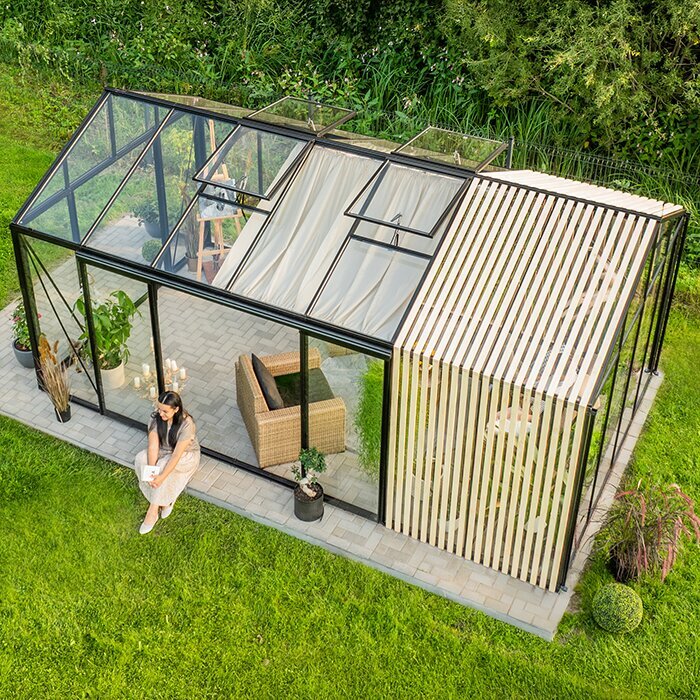
Add transportation and handling to the purchase price as distinct budget lines. Check the delivery charge for your ZIP code and the order-specific conditions for unloading, access, appointment scheduling, and where the shipment will be left. A standard charge does not necessarily mean materials reach the greenhouse site, so ask what service is included and whether a liftgate, extra handling, or other assistance costs more. Compare the same delivery scope across candidates; a low structure price can be offset by terms that do not work at your address. Confirm the amount that applies to your order rather than relying on an estimate for another location.
Walk the route from the likely drop-off point to the planned site: narrow gates, turns, steps, soft ground, and distance can affect the help you need. Ask the seller or carrier about coverage, estimated timing, and procedures for reporting damage or a missing package, and whether an access issue can trigger an added charge. For a candidate such as the Bloomcabin Orangerie listing, identify the exact item first, then confirm shipping terms for your order; the product name does not establish freight arrangements. If you hire a crew, include time to receive and move materials in its estimate. If delivery happens before assembly, plan for a suitable place to keep the shipment and any associated handling costs.
Price assembly before choosing a greenhouse
Decide whether you will assemble the greenhouse yourself or hire help, then price the realistic option. Read the instructions for the exact model or ask the seller what preparation, tools, number of people, and skills the work calls for. Do not infer labor time or included installation from a listing photo, seasonal offer, or product name. If you hire a contractor, request an itemized estimate for your structure and site, and ask whether it covers receiving materials, the base, frame assembly, cleanup, and add-on equipment. An estimate limited to frame assembly may leave other important work outside its scope, so compare written responsibilities rather than the headline labor fee.
A product page such as the Bloomcabin Oasis pyramid greenhouse listing can identify the candidate you need to ask about, but it does not replace current instructions or a site-specific contractor quote. Verify how the seller handles missing or damaged parts and who supplies replacements; do not assume every service is included in a package. If a contractor will do the work, confirm work boundaries, travel or return-visit charges, schedule, and responsibility for preparing the site. For DIY assembly, compare tools you already own with tools you may need to buy or rent, and consider whether help will be available. Count time and paid assistance before comparing the DIY total with a professional estimate.
Budget for the growing setup you will actually use
Make an equipment list from your growing plan rather than from an accessory menu. Depending on crops, season, and routine, you may want benches, shelving, pots, a potting surface, shade, ventilation aids, or a watering setup; someone raising starts may need a different arrangement than someone growing in beds. Include growing media, trays, and containers where relevant. Separate items needed on day one from optional additions for later. Check whether each item is included, sold separately, or only pictured. Before ordering an accessory, confirm compatibility with the exact greenhouse and whether it uses floor space, mounting points, water connections, or power. An attractive bundle is not a saving if it includes things you will not use.
Storage makes the need to check details clear. A page titled the aluminum greenhouse with built-in storage listing may suggest an all-in-one solution, but verify the current description and what is included before assigning a storage cost. Confirm the size and placement of any shelf, cabinet, or potting station and whether it competes with growing or circulation space. Apply the same test to vents, benches, and shade items: record the exact item and compatibility evidence, not just a photo. Prioritize equipment that supports your plan, then add nonessential extras later if the budget allows. A storage plan can help prevent duplicate purchases while preserving room for plants and access.
Estimate utilities and recurring expenses
The greenhouse structure is mainly an upfront cost, but the growing environment can create recurring expenses. Watering, supplemental lighting, heating, fans, or other powered equipment may affect bills depending on what you grow, local weather, how long equipment runs, and your utility rates. Do not budget from a broad internet estimate or a greenhouse name. List systems you genuinely expect to use, check consumption information in the equipment documentation, and apply local rates and realistic operating hours. Keep water, electricity, fuel, and replacement supplies separate so you can see which costs recur. If you do not know what your crops or season require, ask a local horticultural resource before buying equipment speculatively.
A title such as the Bloomcabin Prestige Premium greenhouse listing does not establish which systems or accessories are included, or what they cost to run; verify the current package and evaluate each add-on separately. For electrical work, powered heating, or other installation-sensitive equipment, include qualified professional help where appropriate and follow the equipment maker’s instructions and applicable requirements. Plan for routine consumables and replacements, not only the initial setup. A phased purchase can reduce what you spend immediately, but identify the essentials for your intended growing conditions before ordering. Keep ongoing utility estimates separate from one-time equipment purchases so the full cost is easier to understand.
Compare verified specifications, not product names
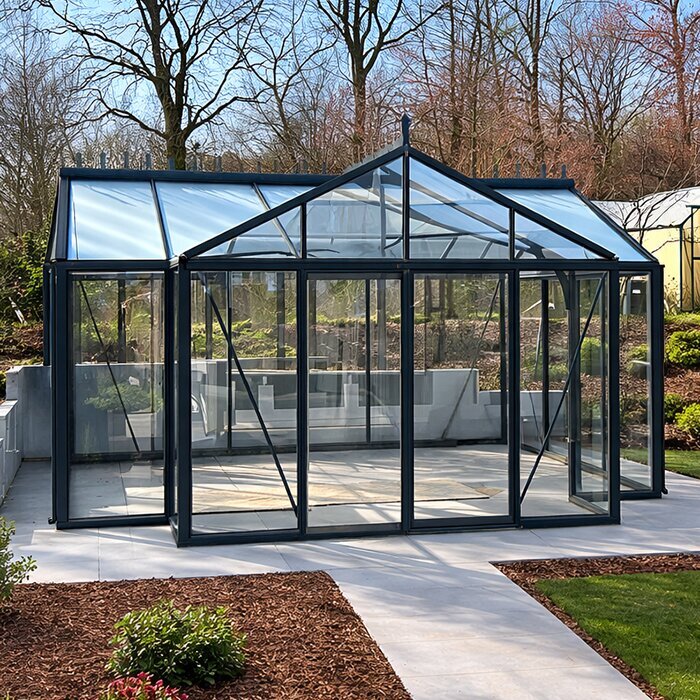
With budget and site in view, compare only candidates that meet your basic requirements. Record documented external dimensions, frame and glazing descriptions, doors, ventilation, base requirements, supplied components, accessory compatibility, assembly information, and order terms. If a detail affects fit or cost but is missing, ask before deciding the candidates are equivalent. Product labels help identify listings; words such as classic, limited edition, or premium do not establish a specification, current price, or discount. Compare exact configurations, not broad category names. Note why each candidate remains on your list, so a design preference does not quietly replace an important functional requirement.
For example, treat the limited-edition aluminum greenhouse listing as a candidate page to inspect, not proof of a Black Friday offer or a particular component set. Check its current details against your worksheet and ask the same questions of alternatives. Make a short list of non-negotiables: enough room for the use you described, the required type of access, and any ventilation or watering arrangement your plan calls for. Compare prices only after those requirements and add-on costs are clear. This helps avoid paying extra for a label that does not add value—or choosing a lower-priced frame that cannot be set up as intended. If two models remain close, compare how each fits your site-preparation and operating budget.
Review checkout and order terms before buying
Before placing a seasonal order, rebuild the total from the live cart or a written quote. Include the greenhouse package, selected options, shipping, unloading or installation, applicable taxes shown at checkout, and separately quoted site work. Read the offer terms for configuration exclusions, a required code, a stated end date, or restrictions on combining offers; use only conditions actually posted for that order. Confirm the seller’s return, cancellation, damage-reporting, and replacement-part procedures, plus who supports each component in a bundle. These are questions to answer before purchase, not policies that can be assumed to apply to every greenhouse or retailer.
Save the product details and order terms you relied on, and note anything still unresolved. If a dimension, included component, or delivery condition cannot be confirmed, pause rather than letting a countdown substitute for a decision. Compare the full total with your preset ceiling and with any alternative configuration you would genuinely accept. Keep a cushion for costs that remain uncertain, but do not disguise an unknown as a quote. If the total is too high, remove optional extras and recalculate without omitting necessary site work. Black Friday may be a useful occasion to compare posted offers; an offer is worthwhile only if the greenhouse and supporting costs fit your site, budget, and growing plan.
Frequently asked questions
What costs should I include beyond a large greenhouse’s frame?
Include site clearing or grading, the model-specific base, delivery and unloading, assembly or tools, growing equipment, and utility or maintenance expenses. Separate one-time purchases from recurring costs, and check whether pictured accessories are included. Some costs cannot be known until you assess the site or receive an itemized quote.
How can I tell whether a Black Friday greenhouse offer is a good deal?
Compare the exact model and configuration, included components, delivery and installation terms, and final checkout total. Read the posted offer conditions and any explanation of a comparison price; a seasonal headline alone does not show whether the deal applies to the size or options you want.
Should the base and installation be part of my sale budget?
Yes. Ground preparation, a model-specific base or anchoring, and assembly may all add costs, and none should be assumed included. Use the seller’s instructions for the exact candidate and get a site-specific quote if the work needs a professional. Add those amounts to the greenhouse price before comparing offers.
How much should I reserve for unexpected costs?
There is no reliable one-size-fits-all percentage. List the known and uncertain work—especially site preparation, freight, labor, and equipment—then request quotes and reserve an amount that reflects what remains unresolved and your budget limit. Clarify major unknowns before ordering instead of hiding them in a generic contingency.
Is the advertised floor area enough to confirm that a large greenhouse will fit?
No. The stated area does not tell you how much clear walking or growing space remains, and it does not prove the greenhouse fits your site. Confirm the exact outside dimensions and any specified clearances, mark the footprint, then sketch doors, paths, benches, plants, and access inside.
A large greenhouse is a worthwhile Black Friday purchase only when the full project fits—not merely when the frame price looks appealing. Set a budget, confirm that the site and base work for the selected model, and account for delivery, assembly, equipment, and ongoing costs. Compare the same package and order terms across candidates, with unresolved expenses kept visible. If the complete setup stays within your limit and meets your growing needs, you can judge the offer on its actual value. If it does not, another configuration or a later purchase may be the more sensible choice.
