
Ongoing Greenhouse Gardening Costs: An Annual Budget
Greenhouse ownership planning
Planning an annual greenhouse budget is easier when it reflects what you bought and used, rather than a guessed monthly average. Seed choices, growing media, water, and small supplies change with the crop plan, while durable equipment and household utility bills need different treatment. A clear log separates cash spent from stock consumed, so a large order doesn’t automatically look like a typical year’s use. This guide provides a repeatable worksheet for those costs and shows how to allocate shared expenses. Heating calculations stay separate; they aren’t included in the examples below.
Define the annual total before adding numbers
An annual greenhouse budget should answer two questions: how much cash left your household this year, and how much stock was consumed by greenhouse growing. The first supports cash planning; the second helps estimate a typical season. Neither is the greenhouse’s purchase price. Keep the structure, site preparation, and initial fit-out in a separate startup record so a setup year doesn’t distort recurring costs. If you compare ownership over several years, show the initial outlay beside annual costs instead of folding them into one unexplained figure. Use the same 12-month period each year, or clearly mark a growing season that crosses calendar years.
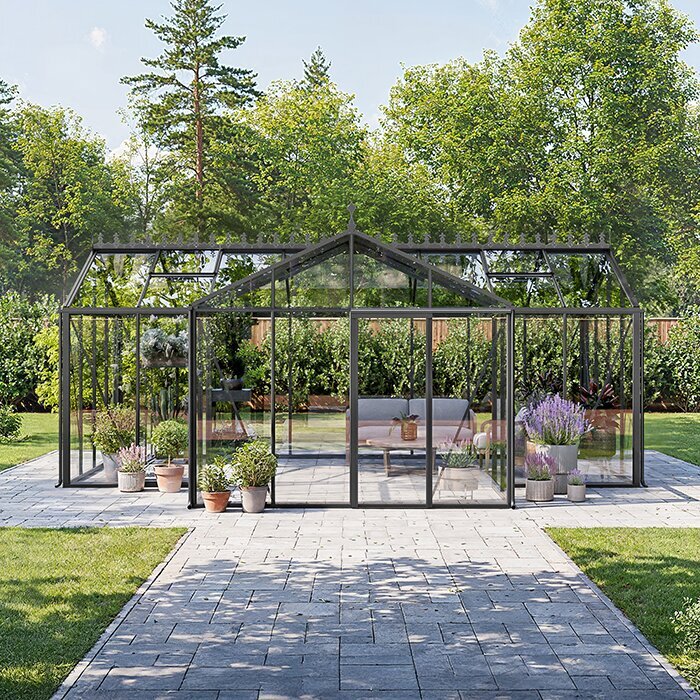
Set up separate lines for seeds and purchased starts; propagation supplies; growing media and amendments; water; consumables; durable equipment purchases; and repairs or replacements. Add another line only for a cost you can identify, such as electricity used by a greenhouse device. These are categories, not a shopping list: include only what you actually use. Include tax or delivery where it appears on a receipt and can be assigned consistently. When comparing a structure such as the limited-edition aluminum greenhouse, keep its quoted purchase and initial setup costs outside the recurring-cost worksheet. Keep heating on a separate worksheet as well. Label each total as cash paid, consumables used, or operating costs so later comparisons use the same basis.
Track purchases separately from supplies used
For every transaction, note the date, item, quantity, receipt total, portion assigned to greenhouse use, and whether it is consumable or durable. Save invoices or order records so next year’s estimate comes from actual purchases rather than memory. A mixed order may serve greenhouse and outdoor beds; split its cost by quantities or another reasonable, documented method, and keep the rule stable. At the start and end of the same budget period, count usable consumable stock, such as seeds, media, labels, and twine. Record partial packages when they could affect a future purchase. Keep reusable pots, tools, and equipment on a separate condition register rather than treating them as supplies consumed simply because they were put into service.
Keep cash and supplies-use ledgers side by side. For each consumable, opening stock + greenhouse-attributed purchases − closing stock gives the quantity used or lost during the period, provided outdoor use has been excluded. Value those quantities consistently from actual receipts if you want a consumption-cost figure. For example, with no opening stock, buying three bags and ending with one unopened bag means three bags purchased but two removed from inventory. If some material was spilled or discarded, record that loss separately: it still has a cost, but it wasn’t used successfully for growing. Mark partial-bag estimates as approximate. Apply inventory calculations only to stored supplies, not to water bills, repair services, or durable equipment.
Seeds, transplants, and propagation supplies
Build the seed line from a crop list rather than a general allowance. Record each seed packet, transplant, or purchased start; the crop; quantity used; and whether it was used inside or outdoors. Separate seed sown directly from seedlings started in the greenhouse, because propagation may also use pots, labels, and starting mix; assign those supplies once, not both to seeds and media. A purchased transplant belongs under plants or starts even though no packet was used. Count usable leftover seed at year-end so next spring’s order reflects stock as well as the plan. If extra sowings or failed starts use more seed than expected, note that separately.
Estimate demand from sowing dates, succession plantings, and the number of beds or containers you plan to fill. Include a modest number of spare starts only where your own records justify them; don’t automatically double every sowing. When considering the Classic aluminum greenhouse, plan where seed trays would go and confirm which benches or propagation accessories, if any, are included in the selected configuration. The structure’s price and the cost of raising seedlings are separate budget items. A crop-by-crop record should show the planned number of plants, seed already available, additional seed needed, and any purchased transplants. This makes the effect of adding another sowing clear before you place an order.
Growing media, amendments, and containers
Separate one-time bed filling from materials you replenish during cultivation. The initial fill for new beds or containers belongs in startup or fit-out records; later potting mix, compost, amendments, and top-ups belong in the annual budget when purchased or used. List products in your actual routine, not every possible soil additive. If you reuse media, enter only the replacement or amendment you apply; if your practice changes, note why. Media used for starts can sit on a propagation subline, provided it isn’t counted again in the main growing-media total.
Track package size, quantity opened, amount used, and usable remainder. Estimate container fill from the number and capacity of pots; for established beds, record the quantity actually added rather than assuming a complete refill each year. When evaluating the Bloomcabin Prestige Greenhouse, prepare a separate list of the beds and containers you intend to furnish, then price their initial fill outside the annual replenishment budget. Use consistent units when comparing bags: package count alone can be misleading if sizes differ. Allocate delivery charges reasonably when an order includes both startup materials and annual supplies. Record spilled or unusable media as a loss, while keeping usable leftovers available for the next season’s plan.
Water: assign only the greenhouse share
Water often appears only as part of a household bill, so make the greenhouse share explicit. If a separate meter or reliable usage readings are available, record volume by month or season and apply the usage-based rate shown on the bill for the matching period. With meter readings, subtract the beginning figure from the ending figure and note the dates. Separate charges that rise with use from fixed fees you would pay anyway; don’t allocate the whole household bill to the greenhouse. With a shared spigot, track greenhouse irrigation separately where practical. If measurement isn’t possible, state how you made your estimate and label it as estimated, not metered consumption.
Build a water log with the date, growing area served, measured or estimated volume, and applicable usage charge. This helps distinguish a longer watering season from a change in the price of water. If your bill uses different rates at different usage levels, check how additional greenhouse use affects the charge rather than applying the average household bill per gallon without explanation. Record unusual events, such as a leak or an added planting, beside the affected period. If a well, pump, or collection equipment adds identifiable electricity or maintenance expense, record that on the applicable equipment or utility line. Water that doesn’t appear on a utility bill may still have associated costs, but don’t assign a hypothetical water charge to it.
Routine supplies and small replacements
Recurring supplies are small purchases that can disappear from memory: plant labels, ties, clips, twine, pots, trays, cleaning materials, and replacement connectors or other parts you actually use. Add crop-care or monitoring products only when they’re part of your practice. Tie each purchase to a quantity and receipt, and distinguish items used up from tools that remain serviceable for several years. A full multipack can overstate a year’s use if much of it stays on the shelf, so record leftovers as well as purchases. If an item is used in greenhouse and outdoor beds, allocate it using the same recorded rule.
Storage can affect whether you buy organizers or duplicate items, but don’t assume a named feature covers every need. The Aluminum Greenhouse with Built-In Storage is described as having built-in storage; compare the selected configuration with the supplies you intend to keep there before removing shelves or cabinets from your plan. Storage affects where items go, not how many seeds or bags of media you use. In the annual log, charge an organizer when you buy it as equipment, not as a recurring consumable. Count remaining packs before reordering so forgotten stock doesn’t become an unnecessary purchase next season.
Tools, equipment, and repair reserves
Track durable equipment apart from supplies. List watering equipment, shelving, benches, carts, propagation gear, and other tools only if they’re part of your actual setup. Record a new purchase in that year’s cash-outlay ledger, while showing major startup equipment separately from routine annual use; record repair and replacement costs in the year they occur. For forecasting, maintain a short register with each item’s purchase date, condition, last repair, and any known replacement need. Treat a quote as an estimate, not an expense already paid. If you set money aside for future work, show that reserve separately so the same cost isn’t counted twice.
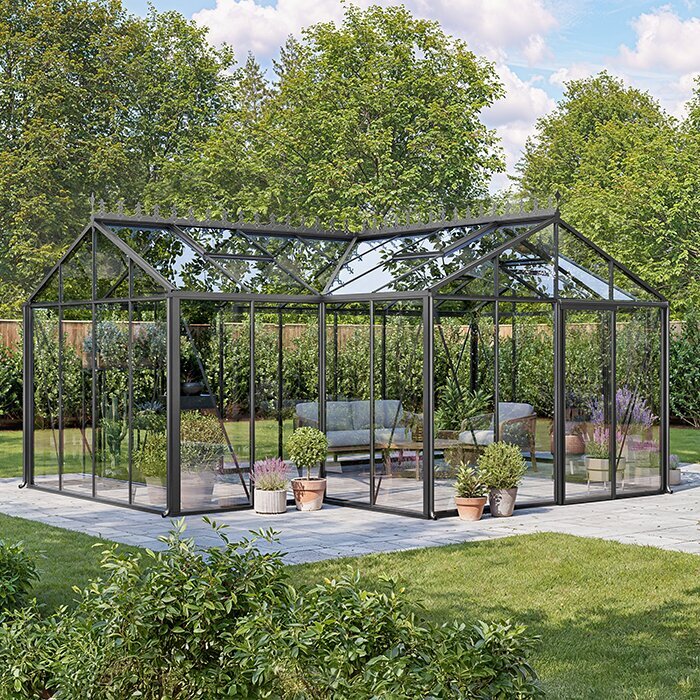
Before budgeting for equipment, sketch where it would go and check what you already own. For a configuration of the T-Model Greenhouse Orangery, use the selected layout and supplier’s itemized quote to distinguish included fittings from separately purchased benches, shelving, or watering equipment. Don’t infer those inclusions from the model name or photographs. For shared tools, record a greenhouse allocation only if it serves a useful budgeting purpose, and explain the method. An uncertain repair needs a note identifying the problem and whether the allowance comes from a quote, an earlier receipt, or a rough estimate. Review the equipment register before the season so known replacement needs appear in the cash plan rather than becoming unexpected purchases.
Shared utility bills and heating
Electricity belongs in the worksheet only when a greenhouse use can be identified. If you run a fan, pump, lighting, or propagation device, use separate meter data or another reliable record where available, then apply the utility bill’s relevant usage rate. Don’t allocate a whole household electricity bill by dividing it over greenhouse floor area. If several devices share a circuit and use can’t be isolated, note the method and uncertainty; leave the line as an estimate or outside the quantified total rather than inventing precision. Record equipment purchases and repairs separately so an electricity charge isn’t confused with the device’s price.
When planning a Lean-To Greenhouse, list the devices you intend to operate and separate their purchase prices from their ongoing electricity use. Neither the model name nor its placement establishes an energy budget. If providing power requires new installation work, obtain an estimate from a qualified professional and treat that work as setup rather than annual consumption. Heating needs its own calculation because the intended growing season, operating conditions, and heating arrangement require separate assumptions. This worksheet does not estimate that demand. Keep any heating total clearly identified when combining records for a broader ownership budget, so a supply-only year is not compared with a heated year as though they covered the same expenses.
Estimate costs from the planting layout
Use the planted layout to build a forecast, and the greenhouse’s overall footprint only as context. Mark beds, benches, pots, propagation space, paths, and areas left unplanted. A structure with more floor area doesn’t automatically require proportionally more seeds, media, or water if part remains open; a denser crop plan can change those quantities without changing the shell. This is why a single allowance based solely on square footage often misses the real drivers. Count the planned crops, containers, and watering zones connected to each budget line. Revisit those counts if you add a bed or change from trays to containers.
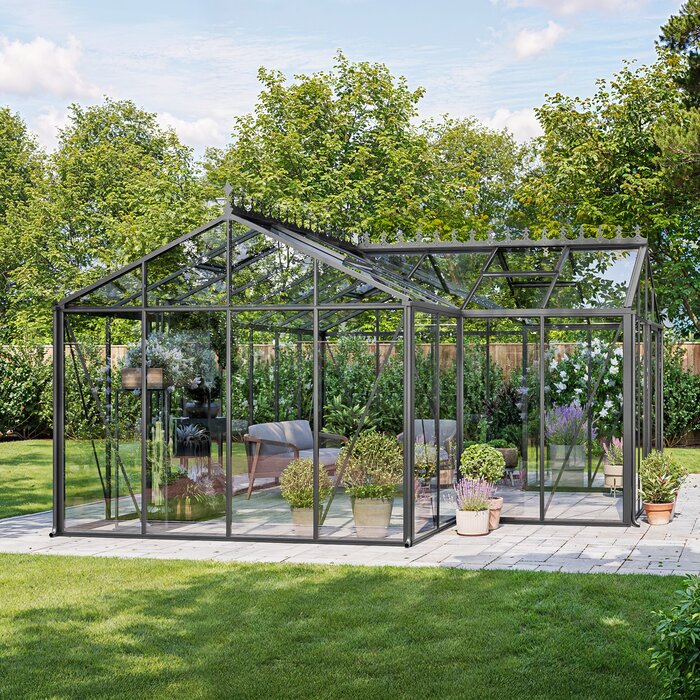
Make a base plan from crops you expect to grow, then compare it with one specific change, such as adding six containers or another succession of seedlings. These are illustrative planning choices, not assumed requirements. Identify which lines would change: seed quantity, container purchases, media volume, watering, or supports. Apply your own receipt prices and usage records to those quantities. If you are considering the large backyard greenhouse, listed configurations range from 506 to 753 square feet, but you need not budget to plant every available area immediately. A staged planting plan can distinguish the first season’s purchases from later expansion. Keep the costs of furnishing new growing areas separate from replenishing those already in use.
A reusable annual greenhouse worksheet
Use one worksheet with a row for each expense and fields for category, date, quantity, receipt amount, greenhouse share, budgeted amount, and actual amount. Mark each entry as measured, receipt-based, allocated, or estimated, and identify its source. Add opening stock, closing stock, and quantity used or lost only for consumables. Total greenhouse-attributed payments for the cash-outlay view. For an operating-cost view, use the consumables consumed or lost during the period, then add attributable water, nonheating utilities, and routine repairs. Show durable equipment purchases and future repair reserves separately. This distinction prevents a bag left in storage, a new bench, and a water charge from receiving the same accounting treatment.
At year-end, compare the plan with receipts and remaining stock, then explain differences: extra sowing, an unplanned replacement, discarded media, or an uncertain water allocation. Separate changes in unit prices from changes in quantities. If next year includes buying a Pyramid-type greenhouse, start a distinct acquisition and setup record instead of letting those purchases inflate your recurring-cost comparison. For the annual cash plan, note when purchases are likely to occur; several supply orders before planting can matter more to household cash flow than an annual total divided by twelve. Carry usable stock into the next period, and retain the allocation notes so the following review can reproduce your method.
Frequently asked questions
What should an annual greenhouse budget include?
Include the greenhouse share of seeds and purchased starts, propagation supplies, growing media, water, consumables, and equipment repairs or replacements. Add identifiable utility costs only when you can record or estimate them transparently. Keep the structure’s purchase and initial setup separate, and calculate heating on a separate record.
Should unused seeds or potting mix count as this year’s expense?
Record what you paid in the cash ledger during the year, then count usable stock left at year-end. For a supplies-use total, add opening inventory and greenhouse-attributed purchases, then subtract closing inventory. This measures supplies used or lost, so identify discarded stock separately. Exclude outdoor use through a documented allocation rather than charging it to the greenhouse.
How can I estimate the greenhouse share of my water bill?
Use a separate meter or reliable usage readings where available, then apply the usage-based rate on the matching bill. For a shared spigot, track greenhouse watering or use a consistent estimate and label it as such. Don’t assign the whole household bill, including fixed charges, to the greenhouse.
How should I account for equipment that lasts more than one season?
Record the full cash outlay in the year you buy the item, while keeping major startup equipment separate from ordinary running costs. Log repairs and replacements when they happen. If you set money aside for future work, show that reserve separately from expenses already paid so you don’t count the same cost twice.
Does a larger greenhouse automatically cost more to run?
No. The crop plan, planted area, watering practices, and equipment affect costs more directly than the outer footprint alone. A larger structure may have unused space, while a smaller one may be planted intensively. Forecast from your intended layout and actual records rather than applying a universal cost per square foot.
After one growing year, your log should show both the money paid and the materials actually used, with estimates clearly marked. Keep the same categories next season and revise them when the crop plan, inventory, utility use, or equipment needs change. That gives you an annual greenhouse figure grounded in your own garden and makes leftover stock visible before another order is placed. It’s a planning number, not a promise that costs will stay identical.
