
Buying a Small Greenhouse on Black Friday: Choose a Size You Won't Outgrow
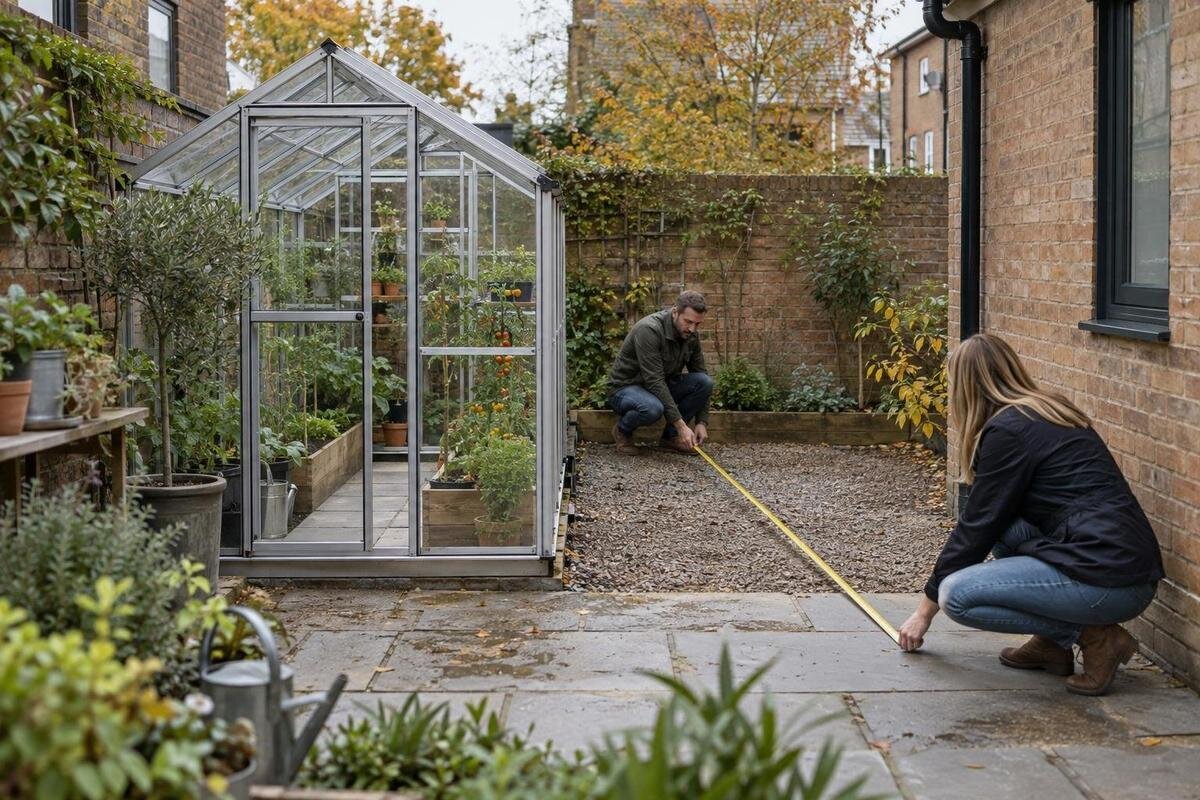
Black Friday greenhouse buying guide
If you plan to buy a small greenhouse on Black Friday, it can be tempting to compare a few listings and choose the one that appears to fit the yard. Size merits a slower look. A structure may fit the bare plot yet feel crowded once seed trays, established pots, shelves, and room to enter and work are accounted for. The useful question is not only how much ground the greenhouse covers; it is how much usable growing and working space the exact option provides for the plants you keep at the same time. This guide helps you compare current needs, likely next-stage plans, and measured yard space without assuming a particular seasonal offer.
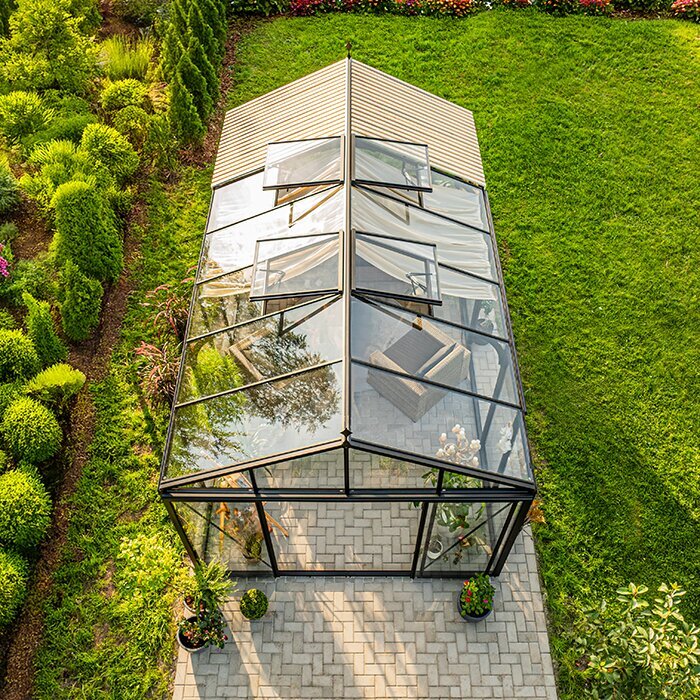
Before you buy 1
Count the jobs your greenhouse needs to do
Before opening product pages, list each job you expect the greenhouse to handle: raising seedlings, holding potted plants, growing crops under cover, or keeping a collection together through a particular part of the year. Mark which uses overlap. Seed trays that leave before summer containers arrive may share a surface; if both remain at the same time, they need separate room. Think about the plants and containers present during your busiest ordinary week, not the total number you use over a whole season. That peak is the capacity to test, and it helps distinguish a true space shortage from a short rotation of different tasks.
Record how many trays, pots, and larger containers you use now, their approximate outside measurements, and whether each needs floor or bench placement. Separate essential jobs from nice-to-have experiments; that difference matters when the site has a firm limit. Then compare a candidate such as an Aluminum Classic Greenhouse listing against the dimensions shown for its exact option. A product name and promotional photo cannot tell you how many containers fit. Use the listing's measurements as the starting evidence and your written inventory as the test, keeping both on one comparison sheet.
Plan for the next stage of your planting
Forecast a change you can describe rather than an unlimited wish list. You might expect to start more seedlings, keep additional containers, or hold one group under cover for longer. Note when those uses occur and the final container size, not just the size of a young plant or seed tray. If your plan requires two stages to coexist, give them separate places. If you have no specific expansion in mind, avoid adding an arbitrary percentage to your current needs; one credible next use is a better sizing test than a vague hope to grow everything.
Draw one layout for your current plants and a second for that realistic next stage. Label the trays, pots, and growing areas so you can see which spaces remain occupied and which can be reused. This makes timing part of the decision: a surface is not available for new seedlings if established plants still need it. If the future plan fits only by leaving containers in a path or removing a necessary growing area, the candidate does not provide the reserve you intended. Keep the two plans beside the product measurements so you can compare sizes using the same assumptions.
Before you buy 2
Measure the usable space in your yard
Measure the part of the yard where a greenhouse could actually sit, not the largest open rectangle you can see from the house. Mark its length and width, then note features that affect placement or access, such as paths, gates, fences, trees, drains, or other structures. Check the site at the intended location rather than relying on a rough estimate from a lawn or garden plan. Record the units as well as the numbers, and keep the measured area distinct from any space that must remain available for ordinary movement or upkeep.
Use tape, string, or another temporary outline to represent a candidate's outside footprint on the ground, then walk around it and check the route you use to reach the area. A page titled Aluminum Lean-To Greenhouse listing still needs to be compared with its stated footprint; its name does not establish how much room it will take. Keep notes on any tight edge or blocked approach rather than counting the entire yard as usable. If the product dimensions do not make the outside boundary clear, get that information before treating the greenhouse as a fit.
Compare outside dimensions with usable interior space
An outside footprint and a growing area inside are different measurements. For each exact size option, record the stated length and width and note whether those figures describe the overall exterior, a base, or the interior. Do not assume every part of the outside footprint becomes clear floor space for plants. Compare like with like: keep exterior figures separate from interior figures, and do not mix units. If a listing does not explain what its measurements refer to, ask for clarification instead of filling the gap from a photo or a product name.
A plan view can reveal how useful the space is for your layout. If the stated footprint has sections, corners, or changes in direction, one overall area figure may conceal narrow spots where a bench or large pot will not work. For any candidate, including the Garden View T Greenhouse page, use its actual listed dimensions or drawing to map the boundary and the interior space shown. Check the locations of entrances and any fixed areas that appear in the plan. Use those details to place your plants, rather than assuming the whole outline is equally usable.
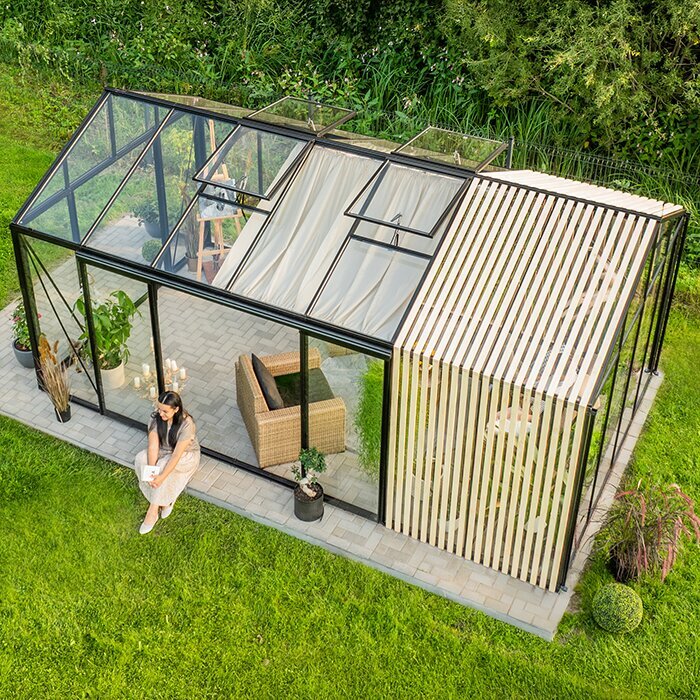
Before you buy 3
Draw the route through the greenhouse
A planting plan needs room for people as well as pots. Sketch where you would enter, walk, turn, and reach the plants you intend to tend. Mark benches or containers on a simple grid, then test the route with the items you normally carry, such as a tray or watering can. There is no single aisle measurement that suits every arrangement, so avoid selecting a size on the assumption that a narrow path will work for your routine. The layout should let you reach the plants you have counted without treating the walking area as spare growing space.
Check the entrance and door position on the product information if they are shown, and leave room for the door to operate as described. Then look at whether you can reach the back or side rows without moving other plants. Two arrangements may have similar listed dimensions but feel quite different when benches, containers, and the route in are placed. A line of pots that fits on paper is not useful capacity if you cannot tend it easily. If the plan feels awkward, move the growing areas or compare another size before ordering.
Count vertical growing space carefully
Shelves can create another surface for trays and smaller pots, but they do not increase the floor area. They also occupy vertical space and may limit the room available for taller plants or for reaching items below. In your sketch, mark which plants need an open area above them and which can share a tiered arrangement. Count a shelf as useful only if its position and size suit the plants you plan to put there. This keeps a high plant count on paper from masking a layout that leaves important containers with nowhere practical to go.
For a candidate such as the Bloomcabin Oasis Pyramid Greenhouse listing, check the stated interior dimensions and any plan provided for the exact option. The product name or image does not establish usable shelf height, clear space, or how much floor area remains. Add only the growing surfaces that your plan can actually use, and mark the vertical room needed by larger plants separately. If the available information does not show the interior dimensions relevant to your arrangement, treat that capacity as unknown until it is clarified.
Before you buy 4
Decide where tools and supplies will go
Decide whether tools and supplies will live inside the greenhouse or somewhere else. Empty pots, hand tools, labels, and a watering can can gradually take over a bench or floor area if there is no place assigned to them. Make a short list of what you genuinely want on hand, then reserve a specific zone for those items or keep them outside the growing space. That way, you do not count the same patch as both storage and planting capacity. If the greenhouse is primarily for plants, protect the clear growing areas in the plan from becoming a default place to leave equipment.
If you are considering a page titled Aluminum Greenhouse with Built-In Storage, check the plan and dimensions to understand what the listing describes as storage and how it relates to the growing area. Do not assume that a storage label adds usable planting space. Confirm whether the measurements cover the full unit and whether the designated area is separate from the space you plan to use for plants. Reserve that area in your drawing until the layout is clear, then compare the remaining growing space with your current and future plant plans.
Choose a realistic reserve, not an unlimited one
Set two thresholds before narrowing the shortlist: the minimum size that accommodates your current overlapping needs, and a preferred size that also supports one plausible next change. The preferred plan should include a workable route and any storage or bench area you have decided to keep inside. Compare each candidate with both thresholds instead of treating every additional square foot as automatically useful. If the larger plan depends on several uncertain future projects, decide whether those projects justify the space now. A defined reserve makes it easier to distinguish a small greenhouse that meets your needs from one that is merely the smallest available option.
Apply the same test to every candidate, including the Bloomcabin Prestige Premium Greenhouse listing. A model name does not answer how much space its exact option provides or whether that space fits your planting plan. Use the stated dimensions and the layout you have drawn, then check the site boundary again. If a candidate meets the minimum but not the preferred plan, decide whether the future use is important enough to change sizes; do not assume the layout will become more workable just because you hope to rearrange it later.
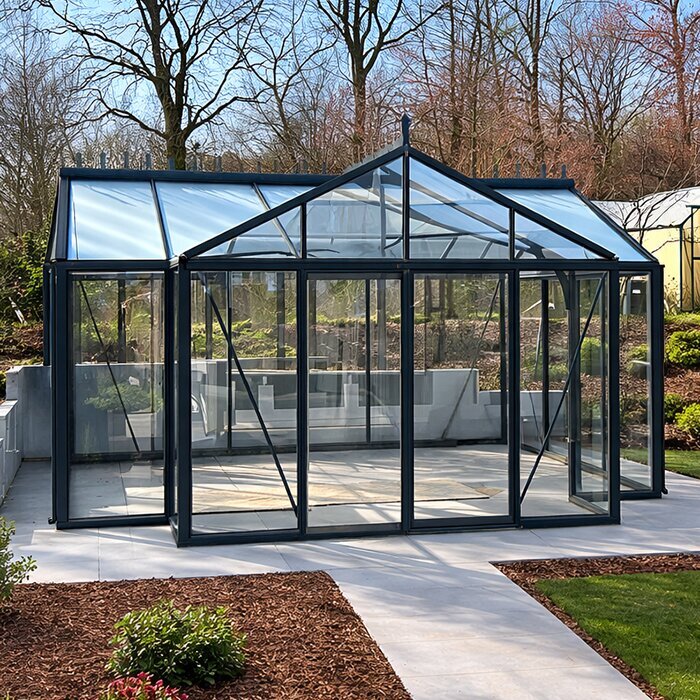
Before you buy 5
Compare the exact size shown during Black Friday
During Black Friday shopping, keep your size comparison open while reviewing product pages or any seasonal message. If a banner or markdown is displayed, check which exact product and size it applies to; do not let a product-family image stand in for the option you would order. Record the selected configuration and the dimensions associated with it, using the same exterior and interior measurements you used for other candidates. This keeps the decision focused on fit, without assuming that every size or configuration on a page is part of the same offer.
A page labeled Aluminum Limited Edition Greenhouse is still not a size specification. The name does not tell you the footprint, and any size option shown should be checked against its own measurements. If the page offers more than one size, compare the specific selection rather than relying on a general product description. Before proceeding, make sure the option you have selected corresponds to the dimensions on your comparison sheet. If the size or configuration is unclear, resolve that question before treating the candidate as a match.
Run one final fit check before ordering
Before choosing, place the selected outside dimensions over your yard sketch and add the interior plan for the plants, shelves, storage, and route you intend to use. Check that the busiest-week arrangement fits and that the future reserve remains realistic without using a path as growing space. Confirm that the measured site and the selected option refer to the same size. If either plan fails, compare a different size or revisit a nonessential use; do not force the greenhouse into a space that cannot accommodate your intended layout.
For any candidate, including the Bloomcabin Orangerie listing, judge the fit from the dimensions and layout provided for the exact option, not from the name or product image. Recheck what the measurements describe and whether a diagram corresponds to the size you selected. If key information about the footprint or interior is missing, ask for it before ordering rather than estimating from the photo. Keep the final measurements and plant plan together so the size decision stays tied to the space and use you actually have in mind.
Frequently asked questions
How much extra space should I plan for future growth?
There is no universal percentage that fits every garden. Name one realistic change, such as keeping more pots or starting another set of seedlings, and show where those plants would go. Include the space needed to reach and tend them; a reserve that works only when everything is squeezed together is not useful capacity.
Should I compare a greenhouse's outside dimensions or its interior dimensions?
Compare both. Outside dimensions show whether the selected option fits the available yard space; interior measurements help you plan plants, shelves, and access. Check what each measurement describes and make sure it applies to the exact size or configuration you are considering.
Is the largest greenhouse that fits my yard always the best choice?
Not necessarily. The maximum footprint may leave too little room for the route to the greenhouse or may exceed your actual planting plans. Choose a size that fits the site and provides workable growing space for the plants you expect to keep there, including one plausible next stage.
Can shelves prevent a small greenhouse from feeling cramped?
Shelves can provide another surface for trays or pots, but they do not add floor area. They also take up vertical room and may affect access to plants below. Include shelf positions, clear height, and the mature size of your plants in the layout rather than counting shelves as unlimited extra capacity.
Should I choose a size based on a Black Friday offer?
Set your size requirements first. If an offer is displayed, check which exact product and size it applies to, then compare that option with your measurements and planting plan. A seasonal label or product photo is not evidence that the selected configuration will fit.
Choose the footprint after drawing the plants and routine you actually expect, then make room for one realistic next stage. A greenhouse that fits the yard is not automatically the right size if the interior plan leaves no workable access, while a larger footprint is of little use if it exceeds your real planting needs. During Black Friday shopping, compare the exact selected option with your measurements. If the dimensions are unclear, get them before ordering rather than letting a product name or photo make the decision.
