
Compare Wooden Greenhouses for Black Friday: Price and Maintenance
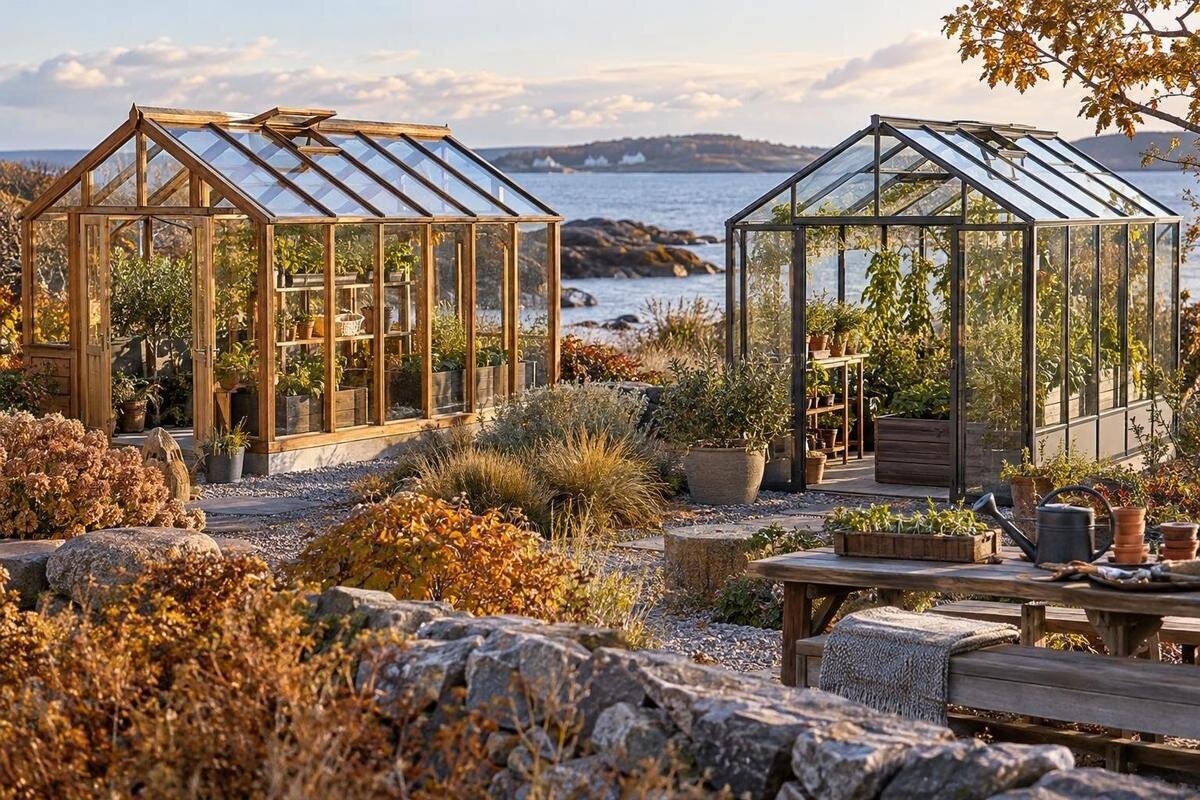
Black Friday greenhouse buying guide
Black Friday can be a useful time to compare wooden greenhouse listings, but the event name does not tell you whether a package is good value. Look beyond the upfront figure: compare the stated construction and finish details, what is included, and the care required after assembly. A lower purchase price may be offset by items bought separately or maintenance that does not fit your time and budget. This guide explains how to compare costs and written care information without assuming that a particular discount is active or that every wooden structure needs the same routine.
Compare the full purchase cost, not only the advertised price
Record the displayed price for the exact model and configuration you are considering. Then note each amount that may be added before the greenhouse is ready to use: required base or site preparation, shipping or handling charges shown at checkout, assembly help, and components the listing says are separate. Tax and shipping depend on the order and destination, so use the final cart or a written quote rather than estimating from a banner. Do not treat a percentage-off label as proof of a good deal; without a reliable reference price and a matching configuration, it says little about your actual cost. When two listings differ, compare the gap only after adding the same required items. Save the model name and selected options beside each figure.
Make a separate line for work and supplies you expect to handle later, such as wood-care products, cleaning materials, and replacement hardware if the manufacturer identifies those as needed. Distinguish confirmed costs from placeholders, and ask the seller which items are required versus optional. If you are open to comparing another frame type, place the aluminum classic greenhouse listing in a separate column, not as a wooden equivalent. Check that page's actual package and care instructions before comparing totals; its name alone does not establish what is included or what upkeep it requires. Mark each amount as one-time, optional, or recurring so checkout costs do not blur with later care.
Match the package before comparing greenhouse prices
A fair price comparison starts with equivalent scope. Match the intended footprint, frame package, glazing, doors, vents, base or anchoring components, and any shelving or storage only where those details are stated. A product photograph can show an option that is not included, while a short description can leave important items unclear. Mark each line as included, separately priced, or not specified. For missing information, ask before checkout rather than assuming the lower-priced listing covers everything. If measurements are supplied, check whether they describe outside dimensions or usable growing area; do not treat the two as interchangeable. Apply the same boundary to every candidate and list optional upgrades separately.
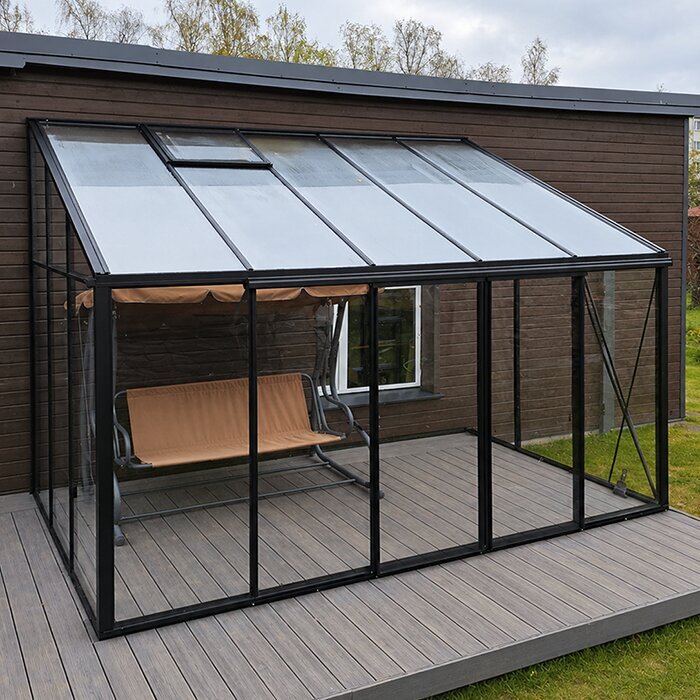
Keep layout separate from construction. A lean-to and a freestanding structure can suit different sites, so decide which form fits your space before comparing price and upkeep within that choice. If a lean-to is on your list, the aluminum lean-to greenhouse listing is a non-wood reference; check its stated dimensions and package details rather than treating it as a direct price match for a wooden model. The useful comparison is the actual scope of each candidate. Mark layout as a filter distinct from material so a close price does not disguise two different choices.
Check what “wooden” means in the construction description
“Wooden greenhouse” identifies a broad category, not a complete construction specification. Look for the stated wood species, grade or quality description, frame-member dimensions, connection method, and how the glazing attaches. These details help you compare like with like and spot missing information; they do not replace the manufacturer's assembly instructions or a qualified professional's advice about site-specific structural needs. If the listing does not identify the wood or explain the frame clearly, ask for written clarification. Do not fill a gap from a photo, a model name, or assumptions about how a species performs. Note whether any modifications are expected, if the listing says so, and record the seller's exact wording rather than decoding a general phrase such as “sturdy timber.”
Check whether the written description explains what comes with the frame, such as connectors, fasteners, glazing-retaining parts, or base components; count only confirmed items in your price comparison. A special or limited-edition label should still be judged by its actual product details. For a separate product reference, the limited-edition aluminum greenhouse listing is not a wooden construction specification; do not transfer its name or information to a timber model. Record any stated material limitations or required tools and compare them across your wood shortlist. A parts list or assembly guide can clarify whether the quoted package aligns with what you plan to build. If a structural question remains unanswered, ask a qualified professional rather than relying on an image.
Review the wood finish and its care instructions
Find out whether the timber is supplied unfinished, stained, painted, sealed, or treated, and ask which surfaces are covered and whether the treatment is applied before shipment. A finish label is not enough to plan maintenance: color, treatment type, and care interval are separate facts. Do not assume that a product photo shows the delivered finish or that every face and cut edge has received the same treatment. Ask whether the description applies only to the frame or also to separately supplied trim and parts. Compare only treatments described for the same surfaces; different components may have different instructions. Use the product description, care sheet, or a written response instead of interpreting a broad adjective as a complete specification.
Ask what product or process the manufacturer recommends for future care and how often it should be applied, if the instructions specify that. Include the cost of supplies and the time to prepare and recoat surfaces in your comparison; do not assume a finish lasts a fixed number of years without evidence. If no schedule appears, leave that cost unconfirmed rather than treating it as zero. If you are comparing other greenhouse listings too, the Garden View T greenhouse listing is a separate model page to assess on its own; it cannot supply the finish schedule for a wooden candidate. Keep each care detail tied to its specific model, and ask whether reapplication depends on exposure or visible condition.
Estimate the time and attention upkeep will take
Translate the manufacturer's care instructions into jobs you can picture doing. Depending on the model's guidance, a wooden greenhouse may call for checks of the frame and finish, routine cleaning, and attention to loose or worn parts. Do not assign a universal annual schedule: construction, conditions, and the product instructions matter. Ask whether care applies to the exterior only or to other surfaces, which checks the owner should perform, and what signs call for repair. Write the tasks in order—inspection, cleaning, and treatment if specified—and note whether each is seasonal, conditional, or prompted by visible wear. Record a rough time estimate for each task and use the same assumptions for every model.
Consider whether you can reach the areas that require cleaning or inspection, store any recommended supplies, and set aside time when maintenance is due. If you expect to hire help, request an estimate for the actual tasks rather than assuming a standard service cost. For another named greenhouse to evaluate using its own instructions, see Pyramid Greenhouse Bloomcabin Oasis; its product page cannot establish the care schedule for a wooden model. Compare any alternative only after checking its own care information. If seasonal tasks already fill your schedule, decide whether you will handle greenhouse maintenance yourself or arrange help before you buy.
Build a realistic upkeep budget
Estimate care costs over a period that reflects how long you expect to keep the greenhouse, rather than annualizing one guess. Start with the maker-recommended products and intervals, if provided; note quantities, current item prices, and the number of applications in your chosen period. If an interval or amount is unavailable, leave that line unconfirmed and ask instead of inventing a replacement cycle. Separately include your time or any paid labor. A low, expected, and high estimate can show how uncertain costs affect the total, while keeping those estimates distinct from confirmed prices. Use product recommendations and supplier quotes rather than a generic allowance, and keep the chosen time horizon visible.
Include replacement parts only when the product information identifies them or the seller confirms what may be needed; do not budget every possible failure as inevitable. Ask whether care supplies are included or sold separately. A product name can mention an extra without defining the package: the aluminum greenhouse with built-in storage listing is a reminder to verify precisely what any named feature includes before assigning it value. Apply the same discipline to a wooden model. Do not count an accessory as included because it appears in a photograph; put optional items in a separate column and leave unlisted items unresolved until clarified. If you keep a reserve for surprises, label it as your own cushion, not a forecast.
Read claims and care statements in context
Terms such as “weather-resistant,” “treated,” or “low-maintenance” can sound decisive but do not tell you what routine the owner must follow. Find the accompanying explanation: which part of the greenhouse the statement describes, what care tasks remain, and whether the manufacturer recommends inspection or re-treatment. Some claims may refer only to the initial condition, not later care, so ask about both. If those points are absent, request the instruction sheet or a written reply and keep it with your notes. Do not interpret broad marketing wording as zero upkeep, a fixed service life, or any guarantee unless the documentation says so. Check that instructions apply to the exact model you are considering.
Use the same evidence standard for every candidate, whatever its label or price tier. The Bloomcabin Prestige Premium greenhouse listing is one more product page to assess from its written details; a model name alone does not establish frame construction, finish, care intervals, or package contents. A wooden model deserves the same close reading where treatment claims or included preparation could change the first-season workload. Copy relevant phrases into your comparison sheet and note which page or written answer explains them. If descriptions use different terms, ask for clarification instead of ranking a model by one adjective. This makes unclear claims visible before purchase.
Confirm site preparation, shipping, and assembly details
Maintenance budgeting does not replace the upfront work needed to receive and assemble a greenhouse. Before ordering, verify the listed dimensions and required clearance against your site, check the route for moving packages, and learn what assembly tasks the seller expects you to handle. Confirm which base, foundation-related components, or anchoring parts are supplied and what must be prepared separately. Compare those requirements with the site you actually have; do not infer a suitable foundation or build method from a photo, price label, or another model's instructions. Measure the intended footprint and note access needed for doors and future maintenance, using only the model's stated dimensions. If site support or structural suitability is uncertain, ask a qualified professional.
Read the order page for shipping charges, delivery area, estimated timing, assembly options, cancellation and return conditions, and any exclusions, where those details are provided. Record them for the exact model and destination; do not use a different listing to fill a gap. The Bloomcabin Orangerie listing is another individual page to review if it is under consideration, but its product name cannot confirm that it fits your site or includes a particular service. If shipping or assembly information is missing, ask whether charges are fixed, destination-specific, or handled separately. Do not assume timing or service availability from the event; use current order information for your address and chosen model.
Judge any Black Friday offer by its terms
An event label is not an offer detail. When a page displays a Black Friday price, record the amount for the exact option and the date you checked, then compare it with the total for the same configuration elsewhere or with an earlier price only if you have reliable records. A percentage, crossed-out figure, or promotional headline should not substitute for the amount you would actually pay. No particular discount, voucher, or sale price is assumed in this guide. Keep a dated note or screenshot of the selected configuration because options can change; without a price record, there is no grounded savings comparison. Do not compare a different size or package and treat the difference as a discount.
Check the conditions shown with the offer: whether it applies to the model and options you want, what charges are added, and any stated end date, eligibility rule, delivery condition, or return terms. Keep a copy of the details, and do not confuse a product-page price with a total order cost. If the banner and checkout appear to conflict, ask the seller for written clarification before paying. A good offer for someone else may not fit your site or upkeep budget. Choose only after price, package, and ongoing care make sense together, even if that means deciding not to buy during the event. Make the selected options explicit in any saved price record.
Choose a greenhouse you can afford to maintain
Put the finalists on one sheet with four headings: confirmed purchase total, frame and finish details, required care tasks, and unresolved questions. Give maintenance a real place in the decision. A wooden greenhouse may suit you if its construction and appearance meet your needs and its documented care fits your time and budget; it is not a good value merely because its starting figure is lower. Weigh maintenance feasibility alongside the initial budget and site fit rather than letting a sale price dominate the first impression. If you would struggle to keep up with its finish, count that as a real cost. The right balance may differ for someone who handles upkeep from someone who needs help.
Before committing, resolve unknowns that can change your costs: what is included, which care products or applications are recommended, and what charges or tasks fall to you. If comparing other frame materials, assess each model's own written specifications and care guidance instead of assuming one needs no attention. A useful final check is whether you know what the first order includes, who will carry out routine maintenance, and what the likely care expenses are. The best Black Friday purchase is the wooden greenhouse whose full cost and routine you accept—not simply the option with the most prominent event label. If an unanswered detail affects affordability or care, wait until you can resolve it.
Frequently asked questions
Are wooden greenhouses automatically cheaper on Black Friday?
No. The event name does not guarantee a particular price or saving. Compare the same configuration, its full order total, and the care costs you can confirm. A lower displayed price may not include the same components or services as another listing.
What should I check before buying a wooden greenhouse?
Look for the stated wood species, frame and connection details, finish or treatment, package contents, and manufacturer care instructions. Check what is included and what is priced separately. Ask for written clarification if a detail could change your budget or maintenance routine.
How can I estimate wooden greenhouse maintenance costs?
Start with the manufacturer's care instructions and any recommended products or intervals. Add confirmed supply costs and your time or paid labor over the period you expect to own it. Keep unknown amounts marked as unconfirmed instead of treating them as zero.
Does treated wood mean a greenhouse is maintenance-free?
Not necessarily. A treatment description does not by itself explain which surfaces are covered or what care is needed later. Check the instructions for the specific model and ask about follow-up maintenance rather than assuming the treatment eliminates future work.
Should I choose a wooden or aluminum greenhouse?
Compare specific models, their package contents, and their written care guidance. Do not assume either material needs no attention or will cost less over time. Choose based on the construction details, total cost, site fit, and upkeep you are prepared to handle.
Black Friday can make it tempting to decide from the displayed price, but the better comparison is the wooden greenhouse's complete purchase package and the care you are prepared to provide. When you have matched inclusions, checked the finish instructions, and priced confirmed upkeep, the main trade-offs are clearer: what you pay now, what it takes to maintain the frame, and whether that routine suits your life. Choose the model whose costs and responsibilities you understand, rather than one whose unknowns have simply been left out of the total.
