
Buying a Greenhouse for a Hot Climate: Ventilation and Shading Priorities
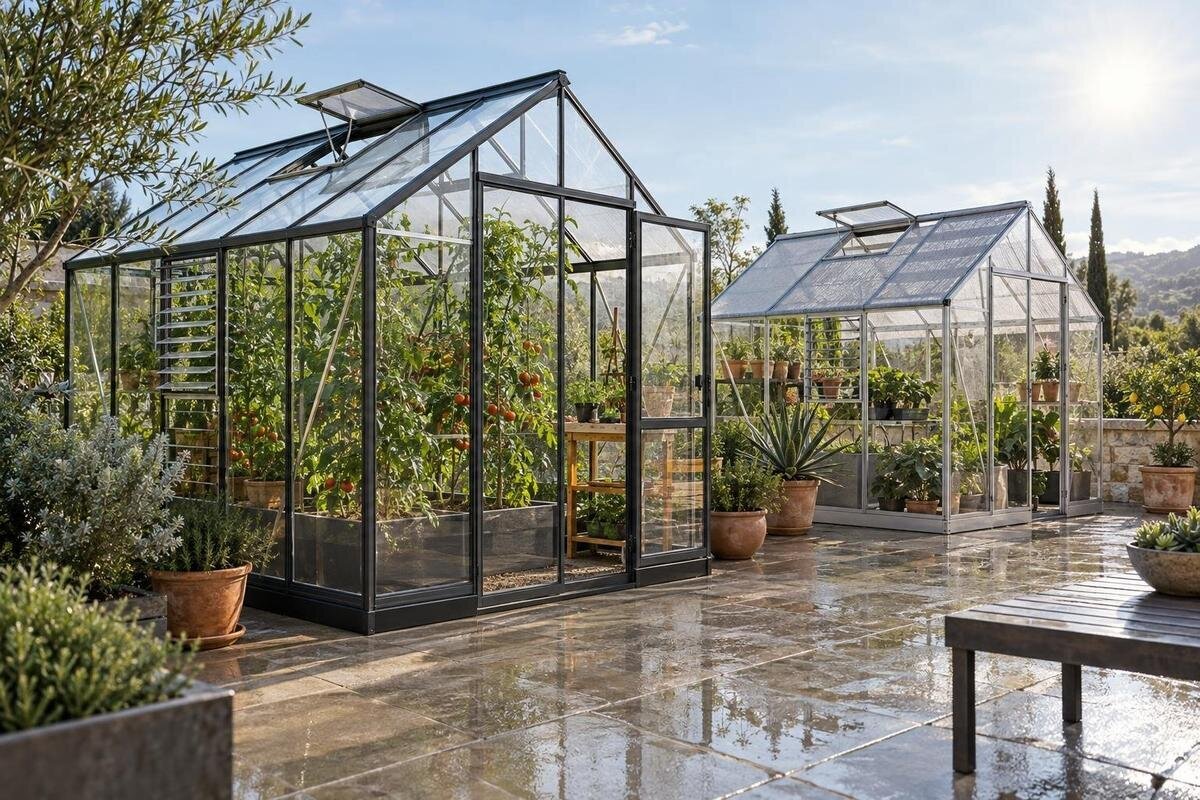
Greenhouse buying guide
Buying a greenhouse for a hot climate is less about choosing the largest enclosure and more about deciding how excess solar heat will escape and how much direct sun your plants need. Ventilation and shade work together, but neither is a universal fix: openings cannot guarantee cool conditions when outdoor air is very hot, while heavy shade can deprive light-demanding crops of the light they need. Australian climates and garden microclimates vary, so compare each structure against your site, intended crops and the time you can spend adjusting it. Focus on the position and operation of openings, compatible shade, usable growing space and details the supplier can confirm.

01
Why heat control should shape the purchase
A greenhouse admits sunlight through its covering, and the air and surfaces inside can warm quickly when solar gain is high. In a hot spell, a structure useful for raising seedlings or sheltering crops in cooler months may become unsuitable for those same plants if its openings and shade are inadequate. The buying aim is not simply to retain warmth; it is to make the growing space manageable during the periods when you plan to use it. Passive ventilation exchanges indoor air with outdoor air, but it cannot guarantee a temperature below the surrounding conditions. That distinction matters if you expect to use the enclosure through the hottest part of the year.
Treat a hot climate as a set of site conditions, not a single product category. A garden with hot afternoons and cooler nights differs from one with warm nights or humid air; shelter and neighbouring buildings can alter conditions even within a suburb. Note the hottest part of your growing season, direct sun through the day, overnight conditions and whether natural breezes reach the proposed position. Then decide whether the main purpose is winter propagation, summer vegetables, seedlings or year-round growing. That purpose determines how much shade you can use, which crops will share the space and how often someone can adjust ventilation. The same model may experience different conditions in two gardens because siting changes its exposure.
How ventilation works in a greenhouse
Effective ventilation depends on a route for air to enter and leave, not just a count of windows. Warm air tends to rise, so high openings can help it escape while lower openings admit replacement air. Whether that exchange works well also depends on opening area, position, outdoor conditions and obstructions around the structure. Compare the stated locations and usable opening sizes for roof vents, side vents, louvres and doors. Check whether screens or other fittings affect the openings, and whether plants, shelving or a wall could block the path. A large door alone does not tell you how much ventilation the greenhouse provides. A product sheet may list several openings without showing their combined usable area.
Think about who will manage those openings. Manual vents need to be reachable and simple to operate while the greenhouse is in use; automatic openers may reduce routine adjustments, but confirm what is included and whether they are compatible with the chosen vents. Consider what happens when nobody is home: manual vents need attention, while automatic equipment still needs checking. If your plan includes powered fans or controls, ask the supplier what equipment is required and have any electrical work assessed by a qualified professional. For the Prestige greenhouse with metal base, use the available product information to check its actual vent arrangement and included controls; the name alone says nothing about either.
02
Site sunlight and natural airflow
Choose the position before settling on a greenhouse shape. Observe the proposed spot at several times of day and, if possible, in different seasons; a patch that is shaded at midday in one month may receive stronger sun at another time. Buildings, fences and trees can interrupt breezes or cast long shadows. Check where the sun falls during the hours you expect to use the greenhouse, and whether nearby planting or structures would obstruct its doors and vents. This can reveal whether the site needs planned shade or whether the enclosure might lose too much useful light. Notes or photos from the growing area can help you compare what the roof and planting beds actually receive.
Allow space around the greenhouse for doors, vents and routine access, rather than judging fit from the footprint alone. A wall, hedge or shed close to a vent can restrict the route for fresh air; a crowded aisle can make manual controls awkward to reach. Compare available product drawings or dimensions with the clear space on your site, then check that likely opening positions remain unobstructed. Consider whether you could reach plants and move pots without having to shift equipment or squeeze past an open door. If you are considering the Orangerie, use the same site check: confirm its listed layout and openings with the supplier instead of assuming the name indicates how it will ventilate.
Vent locations and opening controls
Once the site is clear, compare opening arrangements rather than treating every vent as equivalent. Roof-level vents and lower side openings can create a useful path for air movement when both are present and unobstructed; side louvres may offer another way to admit air. The relevant question is what the chosen model actually provides, where those openings sit and how far they open. Look for a diagram or written measurements, and note whether door openings are intended to contribute to ventilation. A diagram can also show whether shelving, a wall or another obstruction would interrupt the route between openings. Insect mesh, blinds or other additions may alter airflow, so verify the complete configuration you plan to use.
Decide whether manual operation fits your routine or whether an automatic opener is worth considering. Check whether an opener is included, separately available or compatible with the vent type; do not assume it comes with the structure. Automation can ease daily adjustment, but it does not remove the need to inspect the greenhouse during changing weather or very hot periods. If a fan is part of your plan, ask the supplier or a qualified professional how its requirements and installation should be assessed rather than choosing one by guesswork. For Classic Plus 385, compare only confirmed vent and accessory details with other options; its model name is not a ventilation specification.

03
Shading options and their limits
Shade is a separate purchase decision from ventilation. A shade screen or cloth can reduce direct sun reaching plants, but the result depends on its coverage, timing, placement and the crop's light needs. External shade can intercept sunlight before it passes through the greenhouse covering; internal shade may reduce the light plants receive, yet does not prevent all incoming solar energy from entering the enclosure. Neither option guarantees a particular indoor temperature. If shade covers only the roof, low-angle sunlight may still reach plants through the sides. Compare what the shade is designed to do, rather than treating any dark material as an automatic heat-control solution.
Look for shade that you can adjust as light and growing plans change, and confirm its compatibility with the selected greenhouse and glazing. Ask whether a screen, cloth or fitting is included or must be sourced separately, which areas it covers and whether it interferes with opening vents. Avoid assuming the frame can carry an added attachment unless the manufacturer says so; seek advice on a suitable method if that point is unclear. Consider cleaning, removal and storage as well, since a system that is awkward to manage may not be adjusted when conditions change. A name such as T-model orangery greenhouse does not confirm any shade provision, so verify options for the actual model before you order.
Fixed shade or an adjustable screen?
Fixed shade from an eave, fence or nearby planting may suit a site where strong sun reaches the greenhouse at predictable times, but it can also remove useful light when the sun angle changes. Observe the spot through the seasons rather than relying on a single midday check. Trees are not a precise shade control: canopy coverage can change over the year, and branches may cast a different pattern as the sun moves. A short observation log or sketch can help distinguish a brief patch of shadow from shade that lasts through the growing season. Where light matters to a particular crop, compare the growing area's exposure with reliable guidance for that plant before choosing a permanently shaded position.
An adjustable screen gives you more choice about when to shade, but it adds work: it must be fitted, adjusted and kept in usable condition, and seasonal storage needs a place. Decide whether you will change it yourself, leave it in one position or use a different arrangement across growing seasons. If adjusting it is awkward or requires moving equipment, its flexibility may not be practical day to day. Ask the supplier which options suit the selected structure and how to use them without blocking vents. When assessing the pyramid greenhouse for a masonry base, treat its name and form as separate from shade performance; check compatibility and plan shade around the site and crops.
04
Match greenhouse conditions to the plants
Let the crop list drive the balance between sun and shade. Seedlings, leafy crops, fruiting plants and heat-loving species can have different preferences for light and warmth; follow reliable growing guidance for each, rather than choosing a shade level for a greenhouse in the abstract. If you intend to grow several types together, group plants with similar needs where practical and consider how their requirements change through their growth stages. Write down the most light-sensitive crop and the months it will occupy the greenhouse before settling on an overall light level. A shared shade or vent setting may not suit every bench equally.
Map the usable growing area as well as the overall size. Allow for paths to reach plants, open doors and tend crops, then consider whether shelves or taller plants would block vents or cast shade on lower benches. Your plant list also helps establish whether the greenhouse is mainly a seasonal workspace or a year-round growing space; those are different expectations for heat management. Note future plans too: a structure selected for seedlings may later be expected to hold taller crops or a wider variety of plants. If Aluminium Classic greenhouse is on your shortlist, assess its product information against the same crop plan, including confirmed openings and compatible shade options, rather than inferring suitability from the name.
Wall-mounted greenhouses and heat
A wall-mounted or lean-to greenhouse can be convenient where space is limited, but the wall changes sun and airflow conditions. A sunlit wall may reflect or radiate heat into the enclosure, while a shaded wall may reduce the light available; the actual effect depends on the wall, its exposure and the time of day. Nearby paving or other surfaces may also change the light reaching the greenhouse. Do not assume a wall will supply useful warmth or keep the greenhouse cool. Check how the proposed position behaves during hot weather, and whether it will receive the light your crops need across the seasons.
Check whether the wall blocks potential openings or leaves enough room to operate doors, vents and controls. A layout that relies on openings facing the wall may not provide the air path you expect, so ask for the model's arrangement and a suitable site plan before committing. Confirm what surface or support the manufacturer specifies, and ask a qualified installer if you are unsure about fixing or base requirements; do not improvise a mounting method. If the position depends on a narrow gap, request clear information about the required space. For an aluminium lean-to greenhouse, verify the stated installation and ventilation details for that model rather than treating every lean-to as interchangeable.

05
Specifications and ordering checks
Compare written specifications line by line before paying. Confirm external dimensions, usable growing space, door clearance, glazing information, vent locations and stated opening sizes, and whether openers, screens or shade accessories are included. Ask for clarification when a listing does not say; a product photograph, category label or model number cannot establish those details. Product images can help you understand a form, but they are not a substitute for a dimensioned drawing or a written list of included components. Check that the footprint fits your site while leaving room to reach the greenhouse and operate its openings.
Also check the requirements for the base, assembly and any accessories before placing an order. Follow the model's supplied requirements, and involve a qualified professional when the site, fixing or powered equipment raises a technical question. Confirm what is included, what must be bought separately and which details the supplier can put in writing, such as shade compatibility with the glazing. Where a listing is silent, do not assume an opener or shade screen comes with the structure, even if it appears in an image. The aluminium limited-edition greenhouse belongs on a shortlist only after its actual specification is compared with those requirements; an edition label does not indicate ventilation or heat performance.
A like-for-like greenhouse shortlist
Build a shortlist around the hottest conditions you expect, not just an ideal spring afternoon. For each model, record vent positions and operation, how replacement air can enter, the shade plan, plant-light needs, available floor space and any points awaiting confirmation. Compare the same details for every candidate, and separate included features from optional accessories. Give more weight to useful facts than vague claims: a vent's position, a stated opening size, an accessory's status or a confirmed dimension is more actionable than a general promise of good airflow. If a key measurement or compatibility question has no clear answer, ask the supplier before deciding.
Finally, choose a setup you can manage as well as one that fits the garden. Consider who will open and close vents, whether they will remain reachable once plants fill the space, how you will adjust shade and how you will notice conditions changing. If your availability varies over the year, make sure another household member can understand the controls and operating instructions. Automatic equipment can help with routine operation, but you still need to know what it controls and what to do if it is unavailable. There is no single greenhouse or shade arrangement for every hot climate: the sound choice is the one whose documented openings, compatible shade and usable layout match your plants, location and routine.
Frequently asked questions
Can a greenhouse stay cooler than outside on a hot day?
Not reliably through passive ventilation alone. Openings can help exchange warm air with outdoor air, and shade can reduce direct solar gain, but the result depends on the weather, site and airflow. Treat a greenhouse as a managed growing space rather than an air-conditioned room, and compare its controls with your plants' needs.
Are roof vents enough in a hot climate?
Not automatically. Ventilation depends on the opening arrangement, whether replacement air can enter elsewhere, and whether nearby walls, plants or fittings obstruct the airflow. Check the full route from inlet to outlet, including any screens or benches. Ask the supplier to confirm the vent details for the specific model.
Should I buy shade cloth with the greenhouse?
That depends on the crops and the way sun reaches your site. Shade can help limit direct sunlight, but too much may reduce light for plants that need it. Check whether a screen is compatible, how much area it covers and whether it is included or sold separately. Also make sure it will not obstruct vents.
Is a lean-to greenhouse a cooler choice?
Not necessarily. A nearby wall can change the amount of sun, reflected light and airflow, but it does not guarantee cooler conditions. Check how the proposed position behaves during hot weather, whether the wall blocks openings, and whether the growing area will receive enough light across the seasons.
What should I confirm before ordering?
Check the dimensions, usable growing space, vent positions and sizes, opening controls, glazing information and any compatible shade options. Confirm what is included and what is an accessory, and ask about base, assembly and installation requirements. If the listing leaves a technical question unanswered, ask the supplier or a qualified professional.
For a hot-climate greenhouse, the best choice is not automatically the largest model or the one with the most openings. Look for documented ventilation that can work in your position, then plan shade around the plants and the site's changing light. Confirm what the model includes, how its openings operate and whether suitable shade is compatible. A greenhouse cannot control outdoor weather, but a well-matched combination of airflow, shade and a manageable layout can make the growing space more practical through hot periods.
