
Buying a greenhouse for winter growing: what it can and can't do
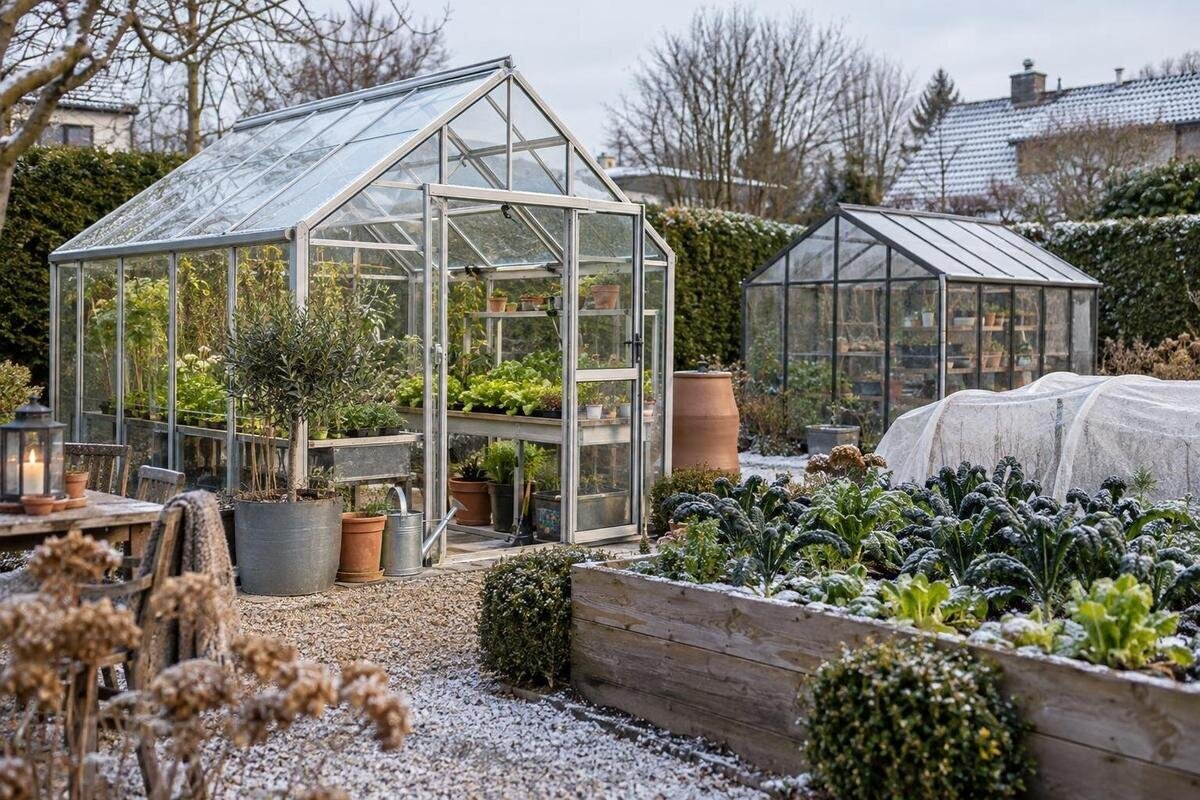
Winter greenhouse buying guide
Buying a greenhouse for winter growing is a decision about shelter and the growing conditions you can realistically create, not a promise of summer temperatures. A greenhouse can reduce direct exposure to rain and wind and let available sunlight warm the enclosed air, but an unheated structure may still cool sharply after sunset. Frost, cloud, shade, ventilation and plant needs all affect the result. Before choosing a model, decide what you want to grow, inspect the winter conditions at the proposed site and compare the actual structure and installation details rather than relying on a product name alone.

Before you order 1
What a greenhouse changes during winter
In winter, a greenhouse creates a boundary between plants and some of the weather outside. Depending on its construction, openings and how it is used, it can reduce direct exposure to rain and wind while allowing light to reach the growing area. It also gives you a covered place to water, inspect and tend plants, which can be useful even when the air is not warm. The degree of shelter varies: an open door, gaps, damaged panels or strong weather can change what reaches the plants. Treat the structure as protection from some exposure, not a sealed environment or a guarantee that every plant will be unaffected by winter conditions.
Sunlight entering the greenhouse can warm its surfaces and the air inside during the day, but the structure does not create heat once the sun has gone. A cover that keeps out rain is not automatically an insulating layer, and a bright afternoon does not establish the minimum temperature before dawn. Think of the greenhouse as one part of a growing setup: it may moderate exposure, while the site, crop choice, ventilation and any separately planned heating affect whether conditions meet a plant’s needs. This distinction is central when buying an unheated greenhouse for winter.
Why daytime warmth does not promise warm nights
A greenhouse often warms when sunlight reaches its surfaces and the enclosed air. The effect varies with the amount of sun, the site and the construction; cloud and shade can limit daytime warming. After sunset there is no incoming solar warmth, and the air inside can cool along with the air outside. In an unheated greenhouse, that drop may put frost-sensitive plants at risk. There is no single temperature gain you can assume for every structure or location, so avoid choosing a greenhouse on the basis of how warm it feels during one sunny afternoon.
A product name is not a winter-performance rating. The Aluminium Classic greenhouse listing’s name does not verify its materials or tell you how the whole enclosure performs at night. Check the stated frame and cladding details, glazing, closure points and any published performance information. Even a confirmed frame material alone would not tell you about gaps, the glazing or the temperatures your crops will experience. Compare the complete specification with the plants’ requirements, rather than inferring performance from the title or appearance.
Before you order 2
Frost risk depends on the site and the plants
Frost conditions can vary within one garden, not just between suburbs. A low-lying spot, an exposed corner, shade or nearby structures can affect the conditions around a proposed greenhouse site. A position that looks sheltered is not necessarily warmer overnight. Before ordering, observe the intended footprint during colder weather if you can: note when it receives direct sun, where frost appears and whether wind or runoff reaches it. If practical, take overnight readings with a min/max thermometer during a cold spell. They will not predict future weather, but they can give you better site-specific information than a summer impression.
Plants also differ in how much cold they tolerate, and requirements can vary between varieties and growth stages. Young or tender plants may need more controlled conditions than established, cold-tolerant crops; a greenhouse does not remove that difference. Small containers may experience quicker temperature changes than a bed, so being under cover does not automatically protect plant roots. Check reliable growing guidance for the exact crops and varieties you intend to buy, including their temperature and light needs. If those needs exceed what an unheated greenhouse can provide, choose different crops or plan a separate way to manage the environment.
Set a winter growing goal before comparing models
Decide what winter growing means for you before you compare greenhouse sizes. You might want to shelter established cool-season vegetables, extend harvests at either end of the season, raise young plants, overwinter particular ornamentals or keep a crop producing through the coldest weeks. Those aims put different emphasis on usable area, light, ventilation and minimum temperature. A greenhouse that gives useful protection from rain may suit one plan but fail to provide the warmth needed for another. Write down the plants, quantities and timing you have in mind instead of treating winter growing as one standard use.
Use that list to set criteria for each product page. Check whether the stated internal dimensions accommodate your plants and any paths or benches, then compare the enclosure details with the crops’ light and temperature needs. A listing such as Classic Plus 385 is a model name, not evidence of a particular growing capacity or winter temperature; rely on the dimensions and features actually stated for it. If your aim is to harvest through a cold period, find out what conditions can be expected without added heat and what would need to be supplied separately.

Before you order 3
Check winter sunlight and exposure at the proposed site
A sheltered position can still be too shady for the plants you have in mind. The winter sun sits lower than it does in summer, so shadows from trees, fences, eaves and neighbouring buildings may reach a spot that seems bright at another time of year. Check the actual footprint at different times during the day rather than relying on one midday visit or a summer photograph. Evergreen growth may continue to cast shade, and bare branches can still affect the light depending on their position. If the site receives little winter sun, adjust your crop choices and expectations rather than expecting the greenhouse to make up for missing light.
Light is only one part of siting. Consider how exposed the position is to wind, where rainwater drains, whether access stays clear in wet weather and how you will move plants and supplies to the entrance. Suitability for an exposed site depends on a greenhouse’s actual design and installation instructions; a sturdy appearance is no substitute for the manufacturer’s guidance or professional advice. The aluminium lean-to greenhouse listing title is not proof that a particular wall or corner is suitable. Verify the model’s stated site requirements and clearances before deciding where it will stand.
Check wall-adjacent layouts carefully
A wall can change shade, airflow, access and drainage around a greenhouse. Depending on its position, it may block useful winter sun for part of the day or make the space between the wall and structure difficult to reach for cleaning and maintenance. A nearby wall does not automatically provide useful heat, and its presence does not prove that the greenhouse can be attached to it. Check the orientation, dimensions and manufacturer’s instructions for the exact model. Measure the whole proposed footprint, including doors and access to vents, and consider where runoff from surrounding surfaces will go.
If you are considering a wall-related design, ask what the product description means by its base or installation type and what support is required. The T-model orangery greenhouse for a wall base name is not a substitute for its supplied drawings and written instructions. Check whether the stated dimensions include the parts needed at the wall, whether separate work is required and whether doors and openings will remain accessible. Where fit or support depends on your site, have the proposed arrangement checked by a qualified installer or relevant building professional.
Before you order 4
Treat the base and ground as part of the purchase
Plan the base before placing an order, because site preparation can affect what the installation instructions require and what must be arranged separately. Confirm whether a base is included, whether the greenhouse expects a prepared surface or a particular support, and what dimensions and tolerances are stated. Check the footprint against the available space and consider level, drainage and access. Existing paving or a garden bed should not be assumed suitable just because it appears firm; compatibility depends on the product details and the site. If ground conditions, wind exposure or fixing points are uncertain, ask the supplier and a qualified installer before committing.
A model name that mentions masonry does not replace technical instructions. The pyramid greenhouse for a masonry base is a product description to review, but its name alone does not specify the required support, dimensions, fixing method or suitability of an existing base. Those details need to come from the current product documentation, with professional advice where the site requires technical judgement. Include preparation and any separate base work in your budget and order plan, so the greenhouse price is not mistaken for the complete cost of a usable installation. Do not improvise structural calculations or change the specified support arrangement.
Read the full specification, not just the model name
Compare each greenhouse by its written specification rather than headline wording or product photographs. Look for overall and internal dimensions, stated frame and cladding materials, any declared cladding thickness or construction, the position of doors and vents, closure details, an included base and supplied accessories. Distinguish standard items from optional extras, and note whether replacement components are described. These details help you assess shelter, light, airflow and everyday use, but they do not guarantee a particular indoor temperature unless the supplier states applicable performance information. A photograph cannot confirm those specifications.
The Prestige greenhouse with metal base name helps identify a model, but it does not tell you the complete package or make a base a prepared foundation. Read the current description, assembly instructions and any performance information; if a detail matters to your winter plan but is missing, ask for it in writing before ordering. Do not assume that a word in the title verifies a material, that the openings suit your site or that every pictured fitting is included. If you might add heating, check documented compatibility and ask a qualified professional about safe design and installation rather than adapting the structure by guesswork.

Before you order 5
Make sure the layout works for winter use
A greenhouse can look large enough in a listing but feel cramped once plants, paths and equipment are in place. Compare the external footprint with the internal growing space, and check the measurements provided for the door, wall height, usable floor area and any projections shown in the drawings. Mark where plants will sit, allow room to reach them, and make sure doors and vents can open as specified. Winter work may involve moving containers, harvesting, clearing finished plants or carrying in supplies; a layout with no clear route can make those ordinary tasks awkward.
Sketch a simple plan with the largest containers or benches you expect to use, not only the smallest plants you might start with. Consider where water and tools will go, whether you can rearrange the space between crops and whether accessories take up floor area. Judge the Orangerie model by its published footprint and internal measurements, not by what its name might suggest. If the dimensions are unclear, ask before buying. This can help you avoid paying for space you cannot use or choosing a layout that does not support your winter growing plan.
Compare the complete order and setup
Build a complete comparison that includes more than the greenhouse itself. Check what delivery covers, whether access or unloading arrangements are your responsibility, and which base work, assembly, fittings, cladding and vents are included or excluded. Confirm the delivery address requirements, assembly support and how to order parts if something is missing. These terms vary by seller and product, so rely on the current written listing and order confirmation rather than assuming every model comes with the same service. Add any planned base work, qualified installation or separate heating equipment to your budget; running costs also matter if you intend to heat the space.
Do not read phrases such as limited edition as proof of a discount, deadline, warranty, delivery promise or winter-ready equipment. The Aluminium Limited Edition greenhouse should be assessed from the current product description and order terms, like any other model. Check the price and availability when you order, compare the stated inclusions and keep a record of the order. Avoid comparing a basic greenhouse in one listing with a more complete setup in another; include the same items and work in each calculation so the difference is meaningful.
Frequently asked questions
Will a greenhouse keep plants frost-free in winter?
Not by itself. An unheated greenhouse can warm in sunlight and then cool overnight, so frost may still affect plants. The result depends on the weather, site, enclosure and crop. Check the plant’s cold tolerance and the greenhouse’s stated details rather than assuming that a cover guarantees frost protection.
Does an unheated greenhouse stay warmer than the garden overnight?
It may be warmer during the day when sunlight reaches it, but you cannot count on a fixed temperature advantage overnight. Cloud, exposure, construction and openings all affect conditions. If a crop needs a reliable minimum temperature, compare that requirement with the product’s stated performance and plan any extra heat separately.
What can I grow in a greenhouse over winter?
That depends on your local conditions and the needs of each plant and variety. Choose crops suited to the light and temperatures your greenhouse can provide; shelter may extend a growing season, but it does not create summer conditions. Check reliable growing guidance for the crops you plan to buy.
Is a wall-side greenhouse automatically warmer?
No. A wall can change shade, wind exposure and airflow, but its effect depends on its position and the greenhouse layout. It may also block useful winter sun or restrict access. Check the model’s installation instructions and do not treat a nearby wall as a source of reliable heat.
What should I check before ordering a greenhouse for winter?
Compare the dimensions, cladding, doors, vents and any stated performance information with your growing plan. Confirm what base or site preparation is required, what is included and what costs extra, and whether the proposed location meets the installation instructions. Ask a qualified professional about site-specific support or installation questions.
A sound winter-growing purchase sets honest expectations: a greenhouse can provide cover and make use of daylight, while the site, crop and enclosure determine how useful that shelter will be. Choose the plants and growing period first, then assess winter light and exposure and confirm the base, cladding, openings, dimensions and order inclusions from current documentation. If your plan depends on temperatures an unheated structure cannot maintain, treat added heat as a separate design and running-cost decision, with professional advice where needed. The right choice is the one suited to the conditions you can actually create.
