
Can You Run a Greenhouse With Weekend Visits Only?
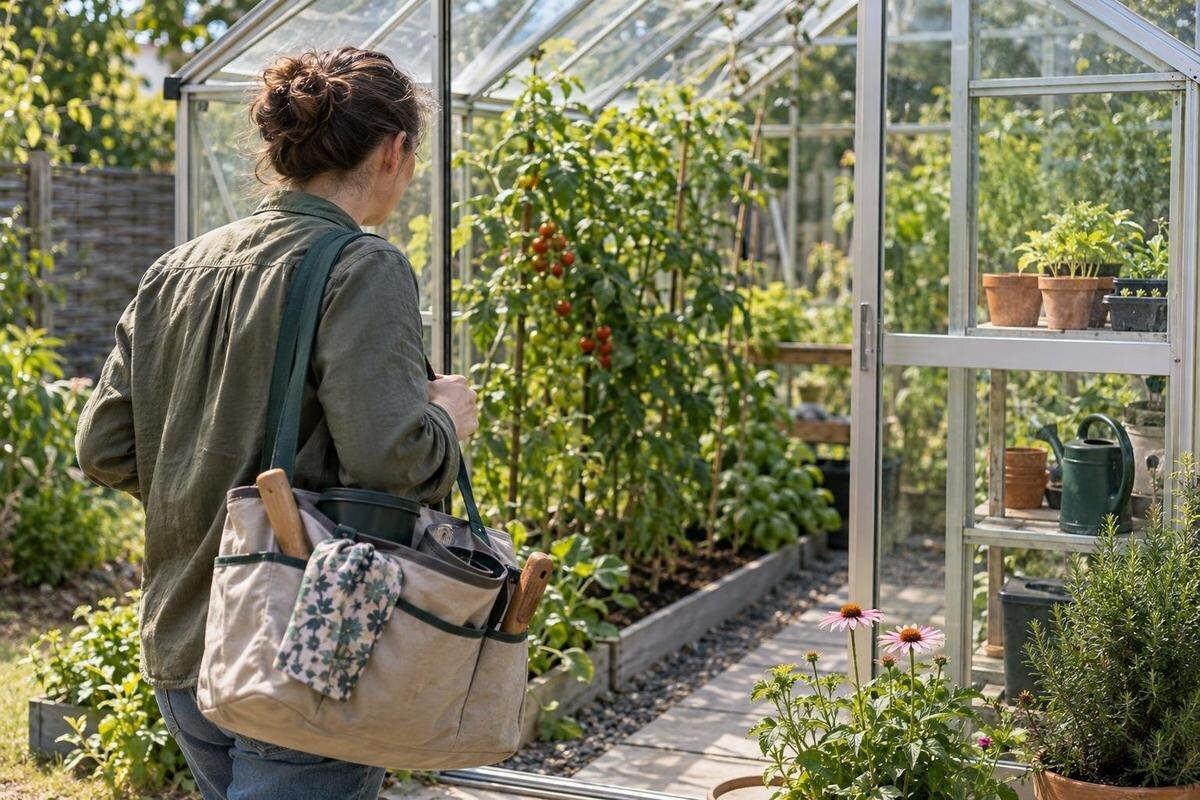
Greenhouse planning
Yes, it can be workable, but only if the whole gap between visits is part of the plan. A timer does not confirm that water reached every plant, and a vent cannot guarantee suitable conditions in every spell of weather. The deciding factors are the longest time the greenhouse will go unchecked, the crops and their growth stages, and whether anyone can respond if a system fails. Treat weekend-only growing as a deliberately limited routine: test it with a modest crop load, keep a record of what needs attention, and expand only when the setup has proved reliable.

When weekend-only greenhouse care is realistic
Weekend-only care can work when the interval is designed into the plan, rather than when everything depends on a perfect Saturday visit. Ask whether plants can stay in good condition from one check to the next without someone opening a door, topping up water, moving a tray, supporting a stem or picking ripe produce. The answer changes with the season, weather and crop stage. A routine that suits established plants in mild conditions may not suit new seedlings during a hot spell. Treat each visit as a full inspection, not simply a watering stop, and identify which jobs cannot wait until the following weekend. Include weekends already filled by travel or other commitments.
Count everything that accumulates at a visit: water checks, ventilation, harvest, pest inspection, tying or pruning and clean-up. Note which tasks happen every time and which are seasonal; if the regular list already fills the hours you have, reduce the crop plan before adding equipment. For scale, the Aluminium Classic Greenhouse listing gives a size range from 3.77 m² to 28.08 m². Those figures describe area, not care hours or plant capacity. Use the exact plan alongside a realistic crop list, then choose a footprint you can inspect and maintain without rushing past faults. The same footprint can be easy or demanding depending on the crop mix.
Measure the gap between visits
Write down the actual interval between checks, from the time you leave after one proper inspection until you return and inspect again. A visit once each weekend can still mean several days without observation, while a trip, illness or busy weekend may lengthen the gap. A quick look from outside does not count if you cannot see the growing medium, vents or water supply. Plan for the longest ordinary absence, not the ideal calendar, and include any dates when your usual helper will also be away. Ask what happens if you cannot make the next visit. Mark specific trips on the calendar before sowing or buying plants.
Weather forecasts can help you anticipate conditions, but they cannot replace someone who can open a vent or deal with a failed line. Decide before planting what you will do during a hot spell or when travel extends the interval. The Spacious Greenhouse range lists areas from 47 m² to 70 m²; that published scale is not a workload estimate, but it underlines why a larger planting plan needs clearly mapped zones and time to inspect them. Whatever the size, identify which crops you could reduce or remove before an extended absence. Plan how you would respond to conditions your setup has not yet handled.
Plan watering and a genuine fallback
Water demand varies with crop, growth stage, container size, growing medium, sun exposure and weather, so a schedule that worked during a cool week may not carry plants through a warmer one. Unless a growing area is designed to receive rainfall, do not assume outside rain will reach roots under cover. Check how quickly each bed and group of pots dries in different conditions, and note differences between sunny and shadier parts of the greenhouse. That observation is a better basis for planning the unattended interval than a timer setting alone; recheck it when crops grow or the season changes. Compare conditions after watering and before the next visit.
An automatic timer only waters if its supply, controller and lines work as expected. While you are present, run it through its normal cycle and check that every zone receives water at the plants; look for blocked emitters, leaks, a depleted supply and power or battery issues where relevant. The Wall Greenhouse range lists areas from 3.69 m² to 14.34 m²; for any footprint, mark every bed and container on the exact plan so no watered area is overlooked. A second timer on the same empty tank or blocked line is not a genuine backup. Arrange an independent fallback, such as someone who can check and follow an agreed watering plan. An alert helps only if it reaches someone who can respond in time.
Account for heat and ventilation
Sun can drive an enclosed greenhouse hotter than the surrounding garden, and the peak may occur while you are away. Observe the space during bright conditions, not only on a comfortable day; a min/max thermometer can show what happened between visits. Ventilation, shade and crop choice need to work together: extra shade does not make poor airflow safe, and leaving a door open may not be a reliable plan. Decide what happens when a hot forecast arrives. A check from someone, a change to the crop plan or postponing vulnerable planting may be necessary, depending on your setup. Keep notes from more than one warm day before relying on a routine.
Check the exact ventilation arrangement for the configuration you intend to buy: where openings are, what operates them and whether any automatic device has suitable operating limits. Keep vents clear of plants and gear, and plan for a jammed vent or, with powered equipment, a power failure. The Limited Edition Aluminium Greenhouses are listed from 3.77 m² to 28.08 m², but area alone says nothing about vent placement, opening capacity or controls. Confirm those details on the precise model and any selected accessories rather than inferring them from its name or footprint. Automatic operation does not remove the need for maintenance and checks; power requirements depend on the device.

Choose crops around your absence
No crop is automatically weekend-proof. Seedlings, recently transplanted plants and fruiting crops can need closer attention than established plants, but the difference depends on variety, medium and weather. Tomatoes, for example, may involve regular watering, tying in and picking; that does not rule them out, but it means planting a few is more sensible if time and backup are limited. Avoid building the plan around crops that must be harvested at a particular moment or need frequent intervention while nobody can attend. Do not transplant immediately before you leave; allow time to settle and check plants first. A crop calendar can reveal harvest peaks during planned absences.
For a first trial, use a short list of locally suitable crops with a watering and harvest pattern you can observe, rather than filling every bed with seedlings. Established herbs or seasonal greens might fit some plans, yet herbs differ and leafy greens can bolt in heat; neither label guarantees low care. The T-Model Orangery Greenhouse page lists areas from 16.52 m² to 30 m². Use its published area only to think through how many plants you intend to grow, then check local planting timing and variety needs before deciding on the mix. A small trial also makes it easier to spot which crop is driving extra work. Test the mix in the season when you expect to be away.
Keep pots, beds and paths manageable
Your choice of containers affects how you plan watering. A small pot or propagation tray holds less growing medium than a bed and may dry faster, so a greenhouse full of pots can create many separate points to inspect. Group plants with similar moisture needs and keep different requirements in separate watering zones where practical; one schedule may not suit seedlings, established herbs and fruiting plants equally. Larger beds can buffer moisture changes, but they are not self-watering. Check the plants at the back and on shelves as well as those near the door, and avoid leaving hard-to-reach corners out of your routine. Label zones so a helper can see which plants share a watering schedule.
Make the weekly route comfortable enough to repeat: leave room to reach plants, inspect irrigation lines, remove produce and carry tools without moving half the crop. Sketch beds, pots, trays and paths before you fill the footprint. The Pyramid Greenhouse range lists areas from 5.53 m² to 18.9 m²; the figure helps establish scale, but the exact layout determines how much room remains for growing, access and inspection. A crowded arrangement can also hide early signs of stress or pests. Do not add plant numbers until every area is reachable and included in your watering and harvest plan. The route should include close inspection, not just walking past.
Leave room for pest checks and harvest
A thorough inspection at each visit is more useful than a quick glance through the door. Follow a consistent route: look at new growth and both sides of leaves, check stems and growing surfaces, and notice wilting, marks, fallen leaves or persistent dampness. Keep a brief dated note or photo of changes since the last visit; gradual decline is easy to miss when you rely on memory. If an infestation or disease appears, decide whether it needs prompt attention rather than assuming it can wait another week. Routine cleanliness and adequate air movement are useful, but cannot prevent every problem. Record the affected crop and its location so you can spot a recurring pattern.
Harvest timing deserves its own check. Fast-growing crops such as zucchini can move past the size or texture you want between visits, while other crops need regular tying, pruning or support. Grow only as much as you can pick at the interval you have, and remove ripe or damaged produce when you arrive. The Limited Edition Greenhouses with Storage listing spans areas from 5.52 m² to 28.08 m². Its name identifies a storage option, but the headline area does not show how storage and growing space sit together; use the exact layout to plan tool access and usable crop area. Staggered sowings can spread harvest, but add different stages to inspect. If the first harvest already fills your visit, do not add another crop batch yet.
Arrange a person who can step in
A local backup person turns a failed system from an unnoticed risk into something that can be checked. Agree in advance how they get in, which areas to inspect and what counts as a problem: dry pots, an empty supply, a vent that has not opened, damage or unusually hot conditions. Leave short instructions for the watering method and your contact details, and ask them to call rather than improvise if a fault is beyond the agreed task. Confirm their availability for the dates you plan to be away. A quick message or photo can help you decide what to do next. Make clear that they are not expected to repair equipment or guess at a treatment.
If you cannot arrange help, limit the plan to what can ride out the whole interval and be prepared to suspend greenhouse growing when conditions exceed that limit. The Bloomcabin Prestige Greenhouse range lists areas from 3.77 m² to 28.08 m², but product area alone does not show whether a helper can reach every plant or control. Compare the exact layout and access details, rather than choosing on area alone. Make any backup route clear before you leave; extra equipment is little use if nobody can check or operate it. Reduce high-demand crops before periods you expect to be difficult.

Test the setup before planting heavily
Prove the routine while you are available to correct it. Run each watering zone through its normal cycle, inspect how the plants and growing medium respond, and repeat under more than one set of conditions. Check timers and vents at the times they are meant to operate, and make sure you know how to recognise a failure. A test on one mild afternoon cannot establish what will happen during hotter weather, so treat setup checks and seasonal checks as separate tasks. Never test by deliberately withholding water from vulnerable plants; test the delivery and response instead. Use the same water source and settings you plan to use while away.
Before increasing the crop load, try a representative absence with a small number of plants and a backup person who knows the plan. After you return, record which plants were stressed, whether water was distributed evenly, what needed attention and how long the visit took. If no helper is available, trial the longest gap only with a crop plan that can reasonably tolerate it and do not begin if you would have no way to respond to a warning. Change one part at a time so you can tell what improved or failed, then repeat the trial when conditions or crop stages change. Write down what passed and what needs retesting.
Set a limit for the work you can do
Turn the notes into a realistic weekend time budget. Allow for inspection before watering, then harvesting, tying or pruning, removing debris, checking the system and cleaning up; the order will depend on your crop plan. Record the time for actual jobs over several visits, including extra work after warm conditions or a missed check. Separate predictable weekly tasks from occasional maintenance, and do not use a quick visit during a calm week as your average. Include carrying tools or water and clearing the space, not just hands-on plant care. If your available time varies, note which visits were rushed. If the regular list exceeds your time, remove crops or simplify the layout.
Set limits before buying or planting: the largest crop load you can manage, the longest unattended gap and the conditions that trigger a change of plan. If a heat spell, failed watering system or unexpected trip would leave you unable to respond, choose a shorter growing season or reduce the planting rather than hoping automation will cover every failure. Review those limits when weather shifts or crops enter a new stage. Choose the greenhouse size according to the area you can inspect, water and harvest, not simply the space you wish to fill. Weekend visits can be a workable routine, but they do not mean the greenhouse will never need attention between visits.
Frequently asked questions
Can I leave a greenhouse unattended for a week?
Sometimes, but there is no universal week-long allowance. Weather, crop stage, containers and irrigation all affect what plants can tolerate. Test your setup through the full interval with a small crop load, and plan for a missed visit as well as a normal week. Crops that need frequent attention may not suit a week without checks.
Will an automatic watering timer make weekend-only care reliable?
Not by itself. A timer cannot confirm that water reached every plant or that the supply is still available. Test each zone, inspect the water delivery and check the controller and supply as applicable. A useful fallback should not depend on the same likely failure point; a person who can check and act is one option.
Which crops suit weekend greenhouse visits?
Choose according to your local season, watering needs and harvest timing rather than relying on a universal list of easy crops. Established plants may need less attention than seedlings, while small pots can dry quickly and fast-growing produce may need picking before your next visit. Trial a few crops and keep those that cope with your routine.
Do I need someone to check the greenhouse midweek?
A reliable contact is especially valuable during hot weather, after transplanting or while you are still testing the setup. If nobody can attend, keep the crop plan small and stay within conditions you have observed. Decide in advance how you would change or pause growing if the weather or a system failure exceeds those limits.
How large a greenhouse can one weekend gardener manage?
There is no area that suits every weekend gardener. Crop numbers, plant types, growth stages, access and watering arrangements affect the workload more than floor area alone. Map the beds and paths, record how long visits take, and choose a space you can inspect, water and harvest without relying on a rushed check.
Weekend visits can be enough when the plan accounts for the longest gap, not just the usual routine. A small crop list, tested watering, ventilation suited to your conditions and a person who can respond provide more confidence than assuming automation will do everything. Keep the first season modest, observe how plants cope between visits and use those results to decide how much to plant next time. If the setup cannot cope with a hotter spell or a missed weekend, scale back or grow seasonally rather than relying on a fragile routine.
