
Can a Greenhouse Help Grow More Food at Home?
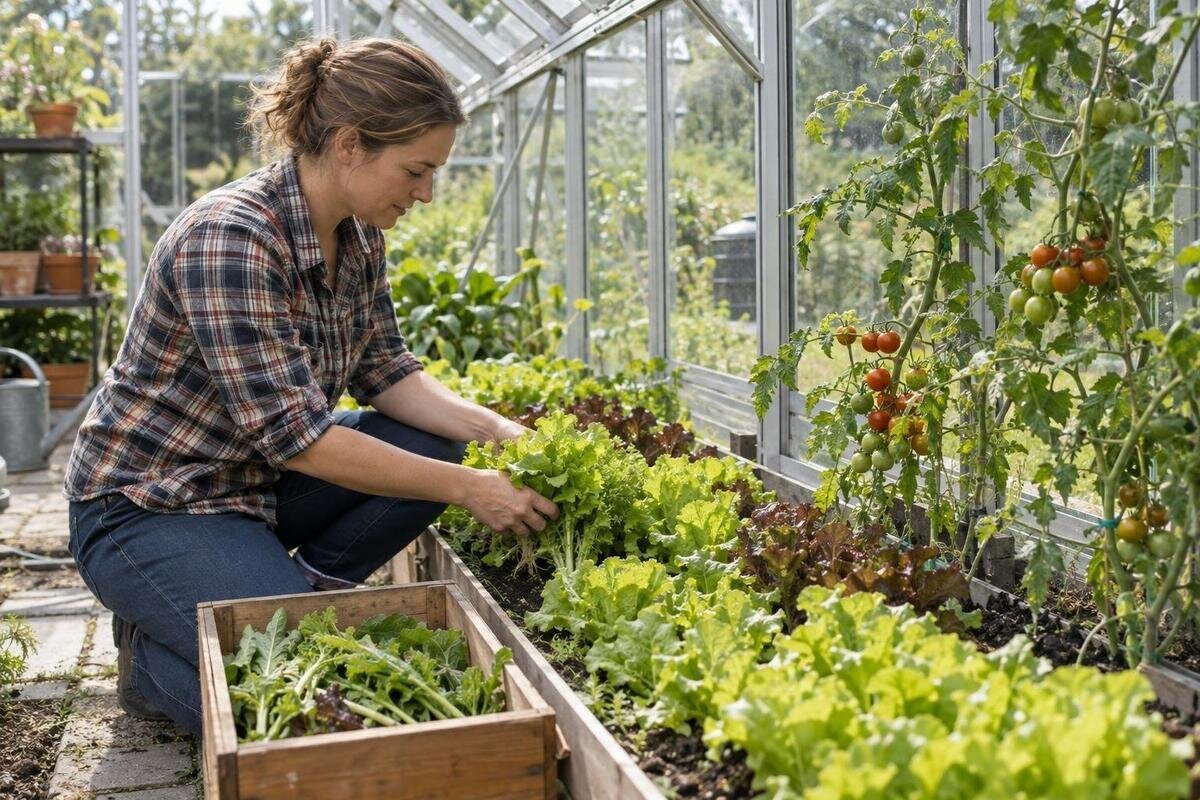
Greenhouse food planning
A greenhouse can help a household grow more of the food it actually eats, but it is best treated as a source of some fresh produce rather than a replacement for the weekly grocery shop. What it contributes depends on crop choices, local conditions, available space and the time someone can give it. A practical estimate starts with ordinary meals: identify vegetables and herbs that recur, calculate how much the household uses, then compare that target with usable harvests recorded over the year. This keeps one abundant picking from being mistaken for a reliable supply.

How a greenhouse can contribute to household meals
Protected growing can give selected crops a more sheltered place and, where conditions suit, extend their useful growing window. That may mean picking herbs for regular cooking, adding leaves to salads or harvesting some tomatoes, cucumbers or capsicums. These are possibilities to test against your site and local growing advice, not guaranteed results. A greenhouse changes a crop’s exposure to the weather; it does not remove the need for suitable light, water, temperature and care. Its contribution is most valuable when it supports foods the household already uses and someone can harvest them at the right time.
It is more realistic to expect a greenhouse to provide particular fresh ingredients than to replace a household’s wider food shop. It will not automatically supply staple foods or every vegetable needed at every meal. An unheated structure still responds to outdoor conditions: cold can limit growth, while sunny, hot weather can make the growing space hotter than the surrounding garden. Ventilation, shading, watering and crop choice all affect what can be grown and used. A useful goal might be a regular supply of one or two ingredients, or a seasonal share of several, while shopping continues to fill the gaps.
Choose crops from meals you already make
Look at an ordinary fortnight of meals and grocery lists, not a week when everyone happened to eat at home. Note which vegetables and herbs recur, how often you use them and roughly how much each dish needs. Include meals eaten away from home, changes in the number of people at the table and ingredients that are easy to replace with something else. You do not need to weigh every item in the shopping basket; the aim is to find a few repeat purchases that could become clear growing targets.
Rank possible crops by how often you eat them, whether the household enjoys them and whether you can use the harvest promptly. A crop that sounds appealing but rarely features in meals may end up as surplus, even if it grows well. Consider whether you would use the produce fresh, in cooked dishes or in another way you already enjoy. Then shortlist a manageable number of crops and check their growing requirements against your local conditions. This links the greenhouse plan to actual meals, rather than to a wish list of things you might grow someday.
Set a measurable harvest target
Give each shortlisted crop a target for a week or month, using a unit that makes sense in your kitchen: grams, bunches or portions. Multiply the number of meals planned with that crop by the amount normally used per meal. For example, suppose a household of four plans two salads in a week and uses 120 grams of leaves for each one. Its target is 240 grams of leaves for those salads. If a later harvest log records 180 grams of usable leaves, that harvest met 75 per cent of that particular target. These are illustrative inputs for the calculation, not a yield estimate.
Measure what reaches the kitchen, not the number of plants or the amount still growing. Record the usable harvest after setting aside damaged or unwanted produce, and note whether it was eaten, stored, shared or discarded. Compare like with like: a weekly harvest of one crop against the household’s weekly use of that crop. If a bunch is split between meals, record each portion rather than counting the whole bunch twice. Keep separate targets for different crops instead of combining them into a single meal target. Catalogue area can help compare greenhouse options, but not forecast food: the Prestige greenhouse with a metal base is listed from 3.77 m² to 28.08 m².
Match crop choices to the growing conditions
A crop mix can include ingredients with different uses and harvest patterns, but each crop takes space and needs its own care. Herbs and leafy crops may suit frequent picking; fruiting crops such as tomatoes, cucumbers and capsicums may occupy a growing area for longer and can have different support or pruning needs. These are broad planning distinctions, not guarantees about how a particular variety will perform. Check the expected mature size and care requirements before deciding how many plants to include, and consider whether the household can use the harvest as it comes.
A greenhouse does not make every crop better suited to your garden. Conditions under cover can differ from outdoors and may become too hot in warm weather; a crop that suits one local season or site may struggle in another. Use locally relevant planting guidance and the information for the particular crop or variety, rather than relying on one calendar for the whole country. Once you have a crop shortlist, compare the space each crop needs with the configurations available. The Aluminium Classic Greenhouse range runs from 3.77 m² to 28.08 m²; use the mature plant sizes on your shortlist to assess how much planting space to allow.

Map harvests across your local year
Sketch a twelve-month calendar for each crop you are considering. Mark its locally advised planting period, the likely start and finish of harvest, and any months when you expect little or none. Use local growing information rather than assuming that a single Australian planting calendar applies everywhere. A greenhouse may help some crops start earlier or finish later when conditions suit, but it does not guarantee continuous growth through cold, extreme heat or periods with limited light. A calendar makes those limits visible before you plan meals around the harvest.
The calendar also helps avoid sowing everything at once. If the crop and local advice allow it, stagger plantings so that harvests are spread out rather than arriving in one large flush. Leave room in the plan for a crop to finish, for beds or containers to be cleared and for the next crop to establish. Note periods when the greenhouse may be empty or used for seedlings rather than food for meals. When considering the Wall Greenhouse range, listed from 3.69 m² to 14.34 m², mark where seedlings and mature crops would go during these transitions. Avoid allocating the same space to both at the same time.
Include routine care in the plan
A food estimate is incomplete if it counts harvests but ignores the work needed to get them. List the likely tasks for each crop: sowing, transplanting, watering, checking conditions, inspecting for pests, supporting or pruning plants where needed, harvesting and clearing finished crops. Not every crop needs every task, and the frequency depends on the crop, weather and setup. During hot spells, conditions can change quickly, so a greenhouse may need more frequent checks than it does in milder weather. Include the time spent going out to check, not only the minutes spent doing a job.
Keep a simple record of visits, task time and which jobs were missed or delayed. Compare the busiest weeks with the time the household can genuinely make available, and consider who can look after the plants during holidays or other busy periods. If the plan depends on frequent attention that nobody can provide, reduce the crop list or adjust the target before expanding. The Limited Edition Aluminium Greenhouses with Storage listing gives an area range of 5.52 m² to 28.08 m² and identifies built-in storage; check the selected product’s details rather than assuming its name answers every storage or workflow question.
Separate floor area from growing area
The greenhouse’s listed floor area is not necessarily the area available for crops. Paths, space to reach plants, containers, work surfaces and any room kept for equipment all affect how much can actually be planted. Draw a simple layout before estimating plant numbers: mark the access route, the places you intend to grow and the space needed to tend and harvest each crop. Allow for the mature size of plants, not just the small seedlings they are when first planted. A crowded plan can be hard to work in and may not match the harvest you expected.
Compare greenhouse footprints against that layout, your site and your meal targets. A larger listed area may allow a larger planting plan, but only if the extra space is usable, the growing conditions suit the crops and the household can manage the work and use the harvest. The Spacious Greenhouse range is listed from 47 to 70 m². That is a catalogue area range, not a food-output figure; paths, access and non-growing space still matter, as do seasonal gaps and the amount of produce the household wants.
Record what reaches the kitchen
Use a notebook or spreadsheet with one row for each harvest. Record the date, crop, usable amount, what happened to it and roughly how long that day’s greenhouse tasks took. Add notes when a crop fails, harvest is delayed or produce is left unused. If you want to compare supply with groceries, note whether you still bought that ingredient during the same period. Use the same units each time and keep harvest records separate from estimates made before planting. A simple, consistent log is more useful than a detailed system that becomes too difficult to maintain.
Review the records by crop and by month. Look for repeatable patterns: a crop that regularly makes it into meals, a month when supply falls away, or a harvest that arrives faster than the household can use it. One unusual season may not describe future results, so avoid treating a single large picking or poor spell as a reliable average. Keep a copy of the planting layout with each season’s records, including the space allocated to each crop. If comparing that layout with the Limited Edition Aluminium Greenhouse range, listed from 3.77 m² to 28.08 m², note the configuration being considered so that later comparisons use the same starting point.

Allow for seasonal gaps and surplus
A yearly total can hide weeks when a crop is unavailable. Keep the monthly calendar alongside the harvest record so you can see when homegrown produce actually reached meals. Continue to plan for grocery purchases during gaps rather than treating an annual harvest as a continuous supply. When a surplus arrives, decide in advance whether the household can use it promptly, share it or store it using a method it already knows and follows safely. Produce that is stored should not be counted as both a fresh harvest and a second, separate supply of food.
Be clear about what you mean by a contribution. A crop-specific measure—usable homegrown amount divided by the household’s target for that crop and period—is easier to interpret than a broad claim about the share of all food grown at home. A yearly percentage can conceal a long stretch with no harvest, so keep the monthly figures visible too. Use these crop-level results when reviewing how you allocate space. If considering the Pyramid Greenhouse range, listed from 5.53 m² to 18.9 m², sketch the crops you would prioritise in the chosen size. Base that allocation on ingredients you use, rather than simply repeating the crop that produced the biggest surplus.
Use the first season to refine the plan
Treat the first growing season as a test of your assumptions. Choose a short list of familiar crops, set a household-use target for each, map their likely growing periods and decide how you will record harvest and care time. At the end of each month, compare actual usable produce with the target and note the reasons for any difference. A crop may have produced more than the household wanted, less than expected or at the wrong time for the meals planned. Each result can help you change the crop mix, timing or target instead of simply adding more plants.
If you are comparing greenhouse options, use your meal and layout plan to decide what area you need, then check the selected configuration’s dimensions and relevant features in its product details. The T-Model Orangery Greenhouse range is listed from 16.52 m² to 30 m², so identify the particular configuration you are considering. Compare it with your proposed planting layout and access space, and seek advice from a suitably qualified local professional if you are unsure about site or installation suitability. Keep a note of which parts of the plan still need testing in practice. That gives you specific questions to revisit after the first season, rather than assuming that more space is the answer.
Frequently asked questions
Can a greenhouse supply fresh produce all year?
Not automatically. An unheated greenhouse is still affected by local heat, cold, daylight and crop timing; hot spells can also call for more frequent attention. Map likely harvest periods month by month and expect to buy produce during gaps. Count on year-round supply only if your own records show it across a full year.
How much food can a household expect to grow?
There is no reliable figure without knowing the crops, usable growing area, local conditions and care routine. Make a target for a crop your household eats, then weigh the usable harvest over time. That gives you a household-specific estimate rather than a general yield promise.
Which crops should we try first?
Begin with crops that appear regularly in your meals and suit your local growing conditions. A short list of familiar herbs, leaves or fruiting crops is easier to assess than planting many varieties at once. Check local timing advice and the care needs of each crop before deciding.
How much time does greenhouse growing take?
It depends on the crops, weather and setup. Watering, checking conditions, inspecting plants, harvesting and seasonal jobs all take time, and hot weather may increase how often you need to check the space. Keep a simple task log so your estimate reflects your own routine.
Does a larger greenhouse mean more food?
Not by itself. Paths, access and space between plants reduce the area available for crops, and a bigger growing area does not guarantee that its harvest will be used. Compare the usable planting space with your meal targets and the time available to care for it.
A greenhouse can add a worthwhile share of fresh food to household meals when the crop plan follows what people eat, the local growing year and the time available for care. Measure usable harvests against a clear target and keep seasonal gaps in view. The result may be a dependable supply of a few ingredients, a seasonal contribution from several crops, or a plan that needs adjusting. That evidence gives a more realistic picture of homegrown food than greenhouse size or a single impressive harvest.
