
Budgeting beyond the frame when buying a large greenhouse on Black Friday
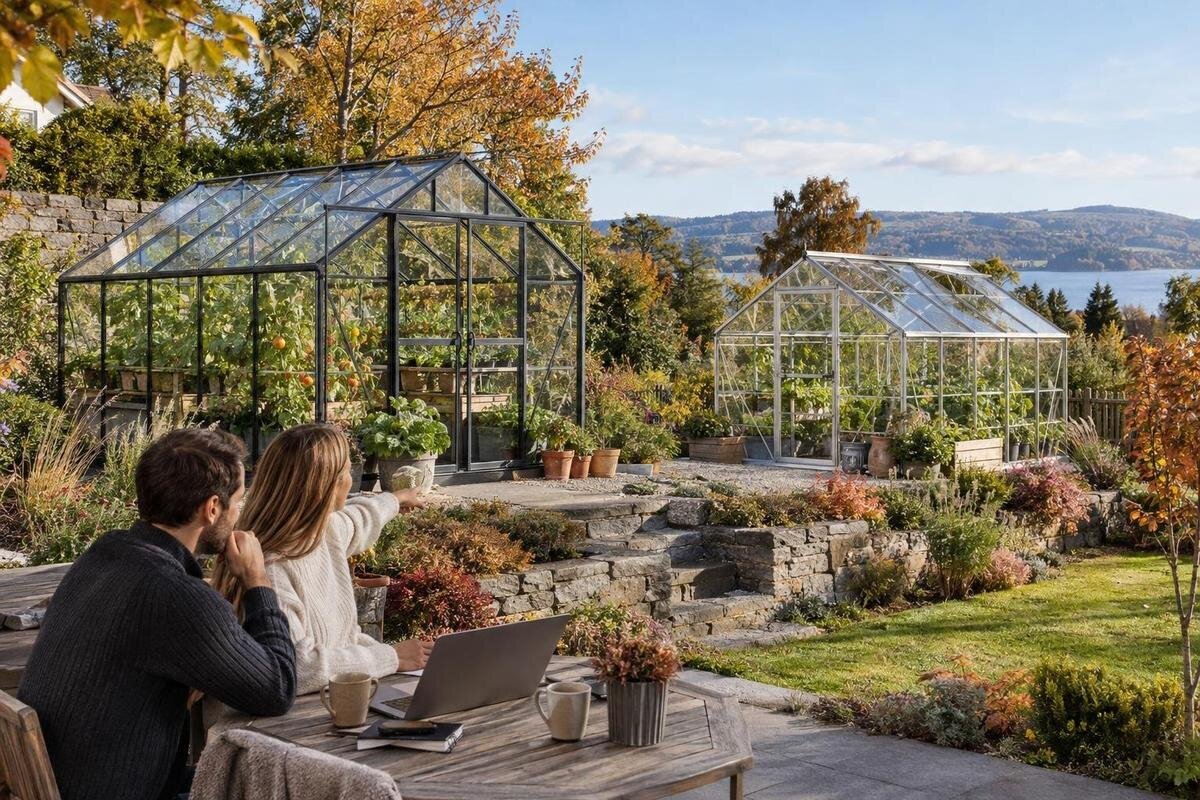
Seasonal greenhouse buying
Buying a large greenhouse on Black Friday can make the frame price seem like the whole decision. It is not: the site, base, access, delivery, assembly and growing setup all affect what the project will cost. Before comparing a seasonal price, decide what size you can actually use, write down the cost categories that apply and leave room in the budget for unknowns. That gives you a fair way to judge the listed price without assuming every extra is included or a deal is genuine.

Build a project budget, not just a purchase budget
Set a total ceiling for the greenhouse project, and treat the frame as just one line in it. Buying a large greenhouse on Black Friday can feel like one checkout decision, but the finished setup may also involve ground preparation, a suitable base, delivery to the site, assembly and the items needed for the crops you plan to grow. Decide separately what you can spend on the greenhouse and what you can commit to the whole project. That distinction makes a headline product price easier to judge: it might fit the first amount while still leaving a gap in the second.
Build a cost sheet with each item, its estimated cost, whether it is included and whether the figure is confirmed or uncertain. List site work, base materials or labour, freight, assembly and planned growing equipment separately. Keep an unallocated reserve for costs you cannot yet pin down rather than applying a made-up percentage; site conditions and package contents vary. Date each price and note whether it is a written quote, an estimate or a figure you still need to obtain. This makes it easier to spot a total based on old information or on items that have not been priced at all. For uncertain items, note what would settle the question and seek an estimate from a relevant supplier or tradesperson. Use written prices where possible, and do not count a possible promotion, a future accessory or your own time as a saving until you know what is involved. If the total is above your ceiling, revise the plan before ordering.
Choose the footprint from your growing plan
Translate your growing plans into a footprint before looking at model names. Mark the area you can genuinely allocate, then sketch the beds or pots, work surfaces, main route and space needed to reach each growing area. Leave room to open doors and move a watering can, tray or harvest container; the floor area on a listing is not all productive planting space. Include the tasks that happen at different times of year, such as sowing, potting up, tending taller plants and clearing spent crops. A layout that works for a few seedling trays may become impractical when plants and equipment occupy the same route. Think through whether you want seedlings, tall crops, propagation, overwintering plants or simply more room for existing beds, because each use can change the layout and the height you need. Picture the regular work too: where you will turn, set down trays and reach each row.
Check the greenhouse’s published external dimensions against your sketch, and look for information about usable interior space as well as the overall footprint where it is provided. A model number is not a measurement: for Classic Plus 385, use the product page’s stated dimensions rather than reading a size into 385. Consider your plans over the next few seasons, but separate likely needs from an imagined future expansion. A larger footprint may need more prepared area and more benches, watering equipment or plants. Avoid paying for space that your routine, budget and site cannot support.
Include ground preparation and the base
Groundworks and base costs can vary as much as the visible structure price, so give them a separate estimate. Check whether the location is already prepared, whether you need to clear or level it, how rainwater will drain from the area and what kind of base the chosen design calls for. When seeking a quote, describe the intended location and greenhouse configuration so the estimate relates to the work you actually need. It can also help to ask what preparation, materials, disposal or follow-up work is excluded, as an apparently low quote may cover only part of the task. Price materials and any labour needed, then include any fixing or anchoring requirements stated for that model. Do not assume a standard kit, paving or concrete is suitable for every site. Follow the product requirements and have site-specific work assessed by a qualified person where needed.
An existing path or paved area can still need measuring and checking against the product requirements; it is not automatically a ready-made foundation. If you are comparing a page titled Pyramid greenhouse for a masonry base, treat that wording as a product identifier, not a complete cost for the base project. Find out what the quoted package includes, what masonry work must be arranged separately and whether a contractor’s estimate is needed before you settle on a frame. Put an allowance in the project budget for preparation and base work even when the final figure is pending.
Read the full package list before comparing prices
Price the exact package, not the shorthand name or a photo. Read the product information for the selected size and configuration, then note what components are included and which are optional. Depending on the product, useful questions may cover the base, frame, panels, doors, vents, fixings and any assembly service. Do not assume that a base or fitting shown in an image comes with the greenhouse, or that an optional component is standard. If the listing does not make an inclusion clear, ask the retailer for confirmation before comparing totals.
For instance, the name Prestige greenhouse with metal base is not a substitute for checking the itemised contents and terms for that exact configuration. Record separately priced choices and add only those you actually need to your calculation. Check whether a change to the selected size or configuration affects the price, and whether delivery or other charges appear later in the ordering process. This is where a like-for-like comparison starts: two greenhouse listings are comparable only when the important components and options have been accounted for in both.

Allow for growing equipment and running costs
A greenhouse is only one part of the growing setup. Make a list of the tools and equipment your plan genuinely calls for: benches or staging, pots and trays, watering gear, shade or powered equipment if appropriate. These are possibilities, not a standard shopping list. Separate items needed before the first planting from optional improvements that can wait, then cost the first group before comparing extras. That approach keeps the initial budget realistic without assuming every later purchase must happen at checkout. Choose by the crops and the way you intend to work rather than ordering a full set of extras because a bundle appears convenient. A sketch of where each item would sit can reveal duplicated purchases or equipment that would take up the growing space you are paying for. Prioritise what supports your first planting plan; leave optional upgrades aside until you know they are useful.
Include foreseeable running costs as well as first purchases, such as water use, electricity if you plan to use powered equipment, and replacement consumables. Do not assume every greenhouse needs heating, lighting, irrigation or shading; the answer depends on your crops, local conditions and growing method. A title such as Aluminium Classic greenhouse identifies a listing, but the product details and its care guidance—not the material name alone—are what to use when assessing upkeep. For electrical work, speak with a qualified electrician rather than planning an installation from a budget article.
Assess the site before committing to a size
Site fit can add cost even when the footprint appears to fit. Walk the location and check sun and shade over the day, nearby trees or buildings, water access, runoff and the route for bringing components in. Allow for using and maintaining the greenhouse, not merely placing it on the ground: doors need clear space, and access around the outside may matter for cleaning or repairs. If the route or surface needs work, get an estimate before treating the greenhouse price as the project total. These checks help distinguish a suitable area from one that simply looks large enough on a plan.
Check the product’s stated siting and support requirements against the actual location, especially where exposure, nearby structures or an unusual base make the arrangement less straightforward. For a model called T-model orangery greenhouse for a wall base, the name alone does not confirm that your site or planned mounting arrangement is appropriate; compare the published requirements and ask the manufacturer or an appropriately qualified installer if anything is unclear. Check any approvals or restrictions that may apply to your property with the relevant local authority or a suitable professional, rather than relying on a broad online rule.
Count delivery and assembly in the total
Add freight and assembly to the budget as separate costs, even if the checkout page groups them together. Confirm the delivery charge for your address, what the service includes, whether the access route can accommodate the drop-off and who is responsible for moving components from the unloading point to the site. Check practical details early, including whether there is a suitable contact available on the day and whether access constraints need to be declared when arranging delivery. This is not merely an administrative step: an unanswered access question can affect the work and cost you need to arrange yourself. Do not assume that delivery includes placement at the final position. Ask for the charges and service details for the exact model and destination before treating the displayed product price as the final figure.
Decide whether you will assemble the greenhouse yourself or price a professional assembly service. Your own time is not free in a project plan: allow for the hours, suitable tools and any help you will need, without relying on a rough assumption based on a product name. A page such as Bloomcabin Orangerie can identify the option you are costing, but it does not establish how long assembly will take or what a service costs. Use the applicable product instructions and ask about separate labour, base or preparation charges; include confirmed figures before you approve the total.
Compare Black Friday prices on equal terms
On Black Friday, compare the complete price for the same product and configuration, not just the most prominent number on a page. Note the greenhouse price, selected options, delivery, base work, assembly and essential planned equipment in one total. Check what is included, what is excluded, and whether the quoted configuration matches the dimensions and package you measured. A product with a lower frame price may still leave you with a higher project cost once the missing pieces are added, so run the same calculation for every option.
If a seasonal page shows a special price, check its terms and exact model rather than assuming the saving applies to the whole setup. Aluminium limited edition greenhouse is a product name, not evidence of a discount, available stock or a purchase deadline; assess it by the details and terms actually shown. Compare any stated before-and-after prices carefully, and do not use an unverified earlier figure as your project benchmark. Set your own maximum total before browsing, and be prepared to leave an option if the full amount does not fit.

Keep room for growth without paying for idle space
Think about the cost of choosing too much or too little space. Oversizing can tie up money in an area and setup you do not use; undersizing may leave no workable route, bench space or room for the crops you planned. If the numbers are tight, revisit the layout, reduce non-essential equipment or compare a different format instead of relying on a discount to justify more greenhouse than the site supports. A different format is not automatically cheaper or suitable, so compare its actual dimensions, site requirements and complete project costs on the same basis.
An Aluminium lean-to greenhouse is one differently named format to consider only if it matches the space and plan you have; the name and listed price do not settle that question. Keep this as a budget comparison, not an assumption that an alternative will solve a site problem. Also distinguish items you can add later from components the chosen greenhouse needs from the outset. Before postponing an extra, confirm that it is compatible with the exact model and that waiting will not leave the planned growing setup incomplete.
Make a final budget check before ordering
Before placing an order, review the figures in one place: greenhouse, base and site preparation, delivery, assembly, planned equipment and any unresolved cost. Mark the amounts that are confirmed and the assumptions that still need an answer. Compare the total with the money you have set aside for the project, rather than with the frame price alone. It is also worth checking that the configuration in your calculation is the same one you intend to order; a changed size or option can make an earlier total irrelevant. If you cannot confirm the model or size, what the package includes, the relevant support requirements or the main setup charges, the estimate is not ready to rely on. Resolve the material gaps first; there is little value in having a precise-looking total built from unknowns.
Then check the final configuration and total against your ceiling and original growing plan. A sensible purchase is one you can site and use without discarding the costs that made it work on paper. If the full project comes out too high, a smaller footprint, a simpler first-stage fit-out or postponing the purchase may be better than cutting money for necessary site preparation or taking on an unclear expense. Keep the product details and any written quote for the exact configuration you compare, so you can check them against the final order.
Frequently asked questions
What costs should I include beyond a large greenhouse’s frame?
Allow for the base and any site preparation, delivery, assembly and the growing equipment you plan to use. Also include any relevant labour and ongoing costs, such as water or electricity for powered equipment. Check what the selected product package includes before adding or excluding an item.
How much should I allow for greenhouse setup costs?
There is no reliable one-size-fits-all amount. Costs depend on the site, the chosen greenhouse and the work or equipment your plan requires. Get actual prices where possible, and mark uncertain items clearly instead of relying on a guessed percentage.
Does a larger greenhouse always offer better value?
No. Compare its usable space with your growing plans, the available site and the cost of preparing and fitting it out. Extra space only adds value if it suits your routine and budget; a smaller option may be a better match.
How do I compare a Black Friday greenhouse price?
Compare the exact model and configuration, then add the costs that apply to your project, including the base, delivery, assembly and planned equipment. Check the terms and inclusions for any displayed offer. A seasonal price alone does not show your total project cost.
Can I add greenhouse extras later?
Some non-essential equipment may be possible to add later, but first check that it is compatible with your chosen model and suits your growing plan. Do not defer components or site work that the product requirements call for from the outset.
A useful greenhouse budget gives the frame one line, not the final word. When the footprint suits your growing plans and the base, site work, delivery, assembly and equipment are accounted for, you can compare Black Friday prices on the project you actually intend to build. If the complete cost or product details do not fit your plan, changing the size or waiting is a sounder choice than letting a seasonal price decide for you.
