
How Much Time Will Your Greenhouse Need Each Week?
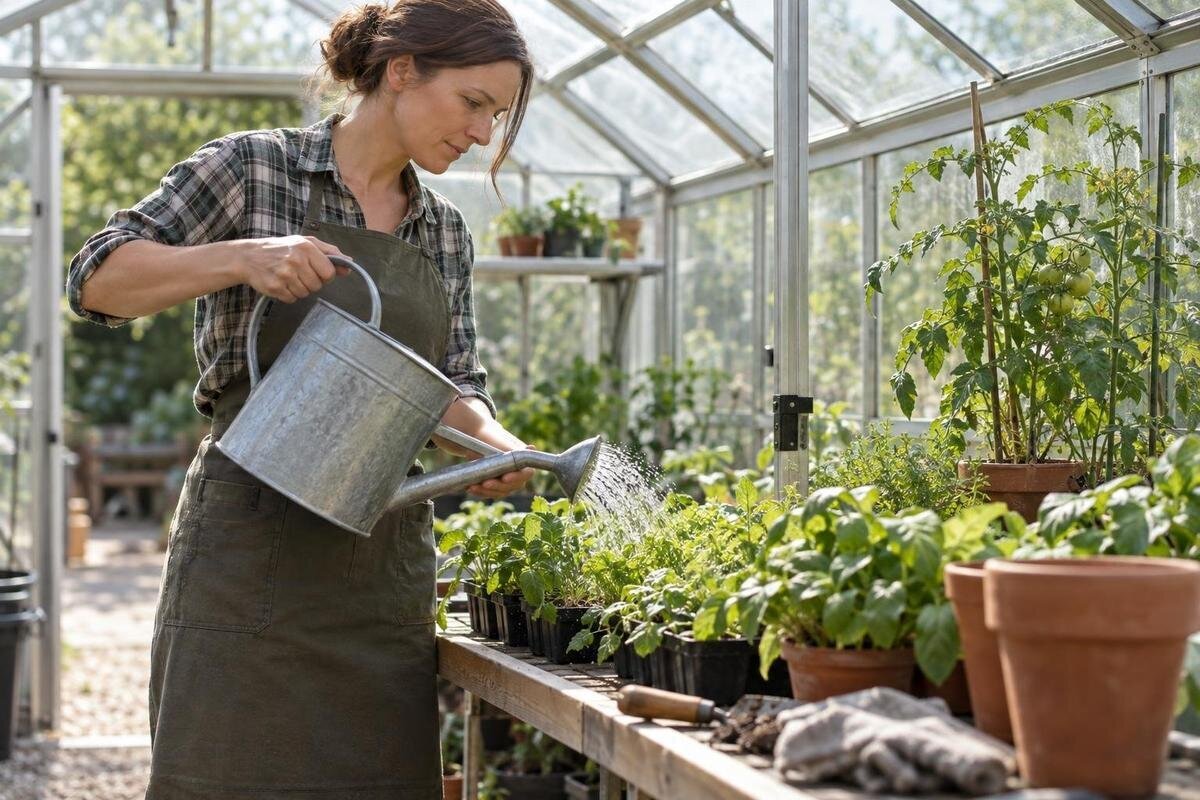
GREENHOUSE WORKLOAD PLANNING
How much time a greenhouse takes each week depends less on its name or floor area than on what you grow, how much of the space you plant and what the weather demands. A few established pots with simple watering create a different routine from seed raising, frequent harvesting and training climbing crops. There is no dependable single figure for every greenhouse. This guide shows you how to estimate the work from a defined crop plan and season, then check that estimate against a task log. It also separates jobs an automatic control can reduce from the plant care that still needs a person.

What counts as weekly greenhouse work?
Weekly greenhouse time means the active minutes you spend on the crop plan you have chosen. Count plant checks, watering, sowing or potting on seedlings, tying and pruning where needed, picking, clearing fallen leaves, and any manual opening, closing or shading that forms part of your routine. Keep one-off jobs, such as a seasonal clean, a repair or rearranging equipment, in a separate column. They matter to ownership, but they do not recur evenly each week; folding them into a weekly average can distort the number.
Decide whether you are measuring hands-on work or the entire visit. If you need to collect water, find tools or carry produce away, record that time if it affects whether the routine fits your day; for comparing tasks, keep it separate from watering and crop care. Use the same rule each time so your comparisons are consistent. A simple log for several weeks should record the date, conditions, crop, task and minutes, including a busier growth or harvest period as well as a quiet one. If you are considering the Classic aluminium greenhouse range, listed from 3.77 to 28.08 m², use the log to assess your intended planting rather than assigning a care time to the model. A partly planted space and a densely cropped one can demand very different routines.
The crop plan determines the baseline
Total floor area is a poor stand-in for workload because only part of it may hold plants. The planted bed area, container count, seed trays, crop spacing and ease of reaching each row all shape the routine. A compact layout crowded with seedlings can create more frequent checking and potting on than an open layout with a few established plants. Crops that need repeated tying, pruning or picking also create different jobs from a simple planting. Separate seed raising from established crops in your notes: seedlings have their own care tasks and timing. Count work by crop and growing stage, not by square metres alone.
Before settling on a crop list, sketch the intended beds, pots and access space on the footprint you are considering. The aluminium lean-to greenhouse sizes range from 3.69 to 14.34 m²; use the selected size as a scale for your plan, rather than assuming every square metre will be planted. Write down how many of each crop you intend to raise, whether you will keep seedlings going, and how often you expect to harvest. If the list is already bigger than your available weekly hours, reduce the number of varieties or sowing batches before adding equipment. A realistic limit is more useful than an optimistic list that leaves no time for routine care.
Season and local weather change the workload
Your weekly total shifts as crops move through the year. Preparing beds, sowing and potting on concentrate work around planting dates; fast growth brings more tying, pruning and checking; fruiting crops can add runs of picking and clearing. During slower growth there may be fewer crop tasks, but overwintering plants and pots still need monitoring. A calendar with one average number for every month hides these peaks. Estimate at least a quiet phase, an active-growth phase and a peak harvest or heat period for the crops you intend to grow. If new batches start while older plants are producing, count both workloads rather than replacing one with the other.
Use local weather rather than relying on a broad seasonal label. A mild week and a run of hot, dry days can produce very different watering and ventilation needs for the same planting; a storm or sudden temperature change can also add checking and tidy-up work. Keep some time in reserve for these exceptions, and note which conditions trigger an extra visit. When comparing the Limited Edition greenhouse options, listed from 3.77 to 28.08 m², consider the planting you expect to manage in your busiest season. Do not base the decision solely on a quiet month when there is little to sow, train or harvest. Keep the seasonal assumptions alongside each estimate so you can compare like with like.
Watering is a time variable worth measuring
Watering time is more than the minutes spent pouring water. It can include checking the growing medium, filling or carrying a can, moving between rows and handling containers or tools. The work varies with the number of plants in containers, the layout, your watering method and the conditions that week. An estimate based only on litres or the number of sessions can miss the time spent checking individual plants or reaching them. Grouping plants with broadly similar needs may make a manual route easier to plan, but each crop still needs appropriate attention. Record what you actually do rather than assuming all watering visits are alike.
A simple water log can note the date, time, method, areas watered and whether anything needed adjusting. Separate time spent delivering water from time spent checking the plants and growing medium. That distinction helps you estimate which minutes an irrigation timer might save and which would remain. Include checks for blocked or displaced outlets, leaks or missed delivery, and know how you would water if the system stopped. For a buying comparison, mark planted zones and likely watering points on your layout sketch. The T-Model Orangery Greenhouse sizes range from 16.52 to 30 m²; use your chosen footprint to trace the watering route, including the return trip to refill a can if that is your intended method.

Time for ventilation and temperature checks
Ventilation and temperature checks belong in the estimate if you manage them by hand. Depending on the weather and crops, you may need to check conditions and adjust vents, doors or shade at more than one point in a day. Do not turn that into a fixed universal timetable: log the extra checks you actually make during changeable or warm conditions, and note what prompted them. This separates ordinary plant care from additional attention during unusual weather. It also helps distinguish a quick visual check from a longer visit to move plants or reorganise shading.
An automatic opener or environmental monitor may reduce some manual trips, but it does not confirm that conditions are suitable throughout the growing space. Check that readings make sense, moving parts are unobstructed and the plants show no signs that require a response. Include time to confirm that a control responds as intended after a setting change, rather than counting every manual adjustment as time saved. If you are comparing the Pyramid greenhouse options, listed from 5.53 to 18.9 m², include access for these checks in your layout plan. Note where you would stand to inspect plants, read a monitor or reach a manually operated control without having to move pots first.
Plant health checks and training take regular attention
A greenhouse is not pest-proof just because it is enclosed, so include a deliberate plant-health check. Look over new growth, stems, leaf surfaces and developing fruit for changes, and notice patterns such as a problem confined to one pot or row. A quick glance while watering can catch obvious changes, but a dedicated check gives you a chance to examine areas of growth that are easy to miss. Remove dead leaves and weeds as part of the routine, and record any follow-up rather than treating the first look as the whole job. Some symptoms need closer inspection or crop-specific advice, so allow time to identify an issue and respond appropriately.
Training and pruning add a different kind of labour: the minutes depend on the crops you choose, how many plants need support and whether work builds up after a missed week. Keep a short list of crop-specific jobs beside your planting plan, then time a representative task as plants grow. The Limited Edition greenhouse with built-in storage is listed from 5.52 to 28.08 m². If you are considering this range, distinguish the space intended for plants from the space allocated to supplies in your proposed layout. Also record time spent collecting ties, supports and tools separately from the training itself. This helps you see whether preparation or hands-on crop care accounts for most of the task, without assuming that storage removes the work.
Harvesting and propagation create busy weeks
Harvesting makes the weekly total less predictable. A crop that needs regular picking can create short, repeated jobs, while a single large harvest creates a longer block for selecting, sorting and clearing spent plants. Add the time for cleaning containers or preparing a bed for its next crop if that is part of your routine. Sowing batches, labelling trays, transplanting and potting on also take time that may not appear in a plan focused only on mature plants. Track these tasks separately so a busy harvest does not disappear into a vague general-gardening entry.
Use the crop calendar to spread work where you can. Staggering sowings or limiting the number of crops that mature together can reduce the chance of several harvest and replanting jobs landing in the same week. That does not make any crop care-free; it changes when the work arrives. Write sowing and expected harvest windows in a calendar, then look for clusters rather than simply averaging each crop’s weekly care. If you enjoy propagation, include tray care and potting on before adding another batch. If time is limited, begin with fewer crop types and a manageable number of plants, then expand only when your log shows room for another cycle.
Cleaning and occasional maintenance
Routine plant care and greenhouse maintenance should be budgeted separately. Quick tidying—removing fallen leaves, clearing potting mix from a work area or returning tools—may happen during ordinary visits. More substantial cleaning, clearing out after a crop or checking the visible condition of doors and vents tends to be occasional. Before a new planting, note the time for removing spent crops, washing reusable trays, sorting labels and setting up the next sowing; these jobs can take up most of a visit. Record maintenance when it happens, then decide whether to keep a small allowance or plan separate seasonal blocks. Do not divide a major clean by 52 and mistake the result for weekly work.
Cleaning needs depend on what is dirty and the manufacturer’s care instructions, so avoid promising yourself an identical tidy-up every week. Note the surfaces and access routes that take actual effort, and keep repair work separate from ordinary cleaning. If a component needs technical attention, use the maker’s guidance or a qualified professional rather than improvising. The Bloomcabin Prestige greenhouse sizes range from 3.77 to 28.08 m². As you compare layouts, consider whether cleaning would require you to move containers, clear a bench or temporarily relocate supplies. Include that preparation and the time to put things back in your estimate, rather than recording only the minutes spent washing or sweeping.

Turn the task list into a weekly time budget
To see how the arithmetic works, consider an illustration, not a measured average: a 4 m² planted bed of established leafy greens and herbs plus six containers, with no seedling trays or heated climate management, during an active but mild week. Suppose the grower allows three separate quick checks at 5–10 minutes each, or 15–30 minutes total; 20–40 minutes in total for watering according to actual need; and one separate 20–40 minute block for harvesting, tying and tidying. The estimate is 55–110 minutes for that week’s routine. The crop mix, planted area, visit pattern and allowances are explicit assumptions; replace them with your own. The watering allowance is not a suggested frequency or a standard. If checking happens during watering, count the overlapping minutes once, not twice.
Keep a log for two or three weeks in each relevant part of the growing cycle, then total minutes by task and compare the busiest week with an ordinary one. Use your actual access time and watering method, not a generic rate per square metre. For a larger project, such as one of the Spacious Greenhouse sizes listed from 47 to 70 m², break the proposed planting into manageable groups and estimate each group’s tasks separately. Add shared jobs, such as collecting tools, only once. Keep occasional cleaning blocks alongside the routine total rather than hiding them in it. This gives you both a normal weekly allowance and a clear view of the longer visits you will need to accommodate.
Automation reduces particular jobs, not the whole routine
Automation is most useful when it removes a repeated task you have already measured. A watering timer may reduce the need to carry water for each delivery, and automatic ventilation can reduce manual adjustments, but neither sows, transplants, trains, harvests, removes debris or checks for pests. Sensors can help you observe a condition; they do not inspect every plant or make crop decisions. Think in terms of minutes removed from a named job, not a promise that the greenhouse will run itself. A small task that takes little time may not justify a complex system, while a frequent, repetitive job may be worth exploring.
Add the time that remains: checking the system, changing settings as crops or weather change, confirming that water reaches the intended plants and handling exceptions. Include any routine maintenance specified by the equipment maker, and consider a manual fallback for a control failure or an unexpected change in conditions. Before choosing an upgrade, compare its intended task with your log: if watering is the main burden, focus there; if harvesting or training dominates, automation will not solve the main workload. Recalculate after adding equipment rather than assuming all saved minutes become free time; observation and crop-specific care still belong in the weekly plan.
Frequently asked questions
How much time should I allow for a small greenhouse?
There is no standard allowance tied to floor area. For a concrete starting point, the article’s example uses a 4 m² planted bed and six containers, with stated crop and weather assumptions, and totals 55–110 minutes for one active, mild week. Treat that as arithmetic to replace with your own timed tasks, not an industry average.
Does a larger greenhouse always take longer to look after?
A larger footprint can create more area to clean or more places to reach, but it does not automatically mean more crop-care time. An empty or lightly planted area differs from a densely planted one. Compare the selected layout and crops, then budget separate allowances for growing tasks and periodic cleaning.
Will an automatic watering system remove watering from my weekly jobs?
It can reduce repeated carrying or delivery, but you still need to check that water is reaching the plants and that the routine suits current crops and conditions. Include time to inspect or adjust the system and deal with missed delivery. A timer is not a substitute for checking plant condition.
Do greenhouse plants need checking every day?
That depends on the crop, growing medium, weather and how your setup is managed; there is no universal interval. Hot or changing conditions may call for closer attention than a stable week. Use your own observations and crop guidance, and do not treat the illustrative time budget as a watering or monitoring schedule.
How should I estimate time before buying?
Draw the planned beds and containers on the footprint you are comparing, list crops and seasonal tasks, then time watering, checks, training, harvesting and cleaning separately. Include a peak week and any checks for automated equipment. A product’s floor-area range helps compare physical scale, but it cannot predict your personal weekly workload.
Treat the greenhouse as a crop plan with a changing weekly workload, not as a structure with a fixed time requirement. Start with the plants you can care for, record the jobs that actually occur and plan around the busiest part of the season. After a few weeks, replace guesses with your own minutes. That gives you a more useful estimate—and a routine you can keep up.
