
Buying a wooden greenhouse on Black Friday: comparing price and maintenance
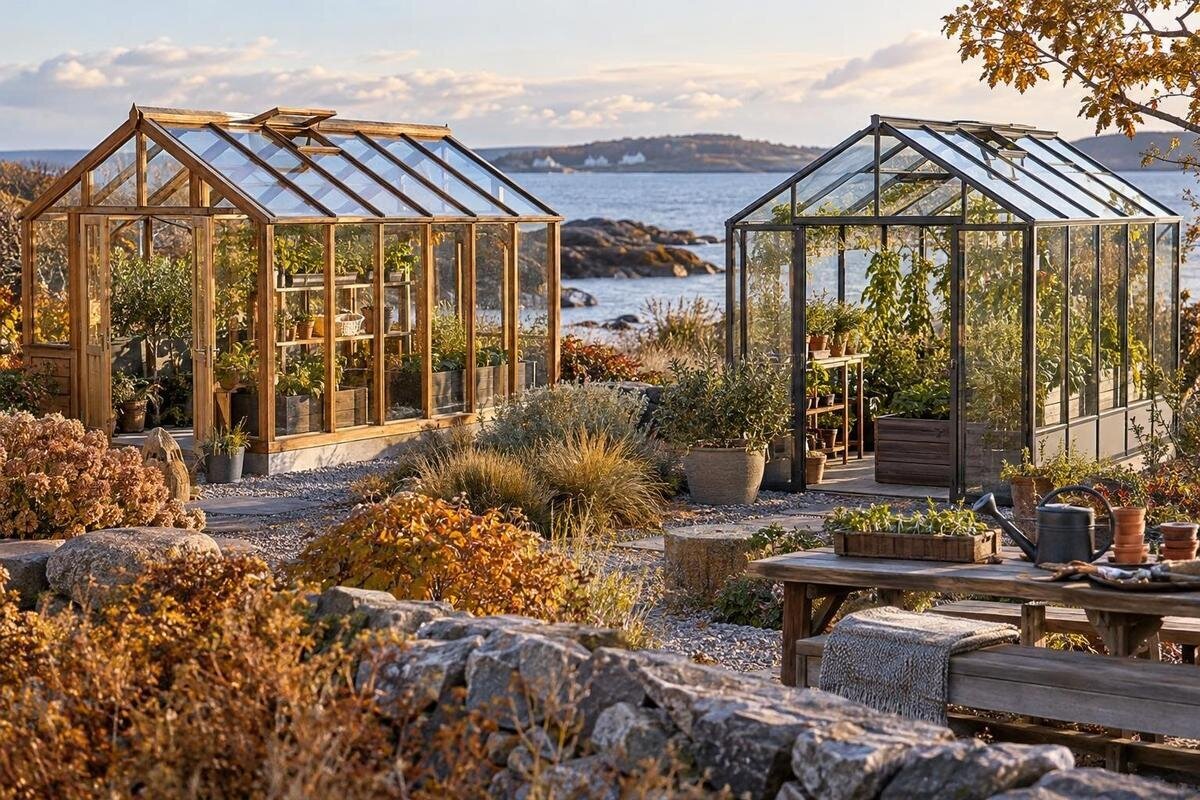
Black Friday greenhouse buying guide
Thinking about buying a wooden greenhouse on Black Friday? A timber-framed model is a longer-term garden purchase, so the advertised price is only one part of the comparison. Preparation, delivery and assembly can affect the initial spend; looking after the timber can add recurring costs and time. This guide shows how to compare those factors without assuming a seasonal discount is available or worthwhile, and what to verify about construction, care and ordering before choosing a greenhouse for your garden.

What a Black Friday greenhouse price includes
Treat any Black Friday figure as a price to verify, not a saving to assume. Check the live product page and checkout for the current amount, the exact model and configuration it covers, and any conditions attached to a promotion. Compare like-for-like listings: differences in greenhouse size, included components or optional extras can make a lower figure misleading. A seasonal label cannot tell you whether a model suits your site or whether its frame will be economical to maintain. If the offer is unclear, ask the retailer to confirm the price and inclusions before deciding. This lets you judge the offer separately from the greenhouse’s suitability for your plans.
Write down the structure price and each item needed to get the greenhouse ready to use. Check whether the listing includes a base, glazing, door and ventilation components, fixings, delivery, unloading, assembly or other items you need; do not assume these are included or excluded. A listing such as Bloomcabin Prestige greenhouse with metal base should be assessed using its current product details and final price, rather than by reading a complete cost breakdown into the model name. Add site preparation and your own labour separately, then compare the total with other candidates that include the same items. This stops a headline price from masking a larger project budget.
Compare the same greenhouse features
For a fair wooden greenhouse price comparison, make a small table for every candidate. Record the external footprint and any internal measurements the seller publishes, frame and glazing details, door arrangement, ventilation, base requirements and items included. These affect what the greenhouse can do and what else you may need to buy. For a timber model, record the stated wood type, any treatment, surface finish and care documentation as separate fields. If a listing leaves a detail blank, mark it as unknown and ask rather than assuming that a similar-looking product has the same specification or upkeep.
Keep the comparison tied to your plans: the growing area you need, the space available and the features you will actually use. A page for Bloomcabin Orangerie is one product listing to check alongside a timber option; its name alone does not establish construction, dimensions or maintenance requirements. Use published information to fill in the same fields, and ask for clarification where it is missing. This prevents a difference in price being mistaken for better value when one listing includes more, or when the products are not comparable. Keep a note of the date, as event prices and inclusions may change.
Build a realistic timber maintenance budget
Timber maintenance is not one fixed task or universal schedule. Depending on the timber and supplied finish, the maker may specify cleaning, inspection, recoating or treatment; joints, fasteners and exposed edges may also need checking as part of routine care. Read the instructions for the exact greenhouse, because a method suitable for one finish is not automatically right for another. Note what the manufacturer says about inspecting for damage and keeping the frame clean, and whether any care is required before assembly. A product photo or the broad label wooden cannot answer those questions.
Budget for both materials and time. Possible costs include recommended cleaning or finishing products, tools, minor repairs, replacement components and paid help if you do not want to do the work yourself. Do not assign a guessed yearly amount before you know the care instructions: ask for the expected tasks, products and indicative frequency for the exact timber and finish. If the product documents include maintenance conditions, read those too. Separate one-off preparation from recurring upkeep, so a low initial price does not conceal a care commitment you would rather avoid. Include the time needed to inspect and maintain the frame in your comparison.
Ask about timber treatment and the supplied finish
Ask what timber is used, whether it has been treated, what finish is supplied and which surfaces are finished. Confirm whether the frame arrives ready for assembly or whether preparation or coating is required, and whether the seller provides written care instructions for that exact finish. Treat these as product facts to confirm, not details to infer from colour in a photo. The Classic Plus 385 listing can be reviewed for its published construction and care information, but its model name cannot answer the timber questions. If a detail matters to your budget, get it stated clearly before you compare the options.
Separate initial treatment from later maintenance, because they can involve different work and costs. Ask which products are permitted, how to recognise when attention is due, what surface preparation is needed and whether a task is best handled by a professional. Do not assume that every coating can be refreshed in the same way or that an initial treatment removes the need for future care. If a listing does not state a process, count that as an uncertainty in your comparison. Use the product documents for the specific greenhouse rather than relying on general advice for timber sold for another purpose.

Include site preparation and assembly
The purchase price may not include the work that makes the site ready. Check the greenhouse instructions for the stated base or foundation requirements, then establish whether the relevant items are included, sold separately or need a qualified installer. Measure the intended area and allow room to reach the doors and carry out ordinary cleaning and inspection. Check delivery and assembly access, and account for any site preparation only after assessing the actual location. Do not use a product photograph as evidence that a structure suits uneven ground or a particular exposure. If you are unsure about the site, get appropriate advice before committing to the purchase.
For a listing titled T-model orangery greenhouse for wall base, use the current product page and supplier’s instructions to confirm what the base wording means, what installation requires and what must be prepared separately. A title is not a site assessment or an installation drawing. If fixing, foundation or structural questions go beyond the supplied instructions, ask an appropriately qualified professional rather than estimating the work from a picture. Add confirmed preparation and assembly costs to the initial budget, keeping them separate from timber-care costs so neither category hides the other.
Check dimensions against your growing plans
A useful price comparison begins with the greenhouse you need, not the largest advertised saving. Measure the proposed garden space, then check the seller’s published footprint and height; allow room for access, opening doors and the working area you expect to use. Think through what you plan to grow, how you will move pots or tools inside, and whether shelving or benches are part of your plan or an extra. Compare ventilation and glazing information only where it is actually stated. This helps avoid paying for capacity you will not use or finding that the working layout differs from what a photograph suggested.
For a listing such as Pyramid greenhouse for masonry base, check the available dimensions, drawings and stated setup details on the product page; the model label does not establish how much usable room it offers or whether its named base arrangement suits your site. Apply the same checks to every timber candidate, using stated measurements rather than estimating from images. When a critical dimension or included feature is missing, request it before placing an order. A structure with the right working space may be better value than a cheaper one that leaves too little room for access or the growing layout you intended.
Compare maintenance, not just frame materials
A timber greenhouse may appeal for its appearance, but its purchase price is only meaningful beside the care routine you are willing to follow. Other frame types can have different maintenance needs; do not assume another type has no upkeep or that timber automatically demands costly treatment. Compare the documented cleaning, inspection and repair requirements for the actual models, and include parts availability only where the supplier provides information. If your reason for choosing timber is appearance or personal preference, weigh that honestly too. A lowest-cost calculation cannot capture every priority, but it can show what you are paying for and what care the choice involves.
If you are weighing a timber greenhouse against a listing such as Aluminium Classic greenhouse, use the name to find the product, then check its current specifications and care instructions rather than assuming the name proves lower upkeep. Match the quoted configuration, usable dimensions and included items before comparing totals. Keep the timber option’s finish and treatment details alongside the other listing’s documented care requirements. If the information is too limited for a fair comparison, pause or ask the seller. A headline price cannot fill in missing facts about maintenance or the work required.
Make maintenance access part of the site plan
Maintenance is easier to plan when you can reach the areas that need attention. Before ordering, consider whether the proposed position leaves access to the frame, roof edges and any movable parts, as directed by the care documents. Think about where water drains, how you will clean the greenhouse and where you can stand to inspect it; do not assume every side must be accessible if the manufacturer’s instructions say otherwise. A cramped position can add time to ordinary care, while moving the structure later could mean extra work. Use a garden plan and actual measurements, not a product image, to judge access.
If your shortlist includes Aluminium lean-to greenhouse, read the actual layout and installation details before using it as a comparison for a timber model. Product titles and images do not show the clearances available in your garden or the steps required to maintain a particular frame. For each candidate, note which surfaces or components need routine attention and whether you can reach them in your planned position. A professional can help assess site or access constraints that depend on the building or ground; avoid inferring suitability from a greenhouse name alone.

Confirm the offer and ordering terms
Before paying, read what the current Black Friday price covers and the conditions attached to it. Confirm the amount at checkout, the selected model or configuration, delivery charges and terms, cancellation and returns information, and whether assembly or accessories are separate. Do not assume a discount or stock position; use the live listing and the retailer’s own terms. Save a copy of the offer details and included items at the time you order. If a price depends on a bundle, voucher or limited period, make sure that condition is shown clearly and applies to the greenhouse you actually want.
A product such as Aluminium limited edition greenhouse should not be treated as a Black Friday offer just because its model name contains the words limited edition. Check the live product page for its current price, any offer terms and the exact contents of the chosen configuration. The same applies to a timber model: do not rely on a search-result snippet, an old screenshot or a remembered price when placing an order. Get important details confirmed if they affect your budget, particularly delivery, included parts or the care documents supplied with the greenhouse.
Compare the whole cost before choosing
Put each candidate on one line of a comparison sheet. Columns might include the current structure price, confirmed included items, delivery and assembly, site or base preparation, initial timber treatment, routine care supplies, likely repairs and your time. Mark each item as included, separately priced, not needed or still unknown; do not enter zero for an unknown. For recurring costs, use the maker’s instructions and any relevant quotes rather than applying a generic maintenance figure. Comparing the same time horizon is more useful than treating the first payment as the whole cost, even if you record later expenses as a range.
Then weigh the figures against the care you can manage and the greenhouse’s stated suitability for your growing plans. A timber option can still be the right choice if its details and ongoing routine suit you; a lower advertised amount is not enough if important maintenance facts remain unanswered. Conversely, do not reject a model on the basis of a guessed upkeep schedule. Resolve the unknowns, compare final totals and choose based on both purchase cost and the work you are prepared to do. That is a sounder Black Friday decision than chasing a headline discount.
Frequently asked questions
Does Black Friday guarantee a lower price on a wooden greenhouse?
No. The season alone does not establish a discount. Check the live product price, configuration, included items and offer conditions, then compare like-for-like listings rather than relying on an old reference price or a saving claim.
How often will a timber greenhouse need maintenance?
There is no single schedule for every frame. Care depends on the timber, treatment, finish, product instructions and site exposure. Follow the maker’s guidance and ask for the recommended tasks and frequency for the model you are considering.
What should I include in a wooden greenhouse upkeep budget?
Allow for care products recommended by the maker, tools, repairs or replacement components, and labour if you will not do the work yourself. Separate one-off preparation from recurring tasks, using the specific care instructions rather than assuming a universal recoating interval.
Is a wooden greenhouse always more expensive to maintain?
There is no reliable blanket answer. Upkeep varies by model and finish, and other frame types can have their own care needs. Compare the actual instructions, parts and labour for similar configurations instead of inferring whole-life costs from a price or model name.
What should I confirm before ordering during Black Friday?
Confirm the model and configuration, dimensions, construction and treatment details, included items, delivery and assembly terms, current price and any promotion conditions. Ask for the timber care instructions, account for site preparation and get important unanswered details confirmed before ordering.
Choosing a timber greenhouse on Black Friday comes down to fit, the full initial spend and a maintenance routine you can sustain. Compare exact listings, read product-specific care instructions and account for delivery, setup, supplies, repairs and your time. If key facts remain unknown, pause the comparison instead of treating a discount as proof of value. A clear, like-for-like budget is the best basis for deciding whether a wooden greenhouse belongs in your garden.
