
Buying a Wooden Greenhouse: Materials and Maintenance
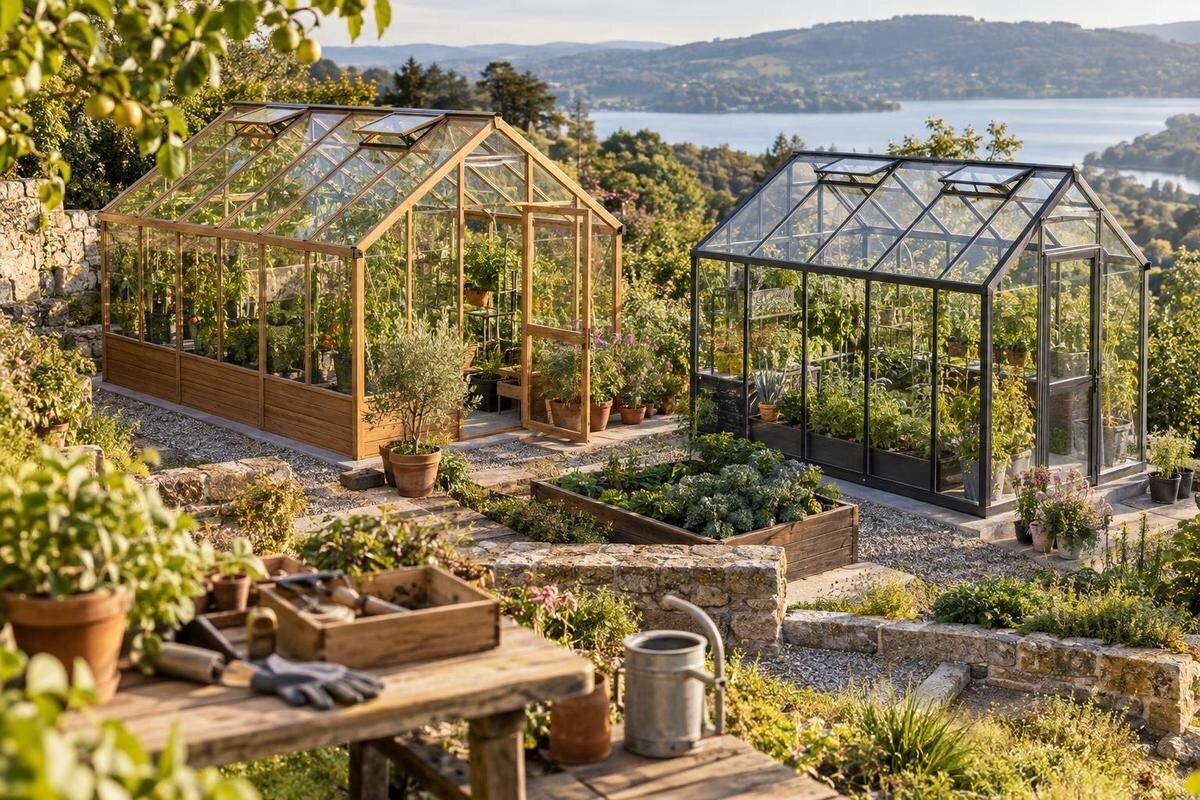
Greenhouse buying guide
Choosing a wooden greenhouse means choosing both a growing space and a frame that will need care. Timber species, treatment and finish matter, but they do not answer everything: joints, glazing, base, ventilation and the way the frame meets the ground also affect ongoing upkeep. Before buying, decide what you plan to grow, compare written specifications rather than relying on photographs, and ask which maintenance jobs the maker expects. Then you can judge whether timber suits your garden, available time and budget, and compare a wooden model fairly with greenhouses made from other frame materials.

Match the layout to your growing plans
Begin with intended use: raising seedlings, growing crops, keeping tender plants, or combining those jobs. List the plants’ likely height and spread, the benches or shelving you expect to use, and whether you need standing room for potting. The outside footprint can overstate the space left for plants once benches, the door opening and a working aisle are accounted for. Compare internal dimensions and plan views where supplied, rather than judging capacity from a photograph or model name. If you plan tall crops, check usable height where they will stand, not just any peak height shown.
Leave access around the greenhouse for cleaning glazing, inspecting timber and making repairs; a tight fit can make routine care awkward. Note the door swing and whether you can reach vents once plants and benches are in place. Check whether shelves or benches shown in photographs are included or simply illustrative. A page such as the Orangerie greenhouse listing can be included in a layout comparison, but its name alone does not establish dimensions, materials or fittings. Use the model’s actual drawings and specification, then compare the internal arrangement with your planting plan.
Find out exactly what the timber is
Ask the seller to identify the timber by species, not only by broad terms such as hardwood, softwood or premium timber. Those labels do not tell you exactly which wood has been used or how it will be finished. Request the common name and, if available, the botanical name. Ask whether the same species is used for posts, rails, doors and glazing bars, as a kit may combine different components. Find out what grade or quality description the maker applies, and whether the specification covers every timber part supplied. If the wording is unclear, ask for written clarification before treating the product as a particular type of wood.
Separate the species from the treatment. Ask whether the timber is untreated, treated or modified, what process has been applied, and which faces, ends and cut surfaces are covered. A general claim such as weather-resistant does not explain the process or give you a maintenance schedule. Ask whether the stated treatment is intended for greenhouse exposure and what additional coatings, if any, the maker permits. If you plan to grow edible crops, seek the maker’s guidance on products suitable for that intended use; do not assume a finish is appropriate simply because it is sold for outdoor wood. Keep the answer with the assembly and care instructions.
Check the frame construction and joints
Look at how the frame members meet: the product description or assembly guide should make the main joints, fasteners and glazing supports understandable. Check whether diagrams identify frame parts and their orientation, how corners are joined, and how doors, vents and glazing bars attach. A clear parts list lets you compare kits and spot whether fixings or small components are separate. If a description names a joint type without showing it, ask for a diagram rather than guessing. Check that the assembly instructions match the model you are ordering; a generic illustration may not resolve differences. A decorative joint or thicker-looking post in a photograph does not tell you how the frame is assembled.
Timber responds to changes in moisture, so the maker’s assembly and upkeep instructions matter at joints and around glazed panels. Check how exposed ends are finished, where water might sit, and how the frame is intended to retain the glazing. Ask whether assembly exposes fresh cuts that need treatment and what product should be used, if any. These are details to understand, not invitations to alter the frame yourself. If your shortlist includes the Classic Plus 385 greenhouse listing, inspect its published information separately: the model name alone does not establish timber species, joints or supplied parts. Compare confirmed construction details across your candidates.
Compare glazing, doors and ventilation
The frame is only one part of the greenhouse specification. Confirm which glazing material is supplied, whether it is included in the kit, and how panes or panels are retained. Ask how replacement pieces are identified, whether their dimensions or part numbers are available, and how to order the correct replacement later. Read the model’s instructions for any seals, clips or beads around the glazing, particularly where they meet timber. Do not assume that products with similar photographs share the same glazing or fixing method. If a description uses shorthand you do not understand, ask the seller to explain it before comparing prices or care requirements.
Check ventilation and access at the same time: which vents and doors are included, where they are positioned, and whether you can reach them with benches and plants in place. Use a plan or technical drawing, rather than a lifestyle image, to judge opening positions and clearances. Ask whether opening mechanisms and glazing fasteners are included or sold separately. Find out how the timber beside openings and glazing should be inspected, as water can collect at these interfaces. Record glazing and ventilation separately from the timber specification, so an attractive frame does not obscure what is included in the complete greenhouse package.
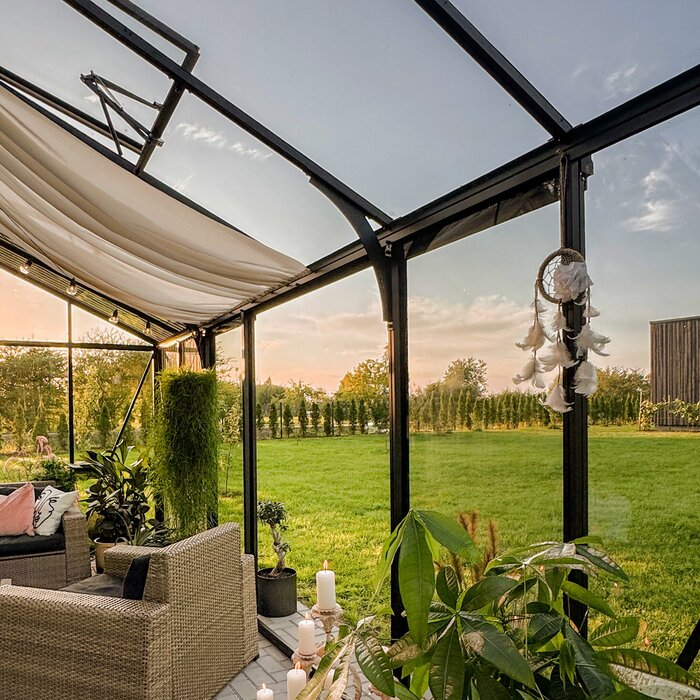
Confirm the base and ground preparation
Before ordering, establish what supports the frame and what the package provides. Check whether a base is included, optional or not supplied, and request the maker’s requirements for the finished support surface. A firm, level, well-drained site is a practical starting point, but exact base and attachment details depend on the model and site. Note the planned floor level, thresholds and route for rainwater to drain, so they do not conflict with door access. Clarify whether the quoted scope includes only a greenhouse base or any ground preparation as well. Add materials and professional work to your budget rather than assuming site preparation is part of the kit.
If a model is titled pyramid greenhouse for masonry bases, treat that wording as a model identifier, not a complete specification for your base. Read the installation guide for stated support requirements and attachment information; do not use a title to design a base. If the ground, masonry or attachment detail is uncertain, ask a qualified installer or suitable building professional to assess it rather than improvising. Consider which timber surfaces could contact soil or remain damp, and what clearance or protection the maker specifies. These checks help you compare the same site-preparation scope when reviewing different greenhouse options.
Choose a suitable position, especially for a wall-mounted model
Observe the proposed position at different times of day and, where possible, during more than one season. Nearby walls, trees and fences can alter available light; falling leaves and water running from a roof can make glazing and the frame harder to keep clean. Check access to the entrance and whether doors or vents would be obstructed by paths, shrubs, gates or stored items. Think about where you will stand to clean glazing or reach the back of the frame. The greenhouse needs a practical maintenance route as well as a position that suits your plants. Avoid choosing the spot solely because it is easiest to prepare.
Wall-mounted or attached formats bring additional questions: whether the proposed wall is suitable, where rainwater travels, and how the greenhouse, doors and vents fit around windows, pipes and eaves. The T-shaped wall-mounted greenhouse listing names a particular configuration, but its title does not tell you whether it will fit your building or site. Review the drawing, stated dimensions and attachment guidance; do not assume a wall can support a greenhouse or that a gap can be sealed in a particular way. Ask a qualified professional to resolve structural or installation questions, and include room for inspection and cleaning in your layout.
Understand the finish and treatment before ordering
Find out how the timber surface will arrive: bare, pre-treated, factory-coated or finished in another way. Ask whether treatment is applied before or after machining and whether cut ends or concealed faces need attention during assembly. A colour or smooth surface in a photograph does not identify the product or prove every surface is covered. Request the maker’s directions for any finish that needs renewal, including when to renew it and what cleaning or preparation is allowed. This matters when estimating effort: a decorative finish and a protective treatment may be different things, so ask what each specified layer is intended to do.
Ask which paint, stain, oil or other finish is compatible with the specified timber and any existing treatment, and whether application is expected before assembly or after the frame is built. Do not assume a coating sold for garden fencing is suitable for a greenhouse frame or its glazing joints. If comparing different frame materials, the Aluminium Classic greenhouse listing gives a named non-timber model to review; check the care information actually stated for it, rather than treating a material label as a maintenance promise. Compare the documents, not a general claim that one material needs no attention.
Plan routine care for the frame
Treat care as recurring small jobs, not a one-off coat of preservative. Follow the maker’s timetable and product instructions, and note inspection dates that suit the model and site. Look for worn or peeling finish, exposed timber, loose fittings, damaged glazing and water collecting at joints; check gutters or drainage channels if the greenhouse includes them. Remove soil, plant debris and dirt using the method recommended for the frame and glazing, since unsuitable abrasives or cleaners may damage surfaces. Check that doors and vents operate as intended, but do not force hardware that sticks or binds; first find out what the maker recommends.
Keep these tasks in mind when arranging benches and plants. Avoid letting pots, compost or stored items permanently hide frame areas you need to inspect, and allow access to glazing and fasteners. Deal with leaks or standing water in line with the instructions; repeated damp contact may need attention, but the right response depends on the construction. Reapply a finish only when and how the maker specifies; extra coats are not automatically helpful. An aluminium lean-to greenhouse listing names a different frame and layout, but it is not a care schedule. Compare each model’s written guidance and budget for the jobs it actually requires.
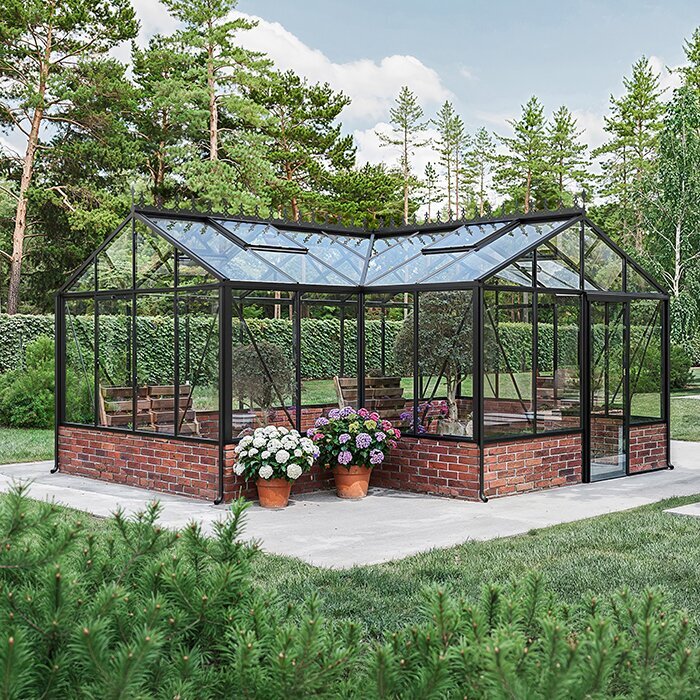
Check the package, assembly support and documents
Before paying, compare the itemised contents with the exact model description: frame pieces, glazing, doors, vents and opening gear, base, fixings, gutters and staging may be listed separately. A photograph may show extras that are not part of the kit, so ask what is included and what must be bought elsewhere. A title such as Prestige greenhouse metal base makes the base a detail to verify, not an assumption about what will arrive or what groundwork is needed. Confirm the parts list and any optional items in writing, so your budget reflects a complete greenhouse rather than a headline kit.
Read the assembly and care documents before finalising the order. Check that they cover the model you are buying, identify parts clearly and explain the order of work and any tools you need to supply. Find out how to report missing or damaged components and whether replacement parts can be ordered. Confirm that the delivery route and storage space at home can accommodate the packed kit; do not infer a delivery arrangement from a product name. Ask for the maintenance instructions and written warranty terms, including any care requirements, and save them with the final specification for reference during assembly and upkeep.
Compare the total cost over time
Compare the purchase cost with the work and supplies needed over time, without trying to predict a fixed lifespan. Include any separately quoted base or groundwork, assembly, initial finish, later coating materials, cleaning supplies and likely replacement of glazing or fittings. Count your own time too: doing a job yourself does not make it effortless or cost-free. Ask the seller which tasks its instructions require, how often they should be done, and whether suitable products are available in quantities appropriate for the frame. Comparing the same set of costs for each option gives a fairer picture than comparing headline prices alone.
Use the same questions when comparing timber with another frame material: what is specified, how should it be cleaned, which finish renewals or component checks are required, and what replacement parts can be obtained? The limited-edition aluminium greenhouse listing can be part of that comparison, but its label does not establish lower upkeep, longer service or better value. Review its actual specification and care guidance beside the wooden model you are considering. Choose the frame and layout whose installation scope and ongoing jobs suit your garden, time and budget.
Frequently asked questions
Which timber is best for a wooden greenhouse?
There is no single best species for every greenhouse. Ask for the exact timber species and grade, which parts it is used for, how it has been treated and what finish is supplied. Compare those details with the care instructions; broad descriptions such as hardwood, softwood or durable timber are not a substitute for a clear specification.
Does treated timber mean a greenhouse is maintenance-free?
No. The word treated does not explain which surfaces were covered, what process was used or whether a finish needs renewing. Follow the maker’s instructions for cleaning and inspections, and ask what additional treatment, if any, is required. Check that the guidance applies to the exact model you are buying.
How often should I repaint or recoat a wooden greenhouse?
There is no universal interval: the timber, treatment, finish, construction and site all matter. Ask the maker for a written schedule and for signs that the finish needs attention. Use only products it says are compatible, and do not assume that an extra coat is beneficial simply because the frame looks weathered.
Can a wooden greenhouse sit directly on soil?
Do not assume that it can. Follow the requirements for the particular model, including its base, ground clearance and drainage guidance. Contact with damp soil may affect the timber, but the right support arrangement depends on the design and site. Ask a qualified installer or building professional if you are unsure about the base.
What should I check before ordering?
Confirm the timber species, treatment and finish, then compare usable dimensions, glazing, doors, vents and base requirements. Check what is included, what needs to be bought separately, and whether the assembly and care instructions cover the exact model. Include site preparation, maintenance supplies and any assembly work in your budget.
Before placing an order, make sure the timber species and treatment are clear, the base and included parts match your site, and the written care instructions fit the time and cost you are willing to commit. Compare the layout, frame, glazing, access and upkeep together. That gives you a sound basis for deciding whether a wooden greenhouse suits your garden, rather than relying on a species label or attractive finish alone.
