
Buying a Greenhouse for Winter Growing: What It Can and Cannot Do
Greenhouse buying guide
Buying a greenhouse for winter growing in Ireland is less about finding a structure labelled winter-ready and more about deciding which conditions you need to create. A greenhouse can shelter plants from much of the rain and wind and give you a more manageable growing space, but it does not create daylight or guarantee frost-free temperatures. The right choice depends on whether you want to keep hardy crops going, protect plants through winter or actively grow crops that need extra warmth. This guide covers the limits to plan for and the details to compare before ordering.

Before you buy 1
What a greenhouse can do in winter
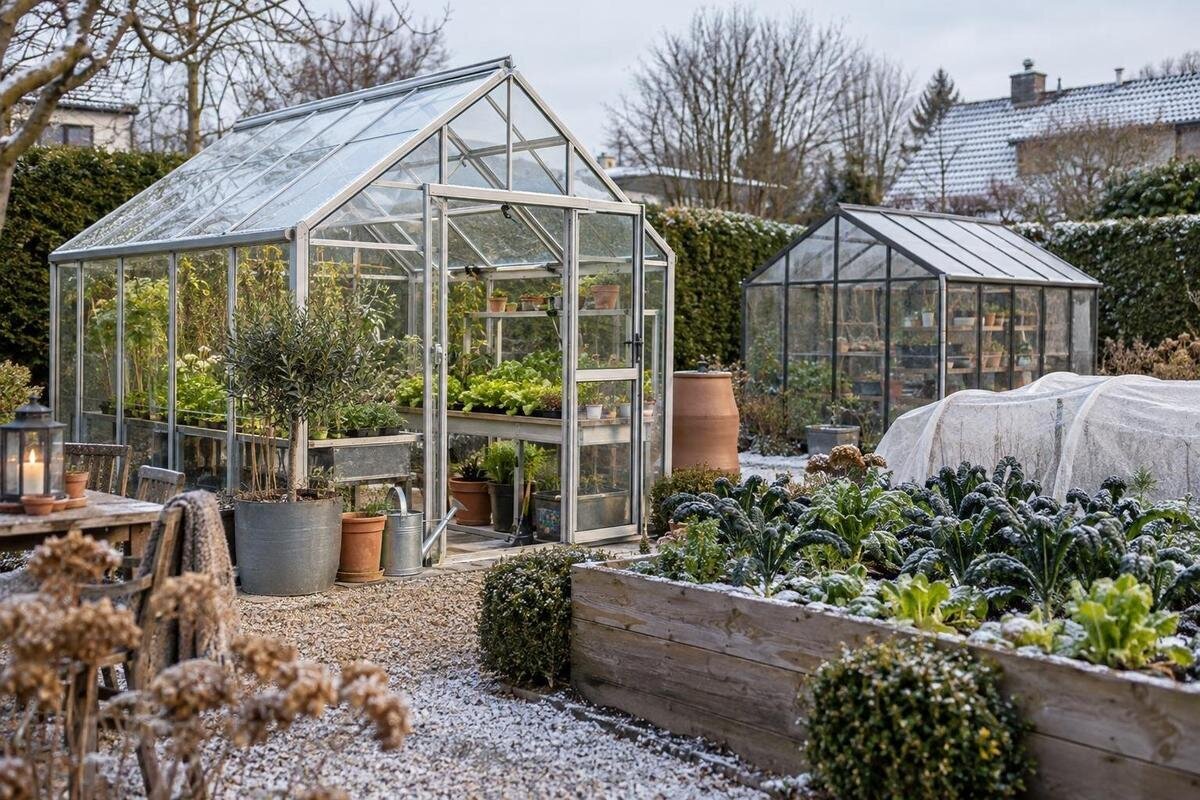
A greenhouse changes exposure, not the season. Its walls and roof can reduce direct rain and wind on plants and create a space where pots, beds and tools are easier to manage. Conditions inside still follow the weather: sunshine can warm the air during the day, while temperatures may fall after sunset. The amount of change depends on the actual glazing, seals, ventilation, size and site. An unheated structure is therefore not a frost-free room, and a product name or bright photograph is not evidence of how warm a particular greenhouse stays overnight. Check conditions where plants will sit rather than relying on a mild afternoon reading.
That distinction matters when you choose crops. A hardy plant may survive winter under cover without putting on much new growth; another may need more warmth or light to flower or set fruit. Keeping plants alive, harvesting a small amount of fresh leaves and producing steady growth through the coldest weeks are different aims. Check crop and variety guidance for planting time, light and temperature preferences, and treat those requirements as separate from the greenhouse itself. A simple min/max thermometer at plant level can show overnight lows and daytime changes in the proposed location. The structure can make some conditions easier to manage, but it cannot make a light-demanding or tender crop suitable for every winter.
Define the crops and harvest you want
Write down what winter growing means for you before comparing models. Overwintering a plant in a less exposed space is not the same as picking fresh leaves regularly, and neither means producing warm-season crops through the darkest weeks. Some hardy crops tolerate cold yet grow slowly when daylight is limited; others need conditions an unheated greenhouse cannot maintain. Check guidance for each crop and variety, including planting time, light needs and whether a protected but cool environment is suitable. Record the months you expect to use the greenhouse and what counts as success: survival, new growth or a planned harvest. This distinction stops one vague goal from driving every part of the purchase.
Turn that goal into a short buying brief: list the crops, months of use, number of pots or beds, and whether you are prepared to add light or heat. Then assess usable space, access and room for equipment; a larger structure is not automatically easier to keep warm. The Prestige greenhouse with metal base listing is one page to examine for stated dimensions, glazing, ventilation and included components; the product name alone does not establish winter performance. Apply the same checklist to every option, noting which details are missing rather than treating them as standard. Include how you will move watering cans, compost and harvested produce in and out.
Before you buy 2
Winter daylight limits growth
Winter light is often the first limit to check. In Ireland, days are short and the sun stays low in the sky; cloud cover can further reduce the light reaching plants. A greenhouse does not extend the day, and its glazing and frame cannot pass all the light available outside. Nearby trees, fences, walls and the house can cast long shadows when the sun is low. A spot that is sunny in July may be shaded in December, so inspect the proposed site at different times and consider how surrounding vegetation changes through the year. Compare available light with each crop’s guidance, rather than assuming that a bright-feeling space will support active growth.
Compare what the product information says about glazing and frame rather than judging light from a bright product image. Dust, algae and condensation can reduce light, so think about whether you can reach all surfaces for routine cleaning. If active winter growth is essential, ask whether supplemental growing lights suit the crops and area, how much coverage they provide and what they cost to run. Fixed electrical equipment should be assessed and installed by a qualified professional; do not assume any lamp is suitable for a damp greenhouse. The Bloomcabin Orangerie listing can be reviewed in the same way: look for stated details rather than inferring light performance from its name or image.
Glazing and insulation involve trade-offs
Glazing is not one interchangeable specification. When shopping, compare the material and construction stated for each option, any information on light transmission, seals and joints, and whether replacement panels or maintenance details are available. The frame and covering both affect how much light reaches plants and how easy it is to inspect, clean or repair the enclosure. Do not assume that a heavier-looking panel will produce the best result for your crops: heat retention and light admission both matter in winter. If a listing is unclear, ask for the exact specification rather than filling gaps from a model name or photo.
Adding a secondary insulating layer or thermal screen may slow heat loss, but it can also shade plants, trap moisture or interfere with vents if it is poorly matched. These are trade-offs, not automatic upgrades. Confirm with the supplier that any insulation method is compatible with the specific glazing, frame and ventilation, and ask whether it needs adjusting during brighter periods. Keep your crop plan in view: insulation will not supply missing daylight or replace a suitable heat source. Use the same questions when reviewing the Classic Plus 385 product page and alternatives, without assuming the model name describes its glazing or insulation.
Before you buy 3
Choose a site for winter light and shelter
A bright site is useful, but winter sun makes the position of surrounding objects more important than a summer view might suggest. Check shadows across the day at the time of year you plan to grow, and consider whether trees will leaf out or grow taller. A sheltered corner may reduce exposure but be shaded; an open space may admit more light while experiencing more wind. There is no single orientation that suits every plot, so assess your own conditions rather than relying on a general rule. Leave enough room to reach doors, vents and glazing for routine care, and consider how you will get to the greenhouse in wet weather.
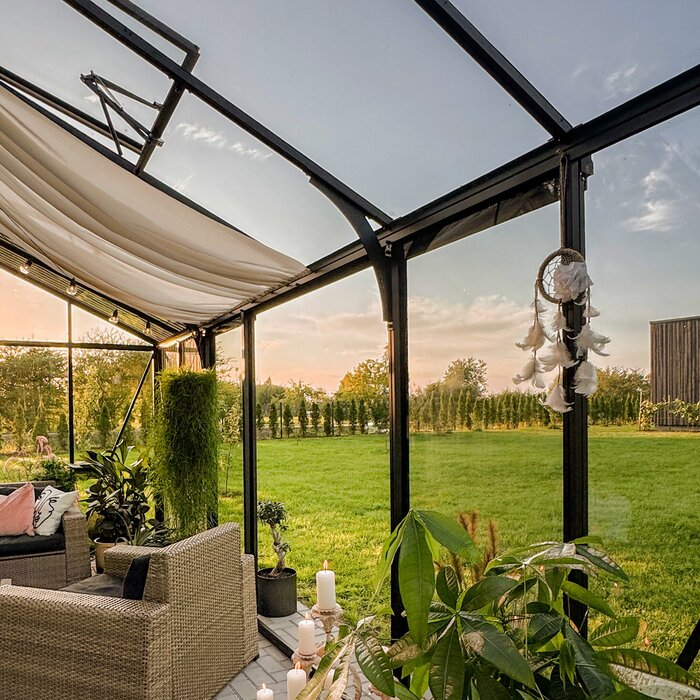
Nearby buildings need special thought. A wall can be relevant to a wall-mounted design, but it may block winter light, and you should not assume the house will keep the greenhouse warm. Check the product’s stated siting, attachment and clearance requirements with the supplier, and have the wall and installation assessed by an appropriate professional if suitability is uncertain. The T-shaped wall-mounted greenhouse listing is one page to inspect for explicit requirements; its title does not show whether your particular wall, location or crop plan is suitable. Check that doors, paths and drainage remain practical once the structure is in place.
Check the base, drainage and access
Base and ground conditions affect stability and access, but the right solution depends on the chosen model and the site. Before ordering, read the manufacturer’s stated base and anchoring requirements, and confirm which components are included and whether a separate base is needed. A paved area, concrete slab, masonry base and soil cannot be treated as interchangeable by default. If the ground is uneven, exposed or otherwise difficult, ask the supplier or a suitably qualified installer what is required. Do not infer dimensions or structural needs from a product image or try to substitute a base without checking the instructions.
Think about water management and winter access as well as the frame. Rain around a poorly planned site can make everyday work unpleasant, while standing water can complicate access to beds or pots. Decide how you will bring water in, move compost and harvest crops without tracking mud through the house, and leave room to inspect the structure. A product page such as the pyramid greenhouse for masonry bases listing is a prompt to verify the stated base requirements, not a set of construction instructions. Confirm any required dimensions, included parts and installation arrangements from current product details before committing.
Before you buy 4
Ventilation still matters in cold weather
A closed greenhouse is not automatically a controlled one. On a sunny winter day, the air inside can warm even while it remains cold outside; as it cools, moisture from soil, plants and watering may settle on glazing. Ventilation gives you a way to manage heat and moisture, although opening a vent also lets warmth out. Check where doors and vents are, whether you can reach and operate them, and how added insulation or equipment might affect airflow. Think about the routine you are willing to manage: a setup that depends on frequent adjustments may not suit a space you can only visit occasionally.
Before buying, check which openings are included, how they work and whether any automatic controls are specified or optional; never assume these details from a photograph. Consider how you will ventilate while keeping plants under cover, and follow the instructions for fitted controls. Moisture management also depends on watering and how closely plants are grouped, so ventilation alone cannot guarantee dry glazing. The Aluminium Classic greenhouse listing is another page on which to check for explicit information about doors, vents and included equipment; its name is not evidence of a particular ventilation arrangement.
When extra heating or light is needed
Additional heat is a choice for a crop goal, not an automatic benefit of buying a greenhouse. If plants need warmth that the unheated structure cannot provide, a suitable heater may help, but heat can escape through glazing and gaps. Conditions vary with the weather, the structure and how the space is managed. Estimate running costs using the chosen heater’s stated consumption, expected hours of use and your current energy tariff; a greenhouse model alone cannot provide a meaningful figure. Heating also does not compensate for limited winter light, so consider the two needs separately when deciding what equipment, if any, belongs in your plan.
Check that any heater or growing light is intended for the environment and compatible with the greenhouse, then follow the equipment and greenhouse manufacturers’ guidance. A qualified professional should assess fixed electrical work and any installation where suitability is uncertain; avoid adapting equipment or treating a domestic extension as an informal solution. Allow time to monitor conditions and consider what you will do if equipment stops working, rather than relying on a precise temperature you may not be able to maintain. For an option such as the aluminium lean-to greenhouse listing, ask the supplier for guidance on heating or equipment compatibility instead of assuming a nearby wall will retain enough warmth.
Before you buy 5
Include setup, running and maintenance costs
Budget for the whole setup, not only the greenhouse structure. Relevant costs may include a base, glazing or door options, assembly, delivery arrangements, lighting, heating, replacement parts and ongoing energy use. The available details differ by listing, so do not assume that accessories, a base or installation are included. Before checkout, review the current product description and terms for dimensions, what is included, access for delivery, returns, warranty and replacement-part information. These are purchase details to verify as stated, not features to infer from photographs. If a particular requirement affects your plans, get it confirmed before placing an order.
Maintenance has a winter cost in time even when it does not add an obvious line item. You may need to keep glazing clear, check doors and vents, manage condensation and remove plant debris. Ask how panels and seals can be replaced and where to find care instructions, then consider whether you can carry out the routine safely. Check the same practical details on the limited-edition aluminium greenhouse listing as on any other model, including the information provided about components. The model name by itself says nothing about price, stock or warranty. Comparing like with like makes it easier to see the real cost of the setup.
Compare the whole winter setup before ordering
Test each option against a realistic winter week before you commit. Ask what you can grow without added equipment, how much natural light reaches the site, where water and tools will go, and how you will ventilate if sunshine warms the space. Then record the exact product details that answer each question. Separate confirmed features from unanswered ones, and ask the seller about details that matter to your plan. If the answer depends on custom installation or structural suitability, have an appropriate professional assess it rather than making assumptions from a listing. This gives you a comparison based on use, not appearance alone.
Choose a greenhouse if it offers the protection and working space you want, while accepting that growth may slow or stop in the darkest weather. If your plan depends on sustained warmth or high light, compare the full equipment and running costs with the harvest you expect; do not count on the enclosure alone. A more modest plan, such as overwintering hardy plants or accepting slower harvests, may make a simpler setup more practical. The best purchase is the one whose stated details and realistic limits match your crops, your site and the time you can give winter growing.
Frequently asked questions
Will an unheated greenhouse stay frost-free in winter?
Not necessarily. Overnight temperatures inside can fall sharply, depending on the weather, glazing, seals, ventilation and site. Treat the structure as shelter rather than a guarantee against frost, and monitor conditions where your plants will be placed.
Can I grow vegetables in a greenhouse all winter in Ireland?
Some hardy vegetables can be grown or overwintered under cover, but growth may slow when daylight is limited. Choose crops and varieties suited to your conditions, and distinguish keeping plants alive from expecting regular winter harvests.
Does insulation make a greenhouse warmer without drawbacks?
It may reduce heat loss, but an added layer can also reduce the light reaching plants or affect ventilation and moisture. Check that any insulation method is compatible with the greenhouse and the crops you intend to grow.
Will a greenhouse beside the house stay warmer?
Do not assume so. A nearby wall may shade the greenhouse during low winter sun, and its effect on indoor temperatures depends on the building and conditions. Check the site and ask about the specific product’s siting requirements.
Do I need a heater and growing lights?
Not for every winter-growing plan. They may be relevant if your crops need more warmth or light than the site provides, but both add equipment and running costs. Check crop guidance, product compatibility and installation requirements before deciding.
A greenhouse can make winter growing more manageable, but it cannot supply warmth or daylight on its own. Choose crops and a level of winter growth that fit the conditions you can provide, then compare product details, equipment needs and ongoing effort before ordering. A realistic plan for the darkest months is more useful than expecting the structure alone to deliver year-round growing.
