
Buying Your First Greenhouse: A Step-by-Step Decision Guide
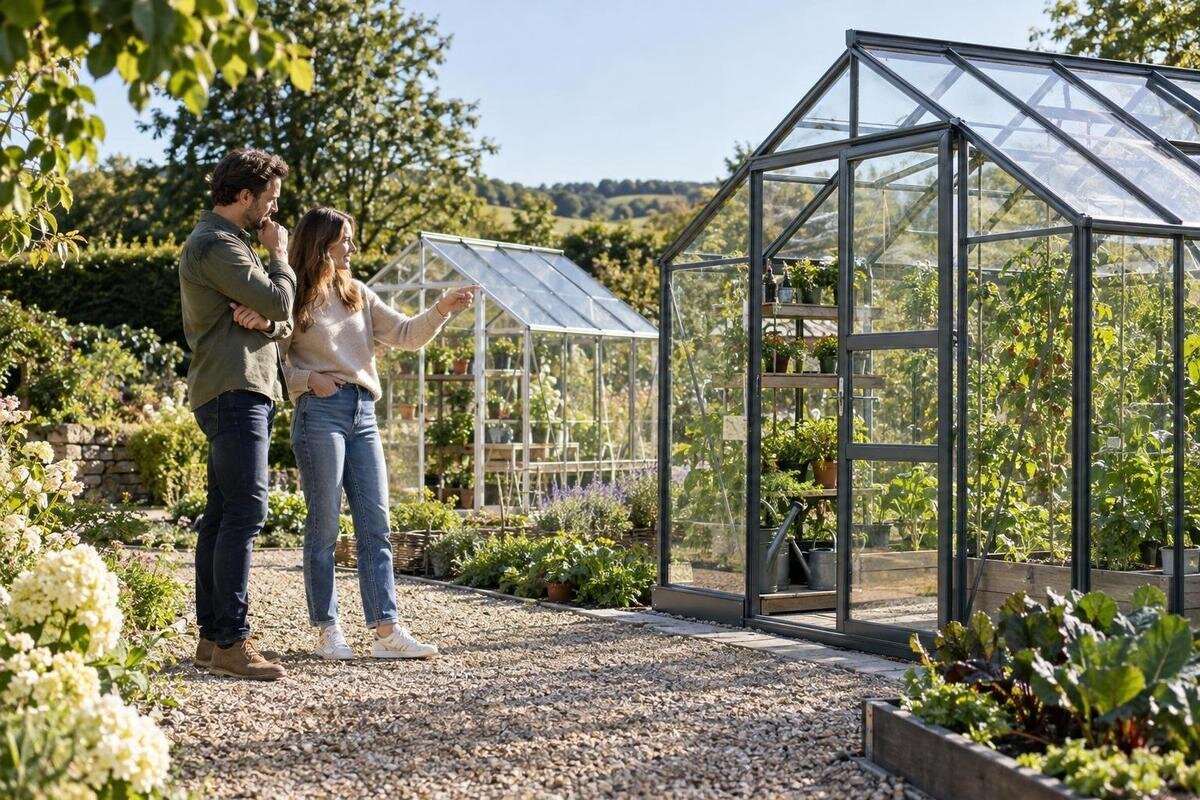
Buying your first greenhouse
Buying your first greenhouse is easier when you decide what it must do before comparing models. The garden sets the available space, but your growing plans determine the useful size, layout and features. Work through the decisions in order: define your plants and routine, measure a workable position, check the base, then compare materials and fittings against what the product information actually says. This keeps an attractive photograph or an impressive name from standing in for practical details. You do not need to predict every future crop; a short priority list and a few measured options are enough to build a shortlist that fits your garden and the way you intend to use it.

Decide what you want to grow
Before you browse models, decide what you want the greenhouse to do. Raising seedlings, growing crops under cover, keeping a few plants through cooler periods and having a sheltered potting space all call for different layouts. Make a short list of the plants you are likely to grow and how you expect to grow them: in seed trays, pots, grow bags or beds. Consider whether they need floor area, bench space or clearance above them. Ranking one main purpose and one or two secondary uses gives you a practical brief, rather than a vague wish for more growing room.
Think about the work that comes with those plans. Seed trays may need frequent access to a bench; taller plants can make a narrow route awkward; containers can be moved but still need room around them. Decide how many people will use the space and whether you expect to stand, kneel, water or pot there. Be realistic about time for ventilation, watering, cleaning and seasonal tidying. A first greenhouse that suits your routine is more useful than a larger one that is hard to reach or maintain. This brief also helps distinguish features you will use from attractive extras.
Measure the space available
Measure the part of the garden you can actually allocate to a greenhouse, not just the rectangle that looks free from a window. Record its length and width, then mark a possible footprint on the ground with string or temporary markers. Walk around the outline and approach it from the direction you would normally use. A structure may fit on paper yet make a gate, path, tap, garden bed or storage area awkward. Allow for the door to open and for access to the sides for routine care. Treat your measurements as a limit, not a target that must be filled.
Compare that space with the exact dimensions given for each model, distinguishing outside measurements from any stated internal or growing area. Check height as well as ground area, and find out whether measurements include a base or other projecting parts. For a candidate such as Bloomcabin Prestige greenhouse metal base, check the listing for its stated footprint and any base details; do not read measurements or inclusions into the name. If access is tight, consider the route from the delivery point to the site as well. A simple sketch showing fixed obstacles can make a mismatch clear before you order.
Choose a position with suitable light and access
Look at how shade moves across the proposed site rather than judging it once. Trees, sheds and neighbouring buildings can block light at different times of day and through the seasons, so an open-looking spot may not receive the light you expect. There is no single orientation that suits every garden; compare the likely conditions with the plants you plan to grow. Note slopes, low points where water collects, overhanging branches and places where runoff or debris could be a nuisance. If you are unsure about the site, observe it over several days before deciding where the footprint will go.
Exposure and daily access matter too. An open corner may be easy to reach but less sheltered, while a tucked-away position can be calmer yet inconvenient for watering or ventilation. Notice how wind moves through the garden and whether a wall or fence affects airflow. If you are considering a listing called Aluminium lean-to greenhouse, confirm in the product information what installation arrangement and any clearance requirements apply; do not choose a position from the name alone. A convenient route from the house or water source can make regular care easier, but the site still needs to suit the greenhouse requirements.
Select a size you can use comfortably
Choose a size by matching practical capacity to your growing list, not by selecting the largest footprint that fits. Check the outside width and length, then consider usable height and the space left to move between beds, benches or containers. Think about how you will arrange the interior: a greenhouse can have plenty of floor area but feel cramped if you cannot reach plants easily. If you expect to use shelving or a potting bench, add those to your sketch before comparing models. The layout you can work in is as important as the area stated in a listing.
A product name such as Bloomcabin Orangerie is not a measure of usable growing space; compare any stated dimensions and included features. Consider how many trays or pots you want to manage and whether there will be room as plants grow. Avoid both extremes: too little space can force constant rearranging, while a much larger footprint can take up garden area and create more work than you need. A little spare room may be useful, but only if it does not squeeze access or displace another important use of the garden.

Check the base and floor requirements
Treat the base as part of the buying decision, not an afterthought. The greenhouse needs support in line with its product instructions, and the floor should suit the way you plan to use the interior. A base can affect the final footprint and the position of the entrance. Check whether the listing says a base is required, included or sold separately; do not assume from a photograph or product name. Note any stated surface or support requirements and consider whether the ground you have in mind can meet them.
Avoid treating one base arrangement as suitable for every model or garden. Ground conditions, drainage and product requirements vary, so use the relevant instructions rather than relying on a generic sketch. For a listing called Pyramid greenhouse for masonry bases, confirm exactly what the product information says about the base and what, if anything, is supplied; the title alone does not settle those details. If the site is uneven or you are unsure whether your intended base is suitable, ask the supplier or a qualified tradesperson before ordering. That helps avoid having a greenhouse arrive before its support is ready.
Compare frame and glazing materials
Compare the frame and glazing as separate parts of the greenhouse. A product description may use a headline material without explaining every component, finish, connector or panel. Look for the stated frame material, glazing type and information about how panels are retained; check whether the description covers the whole structure. Material choices can affect appearance, weight, light, upkeep and repair options. Rather than treating a material label as a complete quality grade, decide which properties matter to you and use the listed information to compare like with like.
Choose glazing with your intended use and the care you can provide in mind. Compare the stated panel type and any information about light transmission, insulation, impact behaviour and replacement; do not assume that all glass or plastic panels behave alike. The frame also needs consideration: check what care the maker recommends and whether compatible replacement parts can be identified. Even a name such as Aluminium Classic greenhouse does not describe every component or its maintenance needs. Read the available material and care information before making a choice.
Look at ventilation, doors and working height
Check what ventilation is listed and how it is operated. Note whether vents are included or offered as an option, and where the openings sit in relation to any benches or shelves you plan to use. You may need to open and close them regularly, so consider whether you can reach them easily. Do not count a roof vent, automatic opener or shelf as included just because it appears in a general product image. Confirm the package contents and any options that affect the way you intend to use the greenhouse.
Check door dimensions and how the entrance works in relation to your layout. Compare the stated opening with the trays, pots or other items you might carry through, rather than assuming that a wide exterior means easy access. Working height matters too if you expect to use shelves or stand at a bench. A name such as Limited edition aluminium greenhouse does not establish which vents, doors or fittings are provided, so use the actual feature information. Prioritise details you will use regularly over extras that may be difficult to reach or unnecessary for your plans.
Plan for assembly and everyday access
Think through how the greenhouse will reach its final position and be assembled. Check the route from the delivery point to the garden, including gates, narrow paths, steps and turns. Read any available assembly information before ordering so you can understand what the work involves, what tools or help may be needed and whether you will need to prepare the site first. Do not assume that a structure or its components will pass through every access point just because the assembled footprint fits the plot.
Consider how you will move around the greenhouse once it is in place. Leave a workable route to the door and think about the space needed to open it, carry in supplies and reach the plants you plan to grow. For an option listed as Wall-based T-model greenhouse orangery, use the product information to establish its intended layout, support and clearance requirements; its name alone cannot confirm that it suits your wall or plot. If an assembly or positioning detail is unclear, ask for clarification before you commit.

Consider maintenance and future needs
Include ongoing care in your choice. Think about how easily you can reach the glazing and frame for cleaning, where plant debris may collect and whether you can access the inside without moving everything first. Check the maker's guidance for cleaning and routine care, rather than assuming every material needs the same treatment. If a panel or fitting needs attention in future, knowing whether compatible replacements are available can also matter. These practical details are worth considering alongside the greenhouse's appearance and size, especially if you want to use it regularly.
Consider whether your growing plans are likely to change and which additions would be useful, such as extra shelves or a work surface. Check whether accessories are compatible instead of assuming that a later addition will fit. For an option such as Classic Plus 385, look for published care information and ask about replacement parts if the details are not clear. Also read the seller's terms for any warranty rather than presuming what it covers. A little attention to upkeep and support can help you choose a greenhouse that remains practical as your gardening develops.
Compare the shortlist before ordering
Once you have a few candidates, compare them against the same priorities instead of relying on memory or photographs. Note the stated dimensions, usable height, base requirements, frame and glazing details, ventilation, access and what is included. Mark which points are essential for your growing plans and which are preferences. This makes trade-offs easier to see: one option may fit the site more comfortably, while another may offer a feature you will use often. Do not let a long list of extras outweigh a basic mismatch in size, position or routine.
Before completing the purchase, make sure you have selected the intended model and any options you need. Check what is included, what must be arranged separately, the assembly information and the delivery and returns terms. Review the total cost, including any relevant delivery or preparation costs, without assuming that an accessory or base is part of the package. If a missing detail could change your decision, ask about it before paying. A clear comparison gives you a more dependable basis for choosing than a product name or a quick impression.
Frequently asked questions
How large should my first greenhouse be?
There is no single right size. Start with the plants and tasks you expect to manage, then measure the available site and compare it with the model's stated dimensions and usable height. Allow for access and the way you plan to arrange benches, beds or pots. Choose a size you can use and maintain comfortably, not simply the largest one that fits.
Where should I put a greenhouse in the garden?
Consider light at different times of day, wind exposure, drainage, shade from buildings or trees, and the route you will take for regular care. Conditions vary from garden to garden, so there is no universal position that suits every site. Check the location over time rather than relying on one sunny-day impression, and compare it with the plants you intend to grow.
Does a greenhouse come with a base?
Do not assume that a base is included or that every greenhouse uses the same arrangement. Check the product information for what is supplied, what support is required and any stated site conditions. If those details are unclear, ask the supplier before ordering. If you are unsure whether your intended base is suitable, get advice from a qualified professional.
How do I choose between glass and plastic glazing?
The choice depends on the qualities that matter to you, such as appearance, light, insulation, weight and care. Broad labels do not explain every panel's specification. Check the stated glazing type and any information about cleaning, replacement and how the panels are fitted. Compare those details with your growing plans rather than relying on a product photograph or a general description.
What should I settle before placing an order?
Confirm the greenhouse fits the measured site, then check the base requirements, frame and glazing details, ventilation, door access and what is included. Read the assembly and delivery information, and check the total cost and the seller's terms for returns and any warranty. If a detail that affects your choice is missing or unclear, ask about it before paying.
Once your plants, site and working routine are clear, choosing a first greenhouse becomes more manageable. Look for an option that fits the measured plot, has a base arrangement you can prepare in line with its requirements, and provides the space and features you will use. Keep the product information beside your comparison notes, and resolve any important gaps before ordering. The best choice is the one that supports your growing plans without making everyday access or care difficult.
