
Buying a Lean-To Greenhouse This Black Friday: Check Your Wall and Space
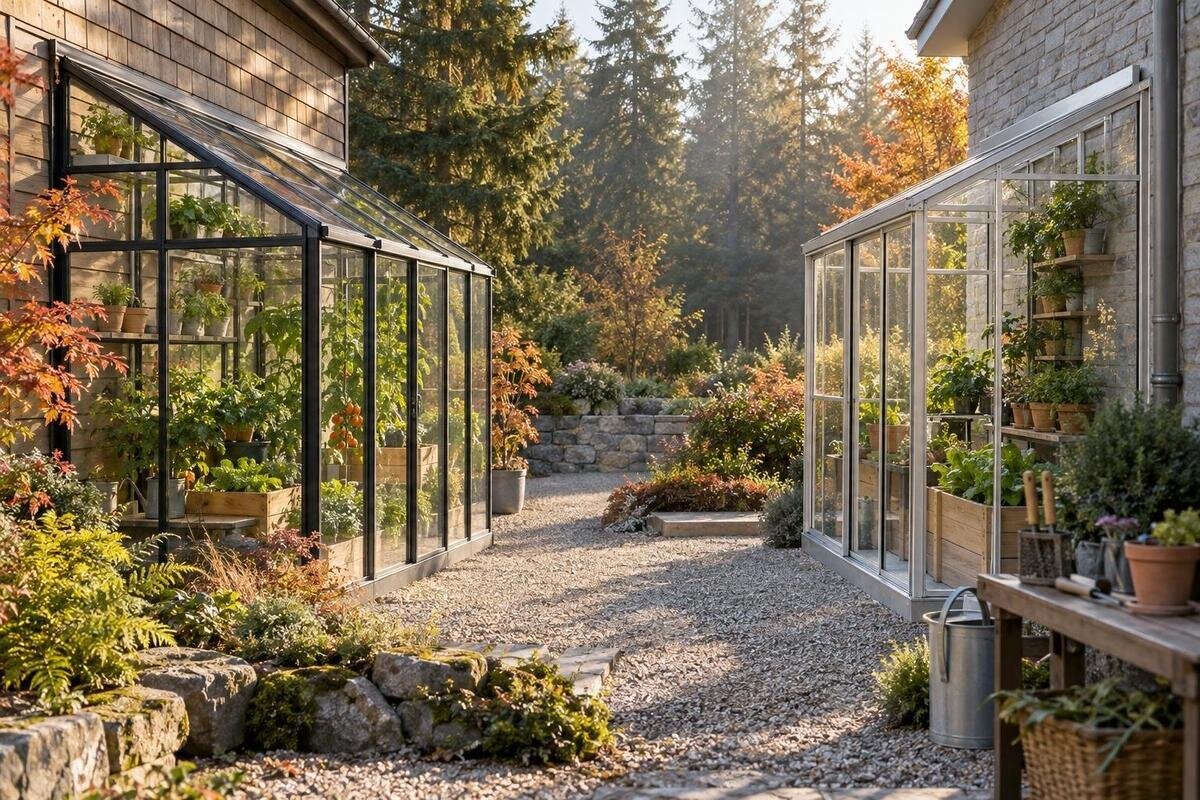
Black Friday greenhouse guide
Black Friday can make a greenhouse listing feel like a quick purchase, but a lean-to only suits your garden when the wall, footprint and access work together. Before comparing prices, identify the wall you could use, measure the clear run and the distance the structure may project into the garden, then check the wall and base requirements for the exact model. This guide focuses on those practical fit questions alongside the seasonal terms. No offer details are supplied here, so it does not assume that a discount, deadline or saving is currently available.

Set a Black Friday budget that covers the whole purchase
Before opening sale tabs, set a maximum all-in budget and decide what it needs to cover. A headline price may not include every part of the project, so compare like with like: the exact model and variant, stated contents, base, fixings, required accessories, delivery and assembly if you will not fit the greenhouse yourself. Keep one line per model and variant so a package with extras is not compared with a bare listing. Record the amount at checkout, not just a crossed-out reference price or promotional phrase. No offer details are supplied for this guide, so there is no saving, voucher, deadline or stock status to assume. Use the information shown for the product and order you are actually considering.
Separate essentials from extras before browsing. The base arrangement has to suit both the product requirements and the ground at your chosen wall. A name such as the Prestige greenhouse metal-base listing identifies a catalogue item, but it is not a complete bill of materials: confirm whether a base, fittings or other parts are included, optional or separate. If the listing leaves an inclusion unclear, clarify it before comparing totals. Keep delivery and assembly costs in the same note, so a seasonal price does not hide the amount needed to make the setup workable.
Measure the wall run and the space in front of it
Measure the clear wall run, not simply the wall’s full length. Mark anything that interrupts it, such as corners, a doorway, window, downpipe, tap, vent, meter box, external light or another fixed service. Measure the height available at the proposed position too, noting eaves and overhangs. If the wall or ground changes level, record that rather than smoothing it out on your sketch. Take each measurement from a consistent reference point and note the units; if the wall narrows along the run, use the narrowest unobstructed span. A lean-to uses the length beside the wall and the depth it takes up in the garden, so a generous-looking wall can still leave too narrow a route once the structure is in place.
Use a tape and sketch to record the usable wall width, maximum height and greatest outward projection you can accommodate. Mark that outline on the ground with string or another temporary marker, then check whether it blocks a path, gate, bin store or access to an existing bed. Compare the sketch with the stated external dimensions for each model, and distinguish the outside footprint from the internal space available for plants. If a dimension drawing is supplied, check what each arrow measures; it may show the frame rather than the usable interior. A number in the Classic Plus 385 product name is not a measurement unless the product information explicitly defines it that way, so never use a title as a scale. Ask for missing dimensions before shortlisting.
Check the wall and its existing fittings
Before treating a wall as a mounting point, consider its construction and visible condition. Loose or cracked surfaces, cladding, recent repairs or signs of moisture are reasons to pause rather than assume the frame can be attached safely. The outside finish may not show what is behind it, and fixing requirements can vary by wall type. Read the instructions for the exact model; if they do not identify your wall or you are unsure about its condition, ask a qualified installer or building professional to assess it before ordering. Do not select fixings by appearance alone or adapt instructions for another structure. A sketch can record visible features, but it cannot establish whether the wall is suitable.
Map the area around the proposed frame as well. Check that windows can still open, vents and pipes remain accessible, and gutters, cables or lights are not covered. Leave room to inspect and maintain existing features rather than using every centimetre of wall. If the wall is shared, rented or belongs to someone else, confirm that you have permission to use it before planning any attachment. A label such as wall-based T-model greenhouse identifies a catalogue item, but does not establish that its fixing method matches your wall. Compare the exact product instructions with the actual site, not just with the name.
Match the base to the ground at the chosen position
Treat the base as a separate part of the decision from the wall. The ground needs to meet the exact model’s stated base requirements; do not assume that a nearby wall carries the greenhouse or that an existing patio is level, stable or the right size. Look for information on the required base dimensions and surface, whether any base component is included, and how the specified base sits under the frame. Compare it with the footprint you marked and note drains, paving joints or changes of level that cross that area. Establish who supplies and prepares the base if it is separate from the greenhouse order. If the product information is incomplete, clarify the preparation needed before paying.
Product names are not interchangeable guidance: a pyramid greenhouse for masonry bases does not specify the base for a lean-to. Read the exact candidate’s requirements and confirm how the frame relates to the wall and ground. Think about the finished threshold too: an uneven or raised edge may affect door clearance and carrying pots or tools in. If masonry work, concrete work or a structural connection is being considered and its design is unclear, ask a suitable professional to assess it; this guide cannot provide a construction design. Include any ground preparation in your budget rather than comparing frame prices alone.

Allow room for doors and everyday access
Leave usable room in front of and beside the greenhouse, not just a rectangle for the frame. Add the door’s opening area if it is shown, a place to stand while carrying a tray and a clear route between the entrance and the rest of the garden. Check that the door will not meet a gate, step, hedge or wall when opened, and consider how you will bring compost or larger pots through. These everyday movements can make a nominally fitting footprint awkward. Use the exact product’s stated layout rather than assuming the entrance opens in a particular direction; allow space to reach any controls or vents as well.
Treat photographs as views of appearance, not scale drawings: perspective and cropping can hide the clearance needed around a greenhouse. If another listing is open, such as the Orangerie greenhouse listing, check its own dimensions and layout separately; its name or image cannot establish whether it meets the wall-based brief. For the lean-to candidate, look for door position and any ventilation openings in the model-specific information, then check they face usable space rather than a boundary or obstruction. If the layout or opening direction is not stated, get it confirmed before comparing prices.
Use the specification for the exact greenhouse model
Once site measurements are clear, compare only the details stated for the exact lean-to model and variant. Check its external width, projection and height, plus any listed frame, glazing, door, ventilation, base and fixing details that affect your plan. A feature or measurement shown for another greenhouse is not evidence that the shortlisted model shares it. For example, the Aluminium Classic listing is a separate catalogue name, not a specification sheet for a lean-to. Do not infer construction, dimensions or included parts from a similar label, photograph or material word.
Make a record of each candidate’s exact model name, dimensions, stated materials and included items, then mark any information that is missing. Use model-specific product information or written confirmation for details you rely on; do not infer a glazing type, frame strength, fixing system or suitability from a picture or model number. At checkout, check that the selected variant still matches the one you compared. If an unknown detail could change the decision, especially wall attachment, base or access, resolve it before checkout. Focus on the facts that affect the measured fit, the way you will use the greenhouse and the total order.
Check light and water around the wall
Check how the wall and surroundings affect the proposed position through the day. Note shade from the house, roof edge, trees, fences and nearby buildings at different times; the pattern can change with the seasons. A wall or roof edge may shade part of the position, so compare the site with the needs of the plants you intend to grow and use reliable growing guidance where needed. Do not assume that a wall provides a particular temperature or growing benefit. If possible, look at the proposed spot at more than one time of day rather than relying on a single view. This is a location check, not something you can confirm from the greenhouse name or a product photograph.
Look up as well as along the wall. Check where gutters, downpipes and other runoff discharge, whether the planned position would obstruct a drain or passage, and where water might collect at ground level. Avoid creating a problem for drainage or access to roof services. If considering the aluminium lean-to greenhouse listing, compare its exact dimensions and any stated placement or fixing guidance with the marked-out space; the title alone says nothing about the wall or water at your site. If the product information does not answer a site-specific question, get advice before settling on the layout.
Read the Black Friday terms, not just the headline
Treat a Black Friday label as a reason to inspect the terms, not as proof that an offer is better value. Check that the displayed price applies to the exact model and variant you measured, and note exclusions, required parts and delivery costs. If a reduction is advertised, compare the final payable price with other current prices for the same product and contents; do not compare one bare frame with a package that lists extras. Read the offer period and conditions on the live page, and keep a note of when you saw the price. Do not assume that a banner’s terms cover delivery or accessories unless they say so.
Words in a product title can create urgency without answering a buying question. A name such as limited-edition aluminium greenhouse listing does not confirm current availability, a Black Friday discount, a deadline or a guaranteed saving. Those facts are separate from product identity and should be checked on the live page at the time you order. Do not rush if the wall, footprint or included parts remain uncertain; an offer only helps if the model fits and the full cost suits your budget. Read the terms that apply to the actual order rather than relying on a search-result headline.

Confirm delivery and assembly arrangements
Check how the greenhouse can reach the chosen spot before paying. A clear garden footprint does not guarantee an easy delivery route: measure narrow gates, turns, steps and passages between the delivery point and the installation area. Look for the supplier’s stated delivery scope, costs, access requirements and any limits on where items are left. Do not assume a vehicle can reach the garden or that a package will be carried through the house. Check the tightest turn as well as the narrowest gate, since a route that looks wide enough on a plan may still be awkward in practice. If the listing does not explain delivery at your address, ask before ordering and include any extra handling in your budget.
Decide who will assemble the greenhouse and prepare the wall and base, then confirm what work the product instructions call for and what the order includes. If you plan to hire an installer, check that they can assess the wall attachment and ground preparation for the chosen model; do not make structural assumptions from a photograph or general greenhouse guide. Ask whether an installation quote covers base work or only assembly, and whether required fittings are part of the package. Keep the route clear for assembly and later access to doors and vents. Delivery and preparation can change the total even when the footprint fits.
Make the final comparison against your measured site
Before ordering, put the site and product details side by side. Your notes should include clear wall width and height, maximum projection, door clearance, access route, obstructions, base requirements, wall-fixing information, light and water checks, and exact external dimensions. Record measurements in the same units and distinguish the overall footprint from internal growing space. Beside those details, note the product variant, what the order includes, the final checkout total, and delivery or assembly terms. Mark any missing answer as unresolved rather than filling it with an assumption. A simple comparison can show why two similar-looking pages differ while keeping the key question in view: does this exact greenhouse fit the position you measured?
Choose a lean-to only when the product details and proposed position agree on the measurements and constraints. If the wall needs assessment or the base arrangement is unresolved, pause until those questions are settled; if the footprint blocks access, revise the layout or shortlist. Compare Black Friday prices after those checks, not before. If two candidates both fit, let the exact contents, total order cost and model details decide between them rather than a vague descriptor or countdown. That keeps the seasonal event in its proper role: a chance to compare current terms on a greenhouse that already fits your garden plan.
Frequently asked questions
Can I attach a lean-to greenhouse to any wall?
No. Check the fixing guidance for the exact model against the wall’s construction and condition; its appearance alone is not enough. If the match is unclear, ask a qualified installer or building professional to assess the wall before you order.
What should I measure before comparing models?
Record the clear wall width and height, the outward projection and the external footprint. Allow for doors, paths, gates, gutters, pipes and other obstructions, then compare your measurements with the details for the exact model.
Can I judge the fit from a product photograph?
Use photographs to consider appearance, not scale or internal clearance. Check the model-specific dimensions and door layout, and ask for any missing measurements rather than estimating from an image.
Does Black Friday guarantee the best price?
No. Compare any offer you see with current prices for the same model, variant and included items, and check the final checkout cost and terms. No offer details or saving are assumed in this guide.
What should I do if the base or fixing details are missing?
Pause before ordering and ask for the exact requirements for the model you are considering. For questions about the wall or ground, seek advice from a suitable qualified professional rather than borrowing requirements from another greenhouse.
Buying a lean-to on Black Friday is less about finding a dramatic headline than matching one exact model to one workable place. A measured wall run, clear projection, suitable base, accessible door and known delivery plan give you a sound basis for comparing the live price. If any of those details remain unclear, getting them resolved is more useful than treating a product title or promotion as an answer. Once the practical fit is settled, you can judge the offer terms on their actual cost and contents.
