
A Community Greenhouse: Sharing Space, Water, and Maintenance

Community greenhouse planning
A community greenhouse runs on more than a shared key. Members need to know which growing areas are assigned, how water is covered when someone is away, where common tools belong, and who follows up on maintenance. Put those decisions into a simple operating plan before planting. Clear ownership matters more than a complicated rulebook: each recurring task needs a named lead, a backup, and a place to record what happened.
01
Put the operating agreement in writing
Before anyone claims a bed or brings in supplies, write down what the greenhouse is for, who may use it, and who can make operating decisions. Keep the agreement short enough to consult during a busy visit, but specific enough to answer routine questions: whether plots belong to individuals or teams, which areas stay common, when access is allowed, and how members request a change. Decide whether harvest is for members, a shared distribution, or both. Name a coordinator who maintains the current plan and a backup who can act if that person is away. The coordinator records decisions; that role does not need to carry every watering or repair task. If a partner organization or site manager controls access, distinguish its approval role from the day-to-day decisions members can make.
Set boundaries around produce, personal property, guests, and unattended plots. State whether a crop belongs to its assigned gardener and how harvest from shared beds is divided or donated. Decide where personal supplies may be left, whether visitors need a member with them, and what to do when a plot is left empty. Separate routine choices gardeners may make within their plots from changes affecting shared space, water, or the structure. Choose one normal way to raise a concern and a separate route for an urgent leak or access problem. Put an effective date and review date on the agreement, then share updates with every member. That way, new volunteers can find the rule instead of relying on someone’s memory.
Reserve shared areas before assigning plots
Draw the inside of the greenhouse before promising plots. Mark the entry and its opening area, the route from the door, a shared work surface, tool storage, and any space needed to turn while carrying a watering can or harvest container. Distinguish growing zones from the areas people need to reach and tend them. A bed that looks available on a sketch may take space from a route or work area, so do not allocate every apparent square foot. Show which areas are individual, shared, or deliberately left open, including any spot members need for temporary work during planting or harvest. Include planned containers or supports in the layout if they will occupy shared or growing space.
The Large backyard greenhouse listing shows area options from 506 to 753 sq ft. Treat a listed footprint as a comparison point, not as usable-bed area or a promise about how many people fit. For the exact configuration under consideration, draw beds and common zones at a consistent scale or mark them on the ground. Test the route with the containers and tools members actually carry. Set membership capacity by both the remaining growing area and the number of people available to maintain it. If a plan leaves no room to move a tray between beds, reduce promised plots before sign-up rather than trying to squeeze them in later.
02
Set fair, visible plot-allocation rules
Choose an allocation rule before requests arrive. Fixed individual beds make responsibility and harvest ownership easy to see, while a communal bed can work when members share planting, watering, and harvest duties. A hybrid can reserve clearly marked shared areas and allocate the rest. State whether plots are assigned by sign-up, rotation, or a lottery, set the same cap per person or team, and keep a waitlist rather than expanding plots into paths. Draw boundaries where members can see them, and explain whether an unused shared bench or spare corner remains common space instead of becoming an informal extension.
Make the rule handle ordinary changes: a member joins midseason, misses visits, or stops participating. Agree on a check-in process, who contacts the member, and when an unused plot may be reassigned; avoid acting on rumor. Members should request plot exchanges through the same process, so a private swap does not bypass the waitlist. The Classic greenhouse listing ranges from 40.6 to 302.3 sq ft, so the model name alone does not identify the option being planned. Record the selected footprint and plot map together, then apply the cap and reassignment rules consistently. A visible waitlist and clear boundaries make the system easier to explain to someone who has not yet joined.
Keep paths and work zones clear
Treat pathways and common work zones as shared infrastructure, not leftover space. Mark the route members use to reach every bed, plus the place for a hose, tools in use, containers being filled, and temporary harvest staging if the group needs it. Keep personal pots, bags, and stored supplies out of agreed routes. Walk the proposed path with the equipment members carry and check whether people can pass without stepping into someone else’s plot. Include participants’ mobility needs; where formal access requirements apply, confirm them with the site owner or a qualified professional.
The Lean-To Greenhouse page lists configurations from 40 to 154 sq ft, but the area figure does not show entrance clearance, interior routes, or where a site can place a water source. Use the layout for the exact option—not its product name alone—to draw shared zones, and check the proposed structure against the actual site. Label common areas on the posted map and in the greenhouse, so a new member knows an open patch is a route or work area, not an unclaimed plot. Name who resets the shared space after use, including moving temporary items out of paths, and update the markings if the layout changes.

03
Give watering a named owner and backup
Write the watering routine by zone, not as a vague instruction to check the greenhouse. For each shared and individual area, identify the person on duty, a backup, the agreed check time or trigger, and where the result is recorded. Keep a simple log of the date, zone, completion, and concerns such as a leak, an unusually dry or wet area, or an absent member. Let crop needs and current conditions guide the agreed method; do not assume every bed needs identical attention just because visits are on a schedule. If a shared timer or irrigation system is used, identify who may adjust it and how to report a problem.
Show the water source, hose or watering-can location, and route to each zone on the operating map. When comparing options on the Limited Edition greenhouse page, use the proposed layout to plan how members will carry water or reach beds with a hose without crossing someone else’s growing area. Confirm with the site owner who may use the source, any limits on use, and who is responsible for changes to shared equipment. Agree where a hose is returned after watering so it does not remain across a path. If a person cannot cover a turn, they should tell the backup directly and record the handoff rather than assume a group message was noticed. Record any unfinished zones as well, so the replacement knows exactly what remains.
Track shared tools and supplies
Make one inventory of shared tools and consumables. Record each item, its agreed storage place, who checks its condition, and how members report a breakage or missing item. Label common tools so personal property is not mistaken for a group purchase; label personal tools too if members leave them on site. A short sign-out line can help with items that travel between plots, while frequently used items may simply need a clear return location. Include hoses, watering cans, hand tools, plant labels, and any shared cleaning supplies the group actually owns.
Keep purchasing separate from borrowing: name who may approve replacements, where receipts or expenses are recorded, and how members ask before buying something for the group. Set a simple way to flag low supplies before they run out. If a storage option is being considered, the greenhouse with built-in storage listing identifies a particular product category, but confirm the exact configuration and storage dimensions before deciding what it will hold. Make the inventory fit the storage that is actually available, not the storage members hope to have, and agree how obsolete supplies will be removed.
04
Assign maintenance by task
A maintenance plan turns recurring work into owned tasks. For each item, write a primary person, a backup, the normal interval or condition that triggers a check, where completion is logged, and whom to contact if the task cannot be completed. Break broad duties into observable items: inspect and put away shared tools, keep common paths clear, clean work surfaces as agreed, and report problems with doors, vents where fitted, hoses, or greenhouse panels. Set timing from actual use, seasons, and the manufacturer’s instructions rather than copying a universal schedule.
Assign tasks to roles or a rotating schedule, but give each scheduled task a named owner. If the group is considering the T-Model Greenhouse Orangery, request the care instructions for the chosen configuration and use them to identify building-maintenance duties separately from gardening chores. Keep a record of the components and shared equipment that need attention, along with the relevant instructions and contact details. Compare these duties with the volunteer time people have offered, and revisit assignments if tasks are routinely late. Record whether a problem is routine upkeep or requires outside help. For structural or electrical concerns, notify the site owner and use an appropriately qualified professional for the work; do not ask volunteers to improvise repairs.
Match the operating plan to the selected greenhouse
Prepare a project brief that connects the operating plan to the purchase decision. Describe the intended growing areas, shared work space, storage needs, water access, and expected pattern of member visits. Identify who can approve the purchase and who will own the structure, pay ongoing expenses, and authorize repairs. Confirm the site's availability with its owner before committing to a permanent layout. Ask for the exact floor plan and dimensions of the configuration under consideration, and separate included items from equipment the group must obtain itself. This gives the supplier concrete questions to answer and helps members compare complete project proposals rather than just greenhouse footprints.
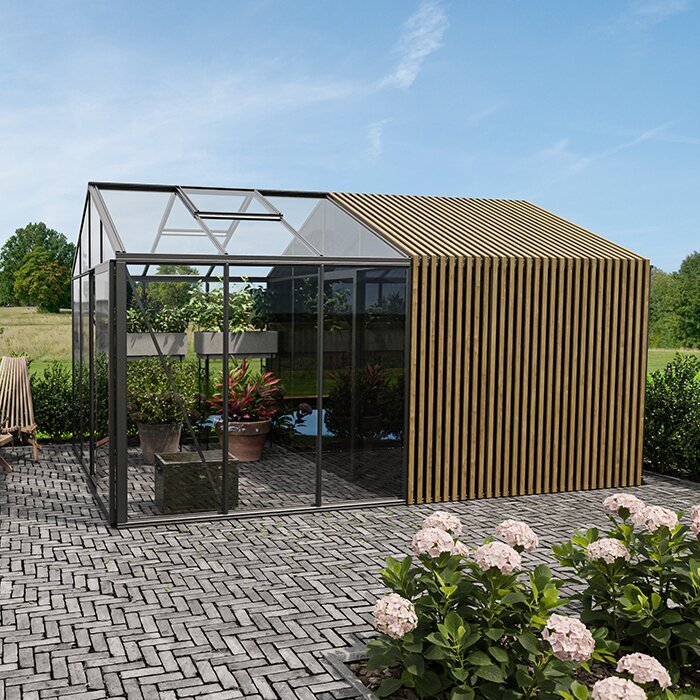
The Pyramid-type greenhouse page lists options from 60 to 203 sq ft. For an option the group is considering, request details about door placement, usable interior dimensions, and any supplied ventilation controls. Ask how those details affect the planned benches, growing areas, and daily opening and closing duties; do not assume equipment is included because it appears in an illustration. Have the site owner or an appropriately qualified professional assess site preparation, installation, and any applicable access requirements. Keep the selected configuration, supplier documents, and approved drawing with the operating agreement. If a later substitution changes the structure, storage arrangement, or access route, review its effect on shared tasks before accepting the change.

05
Plan for absences and seasonal handoffs
Plan for missed visits and the seasonal changeover before either happens. Every watering and maintenance schedule needs a backup, a way to decline a shift, and a clear handoff of work already in progress. When someone expects to be away, they should tell the backup what needs attention and record the change. When a member leaves, note the date, return shared tools, remove or label personal property, and transfer any agreed care of crops. For the end of a growing cycle, decide who closes out each plot, where reusable supplies go, and how shared beds are prepared for the next group.
Seasonal planning should distinguish occupied growing areas from zones temporarily out of use. If the group selects a configuration from the Prestige Greenhouse range, record which areas will remain planted during each planned break and which shared tasks will continue even when fewer members visit. Do not remove an empty zone from the schedule until its crops, containers, and supplies have been dealt with and its condition recorded. Before a quieter period, confirm that the people providing care can access the site and know where the current instructions are kept. Before planting resumes, check shared equipment and reopen only the plots the group can support. This makes the seasonal handoff a defined job rather than an assumption that someone will return first.
Review the plan using records
Review the plan at agreed points during the growing cycle and whenever a significant change occurs. Bring the log, inventory, schedule, and map to the same conversation. Ask concrete questions: Were beds left unused? Did anyone water twice because a handoff was unclear? Which tool went missing or needed repair? Were common routes blocked? Did routine tasks fit the volunteer hours available? Looking at records turns a disagreement about what usually happens into a specific problem the group can address.
When possible, change one rule or assignment at a time, name who will carry it out, and set a date to check whether it helped. Keep a current copy where members will find it and archive old versions so an outdated map is not mistaken for the active one. If a problem concerns the building, shared water source, or site access, raise it with the responsible owner or manager rather than making an informal change that affects everyone. A short review at planting, mid-cycle, and closeout can keep the plan current without turning volunteer management into a meeting-heavy project.
Frequently asked questions
How many gardeners can share one greenhouse?
There is no universal number. Use the exact layout to reserve paths, shared work areas, storage, and growing space, then set a plot limit that fits both the remaining area and the volunteer time available. Review the limit after a growing cycle rather than treating a product’s listed square footage as a member count.
Are individual beds better than shared beds?
Individual beds make it easier to assign care and harvest ownership. Shared beds can work when members agree on planting, watering, and how to divide the harvest. A mixed setup is another option. Choose the arrangement your group can maintain, mark each area clearly, and put its rules in the operating agreement.
How can the group prevent missed or duplicate watering?
Assign a primary person and a backup, divide the greenhouse into named zones, and keep a simple log of visits and concerns. If someone cannot cover a shift, they should hand it directly to the backup and record the change. That gives the next person a reliable update instead of a guess.
Who should pay for or replace shared tools?
Decide in advance which tools belong to the group, who can approve purchases, and where expenses are recorded. Members should label personal tools and avoid treating a personal purchase as a shared item without agreement. Record missing or damaged equipment so the person authorized to approve a replacement can follow up.
What belongs on a greenhouse maintenance checklist?
For each task, list an owner, a backup, its schedule or trigger, where completion is recorded, and who to contact if it cannot be done. Include routine shared-area upkeep and a way to report problems with the building or equipment. Follow applicable manufacturer guidance and refer technical repairs to the site owner or a qualified professional.
A dependable community greenhouse does not rely on one highly committed member noticing everything. It uses clear plot boundaries, a watering schedule with clear handoffs, shared tools stored in known locations, and maintenance tasks with named owners and backups. Keep the map, inventory, schedule, and operating rules together, then revise them when membership or actual use changes. That gives gardeners enough structure to share the space without turning every growing decision into a committee decision.
