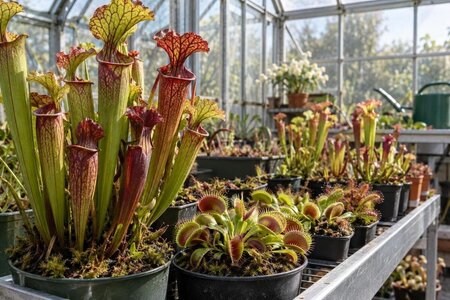
Growing Carnivorous Plants in a Greenhouse
Carnivorous plants do not all need the same greenhouse climate. Compare temperate and tropical groups, choose suitable water, and plan light, ventilation, and winter dormancy around the plants you grow.

Carnivorous plants do not all need the same greenhouse climate. Compare temperate and tropical groups, choose suitable water, and plan light, ventilation, and winter dormancy around the plants you grow.
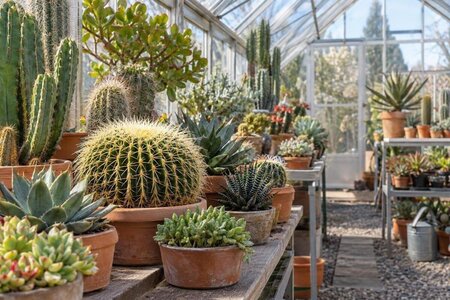
A cactus or succulent greenhouse needs more than warmth. See how strong light, reliable airflow, moisture control, and each plant’s cold tolerance shape the layout and seasonal care.
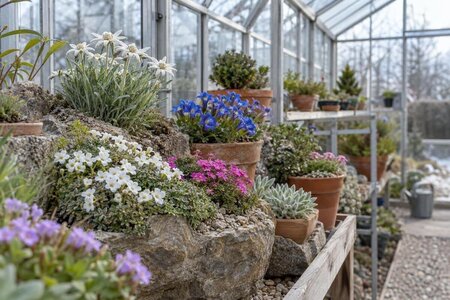
Alpine plants often need protection from prolonged wet rather than a warm greenhouse. See how bright conditions, generous airflow, and a cooler environment can support an alpine collection through the seasons.
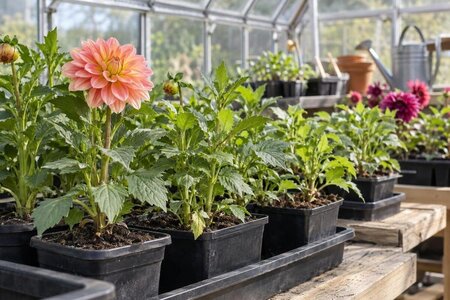
Starting dahlia tubers in a greenhouse can provide a head start before outdoor planting. Learn how to plan potting and staging space, manage early growth, and time the move outdoors around local frost risk.
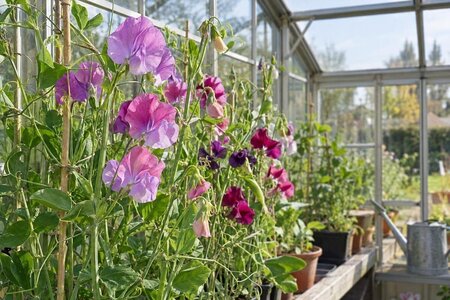
Greenhouse-grown sweet peas need a different approach from warm-season crops. Learn how early sowing, sturdy supports, ample light, and cool ventilation can encourage flowers ahead of the outdoor season.
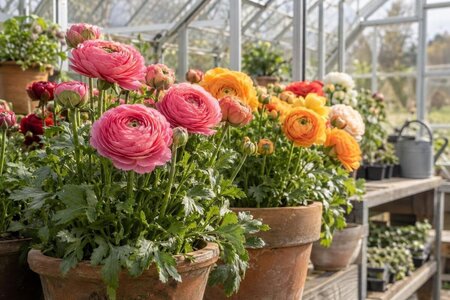
Ranunculus thrive as a cool-season crop when corms, light, watering, and airflow are handled with care. Explore planting timing, moisture management, and practical steps to reduce disease pressure under cover.
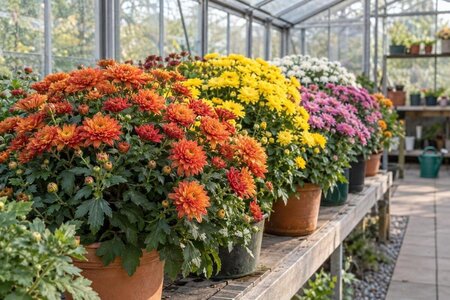
Chrysanthemums need more than routine watering to produce sturdy stems and flowers on schedule. This guide covers support, spacing, ventilation, and how natural or controlled day length affects bloom timing.
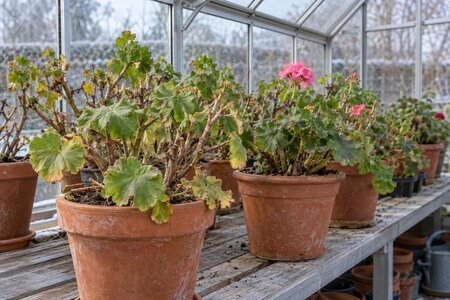
Decide whether to keep your geraniums growing or let them rest through winter. Compare the light and watering needs of each approach, and learn how clean plants and good airflow help avoid common problems.
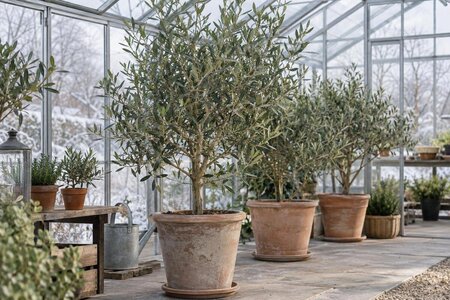
A greenhouse can shelter a potted olive tree while still requiring close attention to winter light, watering, and air movement. Review ways to protect the root ball and monitor the plant as conditions change.
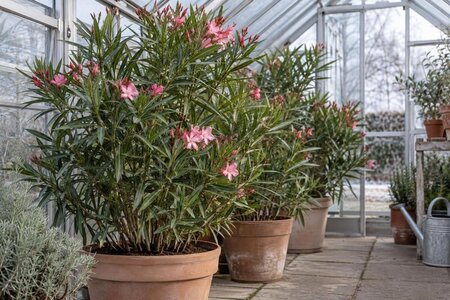
Oleanders benefit from bright, well-managed winter quarters rather than heavy watering or stagnant air. Learn how to check for pests, adjust routine care, and handle this toxic plant safely while moving and pruning it.
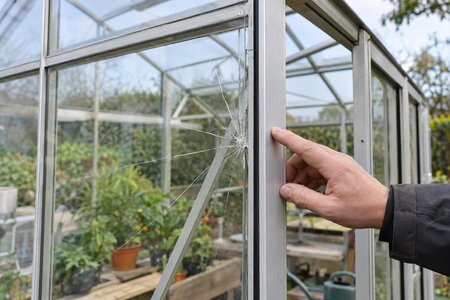
A replacement pane may not solve a recurring breakage problem. See which clues to document and what a qualified installer can check, including frame alignment, support, glazing fit, and seasonal movement.
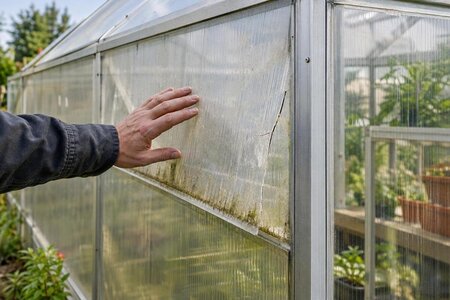
Discoloration or surface wear does not always mean a panel has failed. This guide helps you separate cosmetic changes from damage that affects fit or function, then identify the details needed for an approved replacement.
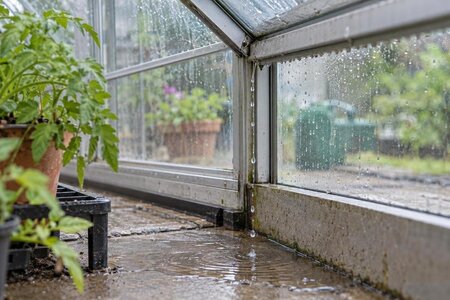
Water on the greenhouse floor can have several sources. Work through observations after rain, checks around the base, and signs of condensation to narrow down whether the moisture comes from above, below, or inside.
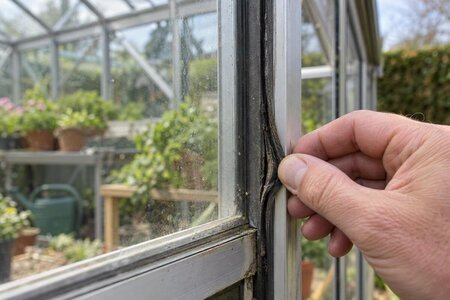
Grimy seals can often be cleaned, but split, flattened, or loose ones need closer attention. Learn what deterioration looks like, why generic substitutes may not fit, and which product details help when requesting replacements.
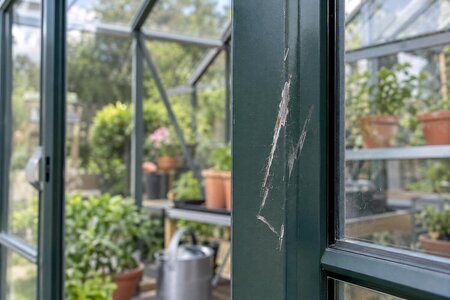
Not every mark on a powder-coated greenhouse needs the same response. This article explains how to distinguish a light surface scuff from coating damage and why color-matched, manufacturer-approved guidance matters for touch-ups.
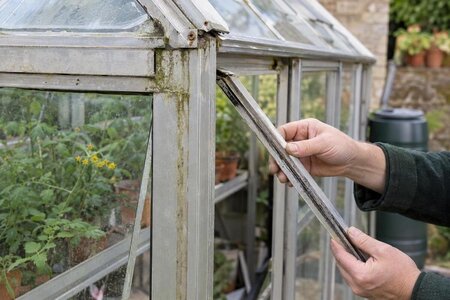
Before restoring an older aluminum greenhouse, inspect the frame, glazing, fasteners, and moving hardware. This guide helps you document what can be retained and identify parts that need manufacturer confirmation.
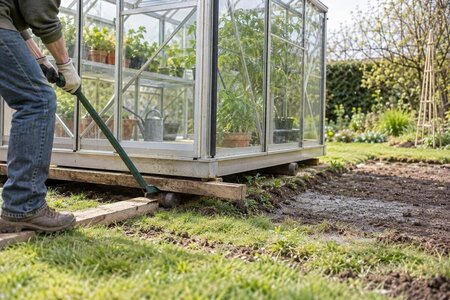
Relocating a greenhouse takes more than choosing a sunnier corner of the yard. Follow a practical planning sequence for documenting the structure, dismantling it carefully, preparing the new base, and arranging reassembly.
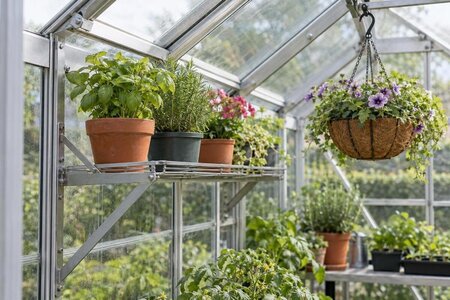
Shelves and hanging baskets can free up growing space, but never assume the roof can carry them. Learn how to check approved attachment points and documented accessory loads before installation.
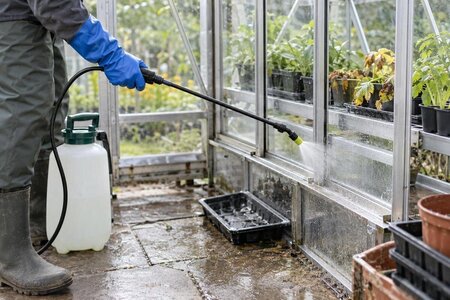
A serious disease outbreak calls for more than routine greenhouse cleaning. This article explains how pathogen-specific guidance, compatible cleaning methods, and attention to tools and surfaces support a thorough recovery plan.
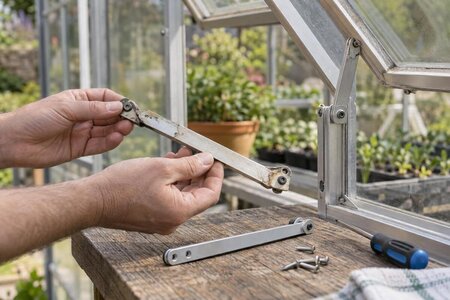
Even when a greenhouse model is discontinued, accurate identification gives a parts inquiry the best starting point. See which photographs, measurements, profile details, and manufacturer records to gather before contacting a supplier.
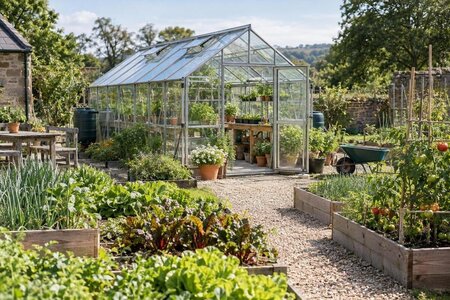
A greenhouse works best as part of a connected growing space. Learn how to position outdoor beds, water points, and compost areas so everyday sowing, harvesting, and garden upkeep involve fewer unnecessary trips.
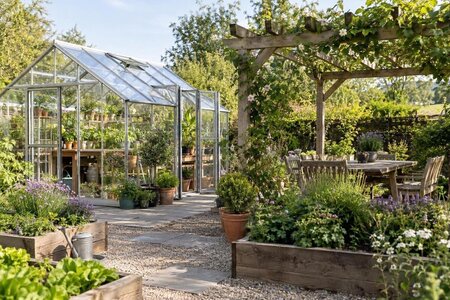
A greenhouse and pergola can complement one another when each has a clear role. This guide helps you plan their placement, sun and shade patterns, routes between spaces, and shared practical needs before work begins.
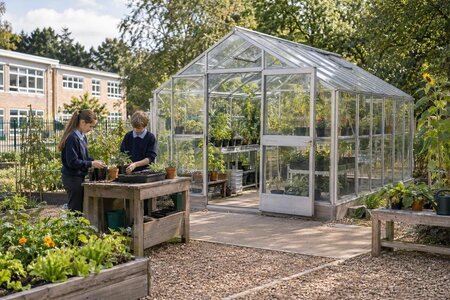
A school greenhouse needs a plan that works during busy class days and quieter school breaks. Explore how to establish supervised activities, suitable access arrangements, care routines, and clear responsibility for the growing space.
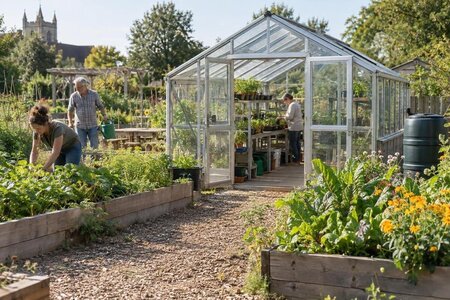
Shared growing spaces benefit from clear, practical agreements. This article outlines how a community greenhouse can organize plots and common areas, water use, equipment, maintenance tasks, and communication among participating gardeners.
