
Growing Chrysanthemums in a Greenhouse

Greenhouse growing guide
Chrysanthemums can make reliable greenhouse crops, but watering alone will not put flowers on a chosen date. Cultivar, uninterrupted night length, temperature, spacing, and stem support all affect the result. Begin by deciding whether you want cut stems, spray blooms, or full potted plants; then match a named variety to the growing space and schedule. A greenhouse gives you ways to manage light and weather, but it does not control them automatically. This guide explains how to time flowering, when to use blackout or supplemental lighting, and how to keep stems upright and plants healthy.
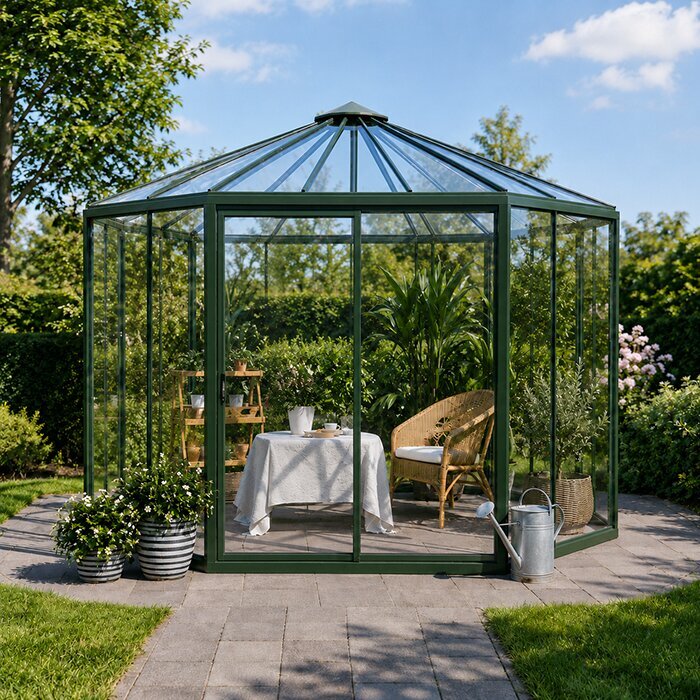
Choose the chrysanthemum type for your goal
Begin with the intended crop: cut stems, a flowering pot for a seasonal display, or plants destined for a garden. Those are different production goals. Cut-flower cultivars are selected for stem length and bloom form; pot and garden mums are usually chosen for a compact, branched display. A standard cut mum is grown for one prominent flower on a stem, while a spray type carries several flowers. Check the cultivar label and supplier notes instead of assuming a common name tells you how a plant will branch or perform under glass. Also decide whether you need one flush of color or successive batches, since that changes how much bench space and labor to reserve.
Buy named cultivars with crop information, especially if you need predictable timing. Record whether the stock arrives as a rooted cutting, a young plant, or an already flowering pot; each starts at a different stage, so its remaining schedule is not comparable. Inspect new plants for even growth and visible insect or disease symptoms, and keep labels with each batch. Mixing varieties with different response times on one bench can leave some plants ready while others are still developing. If a plant arrives without a reliable cultivar name or schedule, treat its timing as a trial rather than basing a fixed display date on it. For garden mums grown under cover, ask the supplier whether production timing is available for that cultivar.
Read the cultivar’s flowering response
The most useful line on a supplier’s growing sheet may be the response group: the approximate number of weeks from the start of short-day treatment to flowering under stated conditions. It is not a universal seed-to-flower estimate, and it may refer to first color rather than a finished, uniform crop. Add the time needed for cuttings to root, plants to establish, and branching to develop after a pinch. Ask what temperature and light schedule the quoted response assumes. When that context is missing, use the number as a comparison between cultivars, not as a promise for your greenhouse.
Work backward from your target display or harvest. For example, if the chosen cultivar’s supplier lists an eight-week response, begin its short-day phase roughly eight weeks before the target bloom, then allow for propagation and vegetative growth beforehand. Eight weeks here is an example from a hypothetical label, not a rule for chrysanthemums. Plant maturity, pinching, day and night temperatures, and light intensity can all shift the finish. Keep a calendar for each batch and record first color and usable blooms; your own records will show whether the next planting needs a different start date.
Plan greenhouse space around the mature crop
Base your layout on usable bench or bed dimensions, not just the greenhouse’s exterior footprint. Reserve room for aisles, watering access, potting or staging, and hands-on work such as pinching, tying, inspection, and harvest. Estimate plant capacity from the cultivar’s expected canopy and supplier-recommended spacing rather than multiplying the greenhouse floor area by an arbitrary number. Crowded leaves dry more slowly and make pests harder to spot; excessive gaps reduce usable growing area. Mark doors, support netting, hoses, carts, and harvest bins on a simple plan before ordering plants.
Advertised floor area is not all growing area: doors, paths, benches, staging, and equipment take up space too. Product pages can help compare footprints, including the Prestige greenhouse range, but a listed area does not establish usable bench dimensions. Check the actual dimensions and interior clearances for the model you are considering, then draw the intended rows and aisle. Plan overhead clearance as well as floor space if you will use tall supports or blackout equipment. If cultivars need different light schedules, reserve labeled zones so one group can be managed without shining work lights on another.
Match the planting calendar to your workflow
Make separate calendar entries for propagation or plant arrival, vegetative growth, pinching, short-day treatment, and expected bloom. Include the tasks that require access: putting in support, removing buds, and checking for pests cannot all wait until flowering. Work back from a target date, but distinguish first color from the point when most stems or pots are ready. One batch of a cultivar gives a concentrated flush; planting successive groups can spread availability, but each group needs a label and its own timing record. Note the cultivar, planting date, light changes, temperature pattern, pinch date, and first bloom so you can compare results.
Staggered batches occupy space at different stages, so plan the calendar against your bench plan, not in isolation. The Large backyard greenhouse options show larger listed footprint choices, but a product page cannot tell you how many plants a particular spacing plan supports. Check published dimensions, access, and usable headroom against the whole growing workflow. If plants in long-day growth and short-day flowering must share one greenhouse, place them in workable zones and prevent light spill from interrupting the dark period. If separation is impractical, schedule batches so their lighting requirements do not conflict.
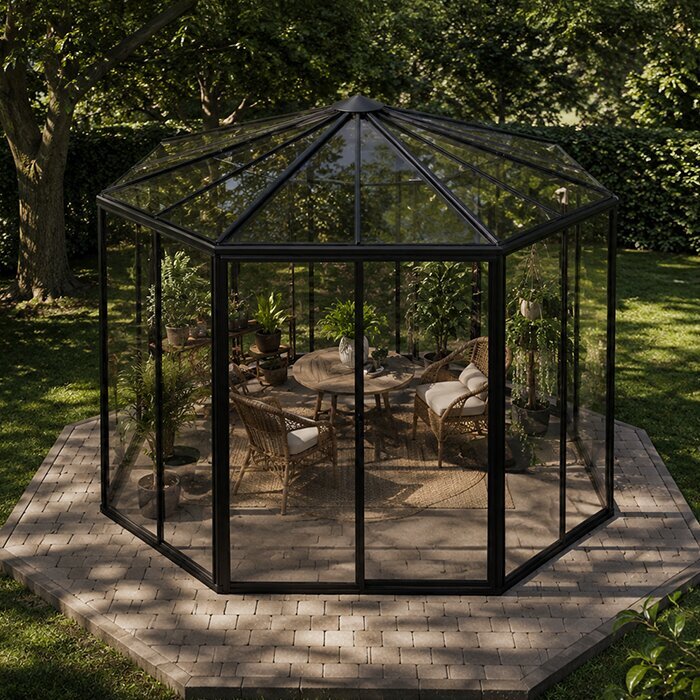
Use natural day length, lighting, and blackout deliberately
Many greenhouse chrysanthemums respond to long, uninterrupted nights; horticulturists describe this as a short-day response. Long days or a timed night interruption are commonly used to keep responsive cultivars vegetative or delay flowering. A lamp switched on in the middle of the night can interrupt the dark-period signal even when total daylight hours seem unchanged. Cultivars differ in sensitivity and in the number of weeks to flower, so follow the schedule for the named variety. Natural day length may suit a fall-flowering crop, but it offers less control when you need blooms outside that window or on a specific date.
Use blackout when flowering must be triggered during naturally long days or when a closely timed batch needs a controlled short-day period. Cover edges and door gaps so the dark period is consistent; light leaks can produce uneven development. A blackout cover can trap heat, so plan how to manage ventilation without exposing the plants to light during the dark phase. Timed lighting can extend the day or provide a night interruption, but photoperiod control is not the same as supplying enough light for sturdy growth. When reviewing the Classic greenhouse range, check separately how your chosen structure can accommodate lighting and blackout equipment; the listing alone does not confirm those provisions.
Set up containers, beds, and plant spacing
Set plants in clean pots or prepared beds with free drainage and a growing medium intended for the production system. Chrysanthemums need consistent root-zone moisture, but saturated media and standing water can damage roots; drainage holes and irrigation access matter as much as container size. Space plants so their leaves can expand without immediately overlapping, following supplier guidance for the cultivar and growing method instead of borrowing a fixed distance from a different crop. Tall, vigorous varieties and spray types may need more room than compact pot mums. Recheck spacing as the canopy develops, because rooted cuttings can make a bench look more open than it will later.
Arrange pots or rows so you can reach the plants for pinching, disbudding, watering, and inspection. Establish the aisle before stems widen; shifting crowded pots later can break shoots and disturb labels. A listing such as the Lean-To Greenhouse page can be compared by its published footprint choices, but verify actual interior width, door access, and obstructions before calculating plant numbers. Keep varieties with different flowering schedules marked, and leave enough room for a hand and tool to pass between rows. The goal is consistent access and airflow, not the maximum possible number of pots.
Pinch and support plants for the intended flower form
Pinching removes the growing tip and encourages side shoots, creating a bushier plant, but it also changes flowering time. Follow the cultivar supplier’s guidance for pinch timing and number; a late or extra pinch can push bloom beyond the planned date. For a standard cut-flower form, growers commonly retain the terminal bud and remove lateral buds so one main flower develops. For a spray form, retain selected side buds according to its crop guide. Do not use one pruning rule for every mum: shape the plant for one focal bloom, multiple blooms, or a compact potted display. If the target is a particular stem length, include pinching in the schedule from the start.
Install support early enough that stems grow through or alongside it instead of leaning before support is in place. Horizontal crop netting, stakes, or soft ties can guide tall stems; adjust them as growth continues and avoid ties that constrict stems. Preserve access to inspect and cut plants, and keep supports clear of ventilation openings. Greenhouse structure and crop-support attachment are separate decisions. When comparing Limited Edition greenhouse models, check the clear height needed for your support system and confirm which attachment points, if any, are approved for it. Never assume glazing or a frame member is a suitable anchor; check the structure maker’s instructions.
Monitor temperature and ventilation at plant level
Do not assume there is one temperature setting for every chrysanthemum. A supplier’s crop notes may distinguish propagation, vegetative growth, and flowering, and the applicable schedule depends on cultivar and stage. Warm conditions, especially warm nights, can delay flowering in heat-sensitive varieties, while cool conditions can slow development. A response-time label assumes a growing environment, and the crop can finish later or unevenly if temperatures depart from it. Place a minimum/maximum thermometer or logger at canopy height, out of direct sun, and record day and night patterns rather than relying on a reading by a door.
Ventilation removes heat and moisture, while circulation helps prevent stagnant air inside a dense canopy. On sunny days, a closed greenhouse can become hotter than outdoor air, so use the available openings and fans according to the structure’s instructions and monitor crop-level conditions. If blackout is in use, coordinate air exchange with the dark period. Before choosing a structure, check the position and operation of its vents rather than inferring them from its shape or footprint. The T-Model greenhouse listing can be part of a comparison, but confirm the exact ventilation configuration and operating clearances in the product specifications.
Water consistently and inspect for pests and disease
Keep the root zone evenly moist without leaving pots in standing water or allowing the medium to remain saturated. Watering frequency changes with container size, weather, plant size, and ventilation, so check the growing medium instead of following a rigid calendar. Direct water to the base where practical and allow wet foliage to dry promptly. Persistent damp leaves and aging petals can encourage gray mold, or Botrytis, particularly when plants are crowded and air is still. Spacing and air movement complement careful watering; neither can compensate for constantly wet media or decaying plant material.
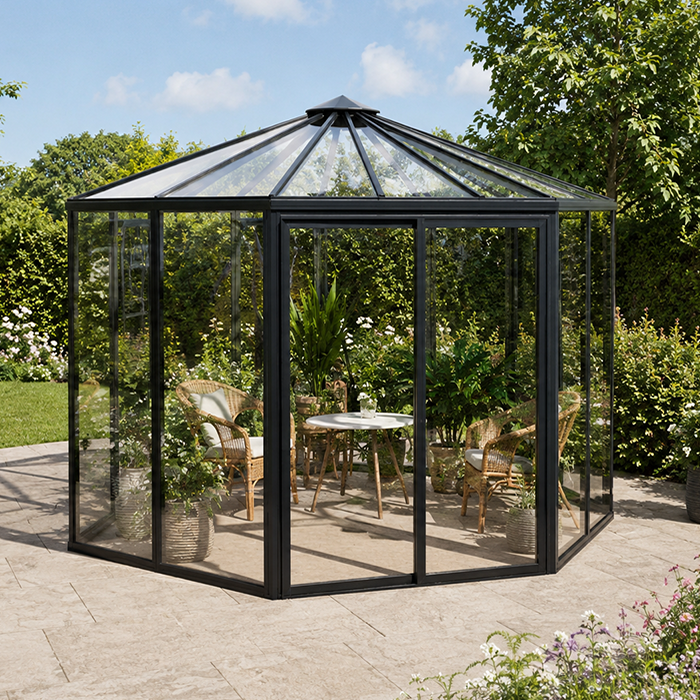
Inspect new growth, leaf undersides, stem junctions, and flower centers routinely for aphids, thrips, whiteflies, mites, and early disease symptoms. Sticky cards can help track some flying insects, but they do not replace looking closely at the plants. Remove yellowing leaves and spent petals before debris builds up, and keep questionable incoming plants apart while you identify a problem. When comparing pyramid-style greenhouse footprints, check the openings and interior layout of the exact model. Plan enough access to reach leaves and flowers throughout the crop rather than judging inspection space from total floor area alone.
Harvest flowers and reset the growing area
Harvest cut stems at the flower stage required for their end use; the appropriate opening stage depends on cultivar and buyer preference. Use clean cutting tools and handle blooms gently to avoid bruising. Label batches after cutting so you can connect flower quality with the cultivar, light treatment, and temperature history. For potted or garden mums, the objective is usually a full display, not stem harvest, so judge the plant by bloom coverage and shape instead of applying cut-flower harvest rules. Remove faded flowers as appropriate for the growing plan and keep fallen petals off the bench.
After a batch finishes, remove crop residue, spent flowers, and fallen leaves, then clean reusable benches, pots, nets, and tools before the next planting. Write down first color, uneven flowering, heat delays, light leaks, and stem quality while those details are fresh; change one variable at a time in the next batch to learn what mattered. If storage is part of the greenhouse plan, compare the greenhouse models with built-in storage alongside footprint and access. Confirm what the listing includes and the usable storage dimensions before relying on it for netting or supplies.
Frequently asked questions
Do chrysanthemums need grow lights in a greenhouse?
Not necessarily. Natural day length may suit a cultivar’s flowering season. Timed lighting is useful when you need to extend the day or interrupt the night to delay flowering, but photoperiod lighting does not replace the light needed for sturdy growth. Check the schedule for the cultivar you are growing.
How long after blackout begins will chrysanthemums flower?
Use the cultivar’s response group, which gives an approximate time from the start of short-day treatment to a specified flowering stage. It is not a universal timetable: plant maturity, pinching, and temperatures can shift the result. Check what flowering stage the supplier’s estimate refers to.
Can greenhouse work lights interfere with flowering?
They can interrupt the long, uninterrupted night that triggers flowering in short-day-responsive cultivars. Keep the lighting schedule consistent, account for light near doors or gaps in blackout coverings, and follow the variety’s growing instructions. Cultivars differ in sensitivity.
Should I pinch every chrysanthemum?
No. Pinching encourages side shoots but can delay flowering, so follow the cultivar’s guidance and your intended flower form. Standard cut types are often grown for one main bloom per stem, while spray types retain selected side buds. Compact potted plants may have different requirements.
Do all greenhouse chrysanthemums need staking?
No. Some compact plants stay upright without added support, while taller cut-flower stems may benefit from netting, stakes, or soft ties. Decide as plants develop, and make sure any support is suitable for its attachment point; do not assume the greenhouse frame or glazing can carry it.
A dependable chrysanthemum crop starts with a named cultivar and a schedule built around its response time. Match the flower form to your pinching and support plan, and decide whether natural day length will meet the target or whether controlled lighting is needed. Monitor temperature and moisture where the plants grow, not just near the greenhouse door. Keeping a simple record of each batch makes the next flowering cycle more predictable without assuming every cultivar follows the same calendar.
