
Restoring an Old Aluminum Greenhouse: What Is Worth Saving?
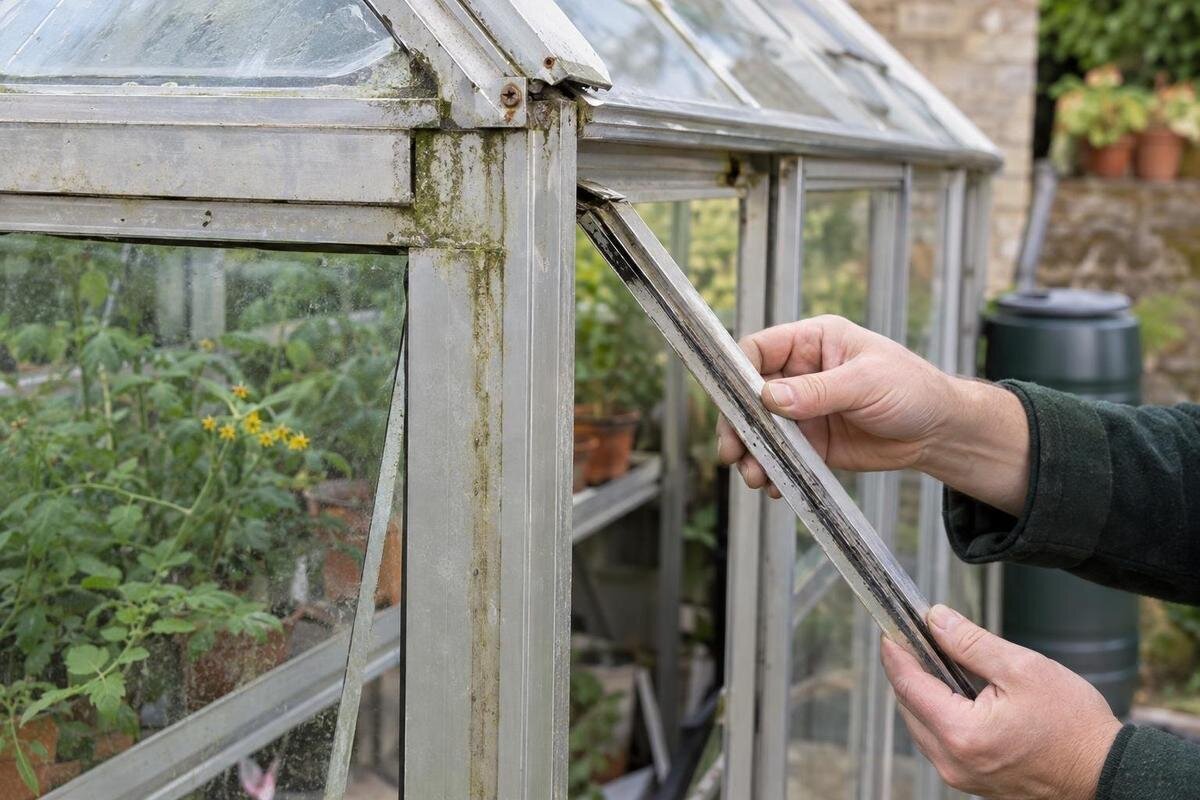
GREENHOUSE RESTORATION
An old aluminum greenhouse can look worn without being beyond repair, but the wrong replacement part can turn a manageable job into an expensive mismatch. A sound decision starts with a record of the model and condition, then separates cosmetic wear from damage to the frame, glazing, and hardware. Before spending, confirm which parts the manufacturer can identify and whether a qualified installer considers the structure safe to retain. The aim is to preserve components for a reason, not simply because they are already there.

Identify the greenhouse before ordering parts
Begin by identifying the greenhouse before ordering anything. Look for a manufacturer’s label or model plate, serial number, original invoice, installation paperwork, manual, and parts list. Record the year only if it is documented, along with the approximate footprint, roof and side layout, door position, vent locations, and glazing type if the records confirm it. Photograph each exterior side and the interior, then take close-ups of labels, frame profiles, joints, and visible repairs. Note which details are confirmed and which are guesses. A previous owner’s description or a familiar-looking roofline can help narrow a search, but it does not prove the model.
Keep observations separate from specifications. A measurement of an opening or frame member may help an installer narrow the search, but it does not establish a part number, panel thickness, edge detail, or compatibility. Use a simple record with the item, location, visible condition, any markings, and the photo filename. Note missing pieces rather than trying to measure an unsafe opening. If no label remains, send the manufacturer or a greenhouse specialist the images and information they request, and ask for help identifying the model before ordering. The record also makes it easier to compare estimates that refer to the same components.
Make the inspection safe
Start with a visual inspection from a safe place. If a pane is cracked, loose, missing, or visibly out of position, or if part of the frame appears unstable, do not enter the greenhouse or touch the affected area. Keep other people and pets away, and arrange an assessment by a qualified glazier or greenhouse installer. Do not climb on the structure, lean on a frame member, push a panel back into place, or use force to test a connection. A photograph taken from a safe distance can record what you see without disturbing a potentially hazardous assembly.
Treat inspection and repair as different tasks. Looking for labels, taking distant photographs, and noting which areas appear affected are useful ways to document the greenhouse; removing glazing or trying to stabilize the structure is not a safe way to check its condition. If glass has broken, do not use a loose piece as a sample or template. Let a qualified professional determine how it should be handled and what information can be taken from it. Stop the inspection if access would require reaching through damaged glazing, standing under an unstable area, or moving a component that could shift.
Separate frame wear from damage
Look over the frame at the corners, uprights, roof members, door opening, and visible connections. Record profiles that appear bent, split, displaced, or separated, as well as missing pieces, visible pitting, or damaged finish. Compare similar areas on opposite sides, but do not assume that a difference is a structural fault or that a straight-looking member is sound. Dirt, discoloration, and surface marks can have different causes from deformation or a cracked profile. Your notes should describe what you see, not diagnose why it happened or whether the greenhouse can safely remain in use.
Ask a qualified installer to review concerns involving the frame or its connections and to identify repairs approved for that model. A local repair may depend on adjacent profiles and joints being suitable too, so assessing one visibly damaged piece in isolation can be misleading. If replacement is under consideration, use the Classic aluminum greenhouse as a starting point for a separate new-structure estimate. Ask for the documentation covering the proposed configuration and installation. Current product listings do not establish compatibility with an older greenhouse; keep replacement-model research separate from the search for its spare parts.
Assess glazing without handling it
Make a map of the glazing from a safe position: note which panels are cracked, missing, cloudy, visibly loose, or apparently intact, and identify their locations by roof, wall, and side. Do not handle a damaged panel or remove a section to find out what it is made of. Check paperwork or the manual for the glazing type; if that information is missing, ask a glazier or the manufacturer how to identify it safely. Also note visible problems around the channels or retainers, since an issue near a panel may involve more than the panel itself.
One damaged panel and repeated damage across several areas are different repair scopes. For either, ask a qualified professional or the manufacturer to confirm the exact panel and retaining-system requirements for the greenhouse. A generic panel that seems close in size is not proof of a safe fit, and an opening measurement alone does not establish the required specification. If extensive reglazing prompts a replacement comparison, include the Limited Edition greenhouse in your research and request its current glazing specifications. Compare the proposed glazing, retaining system, and installation scope with the documented repair requirements, rather than judging either option from photographs.

Check fasteners, joints, and finish
Record visible missing, loose-looking, bent, or corroded fasteners and connectors, with their locations and any markings. Do not remove a fastener just to identify it or substitute a similar-looking item before confirming the requirement. Parts can differ in details that are difficult to judge by eye, and a connection that appears to fit is not necessarily the right replacement. If a joint looks displaced, a slot appears damaged, or a surrounding profile is deformed, note those conditions together; replacing one visible fastener may not address the rest of the problem.
Separate surface-finish wear from concerns about the joint or frame underneath it. A scratch or faded area does not by itself tell you whether the profile or connection is sound, and repainting is not a structural repair. Follow the manufacturer’s instructions for any approved finish treatment. Price cosmetic work separately so it does not obscure essential repairs. If replacement would also involve switching to a lean-to greenhouse, ask the installer to review the proposed supporting wall and connections. That change introduces a different installation scope, which belongs in the replacement estimate rather than the old greenhouse’s hardware budget.
Test doors and vents only when safe
List each moving component you can identify, such as the door, hinges, rollers, handles, vent stays, or openers. Only observe normal movement if the frame and glazing have been judged safe and the mechanism moves freely; stop at the first snag. Note whether a door will not latch, a vent does not move, or a component appears missing, and photograph any label or part number. Binding can have more than one cause, so do not assume that the moving part alone has failed. Avoid forcing a mechanism, bending a part back, or applying a lubricant before checking the manufacturer’s instructions.
Separate components needed for safe, routine access from features that would simply be convenient to restore. That helps an installer or manufacturer focus the parts search on what matters to your use of the greenhouse. Ask whether a replacement is an individual component or part of a larger assembly, and whether related hardware also needs review. If you compare a new model such as the T-Model Greenhouse Orangery, request the door and vent layout for the proposed configuration. Check how access would work around your benches and planting areas, and include any optional operating hardware explicitly in the quote.
Review the base and site conditions
Include the visible base and the way the frame meets it in your record. Note gaps, apparent movement, standing water, damaged sections, or other changes without digging, prying, propping, or attempting to realign the greenhouse. Record whether these conditions are recent or longstanding if you have photographs or maintenance records to support that distinction. Note nearby changes, such as altered paving or ground levels, without assuming they caused the problem. If the base or the frame’s connection to it looks questionable, ask a qualified installer to review the entire area before planning repairs.
Keep any work on the base as a separate item in the estimate; it may affect both a repair and a replacement. Do not assume that an old base can be reused without review. Confirm the site dimensions, access, nearby obstacles, and the proposed model’s requirements with the installer. If you are considering a different form, such as the Pyramid-type greenhouse, request its exact footprint and base requirements before comparing installation costs. Include access for bringing in components and removing the old structure. A change of model can alter the site work even when the intended growing area remains similar.
Confirm that replacement parts really match
When you contact the manufacturer or a parts specialist, provide the greenhouse identity, any serial number, documented age, relevant manual pages, and clear photographs. Identify each part by location and quantity, and include markings or measurements only when requested and safe to obtain. If a description is uncertain, label it as an estimate rather than presenting it as a specification. Ask for the exact spare-part identifier and confirmation that it applies to your model and configuration. Similar appearance, a shared product name, or a part that seems to fit is not enough to confirm compatibility.
Ask whether the identified item is supplied alone or as part of a kit, whether a part number has been superseded, and whether the manufacturer recommends reviewing connected components at the same time. Request a written parts description and quote so you can compare it with the installer’s proposed scope. If restoration cannot preserve the storage arrangement you need, a greenhouse with built-in storage offers a separate replacement option to investigate. Request the proposed layout and clarify what the quote includes. Record storage requirements separately from the parts list so a replacement comparison accounts for both growing space and equipment storage.

Compare repair scope with full replacement
Compare written scopes rather than one repair-part price with the headline price of a replacement. A repair estimate may need to account for professional assessment, glazing work, hardware, labor, access, and safe removal or disposal of damaged material. Ask the installer to distinguish confirmed work from items that may be needed if inspection reveals another problem. For a replacement estimate, ask which parts of the project it includes, such as the greenhouse itself, site preparation, base work identified by the professional, and removal of the old structure. Do not assume that either quote includes every task.
Consider whether the repaired greenhouse will meet your intended use and whether its essential parts can be identified if another repair is needed. If you also want substantially more growing space, the Large backyard greenhouse listing states a range of 506 to 753 square feet. Compare a specific configuration with your existing greenhouse rather than treating that range as a like-for-like alternative. A larger replacement changes the project’s purpose as well as its cost. Separate the expense of restoring your current growing space from the expense of expanding it, and have the installer confirm site fit and the complete installation scope.
Choose what to keep, repair, or replace
Use four outcomes in your notes: retain, repair, replace, or pause. Retain a component only when its condition and role are understood. Mark a repair as ready to price when the relevant part and the approved work are confirmed. Consider a whole replacement if a professional finds significant frame concerns, glazing work is extensive, or essential parts cannot be matched. Pause when the greenhouse is unsafe to inspect or key information is missing. This is a way to organize the decision, not a substitute for a professional assessment of glazing or structural concerns.
Before work begins, keep the model record, inspection photographs, parts confirmations, and written estimates together. If restoring, make sure the scope identifies the confirmed components and any conditions that could change the estimate. If replacing, use the same requirements when reviewing each proposal: intended use, usable space, access, site work, and included components. For a candidate such as the Prestige Greenhouse, request documentation for the exact configuration being quoted. Record why the selected option meets your needs and which questions remain open. Keep the final documents for future maintenance, especially part identifiers that were difficult to establish during the restoration assessment.
Frequently asked questions
How do I know whether my old aluminum greenhouse is worth restoring?
Age, staining, or scratches alone do not determine whether restoration is worthwhile. First identify the model, document the frame, glazing, and hardware, and confirm which important parts can be matched. A qualified installer should assess distortion or other structural concerns. If several critical components are damaged or unavailable, compare the full repair scope with a replacement proposal.
Can I replace one greenhouse glass panel at a time?
Possibly, but appearance or an approximate opening measurement is not enough to establish a match. Ask the manufacturer or a qualified glazier to confirm the glazing type and the exact panel and retaining-system requirements. Do not handle broken or loose glass or use it as a template; have a professional assess and remove it.
Can I use standard hardware-store bolts on an older greenhouse?
Do not assume that a fastener is suitable because it looks similar or fits loosely in place. Greenhouse connections may require a model-specific part. Check the manual or ask the manufacturer to identify the correct replacement, and have damaged or uncertain frame connections reviewed before changing them.
What should I send when asking about greenhouse spare parts?
Provide the manufacturer and model, any serial number or documented age, relevant manual pages, clear photos, and the location and quantity of each part. Include measurements only if requested and safe to take. Mark uncertain details as estimates, and ask for confirmation that the part matches your exact greenhouse.
When should I replace the whole greenhouse instead of restoring it?
Consider replacement when a professional identifies significant frame concerns, glazing repairs are extensive, or essential parts cannot be confirmed. Compare written scopes for repair and replacement, including labor, safe panel handling, disposal, and any base work identified by the installer. A low initial parts cost alone does not show which option is more practical.
A worthwhile restoration depends on a verified model, a safe assessment, and parts confirmed for the greenhouse—not on appearance alone. Keep components whose condition and role are understood, and have professionals assess damaged glazing or frame concerns. When the repair depends on guessed compatibility or involves many critical parts, compare its full scope with a complete replacement. That evidence makes it easier to decide what is genuinely worth saving.
