
Black Friday Lean-To Greenhouses: Check Wall and Garden Space Before Buying
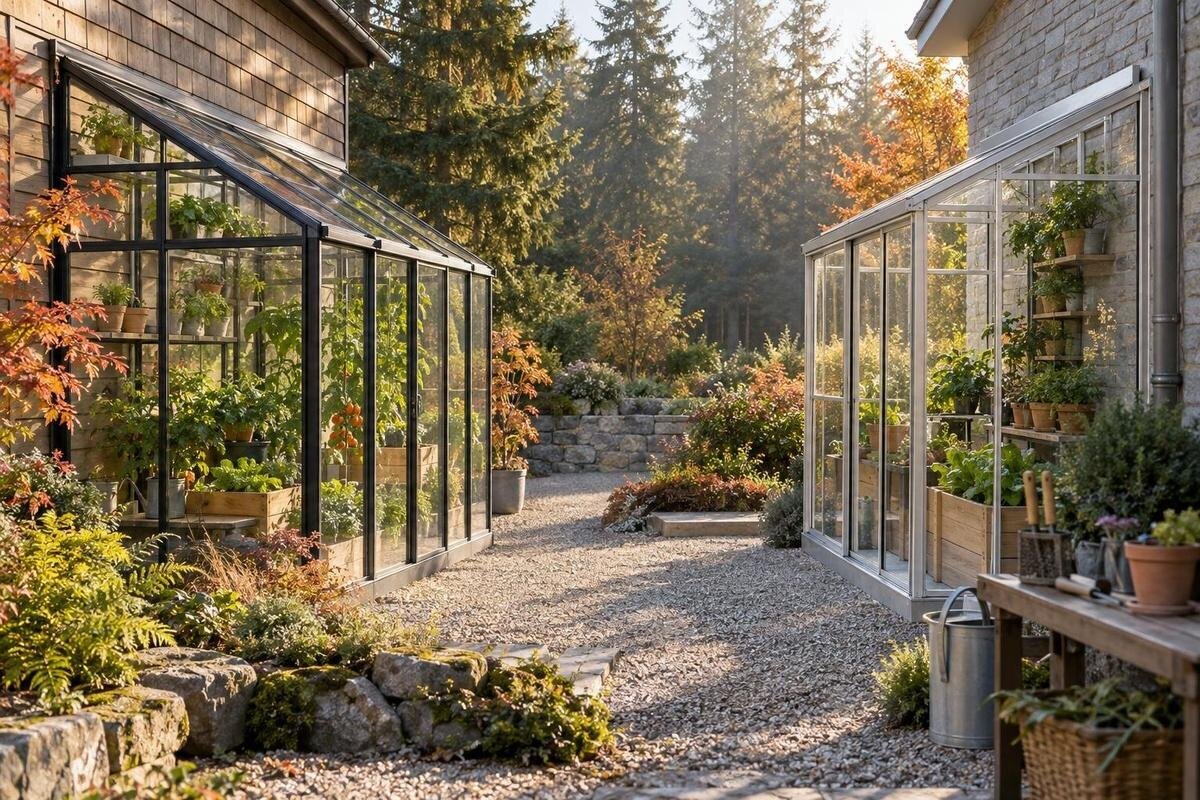
Black Friday greenhouse buying guide
Planning to buy a lean-to greenhouse on Black Friday? Measure the usable wall and the ground in front of it before comparing models. A wall-adjacent design still needs room for its full footprint, door access and installation, and the listing must explain how it is meant to be supported. Compare your measurements with the exact model’s dimensions and site requirements; a promotional label cannot answer those questions. The aim is to help you assess listings calmly and avoid ordering a greenhouse that suits the advert better than the space.

What Black Friday pricing tells you
Black Friday can be a convenient time to compare greenhouse listings, but the date or a promotional label does not show whether a lean-to will fit your wall. No particular offer is assumed here. If a price is displayed, check which exact model and configuration it applies to, how long the stated terms run, and whether delivery, installation or components are included or charged separately. Compare like with like: a headline amount is meaningful only when you know what is being supplied and what the order excludes. Availability and offer wording can change, so rely on the terms shown for the actual order rather than an old advert or saved screenshot.
Before browsing, write down the wall length and height you can use, the ground area in front of it, and the route into the garden. Keep this record beside each exact product page instead of choosing from a photograph. A listing named Prestige greenhouse with metal base identifies a product page; its title does not give the footprint, base dimensions or whether a base is included in the package you are comparing. Open the dimension drawing and installation details, and note anything the seller confirms separately. Use one row per model so the seasonal comparison stays tied to the same configuration. A lower price cannot compensate for a mismatch in fit or installation requirements.
Check the wall and its surroundings
Lean-to describes a greenhouse positioned against a wall, but models can differ in support, attachment and base arrangements. Do not assume that every wall greenhouse can be fixed to every wall, that the wall is expected to support part of the structure, or that a particular unit can stand independently without the wall. These are product-specific questions. Read the maker’s installation instructions for the intended mounting arrangement and stated wall or base conditions. Treat the wall and greenhouse as a pair: the site must suit the specified installation, not merely offer an empty rectangle. A sales photograph may show a unit beside a wall without documenting how it is attached, so use the written information.
Walk along the proposed wall and note anything that interrupts it: windows, vents, doors, pipes, gutters, downpipes, outdoor taps, meter boxes and access panels. Check the ends and the area above as well, including a roof edge or a window that needs to open. A wall may look long from across the garden while only a short section is genuinely clear. The page titled aluminium wall greenhouse is a place to check its own dimensions and fixing instructions, but the words in the name do not establish how it attaches or whether your wall suits it. If the material or condition is uncertain, ask a suitably qualified installer or building professional to assess the actual site.
Measure the clear wall length and height
Measure the wall section that the greenhouse would actually sit alongside, from the nearest fixed obstruction to the next. Record the usable horizontal length, not the full building wall if a door, window, downpipe, tap or service fitting breaks the run. Measure clear height above the surface where the greenhouse will stand. If ground level changes along the wall, note the variation rather than smoothing it into one number. Where a wall or floor is uneven, record the differences instead of assuming a single figure describes the whole area. Write down where each measurement begins and ends, and keep the units beside every figure.
Compare those figures with the drawing for the exact product. Check whether the stated length and height describe overall outside dimensions, a base or a particular part of the frame; labels do not necessarily mean the same thing on every listing. Mark off excluded zones around windows, roof edges and services that must remain accessible. A name such as T-model greenhouse orangery for a wall base cannot tell you how much uninterrupted wall is required; use its actual measurement diagram and installation notes. If dimensions are missing, unclear or close to an obstruction, ask the seller to confirm required clearances before paying. Avoid judging scale from a catalogue photo.
Measure the garden footprint
Measure width along the wall and depth out into the garden, then sketch the proposed outline on a simple plan. Use the outside dimensions shown in the product drawing, including any base or projection that the drawing identifies, rather than measuring only the planting area you hope to use. On the ground, mark the likely edges with removable markers or string and check them against paths, beds, steps, taps, bins, fences and gates. The exercise shows whether the structure occupies a workable patch, not simply whether its back edge can stand beside the wall. Include the path past the unit and the space needed to carry pots or tools.
Check the ground within that outline as well as its size. Note changes between paving and soil, slopes, drains and places where water already collects, then read the exact model’s base and site-preparation requirements. A frame dimension is not automatically the base footprint. A title such as pyramid greenhouse for masonry bases is not a scale plan, and its measurements must not be transferred to the lean-to you are considering. If surface preparation or drainage is uncertain, ask the supplier or a qualified installer what the chosen model requires; do not assume that a level-looking patch is sufficient. Keep access to any drain or route that needs regular use.

Compare dimensions with the exact model
Put your site measurements beside the dimensions for the exact model and configuration. Check which figure is width along the wall, which is projection into the garden and which is height; use a dimensioned drawing or written specification instead of assuming a sequence from the product title. If a page gives a base size separately from the frame size, compare both with the available ground. Look at the whole outline, not just the largest advertised number: roof overhangs, frame edges or an entrance projection may affect clearance if the drawing shows them. If a figure is not defined, ask what its endpoints measure before using it to approve the fit.
Treat model names and numbers as identifiers, not measurements. For example, the number in Glass greenhouse Plus 385 should not be read as a width, length or capacity unless the product specification explicitly defines it that way. Match published dimensions to your sketch and keep units consistent; if only a narrow margin remains, do not round it into a fit. Confirm any clearance the manufacturer requires and whether dimensions include the base or other listed components. Remember that usable internal space and external size answer different questions: use exterior dimensions for the site fit, and check interior dimensions separately if benches or working room matter. A clear drawing and written answer are more useful than judging scale from a photograph.
Plan entrance access and delivery
Space for the structure and space to use it are different. Check where the entrance sits, how the door is described as opening, and whether you can stand there without blocking a path or hitting a step, boundary or other object. Look at any plan for the exact model and consider the route from its entrance to the growing area; a narrow arrangement can make routine tasks awkward even when the outside dimensions fit. Do not assume the door is on a particular side from a photograph. Confirm its position and opening clearance in the model’s plan, and check that you can approach it with the trays or tools you intend to carry.
Check how the order will reach the proposed site. Measure the gate and narrow points on the route, and note turns, uneven ground, steps or stairs; ask the seller about package dimensions, unloading and any access limits. A product page called Orangerie does not identify its delivery format or entrance arrangement by name, so find those details in the listing or confirm them. Do not estimate package size from the finished greenhouse dimensions: the seller’s delivery information is the relevant check. Clarify whether installation is included, arranged separately or not offered, and whether the route must be cleared beforehand. This helps avoid ordering a greenhouse that fits the garden but cannot be brought to the proposed site as planned.
Consider sunlight and everyday conditions
Before choosing a wall, observe how light reaches the proposed position at different times of day. A wall, eaves, nearby trees and neighbouring buildings can shade the footprint, and the pattern may change with the season. Note which parts of the marked area receive sun or remain shaded, then consider the plants you intend to grow rather than assuming every greenhouse location offers the same conditions. A compass direction or a photograph taken once is not a substitute for looking at the actual garden across the day. If a product drawing puts part of the structure behind a projection, consider that shadow too.
Everyday access matters alongside light. Check whether the route to the greenhouse is convenient for carrying trays or tools, whether a tap is reachable without crossing awkward obstacles, and whether you can reach the openings and maintain the area around the unit. Notice where rainwater from the existing roof runs and whether a proposed position would obstruct a drain or access point. Do not assume the wall shelters a greenhouse from all site conditions; use the manufacturer’s stated placement limits and ask for advice if exposure or runoff creates a concern. The aim is a location you can use and maintain, not just one that passes a tape-measure test.
Verify fixing and site-preparation requirements
Dimensions alone do not establish that a wall, base or prepared surface meets the chosen product’s requirements. Read the exact installation guide for the wall-side fixing method, support arrangement, base details and any surface conditions it specifies. Do not transfer instructions from a similar-looking greenhouse or use a different model’s base drawing. If the wall has cladding, uncertain construction, visible damage or a surface that differs from the instructions, pause and have the proposed arrangement assessed by a suitably qualified building professional or installer. A written answer from the seller can clarify product requirements, but it cannot establish the condition of a wall they have not inspected.
Keep model identity separate from technical evidence: a page titled Aluminium Classic greenhouse does not, by its name, answer whether or how that model is fixed to a wall. For any alternative you compare, locate its own guide and confirm the stated installation format and required site preparation; do not carry details across from a similar-looking model. If those documents are unavailable before purchase, ask for them or request a written explanation from the seller. Do not improvise a mounting method or assume that masonry, timber and cladding can be treated in the same way. A qualified professional can assess the actual material and proposed connection.

Compare the full order terms
A Black Friday comparison should cover the amount due, not only the headline price. For the exact model and configuration, check whether the displayed amount includes a base, fittings, delivery, unloading, installation or any other items you need; some details may be listed separately. Read the current terms for availability, any stated offer dates, payment and returns, as well as charges for services. Check whether a promotion applies to the greenhouse itself or to a bundle, since different packages are not like-for-like. Use the listing and checkout or written quotation together; a banner is not the full order summary. Compare the same product and package before calling one price lower.
A label such as Limited Edition aluminium greenhouse is a product name, not proof of a current discount, deadline or stock availability. Check the terms attached to the precise listing and keep a copy of the offer and final order summary, including delivery and installation arrangements. If a charge or included component is unclear, ask before committing and compare the written reply with the cart. Where no specific Black Friday terms are shown for a model, compare its published price and full order costs with other options that meet your site requirements, without assuming a promotion exists. Any price comparison is useful only after wall fit and installation suitability have been established.
Make a final fit check before checkout
Make a simple comparison sheet with one column for each shortlisted model and rows for clear wall length and height, overall width and depth, base area, door clearance, delivery route, installation requirements and total order cost. Add sunlight and everyday access as site notes. Fill each entry from the exact product documentation or a clear written reply, not from a model name, photograph or guess. A blank cell is a question to resolve, not a reason to assume the item will fit. This record keeps the seasonal comparison tied to different configurations and makes it easier to see which facts still need confirming.
Before checkout, repeat the fit check against the final product name, selected configuration and order summary. Confirm that the dimensions are the ones you measured against and that any answer about delivery, base or installation appears in the final terms or paperwork. If measurements are close, ask for confirmation rather than relying on a rounded figure. Keep your sketch and notes for delivery and installation planning. If you change the site, move an obstacle or choose a different model, measure again: a previous assessment applies only to the layout and product it covered.
Frequently asked questions
How much wall space do I need for a lean-to greenhouse?
There is no single wall length or height that suits every model. Measure the clear section above the surface where the greenhouse would stand, note any obstacles, and compare the figures with the exact model’s dimensions and installation instructions. If the listing does not explain the required clearances, ask the seller before ordering.
Can I attach a lean-to greenhouse to any wall?
No. The suitable wall and fixing method depend on the product and the wall’s actual construction and condition. Read the model-specific installation guide. If you are unsure whether your wall meets its requirements, ask a suitably qualified installer or building professional to assess the site rather than guessing.
Which measurements matter most when choosing a lean-to greenhouse?
Record the clear wall length and height, the full ground width and depth, any separately stated base dimensions, door clearance and the route into the garden. Compare each figure with the same measurement in the exact product plan. Confirm whether the dimensions describe the whole structure or a separate component; a model name is not a measurement.
Does Black Friday guarantee a lower price?
No. A seasonal label does not establish a discount, stock status or deadline. Check the current terms for the exact model and configuration, then compare the full amount due, including any separately listed delivery, installation or components. This guide does not assume that a particular greenhouse is on offer.
Is a lean-to greenhouse automatically suitable for a small garden?
No. Sitting alongside a wall does not remove the need for a suitable footprint, access space or installation area. Check how far the greenhouse extends into the garden, where its entrance sits and whether the delivery route is usable, as well as how much clear wall is available.
A sound Black Friday choice is one that fits both the measured wall and the garden space, with a workable entrance and a documented installation arrangement. Compare the actual order terms only after those points are clear. If the listing leaves a dimension or site requirement unresolved, pause and seek an answer before committing; there is little value in choosing a greenhouse that cannot be placed or used as planned. Let the seasonal timing guide your comparison, not replace the site checks.
