
Buying a Greenhouse for a Hot Climate: Ventilation and Shading Priorities
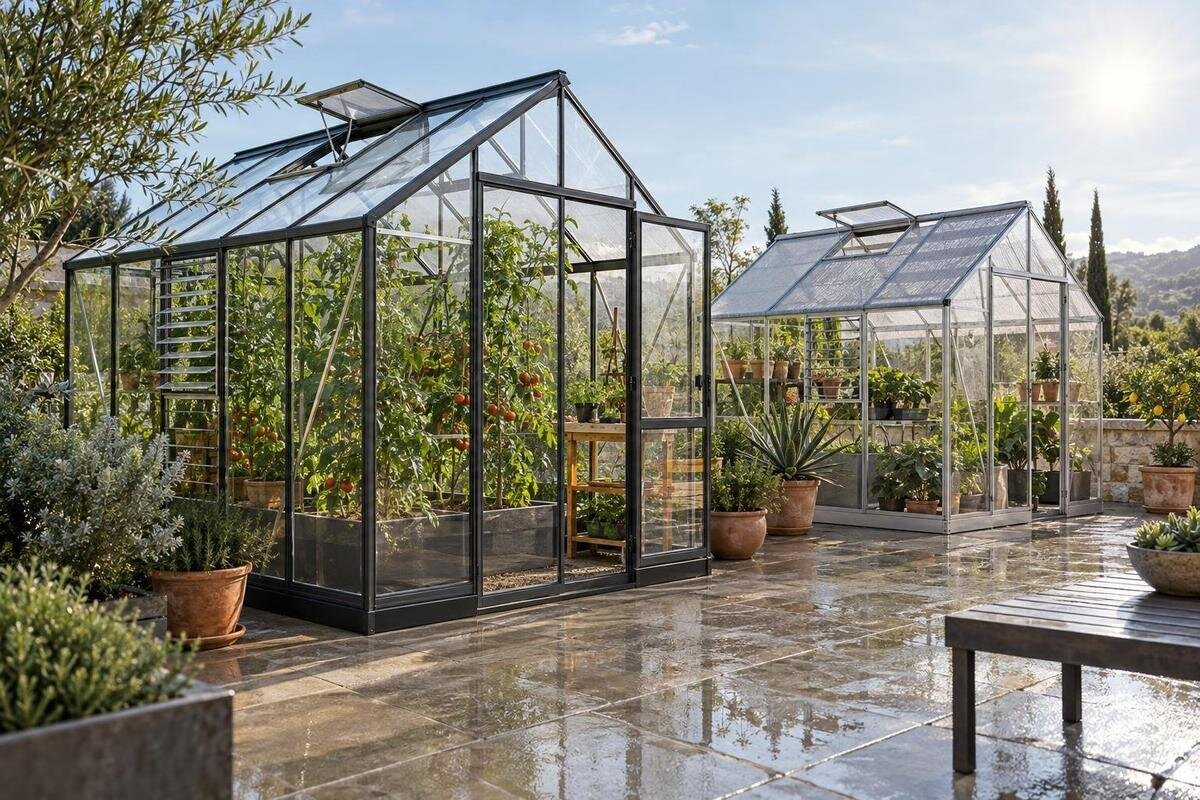
GREENHOUSE BUYING GUIDE
A greenhouse admits sunlight and protects plants, but in hot weather the same enclosure can build up heat. Choosing by size or appearance alone misses two practical questions: how readily can warm air escape, and how can strong sun be reduced without cutting light more than your crops can tolerate? This guide explains how to compare ventilation, shade, site conditions and ordering details before choosing a model. The aim is not to promise a particular indoor temperature, but to help you choose a setup you can manage in your garden.

01
Why ventilation and shade matter in a hot climate
Sunlight is the reason for a greenhouse, but an enclosed growing space can become warmer than an open bed when direct sun enters faster than heat escapes. The difference depends on the site, structure and ventilation; inside conditions may stay warm after the strongest sun has moved away. Crops respond differently: some tolerate warmth, while others may wilt, set flowers or fruit less reliably, or dry out quickly. The buying question is not whether a greenhouse is hot in the abstract, but whether its ventilation and shade can be adjusted to the plants and conditions at your site. Seasonal night temperatures also affect how quickly the space cools, so one setting may not suit the whole growing year.
Think of heat control as a balance between air exchange and light. Openings can help release warm air, but their position, area and route for replacement air matter; shade reduces incoming sun, but too much can limit useful light. Neither an open door nor shade cloth automatically solves every problem. A suitable setup is one you can operate as conditions change, using components the structure is designed to accept. This is why buying a greenhouse for a hot climate calls for evidence about vents and compatible shade, not simply a general label, a large-looking door or an attractive photograph. Consider how often you can adjust it as well as what it can do.
Assess the heat and sun at your site
Before comparing models, observe the proposed position through a hot day. Note when direct sun reaches it, whether walls or paving reflect warmth, and where buildings or trees create shade. Pay attention to whether breezes reach the site, whether the air is often humid or dry, and whether evenings cool quickly. These details influence a greenhouse even when two gardens have similar daytime temperatures. If the sun or shade changes significantly between seasons, check the position at another time of year too. A single summer afternoon is not a reliable guide to the amount of light the greenhouse will receive over a whole growing season.
Use those observations to set priorities: a ventilation route that works with the site, shade you can adapt and placement that leaves openings clear. If the Prestige Greenhouse Metal Base listing is on your shortlist, check whether the product information describes its glazing, vent positions, shade compatibility and supplied items. Record what is documented and what remains unclear, then ask the seller or installer for written clarification. Apply the same questions to every option so you can compare like with like. This is more useful than letting a product's appearance set your priorities before you have considered the conditions where it will stand.
02
Look for a clear route for air to move
A greenhouse needs a way for warm air to leave and replacement air to enter. Roof vents can help release rising warm air, while lower openings or doors may supply incoming air; openings on different sides can support cross-flow when the site and layout allow it. The result depends on opening area, obstructions, wind direction and the greenhouse design. Do not estimate ventilation capacity from the number of vents shown in a photograph. Look for diagrams and written details that describe the openings, their positions and how they can be used together. If no opening-area information is provided, ask the seller what details are available.
On the Orangerie greenhouse listing, look for written ventilation details rather than trying to judge airflow from an image. For each option, check whether vents are included or optional, where they are positioned and how they open. Consider whether benches, a nearby wall or planned planting could block them. Screens and other coverings can affect how freely air passes, so check whether they are included and whether any stated opening figures take them into account. A door may contribute to air movement, but its usefulness depends on the rest of the arrangement. Compare the complete layout, not just the most visible opening.
Choose vent controls you can manage
Ventilation only helps if it is practical to use. Manual openings can suit a routine where you can reach them easily and adjust them as the weather changes. Vents high on a roof, behind planting or beyond a comfortable reach can become inconvenient. An automatic opener may reduce the need for frequent manual adjustment, but check the mechanism, what triggers it, its operating range and whether it can be fitted to the greenhouse. Also establish whether other vents or doors still need to be opened separately. A description such as automatic ventilation does not, by itself, tell you how much of the greenhouse is ventilated.
Ask how moving parts are accessed for cleaning and maintenance, what checks are recommended, and whether replacement components are available. Confirm how openings are operated and closed, and whether the instructions fit the way you expect to use the greenhouse. If the written details leave compatibility unclear, ask the seller or a qualified installer. The Glass Greenhouse Plus 385 listing can be compared on the same points: check which controls and ventilation components are described as included, and which, if any, are optional. Keep those details with your notes so you can compare the amount of attention each setup will require.
03
Compare shade methods and fittings
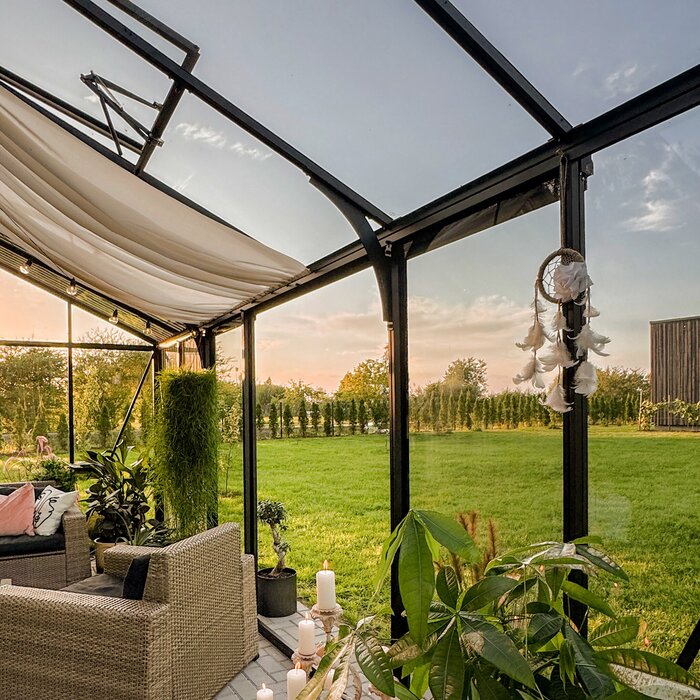
Shade is a control for sunlight, not a substitute for airflow. An external screen intercepts direct sun before it passes through the glazing; an internal screen shades plants after sunlight has entered the enclosure. External shade can reduce heat gain effectively in many setups, but it is exposed to weather and must suit the greenhouse. Internal shade is more sheltered, although it does not stop sunlight from first warming interior surfaces. Compare the actual shade product and fitting method rather than assuming that all shade cloth performs alike. If a shade factor or light reduction is stated, read it alongside the light needs of the crops you plan to grow.
Check how shade is attached, whether it can be removed or repositioned, and whether the fittings leave vents and doors clear. Do not assume a frame is designed to carry an external screen or that a covering can be attached wherever convenient; follow the greenhouse manufacturer's guidance and ask a qualified installer if mounting is uncertain. When reviewing the T-Model Greenhouse Orangery listing, look for stated shade options and ventilation details, including how a proposed covering would fit around openings. If the listing does not address these points, treat them as questions to resolve before ordering rather than making an unverified assumption.
Match shade to crops and seasons
Start shade planning with the crops you intend to grow. Seedlings, leafy greens and fruiting plants can have different light requirements, and even plants in one greenhouse may not need the same amount of shade. Check the growing guidance for your chosen varieties and decide whether a single overall shade level is suitable or whether you need separate areas. Avoid dimming the whole space simply because one part of it gets too much sun. Grouping plants by light needs can make it easier to shade only where useful, provided the greenhouse layout allows that separation and still leaves room to reach and care for them.
Seasonal changes matter too. Fixed shade may help during the brightest period but reduce useful light when conditions are cooler or cloudier. Removable or adjustable shade allows more flexibility, although you will need to manage it and store it when it is not in use. Consider when you can make those changes and whether sunlight shifts as trees grow or the sun's path changes. For the Pyramid Greenhouse for Masonry Bases page, as with any listing, look for explicit information about vents, shade options and supplied parts. Compare what is stated with your crops' changing needs rather than assuming a particular arrangement will suit every season.
04
Check glazing information as well as ventilation
Glazing is part of the balance between heat and light, but it cannot provide fresh air. Light transmission, diffusion and heat-control characteristics depend on the specified material and configuration, so do not assume that a clear, tinted or named type of glazing will have a particular effect based on its appearance. Reducing transmitted light may reduce direct sun, but it can also limit light available to plants. Ask for written details that are relevant to your crops and site. When comparing performance information, check whether a figure describes a panel alone or the completed greenhouse under stated conditions.
Check whether the specification identifies the glazing, any treatments and the cleaning or replacement guidance. Consider how the proposed shade system will change the light reaching plants, rather than comparing glazing in isolation. Photographs are poor evidence of light transmission or heat control, so separate visual preference from documented performance. The Aluminium Classic Greenhouse page can be checked for stated glazing and ventilation details; do not infer those from its title. If the written information does not address summer conditions, ask what is known and what remains unconfirmed instead of assuming that the frame material determines the climate inside.
Check how the greenhouse will sit beside a wall
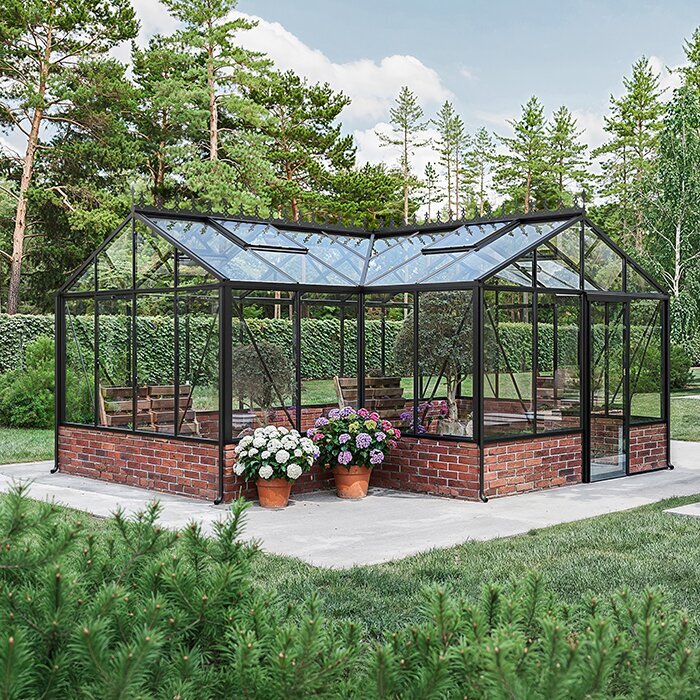
A wall-mounted greenhouse and a freestanding structure have different surroundings. A nearby wall may block a breeze, shade the greenhouse at certain times or reflect heat; which effect matters most depends on the actual wall and its position. A freestanding site may have more exposed sides, but fences, hedges, paving and nearby buildings can still alter airflow and shade. Walk around the proposed footprint and consider each vent with the greenhouse in place, including any openings that would face a wall. Do not choose a wall position simply because it looks sheltered, or assume that a wall will cool or warm the space in a predictable way.
If the Aluminium Wall Greenhouse listing interests you, check its installation information, any stated wall requirements and which openings need to remain clear. At the site, consider access for watering, cleaning, operating vents and attaching approved shade. The listing name does not show how much sun the position will receive, so combine written product information with an on-site assessment. If the proposed surface or fixing arrangement raises a structural concern, ask a qualified installer to assess it. That is separate from comparing the ventilation concept, but both questions matter before you commit to a location.
05
Compare the complete order, not just the greenhouse
The greenhouse itself is only one part of the purchase. Make an itemised comparison of what is supplied, what is optional and what needs to be prepared or bought separately. Confirm the stated dimensions and usable internal layout, then allow space to open doors, reach vents and carry out routine work. Include compatible shade and fittings, vent controls or screens, site preparation, assembly and transport in your budget where relevant; do not assume these are included. Ask for a written quotation that identifies the configuration you are considering, rather than comparing general descriptions or packages that contain different items.
Include the Limited Edition Aluminium Greenhouse listing in your comparison only on the basis of its written details. Check what configuration any quoted price covers, which ventilation or shading elements are included or optional, and what assembly or site requirements are stated. If you need a component that is not described, ask whether it is compatible and what else it requires. Keep the product information, accessory details and installation notes together. That makes questions about shade fit, vent operation or replacement parts easier to resolve and helps prevent an important requirement from being overlooked when you place the order.
Use a practical shortlist before ordering
Turn your observations into a short specification for your own garden. Name the crops and the times of year when heat is a concern; describe how sun reaches the site and where air can enter. Then rank the features that matter most: opening position and area, accessible controls, adjustable shade, glazing information and space for operating the greenhouse. Buyers will not all rank them in the same way. If you can check vents often, your preferred controls may differ from someone who needs help with regular adjustment. A mix of crops may make flexible shade more useful than a fixed covering.
Compare each shortlisted greenhouse with that list using written product information, drawings and answers from the seller. Mark anything that remains unknown, especially what is supplied, whether shade attachments are approved, how vents operate and what site preparation is required. Resolve important questions before paying or arranging installation. If the proposed position or mounting raises a structural concern, ask a qualified professional rather than relying on general advice. The right choice is the one whose documented ventilation and shade arrangements suit your real garden and the time you can give to managing them.
Frequently asked questions
How much ventilation does a greenhouse need in a hot climate?
There is no single vent-area figure that suits every structure and site. Compare the documented size and position of openings, and check whether there is a clear route for air to enter and leave. The layout, nearby walls, prevailing breezes and any screens can all affect how well openings work together.
Is external shade better than shade inside the greenhouse?
External shade intercepts sunlight before it passes through the glazing, so it can reduce heat gain effectively in many setups. It is more exposed to weather, though, and must be approved for the structure. Internal shade is more sheltered, but the sunlight has already entered the greenhouse. Compare the specific shade method and fitting instructions.
Are open doors enough to cool a greenhouse?
Not necessarily. A door may help air move, but its effect depends on where replacement air can enter, the greenhouse layout and conditions around the site. Look for information about other openings and whether they can operate together. Avoid treating an open door as a substitute for a clearly described ventilation arrangement.
Should I choose automatic vents?
That depends on how often you can check the greenhouse and whether the mechanism suits the structure. Confirm what triggers an automatic opener, its operating range, compatibility and whether it is included or optional. Also check whether other openings still need to be operated separately and how the moving parts are maintained.
Can shade cloth stay on the greenhouse all year?
It depends on your crops, the amount of light available in different seasons and the shade system. A permanent covering may reduce light when conditions change. Removable or adjustable shade offers more flexibility, but takes attention to manage. Check that the chosen arrangement is approved for the greenhouse and does not obstruct vents.
A hot-climate greenhouse is a balance between air movement and the light your crops need. Compare the vent layout, controls and approved shade options against the conditions at your site, then consider whether you can operate and maintain them through changing weather. Clear written details make that comparison possible. When an important feature is not explained, settle the question before ordering rather than relying on a product name or an attractive image.
