
Buying a Glass Greenhouse: Understanding the Glazing Options
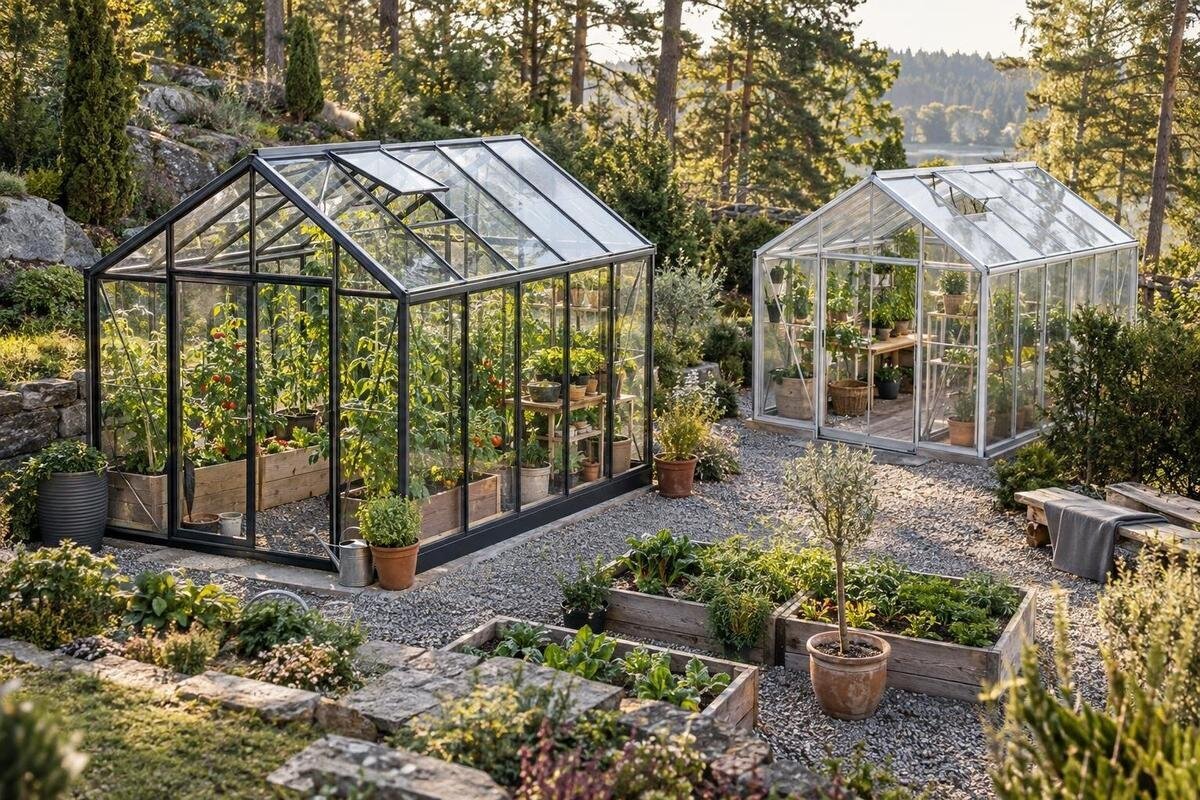
Greenhouse glazing guide
Buying a glass greenhouse is not simply a choice between transparent panels and opaque walls. “Glass” can refer to panes with different treatments, and a product page may not say whether the roof, sides, doors and vents all use the same type. Those differences affect safety, light, replacement and how the complete structure suits your site. Before comparing models, identify the growing conditions you want to support and ask for the glazing specification in writing. Then compare that information with the frame, included components and the level of upkeep you can manage.

01
A greenhouse name is not a glazing specification
Treat “glass greenhouse” as a starting category, not a complete description. The term does not identify whether panes are ordinary annealed horticultural glass, toughened safety glass, laminated glass or another product. It also says nothing about thickness, coatings, tint, edge treatment, panel dimensions, or whether every glazed part uses the same specification. Ask for a panel-by-panel schedule covering the roof, walls, ends, doors, opening windows and any other glazed sections. If the seller gives only “glass” as the description, you do not yet have enough information to compare glazing choices properly. If a range includes several sizes or configurations, confirm that the details apply to the exact version on your shortlist.
Keep the greenhouse frame and glazing as separate lines in your comparison. A product label such as Bloomcabin Orangerie identifies a model, but its name alone does not tell you what glass is supplied. On each product page, look for a specification or parts list rather than assuming a photograph shows the exact panel type. Record the pane material, treatment and thickness where stated, plus which parts are included. If the page is unclear, ask the seller to confirm the glazing for the exact model and version before using it as a like-for-like comparison. Also ask whether the same specification applies across all configurations in the range.
Horticultural glass: ask exactly what is supplied
Horticultural glass is a familiar greenhouse-glazing term, but it is worth asking what it means for the particular product. It commonly refers to ordinary annealed glass rather than a heat-treated safety pane; do not assume every retailer uses the term in precisely the same way. Ask whether the pane is annealed or otherwise treated, what thickness is supplied, and whether it is clear, patterned or coated. Those details are more useful than a broad label, especially when comparing a standard glass package with a different pane specification. If the listing offers a choice, find out whether “horticultural glass” describes the default or an optional upgrade.
Ordinary annealed glass has a different breakage pattern from toughened glass and can break into large, sharp pieces. Think about who uses the greenhouse and where the glass sits: a panel beside a frequently used path, work area or children’s play space may call for a different safety assessment from one well away from regular activity. This is not a reason to assume another glazing type is automatically suitable; it is a prompt to make the risk part of the purchase decision. The name Glass Greenhouse Plus 385 does not state a pane treatment or thickness, so check its detailed specification rather than relying on “glass” in the model name. Ask, too, whether individual replacement panes can be identified and ordered.
02
Toughened glass changes breakage behaviour
Toughened glass is treated during manufacture to alter how it breaks. If it fails, it generally breaks into many smaller pieces rather than long, sharp shards, which is why buyers may consider it where breakage risk matters. That difference does not make a pane unbreakable or harmless, and the word “toughened” alone does not confirm its thickness, dimensions, resistance to a particular impact or suitability for every part of a greenhouse. Check the product specification and ask which panels use it; a roof, side panel, door and vent may not all be listed together. Ask for the exact pane description in writing rather than relying on a general safety icon.
Ask what the supplier means by “safety glass” instead of treating that phrase as a complete answer. Confirm whether the stated treatment applies to all glazing or only selected panels, and whether any doors or opening windows use another pane. The frame and the way it retains the glass are part of the complete system, so do not read a glass description as a promise about hail, wind or other impact performance. A name such as T-Model Greenhouse Orangery for Wall Base does not tell you which glazing is supplied; seek that information separately, along with any limits that matter at your site. Toughened and laminated glass are not interchangeable terms, so check which one the specification actually names.
Laminated glass: ask about the interlayer and replacement
Where laminated glass is offered for a greenhouse, its panes are made from layers bonded around an interlayer. If the glass cracks, the interlayer can hold many fragments together rather than allowing the pane to fall apart in the same way as ordinary annealed glass. That is a different breakage behaviour, not a guarantee that the whole panel stays intact or that it will never need replacing. Ask the supplier to identify the exact laminated specification and the parts of the greenhouse where it is used; do not assume a general mention of “safety glazing” means laminated glass. Also ask whether the pane is specified for greenhouse use and compatible with the model’s glazing-retention system.
Consider replacement before choosing this option. Ask whether a damaged pane can be ordered by its individual size, whether the same specification can be supplied later, and what support is recommended for removal and refitting. Glazing that is held in place after cracking still needs professional assessment rather than an assumption that it can remain in service. If the feature you value is reduced risk from loose fragments, compare laminated and toughened panes by their documented breakage behaviour and the way each is used in the greenhouse—not by a broad safety label or a claim that one is universally best. Find out whether doors and vents use the same type or have separate specifications.

03
Compare glass with other greenhouse glazing
If you are not committed to glass, compare it with the greenhouse’s other glazing options on the same basis. Clear glass offers a direct view through the panels, but its light behaviour depends on the exact pane, including any tint, pattern or coating. Polycarbonate is a separate family of glazing; solid sheets and multiwall sheets are not interchangeable descriptions, and details such as structure, thickness and surface treatment matter. Avoid choosing from a single photograph or the word “clear”: ask for the maker’s information on light transmission, diffusion and any stated UV treatment for the exact panel. An aluminium frame label does not answer that question; a listing such as Aluminium Classic Greenhouse needs a separate glazing specification.
Compare what matters in your own greenhouse: how much light the panels are specified to pass, whether light is spread or direct, what cleaning the surface requires, and how readily matching replacement panes can be obtained. Ask for the glazing on the roof and walls separately; a material label for one section may not cover every panel. If you compare polycarbonate, match the construction type and thickness stated in the product details rather than assuming all sheets perform alike. Ask for the manufacturer’s care instructions, too, especially for coatings or treated surfaces. You can then decide whether the appearance and stated properties of glass matter more to you than the alternative offered.
Match the glazing system to your site’s exposure
Assess the actual greenhouse position rather than looking for a universal pane choice for South Africa. Sun exposure, shade, wind and the possibility of hail vary by site; the level and direction of exposure in your own garden matter more than a broad regional description. Glass alone does not establish how the finished greenhouse will cope with impact or wind. Ask the manufacturer whether the complete model—including its glazing, frame and method of retaining the panes—is specified for the conditions at your site. If an exposed location raises a structural question, ask a qualified installer or relevant building professional to assess it rather than estimating from the pane label. Note any nearby activity that could expose panes to knocks.
Treat the mounting arrangement and glazing as separate checks. The name Aluminium Wall Greenhouse does not prove that a particular wall, orientation or exposure is suitable, or identify the pane type. Confirm the exact model’s installation requirements and whether its glazing specification matches the complete unit and the location you have in mind. Do not assume that a greenhouse intended for one mounting arrangement has been assessed for another. A photograph or a general description of the glass cannot confirm that a structure is appropriate for your site; ask for a written answer to any exposure concern before ordering.
04
Light, heat and ventilation for your crops
Glazing affects how light enters, but a pane’s clear appearance is not a measurement. Tinted, patterned, coated or diffusing panes can behave differently, and some of those descriptions may not be offered for a particular model. Think about the crops you intend to grow and their light requirements, then ask the supplier for the specified light-transmission information and whether the glazing spreads light. Avoid treating the brightest-looking photograph as proof that the greenhouse will deliver a particular growing result. Different planting plans can call for different balances, so compare actual pane data against your intended use. If light is a priority, ask what information the supplier can provide rather than relying on colour in an image.
Light also contributes to warmth inside an enclosed greenhouse. Glazing alone cannot tell you how warm the space will become: sunlight, ventilation, shade, openings and the greenhouse’s overall layout all play a part. Ask separately what ventilation is included and whether shading or other climate-control provisions are available, without assuming that a glazing type will solve heat build-up. If your plan depends on maintaining specific conditions, seek advice on the complete greenhouse and crop requirements from a suitable growing or installation professional. For ordinary use, choose glazing by its stated light properties, then judge the design as a whole. Keep growing aims separate from promises implied by a product photograph.
Check the fit between panes, frame and base
Pane fit is a system question. The glass thickness, width, height and edge condition must match the greenhouse’s channels, seals or retaining parts; a replacement that looks close is not automatically compatible. Ask which pane specification is intended for the model and whether individual panes can be replaced with the same type. Check how the supplier identifies each piece—for example, by panel position or dimensions—and keep that information with your purchase records. Do not plan to trim or adapt a glass pane yourself; a qualified installer or supplier should confirm fit and the proper handling for the particular system. Ask whether replacement parts use the same retaining components.
Keep the base or support requirement separate from the glazing schedule. A title such as Pyramid Greenhouse for Masonry Bases identifies a model, but does not establish its pane material, the panels included or whether a particular support is right for your site. Check those points in the written product details. Likewise, confirm that the glazing, frame and base are the components intended to work together; matching a base description alone does not resolve glass fit or the suitability of the complete structure. If a base is not included in the package, establish what would be needed before you order.

05
What the product page and quote should list
Before ordering, ask for a written list of what arrives with the greenhouse. It should make clear whether glass is included or optional, which glazing type and thickness are specified, and which sections use it: roof, sides, end walls, doors, vents and any separate opening panel. Confirm whether the listed frame, base, glazing bars, seals or retainers are part of the package or must be sourced separately. A product title rarely answers every one of these points. For example, a name such as Prestige Greenhouse with Metal Base is not a substitute for the exact package list or pane schedule. Ask that the answer relates to the model and configuration on your quote.
Get clarification on shipping and handling before placing the order: ask how the glazing is packaged, whether delivery includes moving components to the final position, and what to do if a pane arrives damaged or is missing. These are questions, not assumptions about a seller’s service. Check that assembly instructions identify the parts and their order, and whether the recommended installer can fit the selected glazing without changing specified components. If you need a base, anchors or separate glazing, ask for quantities and compatibility in writing. Clear answers prevent a quote that compares a greenhouse shell with another seller’s complete glazing package as though they were identical.
Choose by the trade-offs that matter to you
To make a shortlist, record the purpose of the greenhouse, the main light and exposure conditions, how you want to manage breakage risk, and the level of upkeep you can manage. Then rule out any model whose actual glazing schedule is missing or conflicts with a requirement you need to confirm. Compare like with like: the same panel areas, the same stated pane types and the same understanding of what is included. Do not rank two greenhouses by model name, frame material or a single safety adjective; ask for the information that changes the decision. Mark non-negotiable requirements separately from preferences so marketing copy does not obscure them.
Once the details are clear, keep the specification with your order confirmation and note the exact model and version. A name such as Limited Edition Aluminium Greenhouse still does not identify every pane or package item, so check the product details and written answer for the version you intend to buy. If the seller cannot confirm a glazing point that matters to you, compare another clearly specified option rather than filling the gap with an assumption. This makes the final choice about known trade-offs—light, breakage behaviour, replacement and site fit—rather than a label. The result is a more useful comparison, even when two listings look similar.
Frequently asked questions
Is toughened glass unbreakable?
No. Toughening changes how glass breaks, but it does not make a pane unbreakable or confirm how the complete greenhouse performs under impact. Check the stated pane specification and where that glass is used.
Does horticultural glass have one standard thickness?
The term alone does not tell you the pane thickness or its exact treatment. Ask for the thickness and glass type specified for each glazed section, rather than assuming every product described as horticultural glass is identical.
Can laminated glass be fitted to any greenhouse?
Do not assume so. The pane dimensions and the way it is retained must be compatible with the greenhouse. Ask the supplier or manufacturer to confirm that the exact glass is intended for the model; use a qualified installer if fit or handling needs assessment.
Will clear glass stop a greenhouse from becoming too warm?
No. Glass alone does not control heat. Sunlight, ventilation, shade, openings and the greenhouse’s overall layout all contribute. Ask separately about ventilation and shading rather than expecting a glazing choice to solve heat build-up.
What should I confirm before placing an order?
Get the glass type, thickness and panel-by-panel specification in writing. Confirm what is included, whether matching replacement panes can be obtained, and whether the complete greenhouse is suitable for your site. Check that the details apply to the exact model and configuration you plan to buy.
The right glass greenhouse is the one whose pane specification and complete structure match your growing plan and site—not simply the one advertised as glass. Decide which details matter most, such as light, breakage behaviour or replacement, then verify them for every glazed part. When the glazing, frame and package details are clear, you can compare the options on their actual merits and order with fewer unknowns.
