
Buying a Greenhouse for Orchids and Tropical Plants
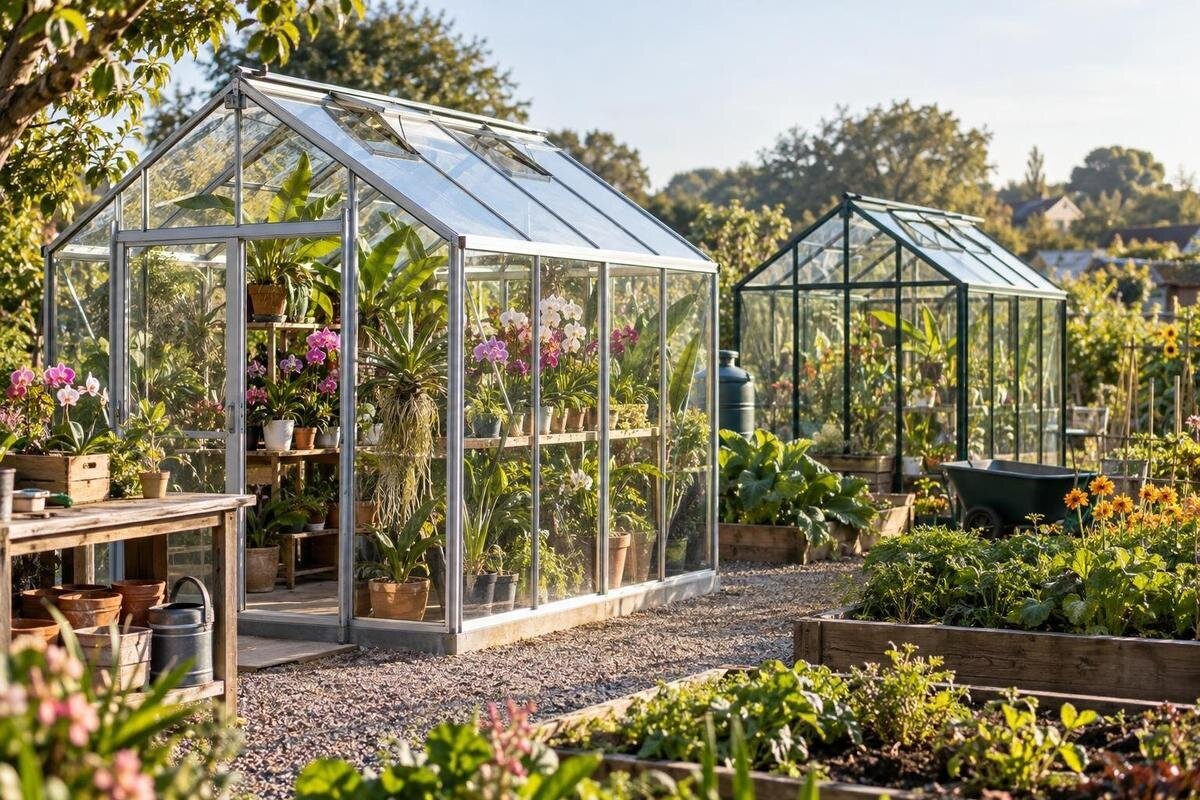
Greenhouse buying guide
A greenhouse for orchids and tropical plants needs to support a manageable growing environment, not simply provide a glass enclosure. Compare ventilation, glazing and insulation information, usable space and the way you could monitor heat and humidity. Because plants labelled “tropical” can have different requirements, begin with your own collection and check each candidate against the conditions you intend to provide.

01
Start with the plants’ growing requirements
Orchids and tropical plants do not all need the same conditions. An orchid grown in a pot, one attached to a mount, and a leafy tropical plant may differ in their preferences for light, moisture around the roots, humidity and warmth. Before choosing a structure, list the plants you already own and those you realistically plan to add. Note any known care requirements from reliable plant-specific guidance rather than assuming that a single “tropical” setting will suit the whole collection.
This list helps define what the greenhouse must make possible. If your plants need noticeably different conditions, consider whether you can group them into separate areas or whether one group would be better kept elsewhere. A greenhouse is not automatically a climate-controlled room: its conditions change with the weather, sunlight, ventilation and any equipment used. Choose a design that can support the level of control you intend to provide, and be honest about the time you can spend monitoring it. Include seasonal changes in your planning, as a collection that is easy to manage in mild weather may need closer attention when outside conditions become hotter or cooler. Record which plants are least tolerant of change, because they may determine the limits of the shared space.
Assess the site’s sunlight and seasonal changes
Look at the proposed location at different times of day and through the seasons, not just during one convenient viewing. Nearby walls, trees and buildings can cast shade, while a bright exposed position may receive more direct sun than delicate foliage can tolerate. Consider where light reaches the structure, how that may change as the sun moves, and whether you can use suitable shading if the greenhouse becomes too bright or hot. Plant-specific light needs should guide the decision.
Also consider exposure to wind, access to water and electricity, drainage around the site, and how you will reach the greenhouse for daily care. These are practical checks, not guarantees about how a structure will perform. Before shortlisting a model such as the Prestige greenhouse listing, compare its published siting and assembly information with the place you have in mind. Confirm the required base and clearances from the listing or supplier; do not infer them from a product image or name. Think about routine access in wet weather too. A route that is easy to use when dry may be inconvenient if it becomes muddy or slippery, which can make regular watering, inspections and ventilation adjustments harder to keep up with.
02
Plan usable growing space, not just floor area
Draw a simple plan of the proposed greenhouse and mark the entrance, paths, benches, shelves and any equipment you expect to use. Include space to open doors, carry watering supplies, inspect plants and remove damaged leaves. Then add the mature size of the plants, including foliage that spreads beyond the pot. A layout that fits a collection on paper can still be awkward if you cannot reach the back row or work without brushing against neighbouring plants.
Vertical growing space can matter as much as the footprint. Hanging plants or high shelves may make more of the volume useful, but they should not block ventilation, shade other plants unintentionally or make routine care difficult. Check the actual internal dimensions and layout possibilities in each product’s current information. For example, use the Orangerie product listing as one item to compare—not as evidence of capacity—and verify whether its documented dimensions and configuration suit your own measured plan. Allow a margin for trays, labels, watering cans and the space needed to turn while carrying a plant. A plan with one clear working route is generally easier to maintain than one where every available area is filled with pots.
Compare ventilation and air movement
Ventilation is central to managing heat and moisture. Openings need to let you respond to changing conditions, and their position and operation affect how air can move through the growing area. When comparing greenhouses, look for documented opening locations, sizes and operating methods. Check whether doors, vents or optional controls are included or would need to be obtained separately. Do not assume that a greenhouse has a particular vent arrangement because it resembles another model.
Think through how you would use ventilation on a hot day, during a cool spell and when you are away from home. A door left open may not be a dependable control strategy, while closing everything to retain warmth can leave the air stagnant. If you are considering an automatic opener or another accessory, check that it is compatible with the exact structure and understand what it can and cannot control. Compare the stated ventilation details for the Glass Greenhouse Plus 385 listing with other options, then match the documented arrangement to your plants and routine. Consider how easily you can reach each opening once benches, shelves and plants are in place. Controls that are difficult to access are less likely to be adjusted promptly as conditions change.
03
Understand glazing and insulation before choosing
Glazing affects the greenhouse’s light environment and how quickly its interior responds to changing outside conditions. Materials and construction can differ in light transmission, heat retention, durability, cleaning and replacement requirements, so use the supplier’s specifications rather than relying on a broad label such as “insulated”. Ask what the glazing is made from, whether the stated performance applies to the complete greenhouse or only a component, and how replacement parts can be identified if needed.
Insulation can help limit heat loss, but it does not create heat or guarantee a suitable growing temperature. The greenhouse’s position, internal volume, glazing, ventilation and weather all influence conditions. Consider the trade-off between retaining warmth and allowing the light and fresh air your plants need. Read the documented glazing and assembly details for the T-model greenhouse listing alongside other candidates; the product name alone does not establish its thermal performance, light levels or suitability for orchids. Compare like with like when reviewing information: a material description, for example, is not the same as a complete statement of how the finished greenhouse will behave in your particular setting. Keep notes of questions that the listing does not answer.
Allow for heating without relying on it blindly
If the plants you intend to grow need protection from low temperatures, decide before purchase whether supplementary heating will form part of the plan. The greenhouse should have enough usable space for the chosen equipment without obstructing access or airflow. Estimate needs using the heater manufacturer’s guidance and the greenhouse information, rather than assuming that a small heater will suit every structure. A heater can only provide the conditions its capacity and controls allow, and it cannot compensate for every design or siting limitation.
Consider how you will monitor temperatures, manage ventilation when heating is in use, and respond if equipment fails or power is unavailable. Check the supplier’s requirements for compatible accessories and installation. Electrical work and any installation that needs specialist knowledge should be handled by a qualified professional; do not adapt wiring or place equipment where its instructions prohibit it. Use the Pyramid greenhouse listing as another candidate to assess against the information supplied for your chosen heating approach, not as a claim that a heater is included or that the structure will hold a particular temperature. It is also worth deciding where monitoring equipment can be read without moving plants or opening the greenhouse unnecessarily. A visible record of changing conditions can help you identify whether adjustments are needed.
04
Manage humidity, watering and condensation together
Humidity is not a fixed setting that can be chosen independently of everything else. Watering, plant density, evaporation, ventilation and temperature all affect moisture in the greenhouse. Some orchids and tropical plants may need more humid surroundings than others, but constantly damp surfaces or stagnant air are not a substitute for understanding each plant’s needs. A simple monitoring plan can help you notice changes and adjust watering, ventilation or grouping rather than making assumptions based on how the air feels.
Plan where watering will happen, how excess water will be dealt with and whether shelves or plant containers can be reached without spilling over other plants. Condensation may appear as conditions shift; look at how the greenhouse can be ventilated and dried, and consult the supplier’s guidance for the materials involved. If considering the Aluminium Classic greenhouse listing, compare its stated construction, ventilation and care information with your humidity-management plan. The model name alone does not tell you how much condensation to expect or how the interior will perform. Think through cleaning as well: surfaces, paths and plant supports should remain accessible so that dropped leaves, spilled growing media and standing water can be dealt with before they complicate routine care.
Check the base, access and assembly requirements
A greenhouse purchase includes more than the visible frame and glazing. Confirm what base or foundation is required, whether it is supplied, and which surface preparation is expected. Check the footprint and any clearance needed around the structure against your site measurements. A level, suitable base is important to assembly and operation, but the right solution depends on the product instructions and the ground at your property. If you are uncertain about the site or preparation, ask a qualified installer to assess it before ordering.
Review the assembly guide, the number of people recommended for construction, and any tools or separate components that may be required. Also consider how the package will reach the site and whether access through gates or around buildings is practical; confirm delivery and handling arrangements with the seller rather than assuming them. The Aluminium Wall Greenhouse listing can be included in a shortlist, but verify the exact installation arrangement and base requirements in its current documentation before deciding whether it fits your intended location. Measure the route from the delivery point to the site, including narrow turns, steps and overhead obstructions. Doing this before ordering helps distinguish a suitable greenhouse site from one that is merely an attractive position in the garden.

05
Compare product listings on evidence, not appearance
Photographs can help you picture a greenhouse in a garden, but they cannot establish its internal dimensions, glazing performance, included accessories or suitability for a particular plant collection. For each candidate, record the verified dimensions, materials, vent arrangement, base requirements, available options and assembly information stated by the seller. Mark anything missing as a question to resolve. Keeping the comparison in writing makes it easier to distinguish confirmed specifications from assumptions formed by looking at a picture.
The same method applies when a listing has a distinctive name. You can compare the Limited Edition Aluminium Greenhouse listing with other options, but do not infer that “limited edition” means a particular feature, construction detail or level of performance. Check what the listing explicitly identifies, whether accessories are included, and whether the product information answers your needs for light, ventilation and heating or humidity equipment. If a key detail is unclear, obtain clarification before placing an order. Keep separate columns for confirmed information, optional items and questions still to be answered. This prevents an accessory shown in a photograph or mentioned in general marketing from being treated as part of the greenhouse you are actually buying.
Match daily care to the greenhouse layout
Think about the work the greenhouse will require in an ordinary week. You may need to check plants, water them, clear fallen leaves, adjust openings and monitor conditions. Make sure those tasks are possible with the expected number and arrangement of benches and containers. If you will be away regularly, consider who can check the space and whether any automated controls you plan to use are compatible and reliable for the intended purpose. Do not treat automation as a replacement for a workable layout and regular observation.
Separate plants by the conditions they need, using shelves or zones only where they allow enough light and airflow. Keep plants that need frequent attention accessible, and leave room to move pots as their needs or growth change. Consider whether the layout can be adapted without buying additional equipment immediately. A greenhouse that looks spacious when empty may feel cramped once you add mature foliage, watering equipment and seasonal changes to the collection, so evaluate the working arrangement as well as the headline footprint. Include a place to set down plants while inspecting or repotting them, rather than relying on a narrow path or crowded shelf. That small allowance can make ordinary care safer and more manageable.
Frequently asked questions
Can one greenhouse suit both orchids and other tropical plants?
Possibly, if the plants’ light, temperature and humidity needs overlap enough to manage in one space. Group plants with similar requirements, and plan for separate zones if a single set of conditions would leave some plants too warm, cool, bright or damp.
Does a greenhouse keep tropical plants warm without a heater?
A greenhouse can shelter plants, but it does not guarantee a suitable temperature. The result depends on factors including the structure, glazing, position and weather. Check how the proposed greenhouse performs and decide whether your intended plants will need supplementary heating.
How should I manage humidity without reducing airflow?
Treat humidity and air movement as connected but separate requirements. Use a way to monitor conditions, provide appropriate ventilation, and avoid relying on permanently closed vents or persistently wet surfaces. The right balance depends on your plants and local conditions.
What should I check before buying a greenhouse heater?
Confirm that a proposed heater is appropriate for the greenhouse volume and your growing aims. Check the product and greenhouse manufacturers’ guidance, and have electrical work or any installation requiring specialist knowledge handled by a qualified professional.
How much growing space should I allow?
Measure the space needed for plants at their mature size, shelving, access, watering and maintenance—not only the floor area they occupy today. Leave room for air to move around foliage and make sure you can reach plants without repeatedly shifting others.
A suitable choice brings the plants’ needs, your site and your day-to-day care routine together. Measure the usable space, review the documented ventilation and glazing, and plan how heating and humidity will be monitored and managed. Confirm the base, assembly and accessory details for the exact greenhouse before ordering. Those checks make it easier to choose a structure that supports your growing plans without assuming that the greenhouse alone will provide the conditions every orchid or tropical plant needs.
