
Buying a Wooden Greenhouse on Black Friday: Compare Prices and Maintenance
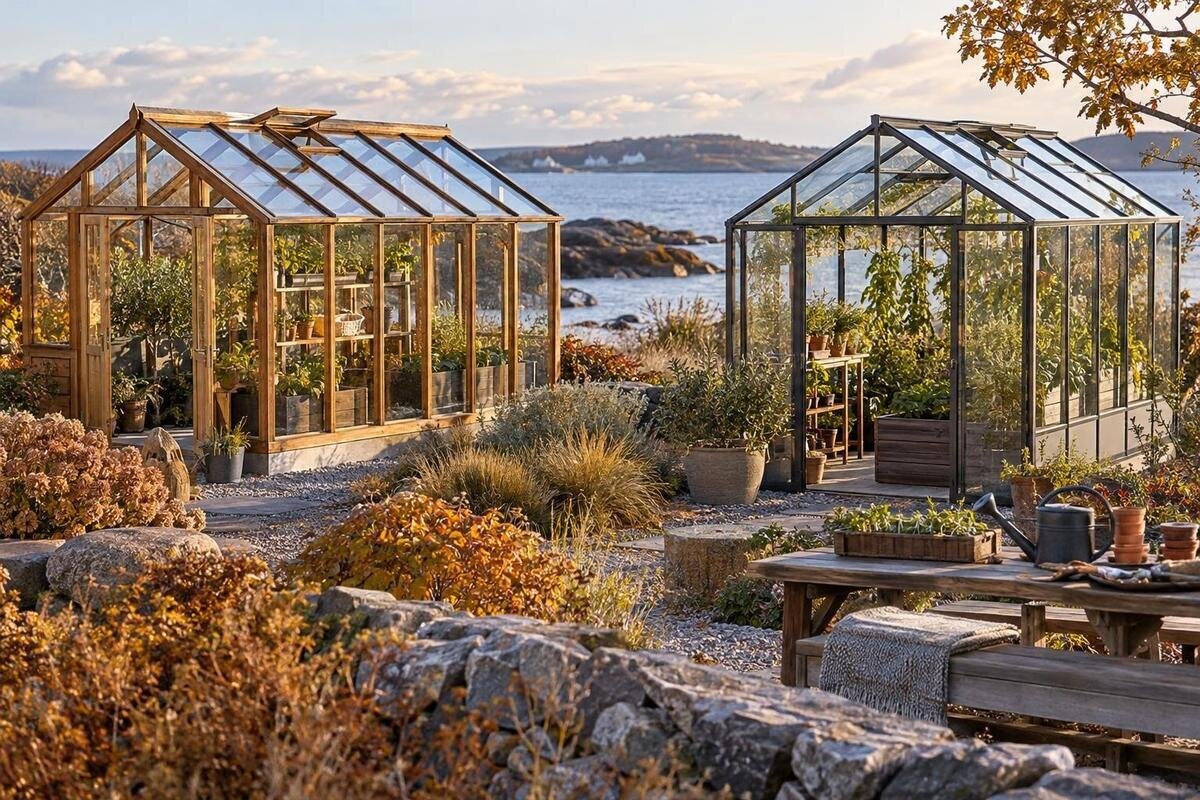
Greenhouse buying guide
Black Friday can make the headline price dominate the decision, but buying a wooden greenhouse also means understanding what is included and what care the timber will need. A lower figure is useful only when the models have comparable dimensions and components, the offer terms are clear, and you have allowed for the maintenance routine. Compare the current price with the total cost of buying, setting up and caring for the greenhouse over the period you expect to own it. The manufacturer’s instructions—not a general promise about wood—should determine the care estimate for a particular model.

Treat the Black Friday price as one part of the comparison
Black Friday is a shopping period, not evidence that a greenhouse is at its lowest price. Write down the model, configuration, current price and date shown for every candidate, along with the exact promotion wording. If you have an earlier price for comparison, confirm it refers to the same size and package; an amount from a different configuration can make an apparent saving look larger than it is. Check the live listing when you are ready to order, because saved adverts, search results and screenshots may not show current terms. If no offer applies to the model you want, compare its current price rather than assuming a seasonal discount.
Then work out the amount you would actually pay. Note whether the advertised figure includes the greenhouse components specified on the page, and add any stated delivery, assembly or site-preparation charges that apply to your order. Record exclusions or conditions, such as eligible models, required options or a promotion date, only when they are shown in the terms. A simple comparison sheet with columns for price, package, extra costs and offer conditions helps keep the headline amount in perspective. This is more reliable than comparing one product’s promotional price with another product’s starting price and calling the lower figure better value.
Compare the same greenhouse specification
A fair wooden greenhouse price comparison begins with a written specification, not the word wooden. Match the external dimensions and usable growing area, glazing type, frame details, base provision, door and vent arrangement, and whether shelves or staging are included. If a seller offers optional finishes or different packages, compare the same option on both sides. A model with a lower starting price may exclude items included in another listing, while adding those items later can change the total. Read the product page and any available assembly or care documents before deciding that one quote is cheaper.
If you want a second catalogue reference while making that comparison, inspect Bloomcabin Prestige greenhouse with metal base as a separate listing and record only the dimensions and components its page actually confirms. The model name alone does not establish matching dimensions, frame details or an identical package, so it should not be treated as a like-for-like price. This check is useful even when the alternatives differ: it shows which details are verified, which are missing and where you need to ask for clarification before comparing totals.
Check what the supplier says about the timber
Wooden frames are not one uniform specification. Ask for the timber species or stated grade, whether it is untreated or treated, what finish is used and which surfaces receive that treatment. Check whether the product information describes the wood as suitable for the intended greenhouse use, and whether protection is expected before assembly or during later ownership. If the seller uses general terms such as weather-resistant or pre-treated, look for an explanation of what they mean for this product and what care remains necessary. Do not infer treatment from a photograph, colour or product name.
Also find out which maintenance products, if any, are permitted, how often the supplier expects the finish to be inspected or renewed, and whether the guidance differs for cut ends, joints or surfaces close to the ground. Ask whether applying another coating could affect the manufacturer’s terms; do not assume any paint or preservative is suitable. If information is missing, request the written care instructions before purchase and keep them with the order details. A vague promise of low maintenance is not a substitute for knowing what work the owner is expected to do.
Estimate care from your actual garden conditions
Maintenance is shaped by where the greenhouse will stand as well as by the timber and finish. Look at the proposed site at the times of day and year that matter to you. Note direct sun, rain exposure, water from roof run-off or irrigation, nearby soil and vegetation, and whether you can reach the outside faces to inspect them. These observations help you ask more precise questions about the specified finish and any care guidance. They do not establish a universal treatment interval: use the supplier’s instructions for the particular model and the conditions it is intended to handle.
Where a listing gives care details, compare that evidence with your site notes rather than assuming every greenhouse needs the same attention. For another product page to assess against that checklist, see Bloomcabin Orangerie; confirm its construction and care information on the page, and keep those requirements separate from any wooden option. A comparison is useful only when the material and finish are known. If the page does not state them, ask the retailer instead of using the model name or image as a substitute.

Estimate the full cost of ownership
Choose a period that matches how long you expect to use the greenhouse, but do not treat that estimate as a confirmed lifespan if the supplier has not stated one. Add the purchase price to likely delivery and installation costs, the materials needed for the prescribed care, and a realistic allowance for your own time or paid labour. Include replacement components only where the supplier identifies them as relevant or you have a defensible estimate; do not invent a routine replacement schedule. For uncertain items, record a range or mark the figure as unknown so a single guess does not decide the purchase.
Keep any alternative greenhouse in a separate row. For example, the Glass Greenhouse Plus 385 page can be checked as another product reference, but its title does not establish that its dimensions, package or upkeep match a wooden model. Enter only details you can confirm and mark the rest as unknown. A lower current price can be recorded as a fact, but a longer-term comparison should wait until you understand the care work, supplied components and other costs relevant to your intended use.
Include assembly and site-preparation costs
A price comparison can miss costs that arise before the first planting. Review whether assembly is included, what tools or labour the seller expects, whether a base is supplied and what surface or preparation the instructions require. These are questions to answer from the product documentation; do not assume a wooden greenhouse arrives fully assembled or that a named base is included at no extra cost. If you may need a contractor, request a quote using the chosen model’s instructions and your site details, rather than comparing a fitted price with a self-assembly price.
The listing for T-model greenhouse orangery is a reminder to check exactly what the product page says about its base and installation scope before assigning costs. Its name does not establish what a wooden greenhouse needs; check the timber model’s own instructions separately. If preparation is site-specific, get the work scoped before ordering. That gives you a more useful comparison of complete project costs and reduces the chance of choosing a greenhouse on a product price that excludes work you will need to arrange.
Read the maintenance instructions before comparing
A low purchase price is less useful if the care requirements are unclear or difficult for you to meet. Find the manufacturer’s maintenance instructions and note the tasks, suitable materials, tools, access needs and timing it specifies. Look for directions on cleaning, inspecting joints and refreshing the timber finish where those tasks apply to the model. Check whether the guidance identifies visible signs that need attention, such as worn coating or moisture around a joint. If the instructions are unavailable, ask for them in writing; you need enough information to judge whether the routine fits your time and willingness to maintain the greenhouse.
Apply the same questions if you are comparing another format, such as the listing called Pyramid greenhouse for masonry bases. Its title alone does not say what care it needs or what is supplied, and it cannot answer timber-specific questions. Use the page as a separate candidate to investigate, not as a substitute for the wooden model’s instructions. For each option, note whether recurring work is likely to be done by you, a contractor or a specialist, then include that labour in your comparison rather than counting only the price of maintenance materials.
Check repair options and replacement parts
Ask what happens if an individual timber part, glazing panel, door fitting or other component is damaged. Can the supplier identify replacement parts and explain how to order them? Are repair instructions available, and could a local tradesperson carry out the work if needed? Answers vary by model, so do not assume standard dimensions or long-term parts availability. A written parts list and a clear route to support can reduce uncertainty when you compare products, even if you do not expect repairs soon. If the seller cannot confirm availability, record that as an unknown rather than assigning a made-up future cost.
Use the Aluminium Classic Greenhouse page as a comparison candidate only if you are genuinely weighing another greenhouse against the wooden option. Check its component information and care guidance independently; its name does not establish a service life, repair cost or maintenance advantage. For both choices, ask the same questions about replacement parts and labour, then compare what the seller can verify. This avoids assuming that a different frame material automatically removes upkeep or makes repairs simpler.

Verify the Black Friday terms before ordering
Include the conditions attached to the purchase in your Black Friday comparison. Read the current offer page for its start and end dates, eligible models or configurations, exclusions, payment terms and any restrictions on delivery or cancellation, where these are stated. Do not treat a countdown, banner or crossed-out amount as proof of value; compare the final price and terms for a comparable configuration. If a claim is unclear on the product page, ask for clarification before paying and keep a copy of the answer. This is particularly useful when an advertised offer appears separately from the greenhouse’s specifications.
The Aluminium Wall Greenhouse is another listing to assess, but do not assume it carries the same promotion terms as a wooden model or that either offer will remain active when you read this guide. Confirm the product price, offer wording, delivery conditions and available support information for the option you plan to buy. An offer is comparable only after its restrictions and full purchase costs are clear, not simply because its banner uses the same event label.
Choose an option you can maintain within budget
Bring the figures and care notes together. A wooden greenhouse may suit your needs when its purchase price, included specification and required upkeep fit both your budget and the time you can give it. A lower headline figure alone is not enough. Compare the best-supported total for your chosen ownership period and mark uncertain costs rather than smoothing them over. If a small price difference depends on an unclear finish or unavailable maintenance guidance, get that information before deciding. The aim is not to find a universally cheapest material, but to choose an option whose known costs and care duties are acceptable to you.
As a final cross-check, assess another product page, such as Limited Edition Aluminium Greenhouse, using the same fields for price, verified contents, care instructions and offer conditions. It is not a substitute for a timber quote, and its title alone cannot establish its maintenance needs or long-term costs. Once you have comparable facts, choose the greenhouse you can afford to buy and maintain, rather than the one with the strongest event wording. Keep the care instructions and order details together so the information used in your comparison remains available after purchase.
Frequently asked questions
Does Black Friday always mean a wooden greenhouse is cheaper?
No. The event label does not prove that a particular model is at its lowest price or that it is cheaper than a comparable option. Compare the current price for the same configuration, check the offer terms and include any extra costs before deciding.
What should I ask about the timber?
Ask which species or grade is specified, whether the timber is treated, what finish is applied and which areas it covers. Also request the care instructions, including which products are suitable and when the finish should be inspected or renewed.
How can I estimate wooden greenhouse maintenance costs?
Use the supplier’s instructions to identify the required materials, tasks and timing. Add realistic costs for supplies and labour, and consider the conditions at your chosen site. Mark uncertain items as estimates rather than assuming a fixed service life or replacement schedule.
Can I compare a wooden greenhouse with an aluminium or glass model?
Yes, provided you compare the same intended use and record each model’s verified dimensions, contents, price and care requirements. Do not assume that a different frame material automatically needs less upkeep or that the products include the same components.
Should I order if the care instructions are unavailable?
Ask for the instructions before making the decision. Without them, you cannot reliably judge the maintenance routine or include its costs in your comparison. If the information remains unclear, treat that uncertainty as part of the buying decision rather than filling the gap with a guess.
A considered Black Friday purchase is based on more than the event price. Match the greenhouse specifications, confirm what the offer includes and use the manufacturer’s instructions to estimate timber care, supplies and labour. If a detail affects the total but is missing from the listing, treat it as an open question rather than guessing. That gives you a clearer view of the initial cost and the ongoing work, so your choice can suit both your garden plans and the budget you intend to keep.
