
Your First Greenhouse: What to Buy Now and What Can Wait?
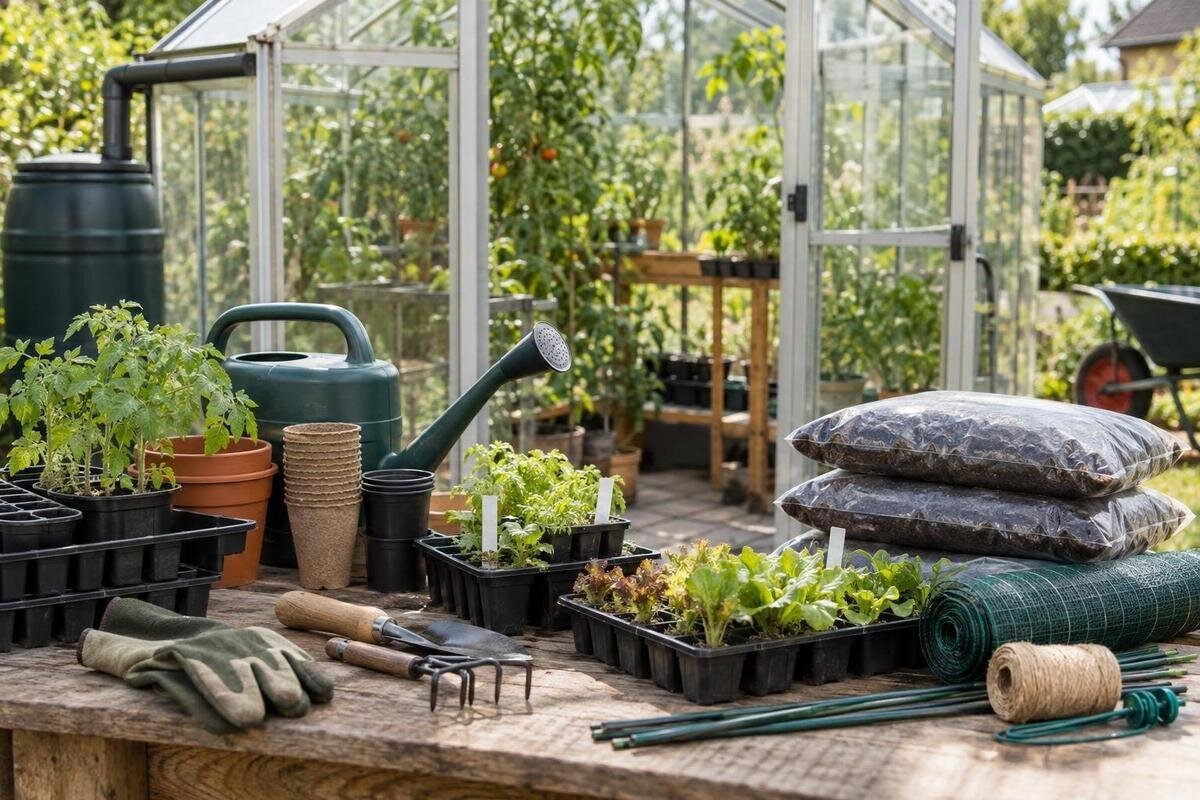
First greenhouse
Buying a greenhouse is only one part of setting up to grow under cover. A first season can become expensive if every appealing accessory is bought before you know which crops you will grow, how you will water them and how much time your routine allows. The useful question is not which kit is universally essential, but which item removes an immediate bottleneck in your own plan and which can wait until you have used the space. This guide separates the structure from the equipment you supply, sets out what to prepare before planting and identifies upgrades to defer until a real need appears.

Before you buy 1
Separate the greenhouse structure from its equipment
Treat the greenhouse structure and growing equipment as two related budgets, not one assumed package. A product image or model name is not an accessory checklist: check the exact configuration and order details to find what is included. When comparing a Limited Edition Aluminium Greenhouse with other options, record the selected configuration alongside any equipment you would need to buy separately. Read those details before adding shelves, fittings or other extras, and mark what you already own. This distinction matters even if you plan to buy everything together, because an unused duplicate still reduces the money available for first-season supplies.
Separate the structure and selected options, existing equipment, supplies needed before planting and possible upgrades on your list. For every new item, name the task it will perform: carrying water, sowing seed, supporting a plant or checking conditions. Ask whether that job is required for your crop and growing method, and whether something you already own can do it adequately. Separate consumables, such as seed, growing medium and labels, from durable tools so you can buy a suitable first batch without accumulating spares. Check pack details where fit or compatibility matters; descriptions and photographs are not a substitute for the included-items list. This inventory keeps a general greenhouse checklist from becoming an order for gear you will not use or cannot store.
A crop plan makes the supply list specific
Before shopping, name the crops, the number of plants and whether each will be raised from seed or bought as a seedling. A handful of potted crops has a different supply list from a larger planting started in trays; quantities should follow your plan. Note intended sowing and planting periods using guidance for the particular crops and conditions at your site, rather than treating a generic month-by-month list as universal. Choose a manageable first mix: a few familiar crops make it easier to see how much watering, pruning and harvesting your routine involves. If comparing a structure such as the T-Model Orangery Greenhouse, use the published dimensions of the exact option to assess planting and working space; the model name itself does not establish what will fit.
Turn each crop into a short task list: sow, transplant, water, support and harvest. That makes conditional purchases visible: seed trays are useful if you are starting seeds; ties are needed only for crops that require support; extra pots depend on whether you are growing in containers. Cross-reference these jobs with the tools you already have and choose quantities for the first planting, not an imagined full-capacity greenhouse. If a later sowing requires something different, buy it nearer the time, once you have confirmed the crop and number of plants. This gives you a supply list tied to dates and actions, rather than an assortment bought because you assume greenhouse growing requires it.
Before you buy 2
Have a workable watering method ready
Watering is a core task, but there is no single piece of hardware every beginner needs. First establish that water can reach every planned bed or pot without carrying it awkwardly through a crowded route. Check the tap, any hosepipe and fittings you already own, the actual reach and where the hose will be kept; verify connection details before buying adapters. A watering can may be practical for a small container plan, while a hose with a suitable nozzle or rose may suit another layout. These are alternatives, not a reason to purchase all of them. If you are considering a Pyramid Greenhouse, include the route from your water source when planning its position and growing layout.
Decide how you will judge when to water as well as how to deliver it. Check the growing medium and the crop's guidance rather than following a rigid schedule copied from another garden: containers and beds can behave differently, and conditions change. For the first few weeks, make a brief note of watering and what you observe; this gives you a basis for adjusting frequency without immediately adding timers or sensors. If you want drip irrigation, confirm that it suits your planting arrangement and available connection, then buy only the parts needed for the first area. A timer can automate timing, but it cannot correct a poor layout, an uncertain water source or an unsuitable watering interval.
Match containers and propagation equipment to your method
Choose ground beds, containers or a combination before buying pots and growing medium. If the plan is to grow in the ground, a stack of pots may be unnecessary; if plants will be grown in containers, suitable containers and medium are part of the basic setup. Match their size and quantity to crop guidance and the number of plants, rather than buying a mixed collection for hypothetical future crops. Check how much you need for the first batch and where you will store it: bags, unused pots and trays can take up space. Buying enough for the first planned sowing or planting, then reassessing before the next batch, keeps supplies connected to actual use.
Propagation equipment depends on how you plan to start your plants. If you are raising seedlings from seed, appropriate trays or small pots, labels and a suitable growing medium may be needed; if you plan to buy seedlings, these purchases can wait. A heated propagator, a large seed collection and a dedicated potting bench are not default requirements for a first greenhouse. Allow space for any trays without obstructing watering or access, and check their dimensions against the surface you intend to use. If you are considering a Limited Edition Aluminium Greenhouse with Storage, check the storage dimensions against the pots, bags and tools you need to put away before ordering separate storage.
Before you buy 3
Keep tools and temperature monitoring simple
Keep the hand-tool list short and tied to regular jobs. A hand trowel can help with potting and planting; clean secateurs are useful where the crops need pruning or harvesting. You may already own suitable versions, so inspect them before buying a set with duplicates. Add labels and a waterproof pen if you are starting several varieties: recording the crop and sowing date prevents a tray of similar seedlings becoming a guessing game. Buy specialist tools only when a particular task calls for them. A crate or hook can keep your tools together if your current storage makes them hard to find, but it need not be a permanent addition to the greenhouse.
One basic thermometer is a useful early purchase because it gives you a consistent way to observe how conditions change in the greenhouse. Read it in the same position and note readings alongside the weather and how the plants respond; a single number has little value without context or the crop's own requirements. You do not need an elaborate set of sensors to begin learning. Remote readings, humidity records or extra probes can wait until a decision depends on information your basic thermometer cannot provide. When budgeting for a Prestige Greenhouse, allow for these basic growing tools before allocating money to additional monitoring equipment.
Buy supports and pest barriers for specific crops
Buy supports only when a planned crop calls for them. Check the seed packet, plant label or reliable crop guidance to see whether a plant climbs, sprawls or benefits from staking, then select ties, clips or stakes to suit its growth and your layout. You can often postpone these purchases until plants are ready to be trained, which lets you buy a sensible quantity rather than a bundle for a crop you might not grow. Sketch where supports will sit and leave access for picking, watering and pruning; foliage changes the usable space as it grows. A support that blocks a path or is unsuitable for the task is not a useful saving.
For pest barriers, identify what you need to keep out before buying. Inspect new plants and leaves regularly, noting what you actually see instead of buying traps or netting without knowing what they are meant to address. A physical barrier may suit a known pest, but its mesh and placement must suit the crop and leave the access and airflow it needs. When planning supplies for a Spacious Greenhouse, base quantities on the area you will plant first, rather than buying enough to cover every possible future bed. Avoid stocking treatments as insurance. If a pest appears, identify it and follow the product label or get suitable horticultural advice before choosing a remedy.
Before you buy 4
Wait for evidence before buying climate accessories
Climate accessories are easy to overbuy because a greenhouse can feel hot, bright or still at different times. Conditions depend on the site, weather, structure and crop, so do not assume shade cloth, a fan, a heater or an automatic opener is always needed. Observe the actual space at different times and compare what you notice with the crop's requirements; a brief record is more useful than a single impression. If plants show signs of stress, check possible causes before ordering equipment: watering, exposure, airflow and crop requirements may all be relevant, and one accessory may not address the cause. Use reliable crop guidance when deciding what response is appropriate.
Shade cloth may be useful where the crop and observed exposure call for it, but confirm that the product suits the installation and will not obstruct access or ventilation. Heating is a more consequential, crop- and site-specific choice with ongoing running costs; discuss any electrical or other installation with a suitably qualified professional rather than improvising. Fans and automatic controls also require checks for compatibility, power access and operating limits. If you are comparing options in the aluminium greenhouse range, record which climate accessories are included, optional or separate purchases. Leave additional equipment out of the starter budget unless your crop plan or observations give you a clear reason to buy it.
Add storage and work surfaces after testing the layout
Benches, shelving and storage can improve workflow, but they do not need to fill the greenhouse before the first crop goes in. Decide where plants will be grown and where you will stand, water and harvest. Keep paths and the areas needed to reach plants clear. If it works for your setup, try an existing crate or temporary shelf first and notice what is awkward: tools left behind, trays without a suitable surface or supplies exposed to water. These observations identify a specific addition, unlike the vague aim of making the greenhouse look complete.
Before buying a bench or extra shelving, check its dimensions and position against the selected greenhouse's actual layout; leave access to doors and ventilation openings. For a Lean-to Greenhouse, as for any other layout, use the dimensions of your chosen configuration rather than estimating space from a product photograph. Include the containers and trays that will occupy each surface, not just the furniture itself. Also decide which supplies need to be within reach while you work and which can stay in existing storage elsewhere. Add one surface or storage item after trying the layout if it solves a specific problem, rather than furnishing every available space at once.
Before you buy 5
Use automation to solve a defined task
Automation is worth considering when it solves a repeatable job, not simply because it is available. Before buying a timer, irrigation controller, remote sensor or automatic climate control, write down what task it will take over, what starts and stops it, and how you will notice if it fails. Check the manufacturer's instructions for compatibility, water or power requirements, operating limits and maintenance. A timer cannot provide water when the source is unavailable; a sensor can report a reading but does not decide which response suits a crop. Carry out the routine manually at first where practical, so you understand what the system is meant to reproduce and what still needs a person.
Compare the full purchase with the task it would save. For a watering timer, include any fittings needed to connect it; for remote monitoring, consider who could respond to an alert. Check what maintenance remains and which jobs you would still do by hand. This helps you compare an upgrade with keeping your current method, rather than judging it only by its advertised convenience. Note which tasks are repeatedly missed or awkward, then rank possible purchases by the problem they would address. A line in a notebook or phone is enough; a detailed diary is not essential. If you cannot explain what an item will change, leave it on a wish list until you have more experience with the greenhouse.
A staged budget for the first season
Give purchases three timings. Have the crop-specific basics ready before planting: seeds or seedlings, containers and growing medium if required, a workable watering method, labels, a few hand tools and a way to observe temperature. Add conditional supplies before the crop needs them, such as supports for climbers or trays if you decide to raise seed. Defer convenience upgrades such as extra shelving, multiple sensors, a dedicated potting bench or automation until your layout and routine provide a reason. This is a sequence, not a universal bundle: equipment you already own, growing in the ground and conditions at your site can shift an item forward or remove it entirely.
Before paying for any item, ask which crop or task it serves, whether that task belongs to the first planting, whether you already own an adequate version and whether you have checked details that affect fit or compatibility. If the answers are vague, wait. Keep a simple record of each item's purchase date, first use, task and how often it was useful, alongside any problem that remained. Your notes are an honest record of your own setup, not a guarantee that another grower will have the same needs. After the growing period, retain equipment that solved recurring jobs, replace what failed or ran out, and consider one upgrade at a time. The first season is a trial of the plan, not a test of how many accessories you can accumulate.
Frequently asked questions
What should I have ready before planting in a greenhouse?
Have a crop plan, seeds or seedlings, and a workable way to water. Add suitable containers and growing medium if your method requires them, plus labels, a few useful hand tools and a way to observe temperature. Check the exact greenhouse package so you do not buy equipment twice.
Are seed trays essential if I am buying seedlings?
Not usually. If you will not be raising plants from seed, trays and propagation equipment can wait. Buy only the containers and growing medium needed for the way you plan to grow.
Do I need an automatic watering timer from the start?
No. First establish a reliable water source and a watering method that suits your plants. A timer may be useful later if you have a repeatable routine it can handle, but it cannot solve an unreliable supply or an unsuitable watering schedule.
When should I buy supports or shade cloth?
Buy supports when your chosen crops need them, and shade cloth when observations and crop guidance point to a need. Check that the item suits the intended use and installation rather than buying it as a precaution.
Which greenhouse upgrades can wait until I have more experience?
Extra shelving, a dedicated potting bench, several monitoring devices and automation often can wait. Use the greenhouse for a while, note recurring problems and choose an upgrade that addresses one of them.
The most useful first-season list is usually shorter than the full greenhouse catalogue. Verify what is included in the selected structure, decide what you will grow and prepare only for the first planting. Have water, growing medium and containers where needed, labels, basic tools and a way to observe temperature ready; add supports or propagation gear when your chosen crops call for them. Let experience show whether shelving, a timer or a climate accessory would solve a real problem. Then each upgrade earns its place through use.
