
Disinfecting a Greenhouse After a Serious Plant Disease Outbreak
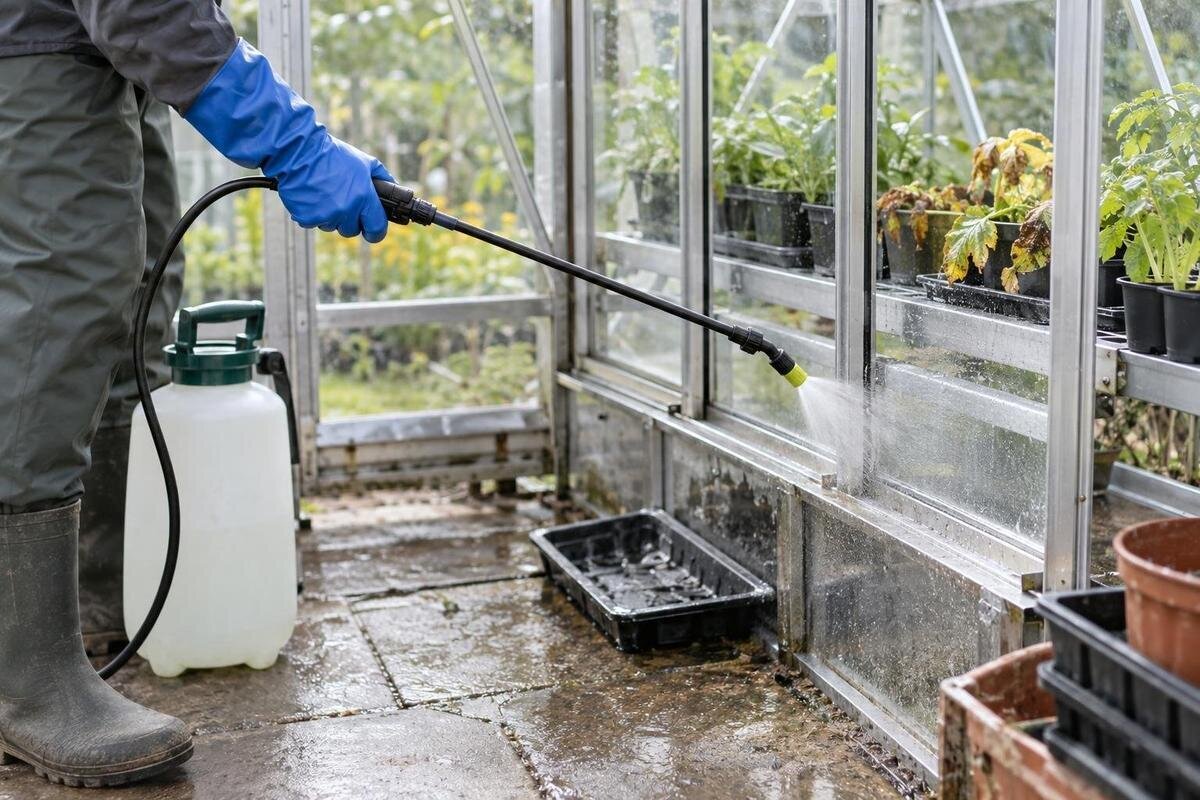
Greenhouse hygiene after a disease outbreak
After a serious plant disease outbreak, a routine wash-down is not enough. The response depends on what caused the symptoms, where the pathogen can persist and which surfaces can tolerate a treatment. Cleaning removes soil and plant residue; disinfection targets a specified organism on a non-living surface. Using a product without confirming both its target and material compatibility can leave the source untouched or damage greenhouse components. This guide sets out a cautious order of work, from containment and diagnosis through to reopening and prevention.

01
Identify the pathogen before selecting a treatment
Symptoms are clues, not a diagnosis. Wilting, leaf spots, stem lesions, rotting or sudden collapse can have several causes, including different diseases and non-infectious growing problems; similar signs do not prove that plants share one pathogen. Record the crop and variety, when symptoms began, which plants were affected first, the pattern across benches, recent watering or feeding changes and any recent introductions. Photograph the whole plant and close views of affected tissue, together with apparently healthy plants nearby. Ask a qualified horticulturist, plant pathologist or diagnostic service whether confirmation is needed and how to collect a sample. Do not send or move plant material without following the service’s sampling and packaging instructions. Avoid applying a broad-spectrum product as a test: it can obscure useful evidence without resolving the cause.
Identification matters because both the target and its likely hiding places differ. A pathogen may persist in plant debris, roots, growing media, water, tools or on a surface; these are not interchangeable reservoirs. Fungi, oomycetes, bacteria and viruses are different groups, and a method useful for one may not control another. Ask the adviser to specify likely survival points, the cleaning order, treatment supported for that pathogen, suitable surfaces, disposal and any restrictions on re-entry or planting. If the diagnosis remains uncertain, keep the area contained and follow cautious professional advice rather than assuming visible cleanliness means the outbreak is over.
Contain the outbreak while it is investigated
Until the cause and route of spread are clearer, pause movement of plants, seedlings, pots, growing media, tools and waste out of the affected zone. Mark suspect benches or bays on a simple plan, and keep unaffected stock physically separate where practical. Work from apparently healthy areas towards affected ones, not the other way round; use dedicated equipment if possible and clean hands, footwear and reusable tools between zones as advised for the suspected pathogen. Keep a short record of who entered and what was moved. This is not a substitute for diagnosis, but it reduces avoidable transfers while you prepare a response.
Avoid creating splash or runoff that carries contaminated soil or plant material into clean beds, drains, paths or water storage. If irrigation water, recirculation, drainage or a shared tank may be involved, tell the specialist before flushing or treating it: an improvised wash could spread contamination or interfere with diagnosis. Keep waste in a controlled holding place until its disposal is confirmed. A makeshift footwear bath is not a universal control; use one only if the adviser identifies a suitable method and explains how it should be maintained. Where people must enter, limit traffic and make the clean and suspect zones clear to everyone working there.
02
Map likely reservoirs and surfaces
Survey the greenhouse after movement is controlled. Sketch the growing area and mark the first symptomatic plants, later cases and the routes of people, water, tools and harvested material. Note surfaces and fixtures that may need attention: benches, trays, floor edges, door tracks, corners, glazing supports, gutters, drains, fans, hose points, storage and the undersides of staging. Record whether each item is hard, porous, cracked, painted, sealed or difficult to reach; the correct treatment may differ by material. Keep known, suspected and not-yet-assessed areas distinct. A labelled set of photographs is more useful than a general note saying that the greenhouse was cleaned.
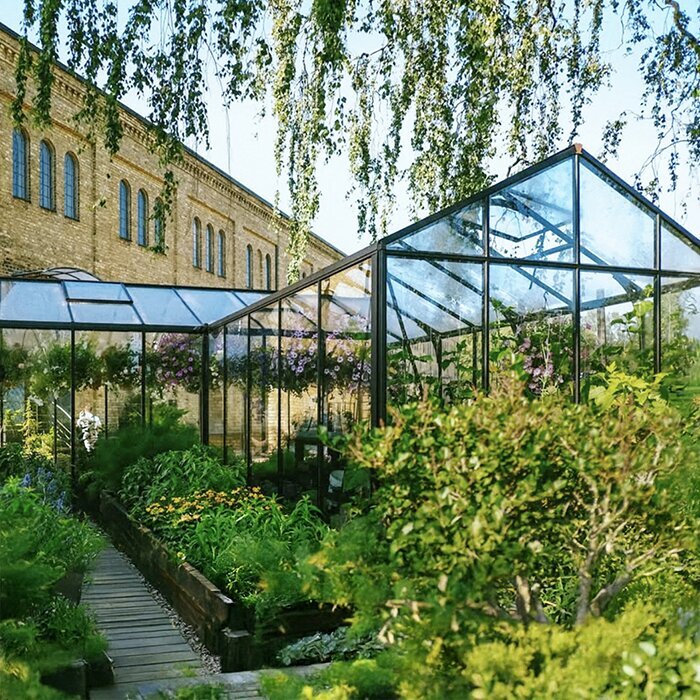
Use the map to separate removable items from fixed surfaces and to identify reservoirs suggested by the diagnosis. Do not call a section clear merely because no symptoms are visible; equally, do not assume every frame or pane is contaminated if the disease pathway points elsewhere. If the structure or an inaccessible surface may need replacing, record the current footprint and access before comparing models. The Limited Edition Aluminium Greenhouses range is listed from 3.77 m² to 28.08 m². Compare the exact plans and specifications with your site measurements rather than relying on floor area alone.
Remove affected plants and growing media
Remove affected plants and loose organic matter in the order recommended for the diagnosed problem. Avoid shaking roots or sweeping dry residue into the air; place each batch in suitable closed containers or bags if the disposal guidance calls for them, and keep it away from clean stock and the garden until its destination is clear. Include fallen leaves, roots, fruit, clips, ties and contaminated plant labels where relevant. Do not leave a pile beside the greenhouse while cleaning. If a diagnostic service still needs a specimen, set it aside only as that service directs and keep it separate from waste.
Growing media and soil need a separate decision from the benches above them. If a soilborne pathogen or contaminated substrate is suspected, do not reuse it, tip it onto another bed or wash it towards a drain unless pathogen-specific advice confirms a safe route. Remove containers without spilling their contents; segregate them for cleaning, approved treatment or disposal. Composting, green-waste collection and ordinary refuse may not be suitable for every disease, so check local waste and plant-health advice. Once the growing area is empty and affected material is out, measure the cleared site afresh if replacement is being considered. The T-Model Orangery Greenhouse listing covers 16.52 m² to 30 m²; compare verified specifications and installation requirements with the site, not area alone.
03
Remove residue before disinfecting surfaces
Physical cleaning comes before most surface disinfection because soil, sap, algae and plant residue can shield organisms or affect a treatment. Follow the greenhouse and equipment care instructions: remove loose debris with a method that captures it, then wash compatible hard surfaces using a cleaning method allowed by the manufacturer. Work systematically from high points to low points and from cleaner areas towards dirtier ones, using fresh cloths or wash water as needed. Pay attention to seams, bench joints, floor-wall edges, tracks and undersides, where residue is easy to miss. Prevent wash water from crossing into clean areas or drains that have not been assessed.
A rinse, drying period or repeat wash may be necessary before disinfection, but the product directions and material instructions determine the sequence. Change cloths and water often enough that you are not spreading residue from one zone to another. Avoid forceful washing that drives dirt into joints or splashes it onto untreated surfaces, and do not use abrasive pads or solvents simply because a mark remains. Record areas that cannot be reached or cleaned. If a surface is cracked, porous or damaged so the specialist cannot recommend an effective compatible treatment, replacement of that item may be more realistic than repeated washing. If the enclosure itself needs replacing, the Pyramid Greenhouse listing includes options from 5.53 m² to 18.9 m².
Match the treatment to the pathogen and material
Select a disinfectant or other treatment only after the pathogen and contact surface are known. Confirm that the product label permits the intended use and that the horticultural advice supports it for the identified pathogen. Follow the stated preparation, application, contact time, rinsing, disposal, ventilation, protective equipment and re-entry instructions. Where the label requires a specified wet contact time, maintain coverage for that period; do not guess or borrow a concentration or dwell time from another crop, pathogen or product. Never mix cleaning products or disinfectants, and do not assume a household cleaner, plant spray or water treatment is suitable for greenhouse surfaces.
Check compatibility for each material, including glazing, frames, coatings, seals, timber, concrete, plastics and electrical equipment; a product acceptable on one surface may damage another. Consult the greenhouse manual and component maker before application, and test a small hidden area only if both sets of instructions allow it. Do not assume sunlight, heating or steam will disinfect every surface; any such method needs pathogen-specific advice and must be suitable for the materials. When planning a replacement, consider separately where clean tools and incoming plants will be kept. The listing for Limited Edition Aluminium Greenhouses with Storage can be reviewed for its specified configuration, but check the model details and do not treat storage as a hygiene guarantee.
04
Handle pots, tools and irrigation separately
Treat reusable pots, trays and hand tools as separate work items, not as an afterthought to washing the greenhouse. Empty pots without scattering old mix, remove soil and plant residue first, and sort items by material and condition. A product suitable for hard surfaces may not suit a potting tray or hand tool, and a porous or cracked container may be impossible to treat reliably by the recommended method. Follow pathogen-specific advice on whether to clean, disinfect, replace or discard each item. Keep clean batches covered or in a clearly marked area, and do not return a treated item to a dirty bench.
For pruning tools, remove debris and use a method intended for that tool and disease; clean between suspect plants or work zones as the advice requires. Keep shared hoses, filters, tanks and irrigation lines on the list if water is a possible route, but use their manufacturer instructions and a specialist-approved process before flushing or applying anything. Do not immerse powered equipment or allow treatment into controls, plugs or motors. If equipment or the greenhouse must be replaced, allow space for tool storage and separate areas for handling clean and suspect items before comparing footprints. Bloomcabin Prestige Greenhouse models are listed from 3.77 m² to 28.08 m², but the usable workspace depends on the layout.
Assess the structure before repairing or replacing it
Assess the fixed structure without dismantling it. Contaminated debris may be present around benches, fasteners, seals, glazing edges, drainage channels or service fittings, but the likely reservoirs depend on the diagnosis. Check the manufacturer’s manual for permitted cleaning methods and whether any component can be removed safely. Do not scrape, drill, lift glazing or alter frames to reach a suspected contaminated area; glass and structural work should be assessed by a qualified installer. Ask the plant-health adviser and installer to coordinate where treatment might damage components or where a panel, seal or fitting cannot be accessed for cleaning.
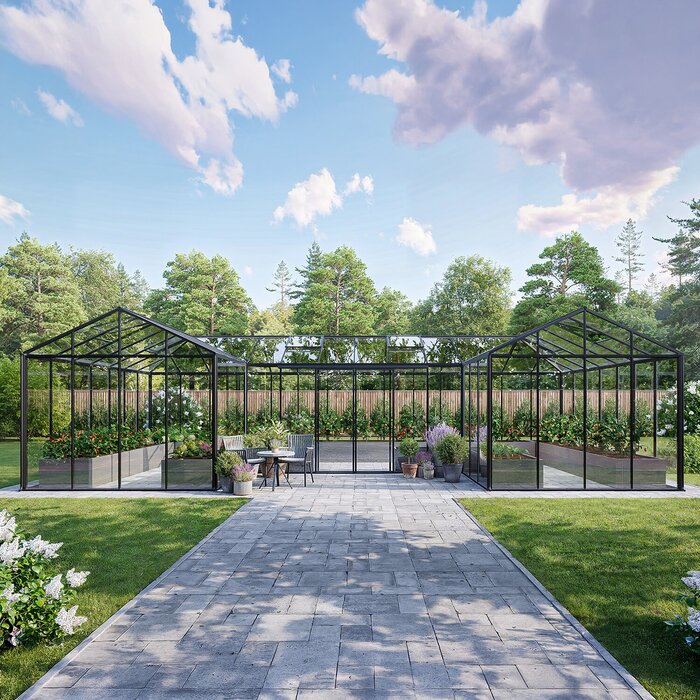
Replacement need not mean replacing the whole greenhouse. A removable pot, bench cover, irrigation part or small fitting may be the only item that cannot be treated, while the rest of the structure may remain usable after a compatible plan. If a part needs replacing, use the greenhouse model information and exact spare-part identifiers, and ask an installer to review glass or structural work. If a known reservoir lies inside material that cannot be cleaned safely or treated reliably, get advice on replacing that component or, only if justified, the enclosure. The Spacious Greenhouse range is listed from 47 to 70 m²; use its specifications and installer assessment to check footprint and access, not to infer cleanability from size.
05
Check cleaning and treatment before reopening
Before reintroducing plants, confirm that the planned cleaning and treatment were completed on every identified surface and item. Keep a written log of the disease advice, areas treated, products and batches used, application dates, label contact times, any rinsing, waste route and instructions for ventilation or re-entry. Check that residues, standing water and used cleaning materials have been handled as specified. A visual check helps identify missed debris, but it cannot prove that a pathogen has been eliminated; smell, dryness or a shiny surface is not a test of disinfection.
Follow the product label and specialist’s instructions for when people may enter and when crops may return; there is no universal waiting period for every pathogen, treatment and material. If an inspection, test or staged return has been recommended, complete it before bringing in a full new crop. Keep new stock separate from any remaining suspect plants and monitor it using the diagnosis-specific plan. If the review concludes that the existing enclosure is not practical to restore, the Aluminium Greenhouses listing covers models from 3.77 m² to 28.08 m². Use the assessment of the existing structure to identify the requirements for a replacement.
Build a hygiene plan for the next crop
Turn the response into a short hygiene plan for the next crop. Set out who checks incoming plants, how suspect plants are isolated, which tools stay in each area, how pots and benches are cleaned between crops, where waste is held and who records treatments. Use clean planting material and fresh media where the adviser recommends them, and check irrigation, drainage and watering practices if they were implicated. Keep a simple record of crop, source, symptoms and dates so a recurring pattern can be recognised earlier. Brief everyone who works in the greenhouse on the clean and suspect zones and what to do if symptoms return. The plan should reflect this pathogen and greenhouse, not a generic calendar copied from another crop.
Before any future purchase, write down the work zones, access needed for washing, places for clean and used items, water route and the surfaces you will be expected to maintain. Then check complete drawings, care instructions, components and installer advice; a product title or floor area cannot establish whether the layout will support your routine. The Lean-to Greenhouse listing gives a size range of 3.69 m² to 14.34 m², which can inform a footprint comparison once the site and format have been assessed. Treat the choice of a new greenhouse and the pathogen-specific clean-up as separate decisions.
Frequently asked questions
Is washing the greenhouse the same as disinfecting it?
No. Washing removes soil and plant residue; disinfection is a separate treatment intended for a particular pathogen on a suitable non-living surface. A surface can look clean without being disinfected, and a disinfectant may not work properly if residue remains.
Can I use bleach or a household disinfectant?
There is no universal recipe for every plant disease or greenhouse material. Check that a product is suitable for the intended use and surface, and get pathogen-specific advice before applying it. Follow its label and the greenhouse manufacturer’s care instructions; never mix cleaning products.
Can I reuse the growing medium after an outbreak?
Do not assume it is safe. If the pathogen may persist in soil or growing medium, ask a plant-health professional how to handle it and where it can be disposed of. Avoid reusing or moving suspect material until you have that advice.
How long should I wait before planting again?
There is no single waiting period for every pathogen, treatment and greenhouse. Follow the product’s re-entry instructions and the specialist’s plan for drying, checks or monitoring before introducing plants. A dry surface or a clean appearance alone does not confirm that it is safe to restock.
Does a serious outbreak mean I need a new greenhouse?
Not necessarily. A disease outbreak does not by itself show that the structure needs replacing. A hard-to-clean item or component may need separate attention, while the rest of the greenhouse may be treatable. Get advice if a suspected reservoir cannot be reached or treated safely; a replacement does not clean the site, water system or equipment left behind.
Recovery is a sequence: identify the cause, stop its movement, remove likely sources, clean, then use a material-compatible treatment supported for that pathogen. Keep the records and do not rush to restock. A careful return guided by the diagnosis is more useful than repeating a generic wash after the next outbreak.
