
Can You Manage a Greenhouse With Weekend Visits Only?
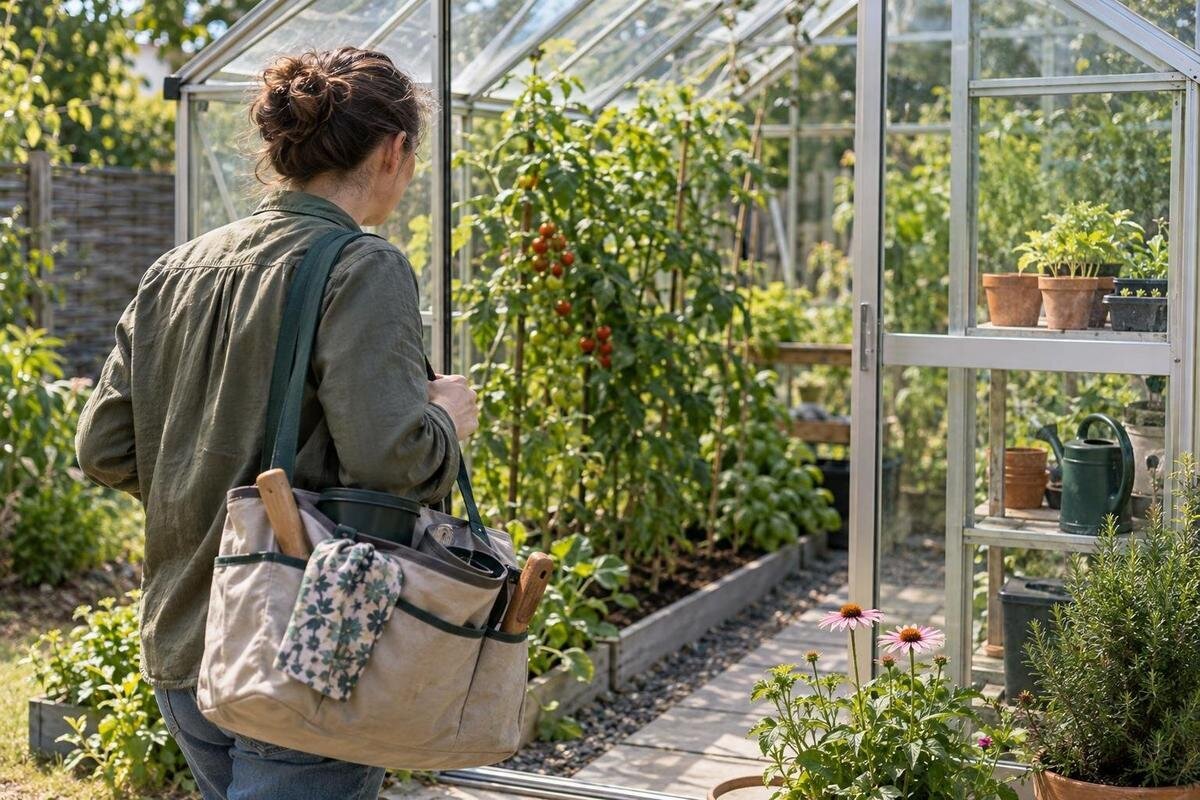
Greenhouse ownership planning
Weekend-only greenhouse care is possible, but only when the plants and systems are chosen for the gap between visits. The question is not simply how much time the greenhouse takes on a Saturday; it is whether water, ventilation, harvesting and checks can wait until the next visit. This guide helps you test that plan, identify where backup matters and decide when a midweek contact is essential before you fill the space.

Weekend visits can work with a manageable growing plan
Yes, but a weekly visit is a boundary for the growing plan, not a guarantee that plants need attention only once a week. Established crops, a dependable water routine and functioning ventilation may leave more room between checks than seedlings, freshly planted crops or an unexpected equipment fault. The gap may also stretch if a public holiday, illness or weekend away interrupts your usual visit. Base your decision on the longest absence you are likely to have, not an ideal visit-to-visit week. A plan that only works when every component behaves perfectly leaves no margin for error. Keep the first season small enough to inspect every plant and reach each control.
Before choosing a size or kit, list which tasks are needed daily, which need attention every few days, and which can wait until a weekly visit. Then compare that list with who can act while you are away. A layout or model’s floor area is only a starting point: include planted area, access, water supply and the number of plants you can inspect. The Lean-to Greenhouse listing spans 3.69 m² to 14.34 m²; use the exact configuration you are considering when drawing your plan, rather than assuming every square metre will be under cultivation. If a task has no workable midweek solution, change the crop plan or arrange help. Separate routine maintenance from emergency response.
Choose crops around the days you are away
Select crops by how they respond to a missed watering, an extra day before picking and a period without pruning or training, rather than by appearance alone. Newly germinated seedlings and recent transplants generally need closer observation than established plants. Fruiting or climbing crops may require tying, pruning or repeated picking, while some leafy crops and herbs may tolerate longer intervals between harvests. The exact workload depends on variety, season, growing medium and conditions. A crop with a short harvest window may be ready before your next visit, whereas one that needs regular tying may outgrow its support. Check crop-specific guidance and your own experience; there is no universal easy-crop list.
Keep the first planting selective. Avoid sowing all your seedlings or filling every available bed at once, because a whole batch may need water, transplanting or harvesting at the same time. Leave an unplanted section while you learn how quickly pots, beds and trays dry in your greenhouse. Compare your planting plan with the chosen footprint: the Limited Edition Aluminium Greenhouses are listed from 3.77 m² to 28.08 m², but the range does not define a suitable crop load. Count paths and working space, then decide how many plants you can reach and check on each visit. Keep quantities small enough to fit the time you have to harvest and use the produce.
Test irrigation across the full gap between visits
Water demand changes with weather, ventilation, plant size, containers and stage of growth. A timer setting that looks adequate during a cool spell may not cover a hot, dry interval, and a wet surface does not prove that water is reaching every root zone. At a weekend visit, inspect the growing medium at the depth that matters to the crop and compare more than one area, including near and far points. Check trays separately if you use them, as their growing medium and volume can affect how quickly they dry. Keep notes about what has dried and what stayed wet; use those observations to adjust instead of relying on a generic estimate.
If you use drip lines, a timer or another watering aid, test it over the full period you expect to be away. Check that each planted area receives water, that the source remains available, and that connections or outlets have not shifted or blocked. Confirm with the supplier that any controller suits your water supply and power arrangement; do not assume one product works with every setup. The T-Model Orangery Greenhouse is listed from 16.52 m² to 30 m². For any chosen footprint, draw the water points and planting zones before treating irrigation as covered; the listed area is not an irrigation specification. Repeat the test after changing the layout or equipment.
Build a backup for water interruptions
An automatic system has failure points: the supply may be interrupted, a tank may empty, a timer may stop, or an outlet can become blocked. A larger reservoir by itself does not prove that plants will be watered evenly or for long enough. Plan how you will notice a failure and who can respond, not only how much water you hope to store. Try the arrangement while you are home, and recheck it after changing a hose, timer, crop layout or water source. Decide which visible sign, such as an empty reserve or a dry bed, should trigger a call. A warning is useful only if someone receives it and can act.
Keep backup practical: identify an accessible tap or reserve, leave a clear note for the person checking, and decide when they should contact you. A reserve must suit the actual watering method and be maintained; it is not useful if it is empty, disconnected or cannot deliver water to the plants. The Limited Edition Aluminium Greenhouses with Storage listing identifies built-in storage and gives sizes from 5.52 m² to 28.08 m²; that description is not a water-storage specification. Treat space for tools and irrigation capacity as separate questions, and check the selected configuration and watering equipment individually. If nobody can respond to a failure, reduce the crop load rather than relying on reserve capacity alone.

Treat ventilation as a separate job
Water is only one midweek risk. A greenhouse can warm rapidly in direct sun, so ventilation needs separate attention. At your site, notice when sun reaches the structure and how temperature and wind change across the season; check during the warmest part of the day, not only on a cool morning. Find out what openings are available in the configuration you plan to buy, how they are operated, and whether plants or stored items could obstruct them. Do not assume the arrangement will respond to every hot spell or equipment fault without inspection. A monitor can show a change, but someone still needs to respond if an opening is blocked.
Before a long gap, confirm that vents and doors intended for ventilation move freely and remain in the position your plan requires; follow the product instructions for any mechanism. If an automatic opener is part of your plan, test it and understand its maintenance needs rather than assuming it is fail-proof. Avoid relying on an improvised arrangement that compromises security or exposes the interior to conditions you have not assessed. The Pyramid Greenhouse listing spans 5.53 m² to 18.9 m². Area alone says nothing about the openings or ventilation capacity of a selected configuration, so verify those details instead of inferring them from photographs or the model name.
Arrange a midweek check
Arrange a midweek contact if an unattended fault could quickly harm the crop or leave the greenhouse unsafe. Ask a neighbour, family member or gardener only with their agreement, and make the request specific: which day to visit, how much time to allow, where the water controls are, what conditions to expect and how to reach you. Keep instructions straightforward, with a way to report what they see rather than asking them to diagnose a fault. A named person and a simple visit plan are more useful than assuming someone will notice a problem. If access is difficult, discuss that before the growing season and agree on an alternative contact if your first choice is unavailable.
Write a short checklist around visible signs: whether plants look markedly wilted, whether the watering source is flowing or a reserve has run low, whether openings are obstructed, and whether there is a leak or standing water. Tell the checker what should trigger a call rather than asking them to make crop-care decisions they have not agreed to. Leave contact details and explain which actions are authorised; do not ask them to handle electrical or structural repairs. A photo of the greenhouse in normal conditions can help you compare changes without making the checker responsible for identifying a disease. Review the arrangement whenever your availability changes.
Leave room for pest checks and harvesting
Watering alone does not cover routine inspection. Insects, fungal symptoms, damaged leaves, blocked pathways and a missed harvest can become obvious between visits, and a problem found late may be harder to manage. Each visit, look at the whole plant, the growing medium and the area around the base; check leaf undersides where appropriate. Use the same route so you do not skip the back of a bed, and record where and when you notice a change. Remove dead or fallen plant material when appropriate and follow crop-specific guidance if an issue appears. The aim is early detection, not spraying by default.
Harvest is another schedule, not just a reward at the end of the week. Some produce is best picked promptly, while some crops can tolerate a longer interval; check the needs of the varieties you grow and choose quantities you can use or store appropriately. Training, tying and removing spent material may also come due before your next visit. Avoid starting several crops that all need the same hands-on work at once. Note likely harvest periods before sowing another batch. If a crop repeatedly overruns your weekend, treat that as evidence to change its quantity, timing or place in next season’s plan.
Plan the footprint and access before filling it
Floor area and workload are related, but not interchangeable. A greenhouse with unused space can require less crop care than a crowded small one; a long path or hard-to-reach planting can make inspection awkward. Draw the beds, pots, storage, water points and access route before buying. Make sure you can reach plants for inspection and harvesting without stepping through beds, and keep controls accessible. Leave enough clear room to carry water or remove a tray if those jobs form part of your routine. Walk through the plan as if you were carrying a basket or watering can; access is part of the maintenance.
Compare the configuration you are actually considering, not just the product name. The Bloomcabin Prestige Greenhouse listing gives a size range from 3.77 m² to 28.08 m²; total floor area does not reveal the usable growing area or how much access your layout will need. Mark paths and working space on a plan, then count the plants, trays or beds you can inspect on a normal weekend. Keep the layout simple enough that another person can follow it if you need help midweek. A clear route also makes it easier to notice a spill or an obstructed access point.

Measure the workload in busy and quiet periods
Estimate time from your own task list, not from a generic claim that greenhouse care takes a fixed number of hours. For several weeks, note each job and how long it takes: watering checks, sowing or transplanting, tying and pruning where relevant, harvesting, cleaning and looking for pests. Record any midweek task separately, even if it takes only a short time, because the key issue is whether it can wait. Keep notes by season and crop stage; establishment, heavy growth and harvest can produce different workloads from a quiet period. Record occasional cleaning and maintenance jobs too, so they do not arrive unexpectedly.
Use that record to assess the workload for the greenhouse size you are considering. The Spacious Greenhouse listing covers 47 to 70 m², but floor area alone cannot predict how much you will grow or how long maintenance will take. Write down the planted area, number of crops and jobs generated by that layout, then estimate time using your log. Compare busy periods with quiet ones rather than averaging them into a misleading figure. If the busiest weeks require more time than you can spare, simplify the planting plan or arrange another visit. Do not count a sensor or timer as saved labour until you have logged the checks it still needs.
Test the routine before expanding
Before committing to a full planting, run a small trial through the conditions you expect to face. Start with a limited set of established plants, operate irrigation and ventilation as intended, and note what needs attention before the next weekend. If the forecast or actual weather changes, inspect more often where possible; a trial in mild conditions does not demonstrate performance in every season. Try the backup contact and check that instructions are clear. If you know a longer absence may occur, account for it in the trial. Adjust the plan before adding more crops rather than treating one successful week as proof that the setup is reliable year-round.
Use the trial to decide whether the crop mix, time and support really match your availability. The Aluminium Greenhouses listing shows sizes from 3.77 m² to 28.08 m²; when comparing a particular option, match its configuration to the growing plan and the visits you can sustain, rather than buying on the assumption that every feature removes a weekly task. A sensible outcome may be fewer plants, a midweek check, or waiting to grow a more demanding crop. Weekend-only care is realistic when the plan has room for ordinary setbacks, not when everything depends on an uninterrupted routine.
Frequently asked questions
Is watering once each weekend enough?
Not by default. Water use changes with crop stage, container size, airflow and weather, so a weekly visit cannot set a reliable schedule for every greenhouse. Check the growing medium in different parts of the planted area and test any watering aid over the full gap. If plants dry out before the next visit, you need a different system, a smaller crop load or a midweek check.
Can an automatic watering system make a greenhouse hands-off?
It can reduce routine work, but it does not remove the need for checks. A supply interruption, blocked outlet, empty reserve or failed controller can still leave plants dry. Watering also cannot open a vent, harvest produce or spot pests. Test the system, confirm that it suits your water and power arrangements, and decide who will respond if it stops.
Which crops are easiest if I visit only at weekends?
There is no universally easy choice: variety, season, site and growing method all affect how often a crop needs water, support and picking. Established plants are generally less vulnerable than fresh seedlings or transplants, but still need observation. Start with a small number of crops whose task schedule you understand, then use your own notes before expanding.
Should someone check the greenhouse midweek?
A named person who agrees to check can be valuable if a water or ventilation fault could cause quick damage. Give them a short list of visible signs, your contact details and clear limits on what they may do. Agree on access and timing in advance. If nobody can attend, reduce the number of plants and avoid crops that need frequent hands-on attention.
How do I know whether a weekend-only plan is realistic?
Run it on a small scale through more than one type of weather and crop stage. Log visits, time spent and any task that could not wait; record failures and near misses too. A plan is credible only if you can maintain it, arrange help for foreseeable problems and still reach every plant and control without rushing.
Weekend-only care is most realistic when the greenhouse contains only as much as you can inspect, water, ventilate and harvest on the schedule available. Make the longest absence—not the easiest week—the basis of your plan, test any irrigation or ventilation aids, and give a midweek contact clear instructions if one is available. If a small trial shows that plants need attention sooner, adjust the crop mix or arrange another check before expanding. Retaining some unplanted space while you learn the routine gives you room to grow without making every visit a catch-up session.
