
Should You Relocate Your Greenhouse When Moving Home?
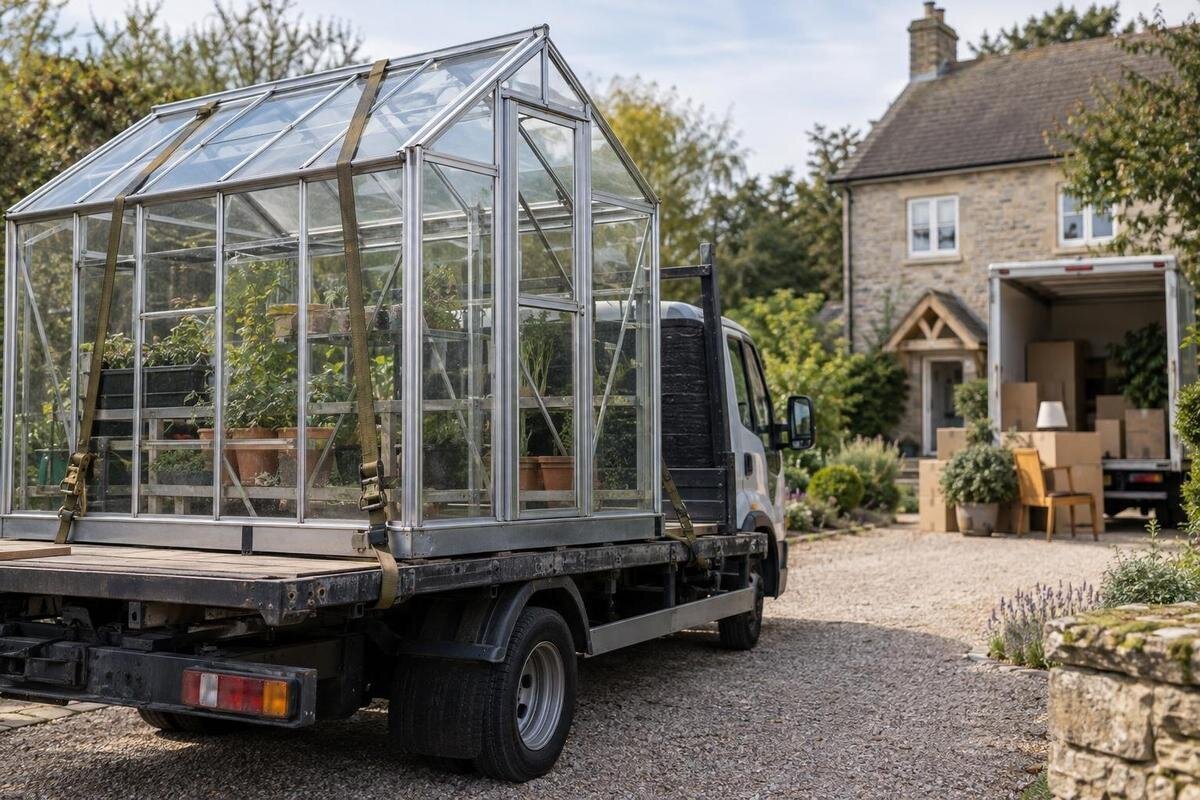
Greenhouse moving guide
Moving home does not automatically mean your greenhouse has to come with you. A sound structure may be worth relocating, but the apparent saving can disappear once dismantling, protection, transport, reassembly, site preparation and lost time are counted. A replacement may be simpler, yet it can mean paying for a new structure while the old one still has useful life. The sensible choice is a comparison of condition, confirmed fit and complete project cost, not the original purchase price or a guess that the greenhouse will be easy to move.

Compare the full cost, not the original purchase price
Begin with what the greenhouse will be worth to you after the move, rather than what it cost when new. Money already spent is not recovered simply by taking the structure with you; it matters now only if the greenhouse remains useful and in serviceable condition. Compare three routes: relocate and rebuild it, buy and install a replacement, or leave it behind by agreement or sell it separately if another owner wants it. Allow for repairs and the value of your time in each case. Any amount you might receive for a greenhouse left at the old home is uncertain until another person agrees to it, so do not treat it as guaranteed income.
Ask for estimates that cover comparable work. A relocation figure should identify what is included and what may cost extra; a replacement figure should include both the structure and the work needed to have it ready for use. The Classic aluminium greenhouse catalogue range is listed from 3.77 m² to 28.08 m² and can be a reference when you begin comparing alternatives. That range is not an installed price or a promise that any size will suit the new garden. Keep each quote, product configuration and site requirement together so a lower headline figure does not hide work that has been left out.
Assess the greenhouse's condition and completeness
Make a condition record before asking anyone to price the work, while the whole structure can still be seen. Note cracked or missing glazing or panels, joints that appear loose, bent frame sections, worn seals, doors or vents that do not close properly, visible leaks and deterioration around the base. Record previous repairs and anything that already needs attention. A cosmetic mark is not the same as a weakened connection, and neither should be assigned a repair cost by guesswork. Clear photographs and brief notes can help an installer distinguish existing defects from damage that may occur during handling.
Check what information and parts are available: the make and model if known, assembly instructions, invoices, spare components and any record of changes made over time. A greenhouse can look complete yet be missing a connector, fastener or panel that matters when it is rebuilt. Ask the person assessing it which components appear reusable, which may need replacing and whether those parts can be sourced. If the model cannot be identified, say so before the quote is prepared. One inspection cannot predict exactly how long the structure will remain useful; ask what evidence the assessment relies on and include its uncertainties in your comparison.
Dismantling and rebuilding carry their own risks
A greenhouse may look sound while standing and still be vulnerable when it is taken apart. Separating connected sections, handling glazing or panels, and later bringing joints back together can expose aged fixings, small cracks or parts that no longer align. Breakage, distortion, missing items and additional repairs are possible, not inevitable; the risk depends on the specific design, condition, previous repairs and the people doing the work. A low quote that assumes everything will come apart and fit back together without incident may not describe the same job as one that allows for fragile components or replacements.
Ask who will assess the actual greenhouse and what the quote assumes about fragile parts, protective packing, replacements, reassembly and final adjustments. Check the exclusions as carefully as the included work: a labour allowance may not include new panels or repairs, and do not assume that transport includes reassembly. If replacement starts to look more realistic, price it separately rather than assuming another model will reuse the old base or parts. The Bloomcabin Prestige Greenhouse is one catalogue option to investigate; confirm its chosen configuration and site requirements independently before comparing it with a relocation quote.
Confirm the new garden is a suitable site
Measure the space that would actually be available at the new home, not just the patch of ground that looks open during a viewing. Allow for the greenhouse’s full footprint, the route to its door, room to reach the plants and space to operate the doors and any vents. Consider how shade from the house, trees or neighbouring structures changes during the day, as well as drainage, wind exposure and the condition of the ground. A garden can have enough square metres on paper yet leave an awkward entrance or an impractical working area. The new layout may also make the old greenhouse’s position or orientation less useful.
Check the base and any wall attachment separately from the frame. The existing base may belong to the old site, be damaged or have dimensions and fixings that do not match the new position; do not assume it can simply be transferred. Ask the manufacturer or a suitably qualified installer what the selected structure requires at the destination. If the new property is rented, shared or subject to site rules, confirm what is allowed with the owner or responsible body. The Lean-to Greenhouse is identified in the catalogue as a wall greenhouse, but that label does not establish that a particular wall, surface or garden is suitable. Check the actual model and site requirements before relying on that layout.

Check access at both properties
Access is a separate question from whether the greenhouse can be dismantled. Consider the route from its current position to a loading point and from the vehicle to the final position at the new home. Narrow gates, steps, sloping paths, low overhangs, fragile paving, established planting or limited vehicle access can add handling or protection work. The removal crew’s ability to reach the house does not prove that greenhouse components can be handled along the same route. Ask the person quoting to assess both properties, through a visit or enough site information to identify restrictions, rather than relying on the greenhouse footprint alone.
Transport planning should cover the greenhouse as a distinct load, not as an uncosted extra in the house move. Clarify who will protect and carry its components, whether a temporary holding point or extra trip may be needed, and who is responsible if the access plan changes. The Pyramid Greenhouse has a stated footprint range from 5.53 m² to 18.9 m², but a footprint alone cannot tell you the size or handling needs of each component. Request transport information for the exact model from the supplier or installer. If the route requires an unplanned workaround, the saving you expected from relocation may shrink.
Choosing the size of a replacement
A replacement need not match the size of your existing greenhouse. Start with the growing space you actually use, rather than treating the old footprint as a requirement. There may be less room at the new property, or you may want more space for crops that were crowded in the previous setup. Separate the area needed for plants from the room needed for paths, pots and access. Then compare those needs with the space available in the new garden. This gives you a reason to consider a smaller or larger replacement, rather than paying to reproduce an arrangement simply because it is familiar.
Use catalogue pages to build a shortlist, but compare a selected configuration rather than relying on a range name. The Limited Edition Aluminium Greenhouses page lists footprint options from 3.77 m² to 28.08 m²; that range can guide an initial search, but it does not identify the exact footprint, internal layout or assembly scope you need. For each candidate, confirm the chosen dimensions and opening positions, the components supplied, any base requirements and the full delivery and installation cost. The aim is not to choose a product by its title, but to find out whether a replacement offers a clearer fit than rebuilding the old structure.
Growing space and storage after the move
Consider storage separately from growing space when deciding whether the old layout still works. Tools, empty pots and other equipment may have been kept elsewhere at the previous home; decide where they will go at the new property. If they need to move into the greenhouse, account for them when judging how much room remains for plants and everyday work. Think about which items you use regularly and whether you can reach them without blocking a path or moving plants aside. This comparison can reveal whether the existing greenhouse remains practical or whether a different arrangement would make better use of the available space.
If integrated storage is part of the new brief, the Limited Edition Aluminium Greenhouse with Built-in Storage is a catalogue variant to examine. Its stated footprint range is 5.52 m² to 28.08 m², but the product name and area range do not explain how a particular configuration will hold your equipment or fit the garden. Confirm the storage arrangement, usable dimensions, access and installation details before treating it as a substitute for the old unit. You can also compare it with retaining a separate storage area, if the site and household plans allow. Include this changed need in both the relocation and replacement estimates.
Include site preparation, assembly and removal
Moving the greenhouse does not necessarily move the prepared site with it. The destination may need work before assembly, while the old base may need to be left, repaired or removed. Replacement has similar project costs: delivery, preparation, assembly and clearing the old structure can sit outside the price of the greenhouse itself. Ask for these as separate line items, and find out whether groundwork, lifting, glazing, adjustments or waste removal are excluded. Do not assume a base will suit a different structure because it looks close in size. The manufacturer or installer should confirm the requirements for the exact model and site; have complex groundwork assessed by a qualified professional.
If the replacement shortlist includes the T-Model Orangery Greenhouse, its stated footprint range is 16.52 m² to 30 m². That can help define a candidate to price, but it is not enough to calculate preparation or installation work. Confirm the selected dimensions, base requirements and what the installer includes. Apply the same discipline to relocation: a quote that excludes a new base or repairs should not be compared with a replacement quote that includes them. Writing the scope beside each price makes gaps easier to spot and gives you a more useful comparison than a single total.

Allow for time, uncertainty and lost use
Cash is only part of the comparison. Record how long you expect to be without a usable greenhouse, the time needed to organise quotes and work, and whether that gap would affect your growing plans. Plants, pots, benches, tools and watering equipment are separate items; their packing or replacement may not be included in either greenhouse quote. Decide which items are worth transferring and who will handle them, without assuming that plants can simply remain inside during transport. If the move coincides with a busy planting period, the inconvenience may matter even when relocation costs less. Treat timing as a practical cost, not as a guaranteed crop loss or saving.
Allow for uncertainty rather than assuming every component will survive and every date will hold. Compare quotes with matching scopes, list uncertain repairs separately and ask when the plan or price would need to be revisited if damage is found. If you are considering a substantially different scale, the Spacious Greenhouse page states a footprint range from 47 m² to 70 m². This is a catalogue reference, not a recommendation or proof that the space suits your property. Confirm the chosen dimensions, site and full project scope. A replacement in a different size can change preparation, access and installation needs, so settle those details before comparing it with relocation.
Ownership and timing before moving day
Ask for relocation and replacement estimates early enough that either route remains possible. The old home’s handover date, access to the greenhouse, the new property’s readiness and any installer’s availability can all affect the decision; do not leave these questions for the removal crew to resolve on the day. If the greenhouse is staying behind, agree clearly with the next owner whether it is included, being sold separately or expected to be removed. If it is being moved, make sure the people responsible for dismantling, transport and rebuilding have agreed to the dates and scope. Written notes help prevent assumptions about ownership and work from becoming last-minute disputes.
Write down the conditions that must be met before you commit to relocation: the condition has been assessed, the destination and access are confirmed, and the quote covers the work through to usable reassembly. Decide whether any open cost or repair risk is acceptable to you. If an essential point is still unknown, keep the move provisional and set a date to resolve it. Compare replacement on a clear scope, too; a catalogue description is not an installation promise. Leaving the greenhouse for an interested next owner may be another option, but confirm that arrangement rather than counting on it. Choose the route you can plan with confidence, not the one that looks cheapest before exclusions are read.
Frequently asked questions
Can any greenhouse be dismantled and rebuilt?
There is no universal answer. It depends on the greenhouse’s design and condition, how it was assembled, whether replacement parts are available and who will handle the work. Ask an installer familiar with the type to assess it and set out the assumptions and exclusions in writing.
Is it usually cheaper to move a greenhouse than replace it?
Not necessarily. Dismantling, protection, transport, repairs, reassembly and work on the new site can add up. Compare a written relocation quote with the full cost of a replacement, including installation and clearing the old structure. A footprint or product name alone cannot tell you which route will cost less.
Can I reuse the existing base at the new home?
Do not assume so. Its condition, dimensions and fixings may not suit the new position or the greenhouse after rebuilding. Ask the manufacturer or a suitably qualified installer to confirm what the specific model and site require before including base reuse in your estimate.
How do I know whether the new garden suits my greenhouse?
Check the usable space, access route, shade, drainage, working room and base requirements at the new property. Consider whether you can reach the plants and operate the doors and any vents. The greenhouse’s successful location at your old home does not prove that it will work equally well in the new garden.
What if the buyer wants to keep the greenhouse?
Agree clearly whether it will be included with the property, sold separately or removed, and who is responsible for it and by when. Do not count on resale value or assume the greenhouse is included without agreement. If the sale arrangements are unclear, ask the relevant parties to clarify them before moving day.
Relocating is worthwhile when the greenhouse remains in good condition, its components can be reused or replaced, the new garden suits it and the full cost of moving it compares well with replacement. Replacing it—or leaving it for an agreed new owner—may make more sense when damage, access, base compatibility or changing needs leave too much uncertainty. Base the decision on how useful the structure will be after the move, not the effort already invested in it.
