
Buying a Sauna for a Coastal Garden: What to Consider
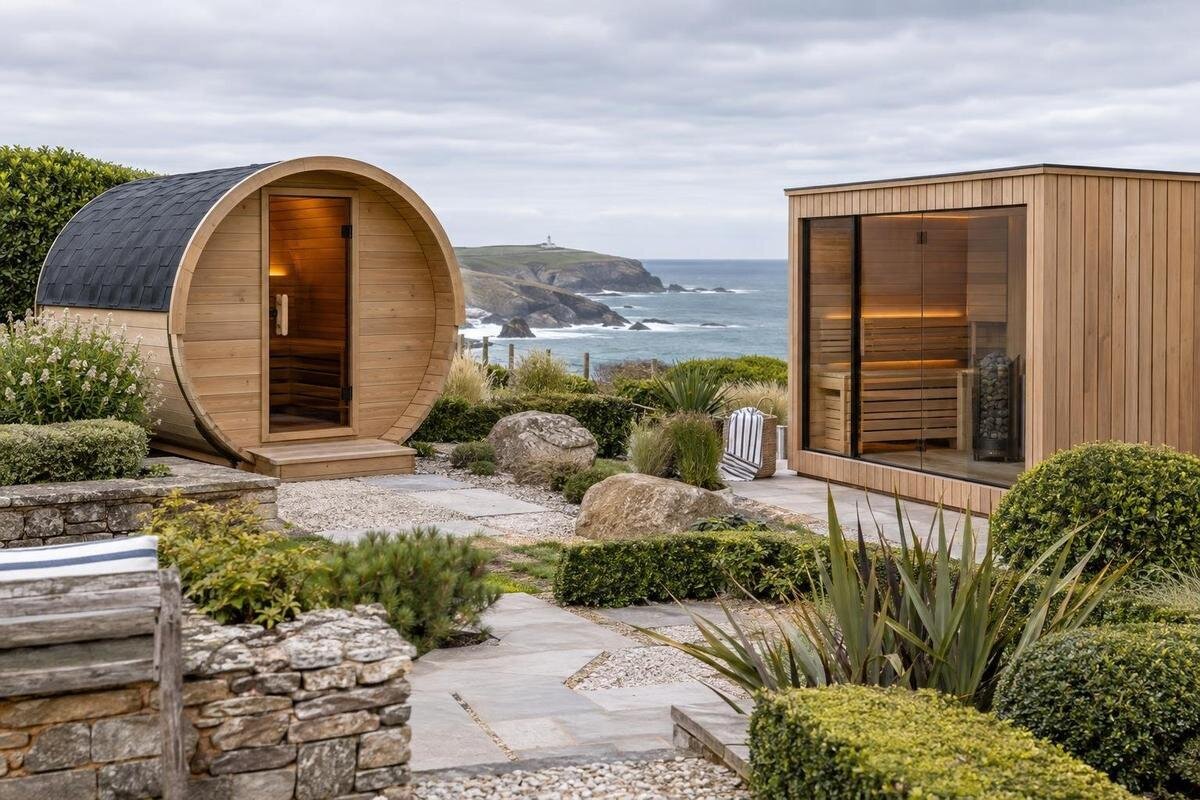
Sauna buying guide
Buying a sauna for a coastal garden involves more than choosing a shape or finish. Salt carried by wind, strong sun, rain and persistently damp pockets can change which exterior details deserve scrutiny and how much care the sauna may need. Exposure varies from one property to another: a sheltered courtyard is not the same as an open, wind-facing site. Build your shortlist around the exact model’s documented suitability, the conditions at its proposed location, and a realistic plan for installation and maintenance.
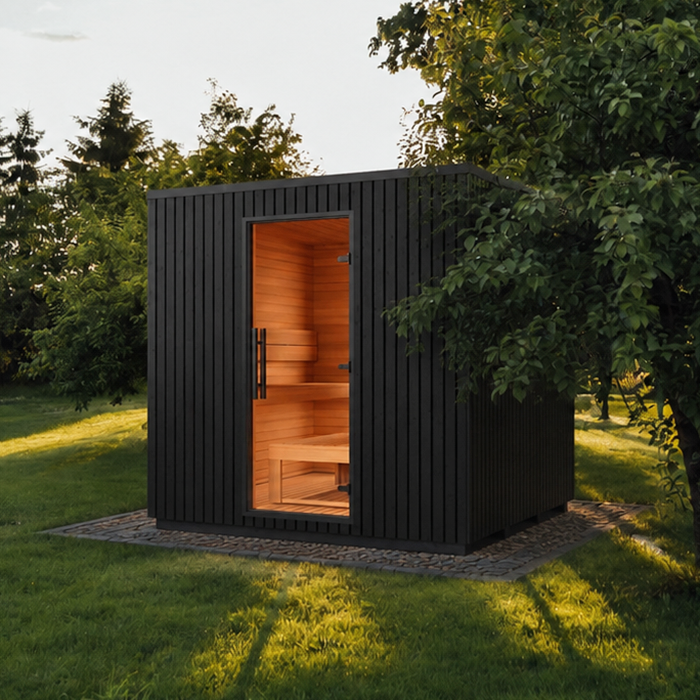
Why coastal exposure matters to your shortlist
Coastal is not a single exposure category. Distance from open water is only part of the picture: prevailing wind, intervening buildings or vegetation, elevation, rain direction and whether the site sits in a sheltered courtyard all affect how much salt and moisture reach the sauna. A garden that feels protected on a calm day may receive wind-driven spray or salty air in rough weather. Think about the actual spot throughout the year rather than labelling the whole property one way. If one part of the garden regularly gets sea spray while another is more sheltered, describe that difference to the supplier.
Before comparing shapes, ask the seller or manufacturer whether the exact model and finish are intended for the exposure at your proposed site. Request written guidance for salt-laden air and wind-driven rain, any stated limits for coastal locations, and care instructions for exposed parts. “Outdoor” is not a precise promise for every coastal setting, and a broad material or barrel-style description cannot tell you how fittings, coatings or heater components are protected. Use the Thermowood Barrel Sauna S 140 product page as a candidate to investigate, not proof of suitability; apply the same evidence standard to every option.
Which parts need protection from salt air?
Ask for a component-by-component account rather than relying on a broad phrase such as “corrosion-resistant”. Identify exterior fasteners, straps or other exposed fittings, door and window hardware, hinges, brackets, heater enclosure and connections where moisture or salt might collect. Find out what each is made from, whether it has a protective finish and whether that finish is intended for conditions at your property. If stainless steel is mentioned, ask which grade and which parts it applies to. A statement about one component does not establish that the whole sauna uses the same specification. Ask whether any fittings are hidden behind trim and could be harder to inspect.
Ask what to do if discolouration or corrosion appears, which cleaning agents are permitted and whether a protective finish needs renewal. Find out whether coastal exposure changes inspection advice or support terms and whether instructions cover every part or only selected components. Written care guidance is more useful than informal reassurance, especially where different metals and coatings are used together. Ask how to recognise an early finish problem and whether fittings can be maintained or replaced without disturbing adjacent parts. Include the HC150 Thermowood Barrel Sauna listing in your enquiries only after requesting these details for its exact configuration; do not infer them from its product name. Keep the response with your order documents.
What to ask about timber and exterior finishes
Timber descriptions are a starting point, not a full forecast of how an exterior will weather near the sea. Ask which timber is used on the outer cladding, what treatment or modification it has received, whether a coating is supplied, and what that finish is intended to do. Clarify whether exposed ends, joints, door frames and roof sections receive the same treatment as broad panels. Sun exposure, rain and salt deposits can affect surfaces differently, so find out which areas need particular attention and what the manufacturer permits for cleaning. Ask whether the supplied finish has its own maintenance guide.
Separate the exterior specification from interior benches and lining; they occupy different positions and may have different care requirements. Request the maintenance guide before purchase, including any recommended inspection or finish-renewal schedule for the stated exposure and whether the coating is included or needs to be bought separately. Ask what colour changes are normal, what may signal a finish problem and which products are approved for recoating. If several finishes are offered, make sure the instructions match the one you would order; guidance for another option may not apply. Do not apply a familiar deck oil or household cleaner simply because it suits other garden timber. The Thermowood Barrel Sauna HC 225 should be compared using documented timber and finish details, not the word “Thermowood” alone.
How to choose a sheltered, serviceable site
Placement can reduce direct exposure, but it should not be treated as a substitute for a sauna documented for outdoor use. Observe where wind drives rain and salt, how water drains after storms, and whether rooflines or trees shed water, leaves or debris onto the proposed spot. Note irrigation or pool splash if relevant, and whether sprinklers repeatedly wet the same exterior faces. A fence, hedge or house wall may offer some shelter but can also create a damp, poorly ventilated pocket; assess the actual microclimate rather than assuming more enclosure is always better. Consider how growing plants or changing shade may affect access and drying.
Map the space needed after installation, not just the footprint on the ground: access to the entrance, room to open the door, clear circulation and access to clean, inspect and repair the exterior. Ask the supplier and installer for the exact model’s dimensions, clearances, base requirements and acceptable ground conditions; neither a photograph nor a broad category establishes these. If the plot slopes, holds water or has soft ground, have an appropriately qualified person assess site preparation rather than improvising a platform. The Thermowood Barrel Sauna N 210 is one page to include in that discussion, but request its installation information before deciding whether the proposed location works. Make sure you can still reach the sauna after nearby planting grows.
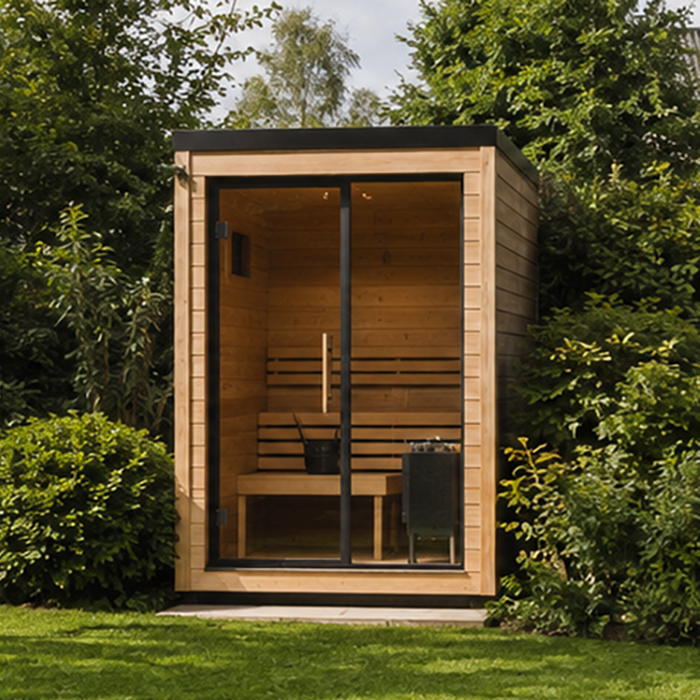
Check delivery and assembly access before ordering
Measure more than the patch of lawn where the sauna will sit. Check the entire route from the delivery point, including gate width, turns, steps, path surface, overhead branches and narrow passages. Ask for packaged dimensions and weights, the size of the largest components and details of unloading; do not rely on assumed dimensions from a photograph. Take measurements at the tightest point and tell the supplier if the route is uneven or unusually narrow. Find out whether assembly takes place on site, what equipment and access the crew needs, and whether packaging must be removed by you. If a gate, fence or garden structure could obstruct the route, resolve that before ordering.
Share your measurements with the supplier before paying and ask who is responsible for unloading, moving the components, assembling the sauna and preparing the base. Have any limits, access conditions and exclusions written into the quote so the practical scope is clear. If extra labour, moving equipment or temporary changes to the garden might be needed, ask who arranges them and whether a site visit is recommended; do not assume these services are included. Comparing the Thermowood Barrel Sauna N 250 with another listing becomes more useful once you know each option’s delivery route and stated installation requirements. Keep that information with your site plan.
Confirm heater and utility requirements early
Ask whether the heater is included, supplied separately or selected from options, and whether controls shown in images are part of the exact package. Request the documentation for the heater paired with the model: what power supply, controls, ventilation and clearances the manufacturer specifies, and what site conditions must be reviewed. Ask the seller to confirm that the documents apply to the exact sauna and heater combination, not just a similar model in the same range. For an electric setup, have a qualified electrician check the requirements against your property before you commit, including any external equipment and the proposed cable route. Do not use a generic online estimate to decide whether an existing supply is adequate.
Where a wood-fired option is offered, ask the supplier and a suitably qualified installer about the appliance specification, flue arrangement, clearances and site conditions that need assessment; do not infer what is appropriate from a neighbour’s setup. Salt and weather can also reach exposed controls or connections, so ask what the manufacturer says about their location and care. If heater choices affect placement or fuel storage, raise those questions with the installer before selecting a site. Include professional work in the project budget, but request a site-specific quote rather than assuming a fixed installation cost. The LC 260 sauna listing should be assessed against documentation for its exact configuration; a product name or image does not establish heater arrangement or utility requirements.
What ongoing care will a coastal sauna need?
Even a sauna specified for outdoor use needs care matched to its materials and exposure. Request instructions for removing salt and dirt, cleaning glass and metal, caring for timber and seals, and inspecting joints and fasteners. Check which cloths, brushes, cleaners and coatings are permitted. High-pressure washing, abrasive pads or unapproved chemicals may damage a finish or seal, so do not assume methods used on other garden furniture are suitable. Ask how the manufacturer distinguishes routine cleaning from repair or recoating, and whether any treatment applies only to particular surfaces.
Ask how often the manufacturer recommends checks for the stated exposure and whether salt deposits, finish changes or signs of moisture call for a different response. Plan the location so you can reach all exterior faces without moving heavy garden items or damaging planting; a narrow gap may make routine care inconvenient. After windy or wet periods, a visual look for accumulated residue or a change in finish may help you notice a problem, but follow the maker’s instructions and leave electrical or structural repairs to qualified people. A simple dated record of cleaning and upkeep can help you track changes. Compare the Thermowood Barrel Sauna HCF 300 using its actual care guide rather than assuming a model number indicates low maintenance.
Compare setup and maintenance costs
Ask for an itemised quote showing what the sauna package includes and what may be separate: heater and controls, freight and unloading, base or site preparation, assembly, electrical or other trade work, finishing products and recommended accessories. Some items may already be included, so compare written inclusions rather than assuming each is an extra. Ask whether restricted access, sloping or wet ground, or a site assessment could change the quoted work. This helps separate the cost of the unit from the work needed to place and commission it in your garden.
Factor in ongoing care as well as initial setup: approved cleaners or coatings, replacement parts and any professional servicing described by the manufacturer. If running cost matters, use the actual heater information, your expected use and advice from the supplier or electrician to form an estimate; do not rely on a generic figure that assumes a different heater or usage pattern. Ask whether commissioning, packaging removal or any initial care products are included, and who handles each task. Avoid comparing headline prices where package contents, installation scope or support differ. Use the LCF 300 model page with the same checklist, and confirm any unclear inclusion in writing before ordering.
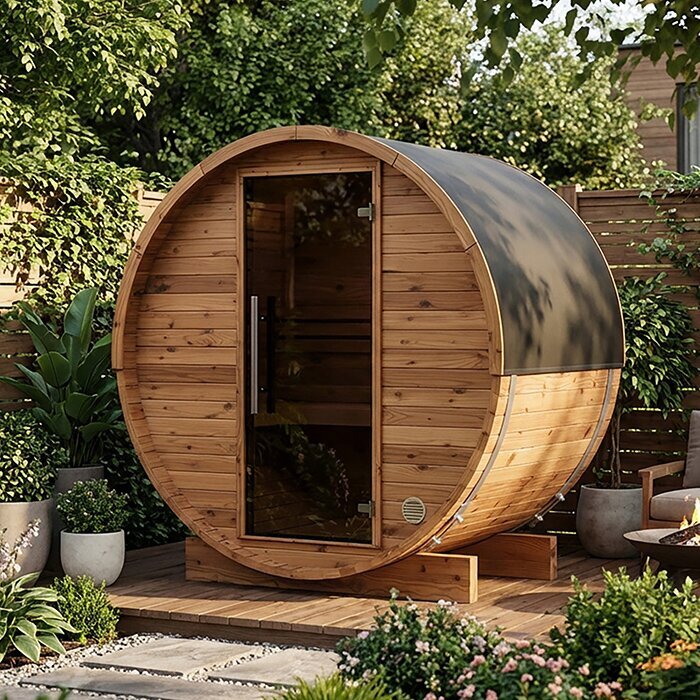
Read the model-specific documents and support terms
Before ordering, read the installation instructions, maintenance guide, component details and warranty terms for the exact model and configuration. Look for exclusions related to outdoor exposure, coastal locations, finishes, heater equipment and required maintenance. Confirm that the documents apply to the version you plan to buy, not just a similar option. If the paperwork does not mention salt air, ask the seller or manufacturer for a written answer about the intended location; do not treat silence as confirmation. Ask what basis supports any description of a sauna as suitable for coastal use and whether the guidance applies to the whole unit or only specified parts. Generic range information may not cover every version.
Clarify how support works if a fitting corrodes, a finish needs attention or a component needs replacement. Ask who handles technical queries, which details or purchase records to retain, and whether the manufacturer can provide information directly to your installer. Check how parts are identified and whether any service arrangements are described for your area; do not assume that a similar sauna or past purchase has the same support. Keep written answers with the quote and product documents so it is clear which model and exposure they relate to. Clear support terms make comparison more concrete than a general sales assurance.
Make the shortlist fit your garden and routine
Once exposure and installation are understood, compare day-to-day fit. Confirm exact external dimensions and door position from the model documents, then consider the route people will use, room to enter and leave, and space to clean and inspect the exterior. Ask what user capacity and seating arrangement the manufacturer specifies and compare that with the people who will use the sauna; a broad capacity figure may not show how the seats will work for your group. Think about privacy, nearby windows, garden paths and how the position affects other outdoor uses. Treat product images as illustrative and use drawings, not appearance, to plan the space.
Use a written comparison sheet with columns for coastal guidance, exposed materials, finish care, location and base needs, delivery access, heater requirements, total cost and support. Mark each point confirmed, unresolved or unsuitable, and record who supplied the answer. Resolve anything that could affect safety, warranty or whether the sauna can be installed before paying; involve a qualified installer or electrician where a site-specific assessment is needed. If a supplier cannot document an important point, pause or remove that option instead of assuming a shelter or improvised maintenance routine will compensate. This comparison can show where one candidate fits the space but still lacks evidence on coastal care, so a single attractive feature does not decide the purchase.
Frequently asked questions
Is any outdoor sauna automatically suited to a coastal garden?
No. An outdoor-use description alone does not confirm that the exact finish, fittings and heater components are intended for salt-laden air or wind-driven rain. Ask the supplier for written guidance covering your proposed location and the model configuration.
Does “Thermowood” in a model name confirm resistance to salt air?
No. A product name is not a component specification or maintenance guide. Check the exterior timber treatment, coatings and exposed metal parts separately, and ask which cleaning and renewal instructions apply in coastal conditions.
Is a sheltered corner always the best place for a sauna?
Not necessarily. A wall or hedge may reduce direct exposure, but the spot still needs suitable drainage, ventilation and practical access for cleaning and repairs. Ask the supplier or installer to check the model’s clearances and site requirements rather than choosing by shelter alone.
What should I ask about maintenance?
Get written instructions for removing salt, approved cleaners, inspecting fittings and seals, and renewing any finish. Ask how often to inspect in the stated exposure and who to contact if corrosion or a finish change appears. Do not assume products used on garden furniture are suitable.
What should I settle before placing an order?
Confirm coastal guidance for the exact model, dimensions, delivery access, base and assembly requirements, heater arrangements and package inclusions. Resolve site-specific utility questions with a qualified professional before committing.
An outdoor sauna is a considered choice for a coastal garden only when its documented materials, exposed fittings and care requirements align with the actual site, and when delivery, installation and utilities can be handled properly. Keep the supplier’s written answers, product documents and site advice together. If an important point remains unclear, pause the order rather than relying on appearance or assumptions about the model name.
