
Buying a Sauna for Cold Winters: What to Ask About Heat-Up and Heat Loss
SAUNA BUYING GUIDE
When buying a sauna for cold winters, look beyond the heater’s advertised output. Heat-up time and heat loss depend on the complete setup: the room’s size and construction, insulation, ventilation, door seals, glazing and exposure. A supplier’s quick-warm-up claim is useful only if you know the starting conditions, the temperature being measured and what counts as ready. The questions below help you compare winter performance and operating needs for the exact sauna you may order, rather than relying on a model name or a single number.
Compare heat-up claims on equal terms
Ask what an advertised heat-up time actually measures. A useful figure states the starting temperature inside and outside, the target conditions, the exact heater and sauna configuration, and where the temperature was measured. It should also clarify whether the test began with the whole room at ambient temperature or after earlier use, and whether the door stayed closed throughout. A reading at one sensor point cannot automatically describe every seat or surface. Before comparing minutes, check that suppliers use the same definition of “ready” and broadly comparable conditions. Ask whether a figure is measured or estimated, and whether it applies to the version being quoted. If those details differ, treat the times as separate claims rather than a ranking.
Cold weather changes the starting point: a colder enclosure has more heat to gain, and an exposed outdoor sauna may lose heat to wind and its surroundings while warming. Ask for test information at an outside temperature close to the conditions you expect, or for the assumptions if no cold-weather test is available. Do not turn a mild-weather estimate into a winter guarantee. On the Thermowood Barrel Sauna S 140 product page, check whether the seller publishes a test basis and whether it matches the version you are pricing; the model name alone does not show a heat-up time. If details are missing, ask which conditions the estimate assumes.
Define what “ready” means
“Ready” can mean different things. A supplier may define heat-up by the air at the control sensor reaching a set point, while an operating instruction may prescribe an additional warm-up period. The air, seating and surrounding surfaces may not follow the same temperature curve, so a display reading does not always describe the whole experience. Ask where the sensor sits, which target is used in any advertised figure, and whether the recommended preparation is included. You do not need to choose a temperature from a sales claim; you need a consistent measure for comparing the same kind of use. This matters when one supplier gives a sensor reading and another gives a general ready-to-use estimate.
Consider how the quoted time fits your routine. A first cold start before a winter session differs from returning to a sauna that has already been warmed, and repeated door opening may affect recovery. Ask whether the stated time covers only the first warm-up or also a period of maintaining conditions, and whether it assumes an uninterrupted start. If you’re reviewing the HC150 Thermowood Barrel Sauna listing, look for a clear definition of any heating figure rather than assuming the model name explains performance. A useful answer will tell you which operating stages are included, so you can judge whether the timing suits the way you expect to use the sauna.
Match the heater to the exact sauna
A heater is only one part of the room’s heating balance. Its suitability depends on the sauna’s internal volume and on features that affect heat loss, including insulation, glazing, ventilation and how tightly the door closes. Ask the manufacturer or supplier to confirm the recommended heater for the exact configuration, not merely a nominal room size. This is especially important when options or layouts differ. Do not select a unit simply because it has the highest stated output: a rating by itself does not tell you how quickly the complete sauna will warm or how it will maintain its conditions. Have the supplier explain how the recommended heater relates to the version you plan to order.
Confirm what the order includes and which heater, controls and connection requirements apply to the version being quoted. A listing may not make every component clear, so get the parts and compatible configurations itemised before comparing total costs. For a page such as the Thermowood Barrel Sauna HC 225 product listing, treat the model identity as a starting point for questions, not confirmation that a heater is included. Have a suitably qualified installer confirm the electrical or other installation requirements for the selected system. Keep that assessment separate from the product comparison, and do not plan to alter a heater or its connections yourself.
Ask what the insulation includes
The visible timber or other lining does not tell you whether separate insulation sits behind it. Ask for a description of the wall, roof and floor build-up for the exact model, including whether insulation is present, where it sits and how the joins are treated. Details at the roof and floor matter when assessing the whole enclosure, not just a wall label. If a description uses a broad term such as “insulated”, request information about the material and coverage rather than assuming every surface has the same construction. You can then distinguish a stated construction detail from a general sales description when comparing sauna insulation.
Ask how the design manages moisture and allows the enclosure to dry between uses. Sauna materials and layers need to suit the intended hot, humid operating environment; an improvised extra layer or sealed gap could change airflow or drying behaviour. Do not retrofit insulation or close construction joints on the strength of general advice. When considering the Thermowood Barrel Sauna N 210 listing, seek model-specific construction information that the seller can substantiate, including any areas that are not insulated or any stated limits. This helps you assess the complete enclosure rather than choosing on a single material label.
Look closely at doors, glazing and seals
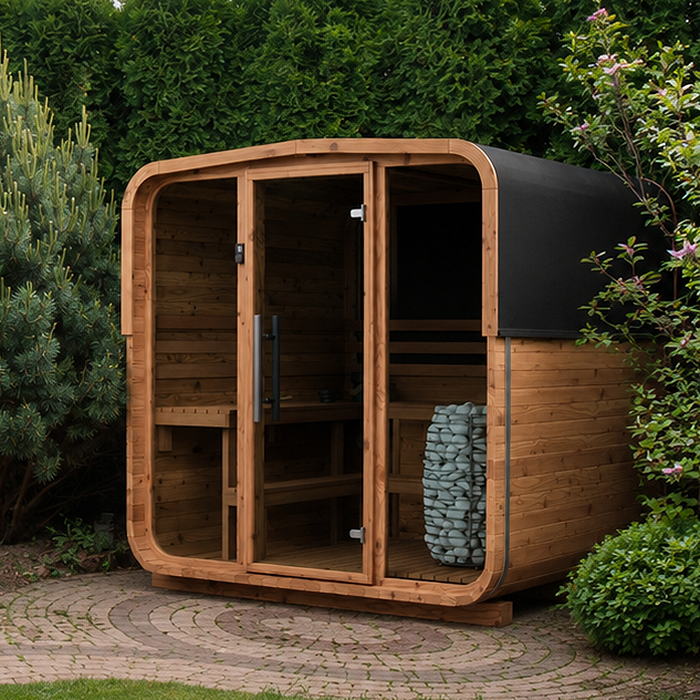
Doors and glazing are part of the enclosure, so ask about them separately from wall insulation. Confirm the door’s closing arrangement and seals, whether glazing is fitted to the version you want, and what information is available about the glazing and frame. Glass can change both heat loss and the feel of the room, but the effect depends on the actual assembly. If a supplier gives a winter heat-up figure, ask whether it refers to the same door and glazing configuration you plan to order. This avoids comparing a result for one setup with a quote for another.
A door left open during entry releases warm air, while a poorly seated or worn seal can allow ongoing leakage; these are different issues from heat passing through an intact wall. Look for instructions on checking or replacing seals and ask what routine upkeep is expected, without modifying the door or adding an unapproved seal. On the Thermowood Barrel Sauna N 250 product page, check whether the described configuration is the one being quoted, then confirm any door or glazing details in the order documents. A product photograph alone is not a specification.
Keep ventilation in the winter comparison
Treat ventilation as part of the intended design, not as a leak to block in cold weather. Its arrangement affects how air moves through the room and forms part of the conditions the sauna is designed to operate under. Ask where air enters and leaves, whether any adjustment is permitted, and what the operating instructions say about winter use. Do not cover vents or reduce airflow to chase a faster warm-up. If you are unsure how the design balances ventilation and heat retention, ask the supplier to explain the intended arrangement for the version you are considering.
Compare ventilation assumptions alongside heater, door and insulation details. A heat-up figure from a test with one vent arrangement may not apply if the chosen version or installation differs. Ask who confirms the final layout and whether vents need to remain clear of stored items, snow or debris at your site. The Thermowood Barrel Sauna LC 260 listing is a place to look for version-specific instructions if they are published; if details are absent, request the maker’s guidance. Do not improvise a change to the vents as a way of reducing heat loss.
Check the site and outdoor exposure
Start with where the sauna will sit. If it is outdoors, ask the manufacturer about the permitted exposure and operating conditions for the exact model, including how wind, rain, frost or snow should be considered where relevant. A fence, shed or covered area does not by itself prove that a product is suitable for that position. If the sauna will be indoors, ask about room conditions, ventilation, access and any clearances specified by the maker. The expected ambient temperature at the installation site is also useful context when requesting a winter heat-up estimate.
Include the base, drainage, delivery access and service access in the purchase conversation, because these affect whether the chosen model can be installed as planned. Ask which tasks are included in the quote and which need a separate installer; do not assume the cabin, heater and setup are all covered by one price. When assessing the Thermowood Barrel Sauna HCF 300 product page, confirm the intended location and site requirements for that model rather than inferring outdoor suitability from its category or photograph. Use qualified professionals for structural, electrical or fire-related site questions.
Separate warm-up energy from running costs
Warm-up time and energy use are related, but they are not interchangeable comparisons. Ask whether the supplier has measured or estimated energy for a cold start and for maintaining the sauna over a defined period, and what ambient conditions and settings those figures assume. A heater’s rated input is not a forecast of your bill: use depends on how often you preheat, how long the sauna is used, the surrounding conditions and your energy tariff. Without a stated test basis, do not treat a generic consumption number as a winter cost. Ask for the assumptions behind any estimate before using it in your budget.
Build your comparison around the routine you expect: a first start on a cold day, repeat use after a break, or several sessions while the sauna is already warm. Ask about electricity or fuel requirements, control settings relevant to any figures, and whether an estimate includes recovery after the door opens. A supplier may not have measured results for every pattern, so separate documented figures from estimates. The Thermowood Barrel Sauna LCF 300 listing can be reviewed for published input or use details, but do not infer running costs from its name. Compare likely use with your own energy arrangements rather than relying on a generic claim.
Choose a room that fits its users
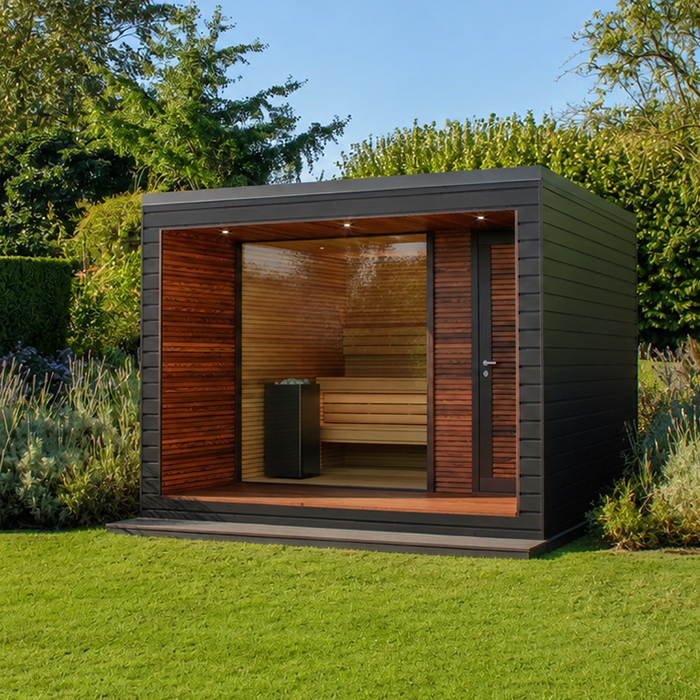
Capacity is a winter-performance question as well as a comfort choice. Decide how many people are likely to use the sauna at once, then compare internal seating dimensions, bench layout and usable headroom rather than relying only on an exterior footprint or stated occupant number. A larger heated volume or more cold surfaces can place more demand on the heating system; ask the supplier to confirm the suitable heater for the exact build. Check whether everyone can sit comfortably in the intended positions and whether the layout matches how you expect to use the sauna. This makes the room’s size part of the heat-up discussion, not just a capacity figure.
Consider the journey into and out of the sauna. An outdoor location exposed to rain, wind or icy conditions can make access and changing arrangements important; indoors, the route, ventilation and space for wet items still deserve attention. These practical details will not improve a heat-up claim, but they affect whether the installation fits your home and winter routine. Ask which benches, screens or accessories are included rather than assuming a pictured layout comes with every item shown. Keep the decision grounded in stated dimensions and package contents, not an image or a model code.
Get winter-use details in writing
Before ordering, put the answers into a comparison sheet: outside starting conditions; whether the test was a cold start; the target and sensor position; the heater and included components; wall, roof and floor construction; door and glazing configuration; ventilation; and any energy figures. This makes gaps visible and prevents a headline heat-up time from outweighing details that were never compared. Keep the supplier’s written answers beside the quote, especially if the final sauna differs from the configuration used for a published figure. Record whether each answer is a measured result, an estimate or a general description.
If the supplier cannot give a tested winter time, that does not automatically make the sauna unsuitable; it means an estimate cannot be compared as a measured result. Base your decision on the available construction information, the stated heater match, site conditions and realistic running-cost information, then decide whether the remaining uncertainty fits your expectations. Ask a qualified installer to confirm work-related requirements before you commit where needed. The clearest purchase is one whose winter assumptions you can understand and compare, not simply the one with the shortest advertised warm-up.
Frequently asked questions
What affects a sauna’s heat-up time in winter?
It depends on the outside temperature, the sauna’s starting state and volume, its insulation and glazing, the ventilation and door seals, and whether the heater suits the exact setup. Compare figures only when their test conditions and definition of “ready” are clear. A cold-start estimate for a specified configuration is more useful than a general claim with no stated basis.
Does more insulation guarantee faster heating?
No. The word “insulated” does not explain which surfaces are covered or how the complete enclosure performs. Ask about the walls, roof, floor and joins, then consider the heater match, ventilation and any cold-weather test information. Insulation alone is not proof of a shorter heat-up time or lower running costs.
Can I close the vents to keep heat in?
Do not cover or close vents to retain warmth. Follow the maker’s ventilation instructions and ask for winter-specific guidance if anything is unclear. Ventilation is part of the intended design, and an improvised change can affect how the sauna operates.
How do I compare advertised heat-up times?
Check that both figures use similar starting temperatures, a cold-start method, the same kind of configuration, a stated sensor location and a consistent definition of “ready”. Ask whether each figure is measured or estimated. If important conditions are missing or different, do not rank the times as if they were equivalent.
What should I confirm before placing a sauna outdoors?
Ask whether the exact model and version are intended for your site’s exposure and operating conditions. Confirm site preparation, weather considerations, access and service clearances with the supplier. Do not infer suitability from a photograph or cover, and have qualified professionals confirm installation, electrical or fire-related requirements where applicable.
For a sauna used through cold winters, choose based on the complete heating picture: comparable cold-start conditions, transparent enclosure construction, a suitably specified heater, deliberate ventilation and realistic site and energy expectations. A published number is useful only when you know what it measures and whether it describes the configuration you will receive. Comparing these points before ordering gives you a sounder basis for choosing an option that fits your space and routine than judging a sauna by its heater or model label alone.
