
Buying a Sauna Kit: Assembly Requirements and Common Omissions
Sauna buying guide
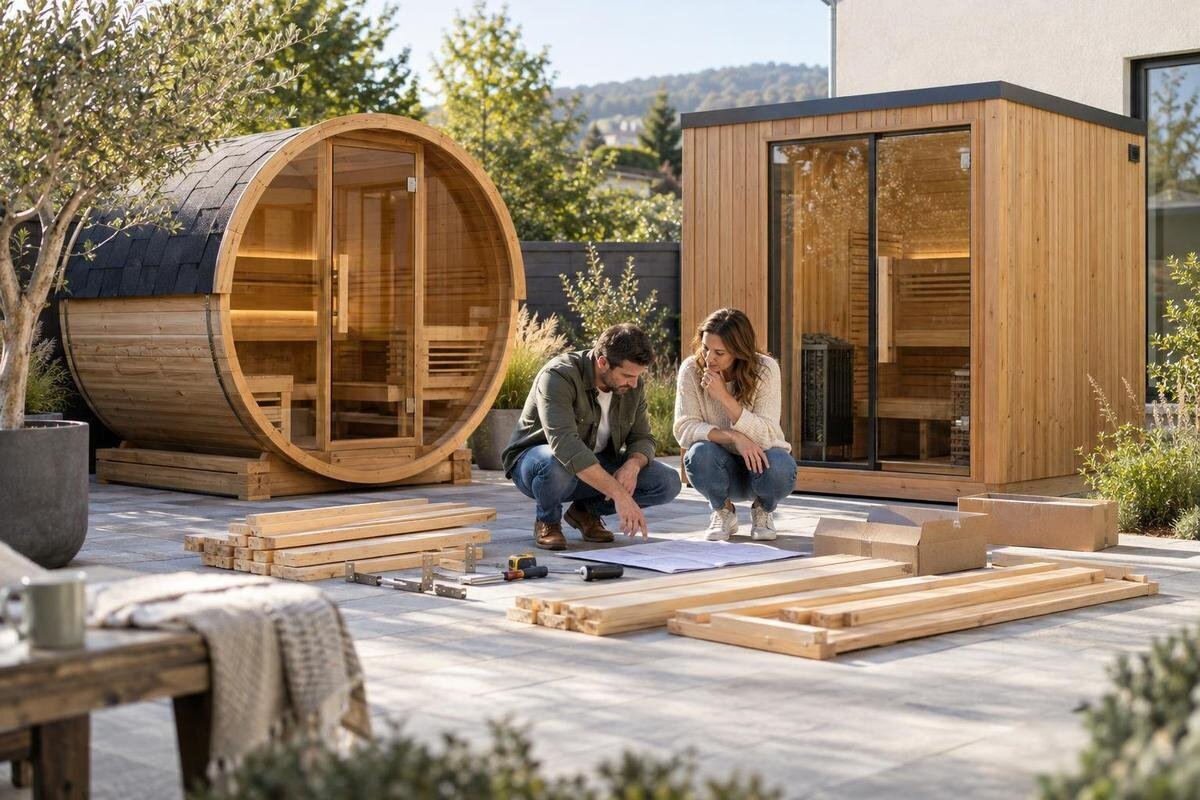
Buying a sauna kit means choosing a project as well as a product. The package may cover the main components without covering every tool, site task, connection or accessory needed to complete the work. Before comparing models, separate what will arrive from what must be prepared, bought or arranged locally. A model-specific parts list, assembly instructions and written answers about exclusions help you budget more accurately and decide whether you can manage the assembly yourself.
What does a sauna kit actually include?
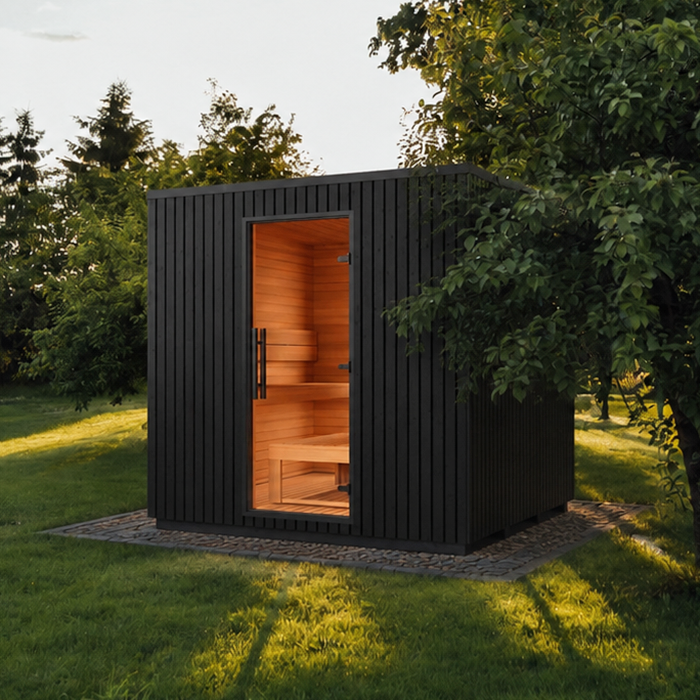
The word kit does not have a universal contents list. One package may cover only a defined set of sauna components, while the heater, controls, site work, tools or assembly labour may be separate; another package may have a different scope. A product photograph and a broad description such as complete are not an itemised promise. Look for a schedule tied to the exact model and configuration, with each item marked as included, optional, sold separately or supplied by you. Even within a range, options can change the contents, so do not transfer an inclusions list from a similar-looking model.
Ask whether the structure, seating, door, floor, fasteners, heater and other items shown or mentioned are included in the quoted package, and whether instructions are supplied. Clarify if an item is included only in a particular configuration or has to be ordered separately. Keep the exact model reference, such as the Thermowood Barrel Sauna S 140 listing, beside your enquiry; the name identifies what you are asking about, but does not establish the package contents. Request a written answer for that model rather than relying on a general description of sauna kits.
Check the assembly instructions and skill level
Before ordering, ask for the assembly manual or a model-specific overview of the work. Check whether it explains the assembly sequence, required tools, handling of the components, and any preparation that needs to happen first. Ask what skills the instructions assume, how many people are recommended for the work and whether any stages are excluded from the kit instructions. If the full manual is not available before purchase, request enough detail to judge the job rather than relying on a general statement that assembly is straightforward. For instance, if the HC150 Thermowood Barrel Sauna listing is under consideration, ask for guidance that matches that exact model.
Compare the described tasks with your own experience. Being comfortable reading diagrams, measuring accurately and using hand or power tools may matter, but the manual should determine what is actually required. Consider whether you have enough time, a suitable work area and help for any handling described by the supplier. If you would prefer not to manage the assembly, ask whether an assembly service is available and what it covers; do not assume it is part of the kit. Keep site works and electrical work separate in your planning, since these may need assessment or assistance from qualified professionals.
Prepare the site before the kit arrives
Measure the proposed location and request the exact model's footprint, base requirements and any clearance needed for opening, access or maintenance. Ask what kind of support surface is required, how level it needs to be and whether any particular support points or ground preparation are specified. These details are not safe to infer from a product name or image. If the location is outdoors, confirm that the chosen model is specified for that setting and ask about its exposure and drainage requirements; an outdoor photograph alone is not proof. Use the exact reference, such as the Thermowood Barrel Sauna HC 225 listing, when requesting site information.
Walk the intended spot and note slopes, soft ground, existing paving, nearby structures, drains and services. These details can affect what preparation is needed, but they do not lead to one universal base or foundation solution. Ask the supplier for drawings and written site requirements before arranging ground works. If you are unsure whether an existing surface can provide the support required, have a suitably qualified professional assess it rather than making a judgement from appearance. Also ask whether any planned changes to the site could affect access to the sauna or make future maintenance difficult.
Confirm tools and consumables
Do not assume tools are supplied just because the kit includes fixings. Ask for the manual's tool list, including any sizes or types of bits, sockets or other fittings, and check whether the list applies to the exact model. A tape measure, level, drill or driver and suitable bits are examples of tools that may be relevant to assembly, not a universal shopping list. If you need to buy or hire equipment, check the requirements first; having the wrong size or type can delay the work. Identify the model clearly in your enquiry, for example with the Thermowood Barrel Sauna N 210 page, so the answer relates to the right product.
Ask which consumables, if any, are required in addition to the kit: this could include particular fixings, sealants or other materials specified for the chosen design. Do not assume that a generic substitute is suitable; ask the supplier which types are approved where the instructions call for them. Check whether batteries, chargers, protective equipment or a stable place to lay out components are part of your own preparation. These small items can be easy to overlook when comparing package descriptions, and buying them only after assembly starts can interrupt the job. Make one list from the instructions, then mark each item as supplied, already available, to buy or to hire.
Read the parts list, not just the product photos
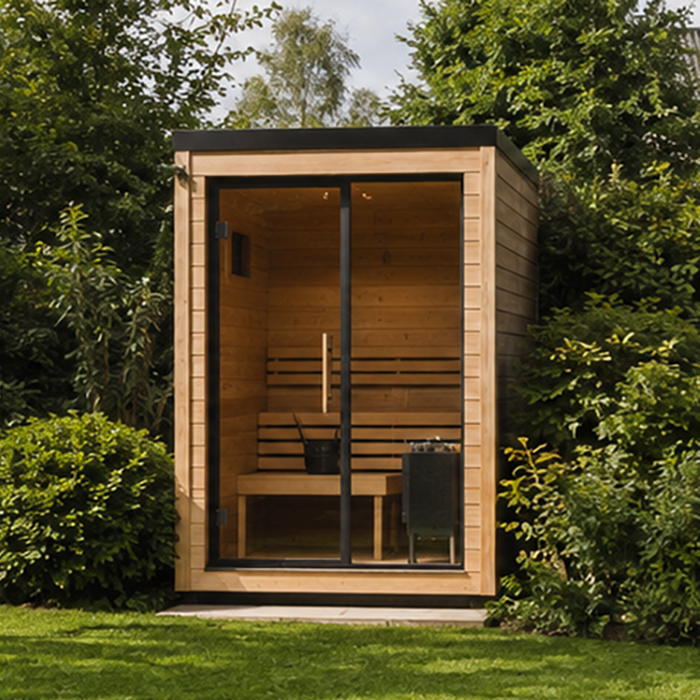
A useful inclusions list identifies the components for the exact model and, where relevant, gives quantities or refers to a parts diagram. Check the main components as well as smaller items such as brackets and fixings. Depending on the design, you may need to ask about seating, door hardware, trim or ventilation components; not every item applies to every sauna. A photograph can show an accessory, finish or arrangement without proving it comes in the package. Ask the supplier to confirm which visible items are included and which are examples or optional additions. Keep the model reference, such as the Thermowood Barrel Sauna N 250 listing, attached to the schedule you receive.
Read the exclusions with the same care as the inclusions. Look for items that need a separate order, components supplied only in a selected configuration and anything that must be sourced locally. Ask how parts are labelled and whether the packing list lets you check the delivered contents against the model-specific diagram. If a component is listed under a broad heading, ask what it means in practice rather than assuming it covers every small fitting or accessory. A clear list helps you spot a missing purchase before work begins and makes it easier to identify a discrepancy if the delivered parts do not match the schedule.
Check the heater and electrical scope
Establish whether a heater is included, optional or sold separately, and ask for the exact heater model and its documentation where applicable. Check whether associated items such as stones, a control unit, sensors, lighting or other components are included, required or outside the package; do not assume they come together. The requirements depend on the selected setup, so the word sauna does not tell you what heating equipment a particular order covers. If the Thermowood Barrel Sauna LC 260 is on your shortlist, for example, ask what heating arrangement applies to the configuration you intend to order rather than drawing conclusions from the model name.
If the chosen setup uses an electric heater, confirm the documented electrical requirements and give them to a qualified electrician before planning the connection. Ask who is responsible for any electrical work, testing or commissioning and whether those tasks are excluded from the kit price. Do not treat a heater body or a general product description as proof that the complete connection scope is supplied, or try to resolve an unclear specification by guessing. Where the instructions refer to clearances, ventilation or other installation conditions, have the supplier clarify them for the exact model and seek professional input where needed. This keeps the kit purchase distinct from work that must be planned separately.
Plan for cartons, inventory and missing parts
Ask how the kit will be delivered and what happens at the delivery point: for example, whether unloading, moving components to the assembly area or removing packaging is included or left to you. Confirm whether the components arrive together or in multiple packages, and whether any items are handled separately. These details affect how you organise the work area and who needs to be present. If an order refers to the Thermowood Barrel Sauna HCF 300, use that exact model name when asking which packing list and delivery arrangements apply. Do not assume that transport to the property also covers every step between the drop-off point and the site.
Before assembly, check the delivered items against the packing list and parts diagram. Keep labels and packaging until you have reconciled the contents, and follow the supplier's stated process for reporting damaged or missing parts. Ask in advance how to contact the supplier and what information they need, rather than guessing at a reporting deadline or improvising a replacement. If a key part is absent or damaged, pause and ask for guidance before modifying another component to make it fit. Also establish who will dispose of packaging and any waste from site preparation, since those tasks may not be included with delivery or assembly.
Budget for work outside the kit
Build a project budget that separates the kit price from the work needed around it. Depending on the site and configuration, additional costs may include base preparation, professional assembly, tool hire, consumables, electrical work, delivery handling, waste removal or separately purchased accessories. Not every buyer will need every item, and the supplier's written scope should help you identify what applies. If a particular finish or treatment is recommended for the chosen model, ask what is required and whether it is included instead of adding it to the budget by assumption. Include any local services you already know you will need, and keep uncertain items visible rather than treating them as covered.
Compare quotations on the same basis: same model and configuration, same component list, and the same assumptions about delivery, site work, labour and services. A lower kit-only figure may not represent the lower total project cost if more work or equipment sits outside it. When requesting a quote for the Thermowood Barrel Sauna LCF 300 listing, for example, use the exact model name and ask for a clear separation between supplied items and optional or owner-arranged work. Set aside a sensible allowance for site tasks that cannot be confirmed until assessed, but do not invent a fixed amount; obtain a professional estimate where the work requires one.
Get the scope confirmed in writing
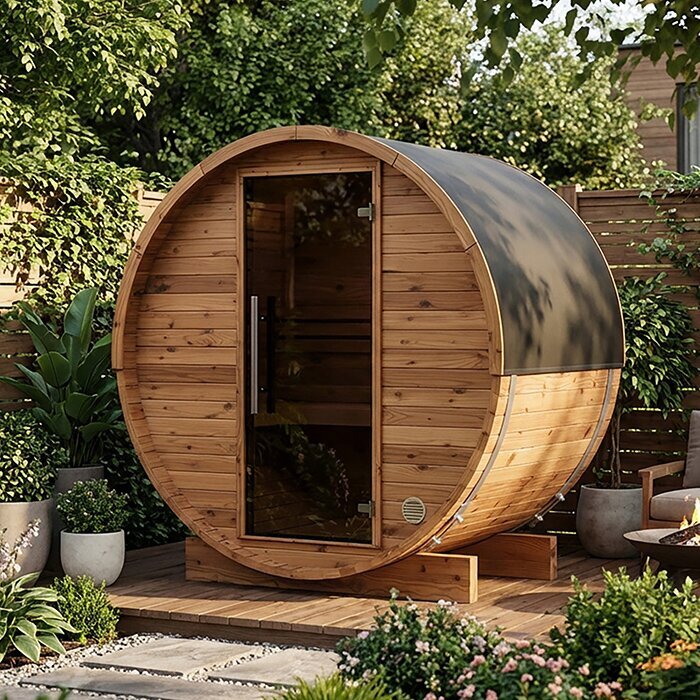
Before placing an order, ask for written confirmation of the exact model and configuration, the itemised inclusions and exclusions, and the version of the assembly instructions that applies. Request the site requirements, tool and consumables list, heater information where relevant, and delivery arrangements. If an installer or other professional is involved, confirm who supplies each component and who is responsible for each task. This creates a single reference for you, the supplier and anyone carrying out separate work. Save the quote and replies with the product information so a general statement about a range is not confused with a commitment about your chosen package.
Check what happens if parts are missing, damaged or substituted, and read the applicable order, maintenance and warranty terms rather than assuming they are identical across models. If an answer is vague, ask for a revised list or a direct explanation before paying. Make sure any optional items you want are shown in the order details, not just mentioned in conversation. Written answers are especially useful when the work is divided between you, the supplier and tradespeople: each person can see the boundary of their part of the project. If the stated contents or site requirements change, update your plan and budget before proceeding.
Use a clear pre-order decision checklist
Bring the information together in a simple table with four categories: supplied with the kit, optional purchase, arranged by you and not required for your setup. List the components, tools, site preparation, labour, delivery handling and services under the relevant heading, then note who has confirmed each item. This is more reliable than comparing product names or photos alone. Check that the assembly instructions match the model, that the site requirements have been answered, and that any separate heater or professional work has a clear owner. If an important item still has no answer, treat it as an open question rather than assuming it will be sorted after delivery.
A kit is a sensible choice when its scope is clear and the remaining work suits your skills, time and site. If you are expecting a ready-to-use installation, ask whether an installation service is offered and request its scope separately; the word kit does not promise that service. If you plan to assemble it yourself, make sure the manual, tools and excluded components are accounted for before ordering. You can then compare options on the whole job you are taking on, rather than on a headline description. The best-informed purchase is the one where you understand what arrives, what you must arrange and which questions still need a qualified professional's answer.
Frequently asked questions
Does a sauna kit always include the heater?
No. The contents vary by model and package. Check the written list for the heater and any associated components, and ask which items are optional or must be sourced separately. Do not rely on a product image or the word kit to establish what is included.
What tools will I need to assemble a sauna kit?
Use the tool list for the exact model. A tape measure, level, drill or driver and suitable bits may be relevant to some assembly work, but that is not a universal list. Check required sizes, consumables and safety equipment before buying or hiring anything.
Can I assemble a sauna kit myself?
That depends on the instructions, your experience, the handling involved and any work outside the kit, such as site preparation or electrical connections. Ask the supplier about the required skills and team size. If the work is beyond your experience, ask whether assembly help is available or consult a suitably qualified professional.
Can I put a sauna kit on an existing patio or deck?
Do not assume an existing surface is suitable from its appearance alone. Ask the supplier for the exact model's support and site requirements, then get a qualified professional to assess the surface if its condition or capacity is uncertain. The answer may depend on the site and the chosen sauna.
What should I get in writing before ordering?
Get the exact model and configuration, an itemised inclusions and exclusions list, assembly instructions or an overview, site requirements, heater and service information where relevant, and delivery and missing-parts procedures. Read the terms that apply to the model, including any conditions related to assembly.
A good sauna kit purchase comes down to knowing what arrives and what work remains. Get the parts list and assembly guidance for the exact model, confirm the site and service requirements, and include labour and extras in your budget. With responsibilities and exclusions clear before ordering, you can compare packages fairly and choose a kit whose assembly scope matches your plans.
