
Choosing a Sauna for a Holiday Rental: Guests, Cleaning and Costs
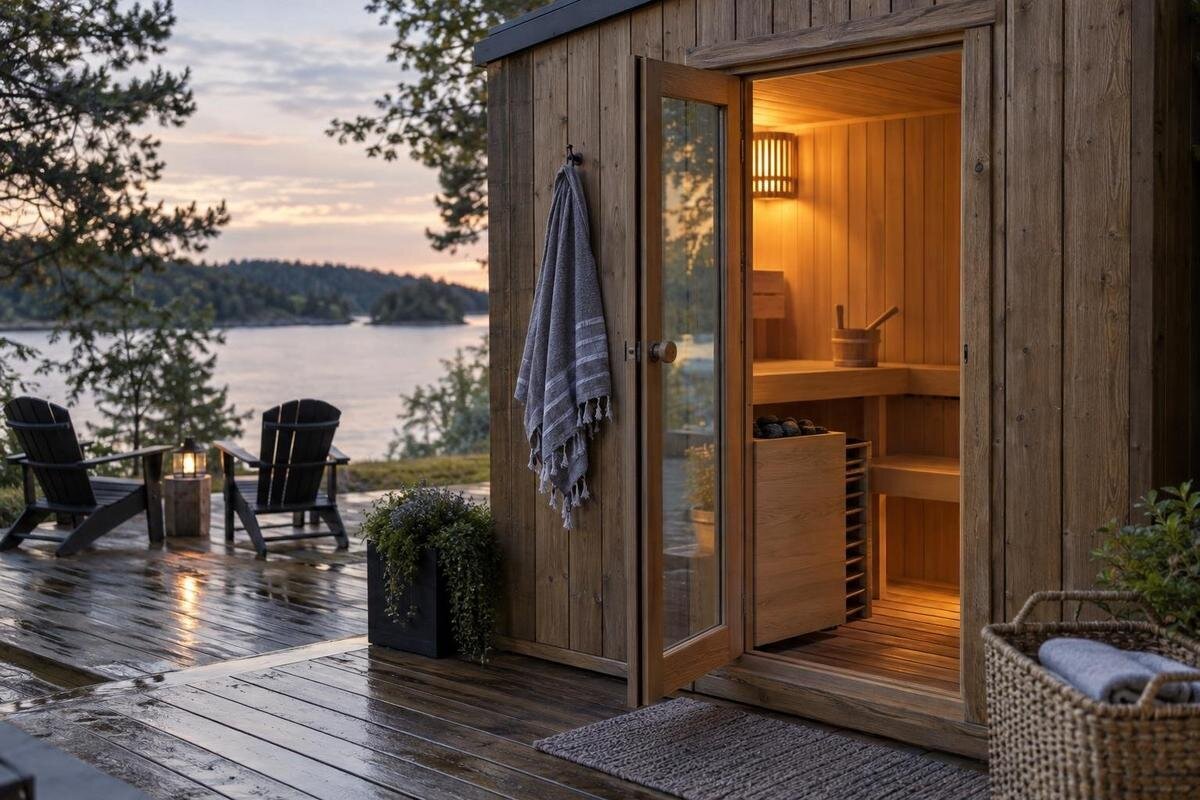
Holiday rental sauna
Putting a sauna in a holiday rental is more than a question of what fits on the property. It becomes a guest-facing service involving permission, unfamiliar users, cleaning between bookings and costs that may continue even when the sauna is not used. Choose a setup the manufacturer accepts for the intended rental pattern and that your team can operate, check and clean reliably. Work through those requirements before promising sauna access in a listing.
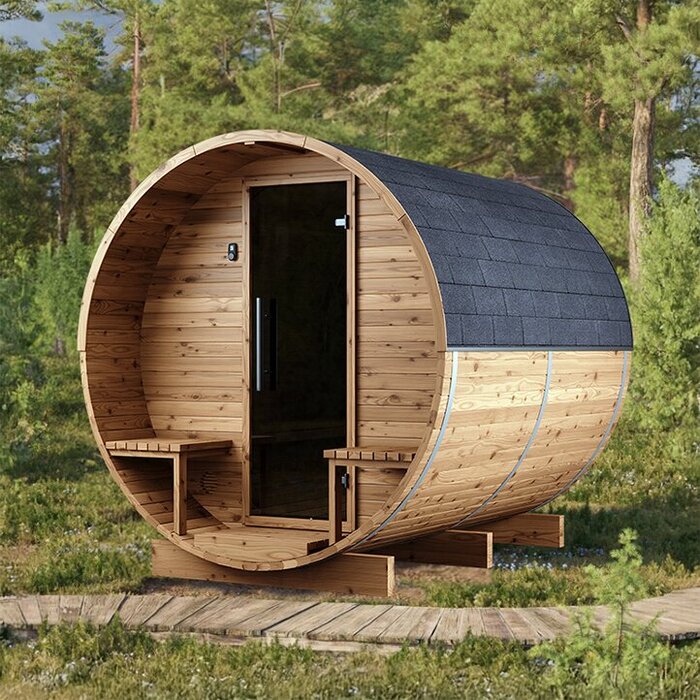
Before you commit 1
Treat the sauna as a managed rental amenity
Unlike a household sauna, a holiday rental brings new users at every booking, with different levels of familiarity and little knowledge of the particular model. Guests may arrive tired, skim instructions or assume an advertised amenity will be ready. Plan for those ordinary variations rather than relying on the owner’s routine. Decide whether sauna access is included, must be arranged or is unavailable at certain times, and make the booking description match what the team can reliably provide. If access depends on staffing or a handover, say so before guests arrive. Make the arrangement clear wherever guests read about the amenity, including the booking listing and arrival information. Distinguish access throughout the stay from access that needs to be arranged with the host. This gives guests a clear expectation without requiring them to piece together conditions from separate messages.
Map the work behind the promise: preparing the area, confirming readiness, explaining the controls, responding to questions, arranging changeover cleaning and checking the sauna after use. Give each task a named owner, even when a cleaner or co-host carries it out. Some bookings may not use the amenity; others may need more support than expected, so do not base the plan on identical behaviour from every guest. Set a rule for taking it offline if a check is incomplete or a fault is reported, and decide how guests will be told.
Confirm rental use and warranty terms in writing
A product being sold for household use does not, by itself, confirm that it is accepted for paid short-stay use. Ask the manufacturer or supplier to respond in writing about the exact model, configuration and proposed pattern of guest use. Describe the expected turnover, whether guests will operate it themselves, who will clean and maintain it, and where it will be installed. Ask specifically whether rental use affects warranty terms, service support or any operating conditions. If a question cannot be answered, seek clarification before treating silence or a general sales description as approval.
Use the exact model name when you make the enquiry. The Sauna N-210 product page identifies a catalogue model, but it does not confirm permission for rental use. Match the name and configuration across the listing, quote, drawings and written response; if they differ, ask which product was assessed. Separately check the position with the property owner or manager and insurer, and ask a relevant local authority or qualified professional about any site approvals that may apply. Keep those responses together with the operating documents so the owner and support team rely on the same information.
Before you commit 2
Check the site and guest route before comparing models
Plan the whole guest route, not just the space occupied by the sauna. Use the manufacturer’s dimensioned drawings to consider the unit, its door or opening, any specified clearance, the approach from the accommodation and room for a cleaner to work. Think about privacy from neighbouring properties or other guests, lighting, weather exposure and where guests can leave belongings or change if the property provides for that. If the sauna will be outdoors, ask the supplier and a qualified installer to assess the proposed location. A product photograph or broad garden-sauna category does not establish suitability for a particular site.
The N-250 catalogue entry shows 5.27 m²; confirm what that figure describes before using it in a site plan. It is not a dimensioned drawing and does not establish guest capacity, required clearances or whether an installation suits the location. Map the route for both guests and cleaning staff, including any access restrictions or privacy concerns. Where accessibility matters, assess the complete route and the actual configuration with a suitably qualified professional rather than inferring access from a product image.
Write clear, model-specific instructions for guests
Base guest information on the manufacturer’s instructions for the exact model and configuration, not on general sauna advice. Obtain the relevant manual and turn its directions into a short, readable guide covering the steps guests are permitted to follow, the controls they may use, applicable restrictions, end-of-use directions and what to do if something seems wrong. Do not add your own heat-up times, temperatures, session lengths or health claims. If the manual leaves an important point unclear, ask the supplier or manufacturer rather than filling the gap with a guess. Make sure the property’s access rules do not conflict with the operating guidance.
The LC-260 model listing can help identify a catalogue model, but it is not an operating guide. Match the documentation to the delivered sauna and its actual configuration before preparing or translating instructions. Give guests the guide before arrival and make it available at the sauna, along with a contact method that is genuinely staffed. Use familiar terms and short steps; do not rely on guests remembering a verbal explanation from check-in. Keep the full manufacturer documentation available to the host or service person even when the guest guide is briefer.
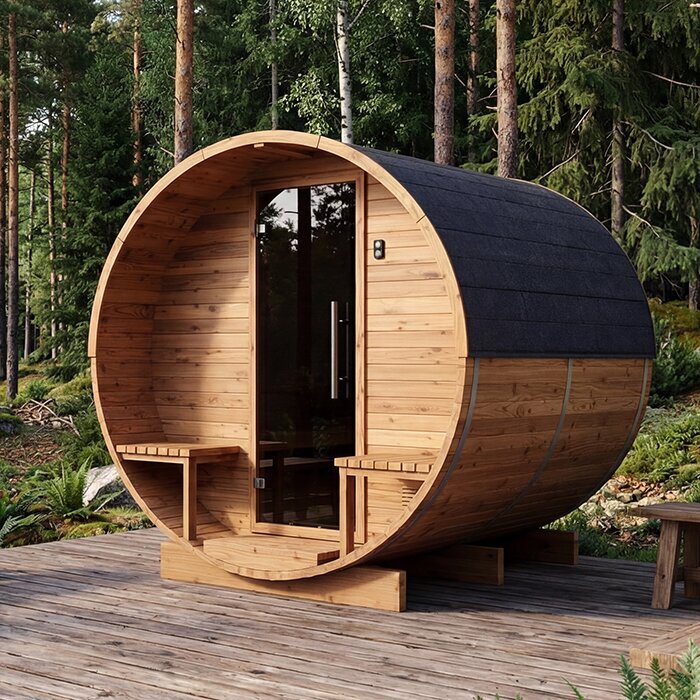
Before you commit 3
Set access rules and assign support responsibilities
Decide who may use the sauna and how access is managed as part of the booking process. Set clear rules for access times, the booked party and any supervision or eligibility conditions, using the manufacturer’s instructions, insurer’s requirements and the owner’s policy as reference points. Do not rely on a verbal handover that may not reach everyone in a group. Tell guests how to ask for help and what to do if the amenity is unavailable. Promise a response time only if the host team can meet it, including after hours if access is offered then.
Name a primary contact and backup, and identify who can pause access and arrange an inspection. The HCF-300 listing can help identify a catalogue model in an internal record; confirm that the delivered unit and its documents match before relying on that record. Log checks, reported faults, cleaning completion and repairs against the actual sauna. Guests should not be asked to repair equipment or decide whether a reported fault can be ignored. A message from a guest cannot replace the owner’s planned checks or the decision to keep access unavailable while a concern is investigated.
Build cleaning into every changeover
Changeover cleaning needs a defined time and owner; do not assume it will be covered by the regular house clean. Budget for an inspection and the cleaning tasks specified in the model’s guidance after guest use. The routine may also need to account for rubbish and, if provided, used towels or other textiles. Follow the manufacturer’s directions for cleaning products, methods and drying rather than guessing about chemicals or moisture. Keep routine cleaning separate from periodic maintenance: a cleaner may spot a concern without being qualified to diagnose wear, damage or a fault. The checklist should explain what to report and who receives that report. Make the handover record distinguish completed cleaning from an outstanding concern. For example, a cleaner should be able to record that the routine is finished while separately flagging an issue for the host to resolve before reopening access. This avoids treating a tick against the cleaning task as confirmation that every reported problem has been addressed.
The LCF-300 catalogue page identifies a model but does not provide a cleaning procedure. Request guidance for the exact product and put the relevant approved supplies, steps, restocking duties and reporting route in the cleaner’s brief. Allow enough time for any drying or follow-up required by the instructions. If the process takes longer than the gap between bookings, adjust the roster or limit access rather than rushing the work. Record the actual changeover time, including any extra laundry, consumables or inspection, so those costs are reflected in the operating plan.
Before you commit 4
Estimate operating costs from actual use
Separate one-off and recurring expenses. Initial costs may include the sauna, transport, site preparation, professional assessment and installation, along with any additional items required for the chosen configuration. Recurring costs may include electricity or another fuel, where applicable, cleaning labour, laundry, consumables, maintenance, repairs and periods when the amenity cannot be used. Costs can continue during quiet weeks, so consider a fixed monthly baseline as well as costs tied to bookings that use the sauna. Keep each expense in one category so a supplier quote or bundled cleaning charge is not counted twice. If sauna work forms part of a larger property service, ask for that portion to be identified where practical. Use current quotes and information for the actual project; avoid basing the decision on guessed demand or a promised payback period.
The Sauna S-140 listing records 1.93 m², but that figure is not an energy-use estimate. Ask for documentation covering the actual heating system and configuration, then use an appropriate consumption estimate and your own electricity tariff or other fuel costs. Once operating, compare utility data with a log of sauna use; where practical, separate it from the property’s background consumption. For a cost per booking that uses the sauna, total the allocated sauna expenses over a defined period, including changeover labour and consumables, then divide by the number of those bookings. Count each expense once. Keep the period and counting method consistent: a stay that includes several sauna visits is still one booking, not several uses. If you also track individual sessions, label that measure separately rather than comparing the two figures as though they mean the same thing. Review the total cost alongside the average, since a low-use period can spread ongoing expenses across fewer bookings. Revisit the estimate using real data rather than treating a catalogue name or area as a cost forecast.
Plan installation, servicing and warranty support
Installation and ongoing service need their own written plan. Ask a qualified professional to assess the actual site against current manufacturer documentation; requirements can depend on the product and configuration. Request dimensioned drawings and details of any stated clearances, support, utility or heat-related requirements, then have the appropriate professional confirm what applies at that location. Do not try to resolve installation questions from a photo or by copying another property’s setup. Confirm who will inspect, commission if required, service and repair the sauna, and how access will be restricted while a concern is being investigated.
Keep service and warranty questions alongside the written rental-use confirmation. Use the HC-150 model page to identify the catalogue model under discussion, then check that the quote, documents and delivered unit agree. Ask what checks the manufacturer requires, who can carry them out, what records to keep and whether frequent guest use changes service or warranty conditions. Clarify how faults are escalated and who arranges professional help. Do not assume a domestic warranty covers a holiday rental, or that a unit with no current fault needs no ongoing oversight. Include a realistic service plan in the cost decision.
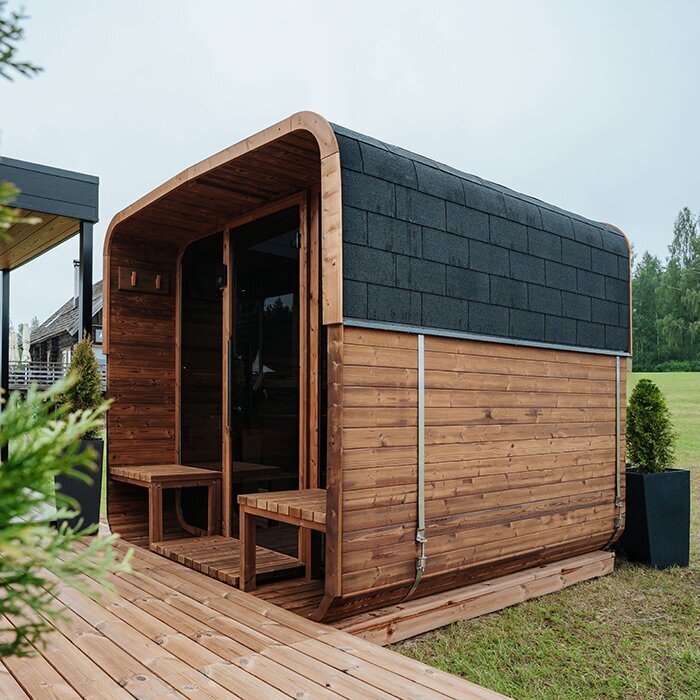
Before you commit 5
Test the guest experience before advertising it
Once the proposed use and installation have been reviewed, test the guest journey before adding the sauna to the listing. Ask someone who did not choose the model to follow the arrival information and guest guide without coaching. Can they find the sauna, understand the access rules, distinguish guest instructions from owner-only tasks and locate help if the guide does not match what they see? Use the exact product and configuration in this rehearsal. If you are considering the HC-225 sauna, make sure the eventual guide describes the installed configuration rather than simply repeating the catalogue description. Ask the person to note where they hesitate or need an explanation, then revise those passages. Check that the guide uses the same names for controls and access arrangements as the information guests receive before arrival. Keep the exercise within the steps guests are authorised to follow; it should not involve testing faults or attempting owner-only tasks. Resolve unclear wording or missing documents before opening access.
Run the same check from the cleaner’s perspective: can the person enter at the right time, follow the approved routine, record a concern and contact the owner without quietly extending the changeover? Rehearse what happens if the sauna is unavailable or a repair is pending, and make sure booking communications can reflect that status. If the team cannot support the access described to guests, revise the arrangement before the next arrival. A dry run tests instructions and handovers; it is not a substitute for manufacturer confirmation, professional installation review or inspection.
Know when to delay advertising sauna access
Delay advertising access if written acceptance for rental use is missing, site requirements remain unresolved, the exact model’s operating guidance is unavailable, or no one can clean and check the sauna between bookings. The same applies when the cost plan leaves out the labour or maintenance needed to provide the amenity. These are operational gaps, not details that a guest note can fix. Once they are addressed, compare each candidate against the property’s needs and the evidence supplied for that specific model, rather than assuming that a visually complete installation is ready for paying guests.
After launch, review actual use rather than judging success by reservation numbers alone. Track how many bookings use the sauna, changeover time, energy or fuel data, support requests, faults, downtime and cleaning follow-up. Revisit instructions if the model, configuration or operating process changes, and pause access when the team cannot verify readiness. The records give the owner a practical basis for adjusting access and costs while keeping the guest-facing promise aligned with what the property can maintain.
Frequently asked questions
Can a household sauna automatically be used in a holiday rental?
No. Ask the manufacturer or supplier to confirm in writing that the exact model, configuration and proposed paid guest use are accepted. Check how that use affects warranty terms and servicing, and confirm any separate property or insurance requirements before advertising access.
Can the listed area tell me how many guests can use a sauna?
No. Confirm what a catalogue area figure describes, then use the model’s documentation to check permitted use and obtain dimensioned drawings for the site. Do not treat area, a product photograph or a model name as evidence of guest capacity or required clearances.
What belongs in sauna instructions for guests?
Use the manufacturer’s guidance for the exact model and configuration. Explain the steps guests are authorised to follow, the property’s access rules, what to do if the equipment appears faulty and how to contact the host. Avoid adding unverified operating or health advice.
Who should clean the sauna between bookings?
The property operator should assign the work to a capable cleaner or team member, provide model-specific cleaning guidance and allow enough time for the required routine. Guests should not be relied on to prepare the sauna for the next booking or assess whether a fault is safe to ignore.
How can I estimate the running cost?
Use documentation for the actual heating system and configuration, your applicable energy or fuel costs, and then compare the estimate with real utility data and use records. Add cleaning labour, laundry, consumables, maintenance and repair costs; a catalogue area figure is not an energy estimate.
The real test is whether the property can provide a dependable sauna experience for guests who have never used that particular unit. Written confirmation, a suitable site, clear model-specific guidance, reliable changeover support and cost records all need to fit the owner’s operating capacity. If any part depends on guesswork or cannot be maintained between bookings, hold off on offering the amenity until the plan is workable.
