
Home Sauna vs Spa Membership: Comparing Costs for Your Routine
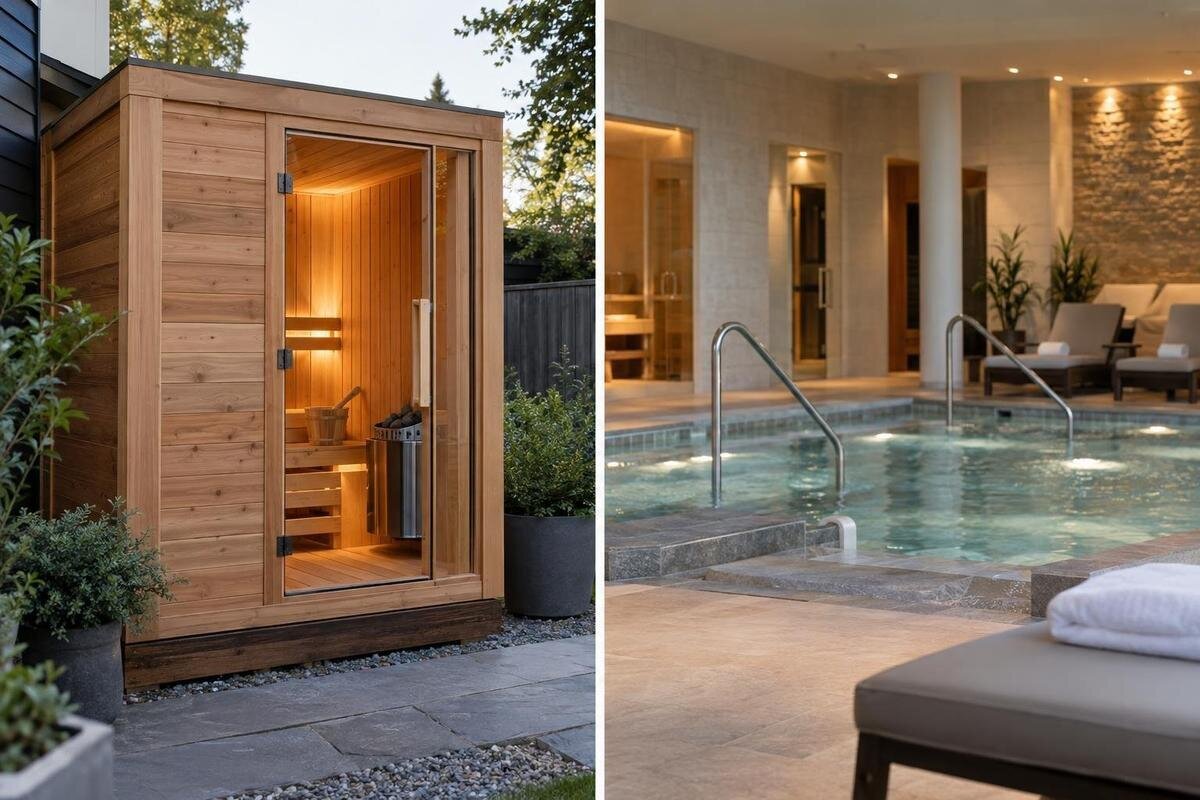
Sauna cost guide
A home sauna and a spa membership have different cost patterns: one brings a major purchase and project costs, while the other may involve recurring fees and visit-by-visit spending. The fair comparison is your household’s likely routine, not a generic price or promised payback date. Count the visits you expect to make, include the return trip, and price the home option with its delivered configuration, setup and ongoing use. Then test lower and higher attendance over the same period. Keeping each assumption visible makes the result useful even when a quote, tariff or routine changes.
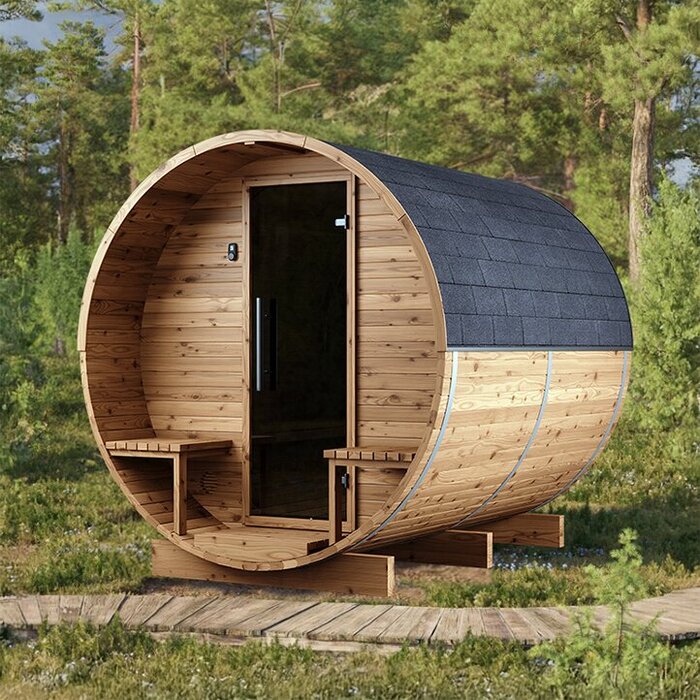
Compare the same sauna routine
Begin by describing what you want to pay for: sauna sessions, a broader spa outing, or both. Set the same number of users and the same expected visits for each option. If a membership includes facilities beyond a sauna, count them as part of its value only if you expect to use them. Conversely, do not assign a cash value to extras that are unlikely to feature in your routine. Write down the people involved and the period you are comparing. An annual view helps make recurring fees easier to compare; the home purchase also needs a stated ownership period.
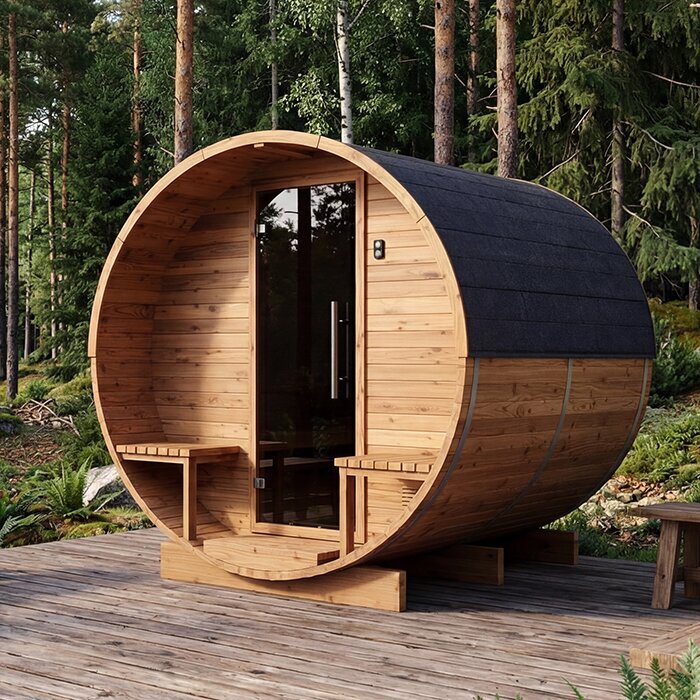
The two options have different cost patterns. Spa access may involve recurring fees and charges linked to visits, while a home sauna brings purchase and setup costs as well as ongoing use and care. Keep those categories separate before combining them into a total. For the home option, choose a named model, such as the Thermowood Barrel Sauna LC-260, as the basis for your initial budget. Record the quoted configuration and inclusions alongside its price. This gives you a specific purchase to compare with the membership, rather than mixing a general sauna price with the cost of a particular spa plan.
Calculate the spa membership’s full annual cost
Read the actual membership terms rather than comparing only the advertised recurring fee. Check whether access is included or whether visits, bookings, guests or particular times carry extra charges. Note any joining fee, minimum term, freeze or cancellation conditions if they apply to the plan. Also establish whether the fee covers one person or several, and whether each household member would need a separate membership. The terms determine what belongs in your budget; do not assume a plan includes unlimited access or particular facilities.
For your chosen period, add the fees you will actually pay, any per-visit or per-person charges, and the cost of add-ons you routinely expect to buy. Keep optional spending separate so you can see the effect of leaving it out. Divide the total by the visits you realistically expect for an average cost per visit, but keep the total visible too: a low average does not reduce a fixed fee already paid. Missed visits increase that average without necessarily changing the amount charged. If you are weighing a membership against a purchase such as the Sauna HCF-300, distinguish the payment schedule from the comparison period. A monthly membership payment and a one-off purchase price are not directly comparable. First calculate what each option would cost over the same period, then consider whether its payment schedule suits your budget.
Estimate how often you will actually go
Start with a schedule you can describe, not an idealised one. As a simple guide, once a week is about 52 visits in a full year, once a fortnight about 26, and once a month 12. Reduce those totals if holidays, work, family commitments or other plans are likely to interrupt the routine. If you are comparing monthly fees, use the dates on which the membership would actually be charged, particularly if the comparison period starts partway through a year.
Build lower-use, likely-use and higher-use estimates from your own plans. This shows whether the result changes sharply when a few visits are missed. Treat a home sauna’s expected use as an estimate too: easier access may affect your routine, but it does not guarantee that you will use it more often. Keep visits, individual entries and home sessions distinct when several people are involved. Two people attending the spa together make one trip but may pay for two entries; record both counts. Use the same distinction when budgeting for a model such as the Thermowood Barrel Sauna LCF-300. Count planned home sessions separately from the number of participants, without assuming how many people the model accommodates. This keeps attendance assumptions separate from the configuration you eventually choose.
Count the return trip separately
Estimate the direct cost of getting to the spa and back using the route and transport you would actually take. Include public transport fares or, where relevant, fuel, tolls and parking. If you drive, focus on costs that change with the trip unless you have a consistent method for allocating broader vehicle costs. For multiple travellers, use the cost of the shared trip rather than multiplying it by the number of people. Use current fares or your own route estimate rather than a generic travel allowance.
Record travel time separately from money spent. A long trip may make regular visits less practical, but do not turn the time saved by staying home into a cash saving unless you have deliberately given that time a value. If you would combine a spa visit with errands or another outing, count only the additional travel attributable to the spa when that is a fairer reflection of your routine. You can compare two travel estimates: one for a dedicated return trip and another for a visit combined with an existing journey. Apply each only to the visits you expect to make that way, rather than using the cheaper route for every visit. Keep these recurring travel costs separate from the home sauna’s one-off delivery cost.
Add the full purchase and setup cost
The home option begins with more than the sauna’s listed price. Build a project total from a current product quote and the items that apply to your site, such as freight, delivery, site preparation, assembly and required specialist work. Ask suppliers and relevant contractors to explain what their quotes include and what remains your responsibility. Site access and the work needed to prepare the location can affect the final budget, so do not assume they are covered by a product listing.
Separate one-off costs from expenses that will recur each year, and record the date and scope of each quote. This makes it easier to revise the comparison if you change a model or receive a different installation estimate. A Sauna S-140 product page can identify a product to include in an itemised quote request; the page name alone does not confirm what is included or whether a particular configuration suits your site. Where work needs specialist assessment, use a qualified professional’s scope and estimate.
Estimate home running costs from verified figures
Electricity is a recurring cost to estimate for the chosen configuration and expected pattern of use. Look for consumption information from the manufacturer or supplier that relates to the equipment being quoted, then apply your own electricity tariff. If the information is unavailable or does not match your intended use, ask the supplier or an appropriately qualified professional for an estimate. Do not infer consumption from a model name, product image or floor area, and avoid treating a generic figure as a reliable prediction for your setup.
Include other ongoing expenses only where they apply to the actual configuration, such as cleaning products or other consumables. Separate expenses that vary with use from those you expect regardless of session numbers. That distinction matters when you test lower attendance: not every annual expense will fall in proportion to use. Keep uncertain items visible as estimates, and do not attribute the whole household electricity supply charge to the sauna if it would be paid regardless. When assessing the HC-150 sauna, record the running-cost assumptions beside the quoted configuration. This helps you update the budget if the equipment or expected routine changes, without confusing a revised estimate with a change in the product’s purchase price.
Allow for maintenance and the ownership period
Home ownership can involve care, repairs or replacement items over time. Check the manufacturer’s guidance for the chosen configuration and include only the tasks and materials it specifies. If you need paid servicing or repair work, ask for an estimate rather than applying an unsupported annual allowance. You can still test an uncertain cost by adding a separate higher-cost case, but label it as an assumption. Also check whether any ongoing property or insurance costs change for your circumstances instead of presuming that they will.
Choose an ownership period that reflects your plans, then show how the initial outlay sits alongside recurring costs over that time. If you are using finance, compare like with like: a cash-flow view can show repayments and fees, while a total-cost view can show the purchase amount and financing costs. Do not count the financed principal twice. For a purchase such as the Sauna HC-225, keep the quoted project total separate from the proposed repayment schedule. This lets you assess both overall cost and affordability without treating a smaller monthly payment as a lower purchase cost. Avoid relying on an assumed resale value; if you include one, identify it as an estimate and also run a case without it. Use the same ownership period in both versions so the effect of resale is clear.
Find a crossover point without promising payback
Compare totals over the same period. For a home sauna, add the purchase and setup costs, running expenses and care during your chosen ownership period, then subtract resale proceeds only if you have a defensible estimate. For the spa, add membership and other fixed fees, visit charges and return travel over that same period. Divide each total by the number of years if you want an annualised view. Keep the household routine consistent: a spa may charge per person while your home estimate is based on sessions. If you are comparing the Thermowood Barrel Sauna N-210, use its quoted purchase and setup costs in the home calculation. Annualising that outlay helps compare the options, but does not mean the purchase can be paid for in equal annual amounts.
To estimate a crossover point, first subtract the spa’s annual fixed fees from the home option’s annualised fixed costs. Then subtract the variable cost of a comparable home session from the spa’s variable cost per visit, including travel. Where both differences are positive, divide the fixed-cost difference by the per-visit difference to estimate the annual number of visits at which the totals would be equal. For a household, each visit must represent the same group of users on both sides. Keep the same ownership period and cost assumptions throughout. If the home variable cost is equal to or higher than the spa’s, extra visits will not offset a higher home fixed cost under those assumptions. If the home fixed cost is already lower, compare the totals directly rather than assuming there must be a minimum-use threshold. This is a budget model, not a guaranteed payback date: changes in use, fees, energy costs or repairs can change the result.
Compare costs for everyone in the household
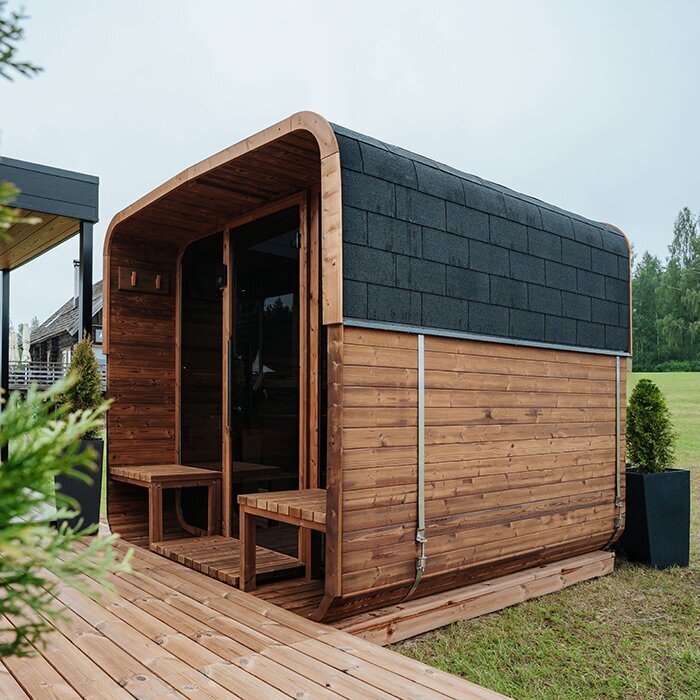
Work out whether the spa charges by member, by entry or under a household arrangement, and count the people who would actually attend. One shared trip may involve several entry charges. At home, distinguish the number of uses from the number of people who might use the sauna during each one; those counts do not necessarily rise together. Check the documented configuration and occupancy information before assuming how many people can use it at once. Do not use a model name or a floor-area figure as a substitute for that information.
Compare the services you would actually pay for and use. If a membership includes other facilities that matter to your household, record them separately rather than treating a home sauna as the same package. If you would keep a membership as well as buy a home sauna, include both costs in that scenario. For example, retaining one person’s membership while other household members use a home sauna is a different budget from cancelling every membership. A candidate such as the Sauna N-250 belongs in that comparison only with the costs of the configuration you intend to buy. Do not count membership fees as savings unless those payments would actually stop.
Test the assumptions before choosing
Put the main inputs in one worksheet: membership terms, expected visits, number of users, travel, home purchase and setup quotes, running costs, maintenance and the period you plan to own the sauna. Record where each number came from and whether it is a current fee, a quote or an estimate. Then change one input at a time. For example, compare lower and higher attendance, or adjust the home running-cost estimate while holding the other figures constant. This makes it clear which assumptions have the biggest effect on the result. Keep a separate column for the difference between the two totals so you can see whether a changed assumption reverses the outcome. If a modest change does reverse it, the comparison does not support a clear cost advantage. You can then give more weight to the practical differences, rather than presenting a narrow estimated saving as a decisive result.
The spreadsheet cannot decide how much flexibility or convenience is worth to you. A membership may suit someone who values the services included in that plan or expects irregular use; home ownership may fit someone who values access at home and is comfortable with the fixed purchase and upkeep costs. A combination can also make sense if the options serve different routines. If casual spa entry is available, compare it as a separate option rather than assuming a membership is the only way to go.
Frequently asked questions
How many visits make a home sauna cheaper than a spa membership?
There is no universal number. It depends on the membership’s fixed fees, any charge for each visit, travel costs, and the home sauna’s purchase, setup and running costs over your chosen ownership period. Calculate the crossover using your own figures and realistic attendance.
Should I include travel in the spa cost?
Yes. Add the direct cost of the return trip, such as fares, fuel, tolls and parking, using the route and transport you expect to take. Keep travel time separate from cash costs unless you deliberately assign your time a value.
What costs are easy to miss when budgeting for a home sauna?
The purchase price is only one part of the project. Check delivery, site preparation, assembly and any specialist work, then estimate electricity and ongoing care. Use itemised quotes and the information for the exact configuration rather than assuming those costs are included.
How can I estimate a home sauna’s electricity cost?
Use consumption information for the specific configuration and your electricity tariff, based on the way you expect to use it. If the information is unclear, ask the supplier or an appropriately qualified professional for an estimate. A model name alone is not an energy-use figure.
Should I count other facilities included with a spa membership?
Include them when you expect to use them and value them as part of the outing. If your comparison is specifically about sauna access, keep other facilities separate rather than treating the entire membership as a sauna fee or assigning unused extras a value.
The numbers are most revealing when they show what you are paying for: frequent sauna access, a broader spa outing, or ownership at home. Higher use can spread the home option’s initial costs across more sessions, but only if the estimate reflects the people and schedule that will actually use it. A membership may remain sensible at lower use or when its other inclusions matter. Compare like with like, keep travel and project costs visible, and let your own assumptions—not a universal payback promise—decide.
