
Moving House with an Outdoor Sauna: Is It Possible?
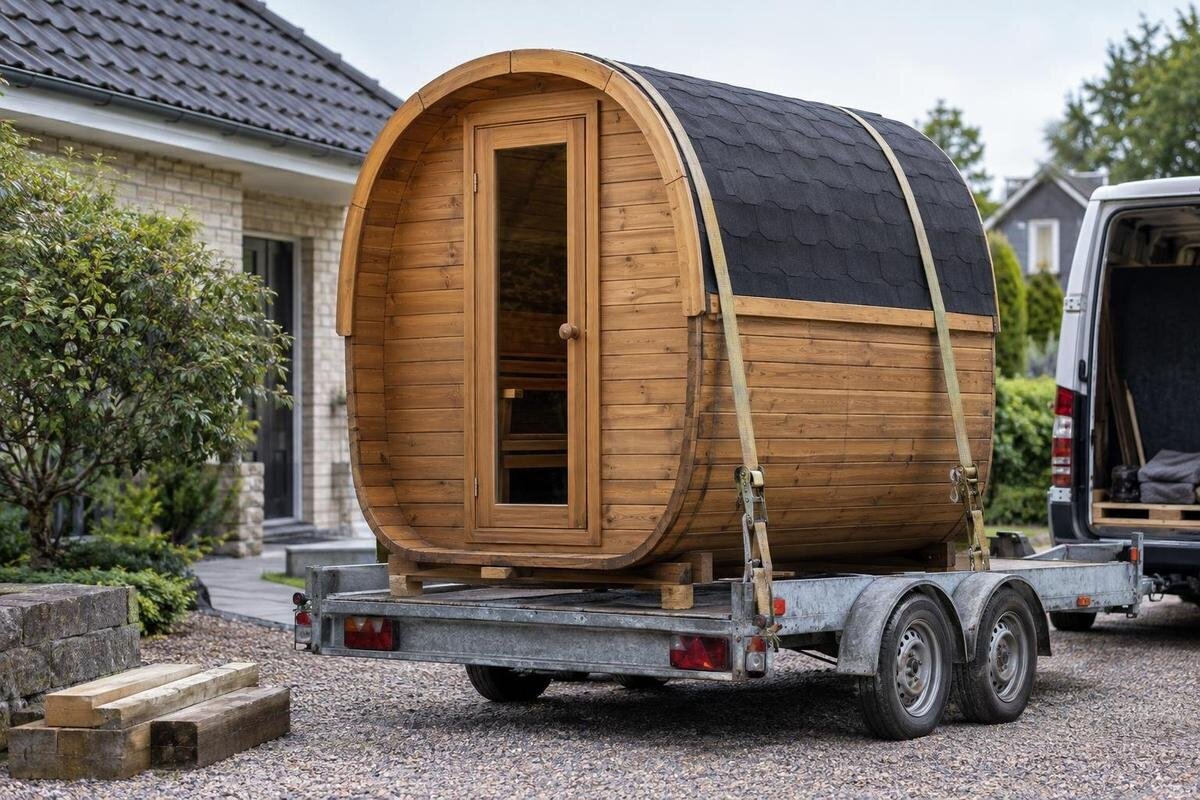
Outdoor sauna relocation
Moving house does not automatically mean you have to leave an outdoor sauna behind, but its shape and apparent size do not show whether it can be transported assembled or safely dismantled. The move has two parts: getting it out without damage, then installing it to the maker’s requirements at the new address. The answer depends on the exact model, its condition, the manufacturer’s relocation instructions and access at both properties. Confirm those points before booking a removalist or assuming that the old base, service connections or warranty arrangements will carry over.
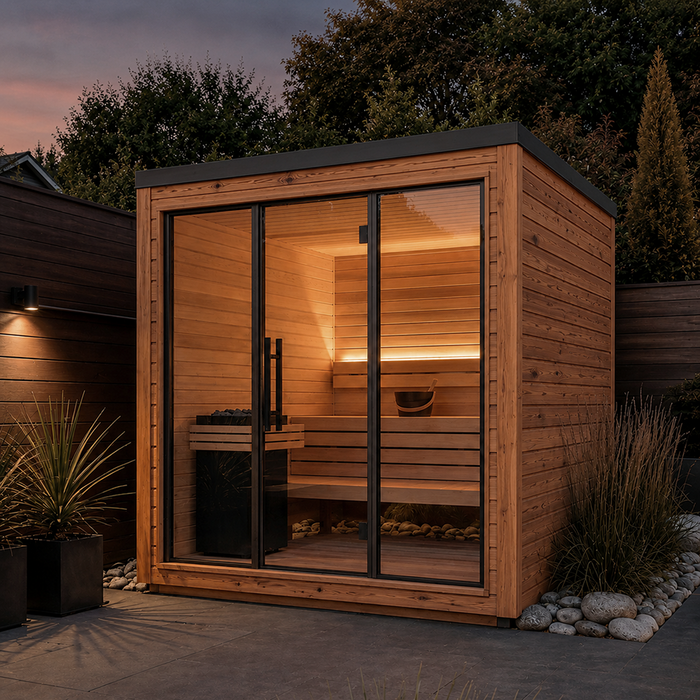
Can an outdoor sauna be moved intact?
Sometimes, but only if the exact model’s instructions permit it. An outdoor sauna may be intended to be dismantled, lifted as an assembled unit, or left in place once installed; its construction style alone does not tell you which. Shifting it a short distance across a property is different from lifting, loading it on a vehicle and installing it at another address. Each operation puts different demands on the structure and requires different access. Even if it arrived as a kit, that does not establish that it can be dismantled and rebuilt repeatedly. Before you seek a removal quote, identify the model and the handling method the maker allows.
A sauna that appears to be one solid object may still have joints, supports, attached fittings and openings that can be affected by uneven handling. An unapproved lift or forced dismantling can cause damage, and an installation that has shifted out of alignment may be difficult to reassemble as intended. Do not infer portability from a barrel shape, product photograph or general description such as portable. Nor does the fact that a supplier once assembled it prove that it can be moved whole. Use the exact manufacturer’s guidance, a condition assessment and a transporter’s written handling plan to decide how to proceed.
The exact model determines what the maker permits
Find the model plate, purchase paperwork, assembly manual, installation drawing and records of any previous repairs. Note the model and variant, approximate installation date, and any separately fitted heater or accessories. Contact the manufacturer or supplier with these details and ask in writing whether the sauna may be relocated, whether it must be dismantled or moved assembled, and what preparation is required. Ask who may carry out the work, whether any parts or seals need replacing, and whether the original installation method applies at the new address. A verbal assurance that it should be fine is not enough to brief a removalist or installer.
Use documentation for the exact model rather than a guide for a similar-looking sauna. For example, the Sauna N-250 listing identifies a Thermowood Barrel Sauna with an area of 5.27 m². Use those details to help identify the product when requesting instructions, not as evidence that it can be lifted intact or dismantled. Match the model reference on your paperwork to the sauna you own, including any variant or separately fitted equipment. If the label or paperwork is missing, send the maker clear photos and any other identifying details it requests. Keep its reply and drawings together, and give everyone quoting for the move the same information. Note any unanswered questions separately so a quote does not quietly become based on an assumption about the model or its permitted handling method.
Moving the sauna assembled or dismantling it
If the manufacturer permits a lift with the sauna assembled, ask for its documented handling method, including any instructions about orientation, support and components that must be removed first. Give that information to the removalist and ask them to confirm they can follow it with their equipment and crew. Do not decide where to lift from based on appearance or a general lifting suggestion. A method that suits one design may not suit another, and an experienced removalist still needs accurate information about the item they are moving.
If the maker’s instructions call for dismantling, follow the stated sequence rather than improvising. Photograph each stage, label parts and hardware, and keep related components together so the installer can match them to the manual. Agree on a labelling system before work starts: the same names should appear on the photographs, packages and component list. Record which fittings came from each position rather than leaving the installer to identify a box of loose hardware. Avoid forcing joints apart or using a generic online video as a substitute for model-specific guidance. When comparing models, the Sauna LC-260 product page provides a catalogue reference for another Thermowood Barrel Sauna, not a dismantling guide for your unit. A shared category name does not establish matching joints, components or moving methods. Keep the correct instructions with the labelled parts throughout the move.
Check the sauna’s condition before transport
Inspect the structure and fittings before it leaves its current site. Look for visible splitting, movement at joints, loose or missing fasteners, deteriorated timber, signs of water damage, corrosion on metal parts, and damage around doors, windows or roof coverings where present. Note past repairs or modifications because they may change how closely the manufacturer’s instructions match the sauna as it now stands. Take dated photos from all sides, with close-ups of any concerns, and record issues that existed before the move. A removalist can assess access and handling, but that does not automatically make them the right person to judge the sauna’s condition.
If you are unsure whether damage affects dismantling, lifting or reassembly, ask the manufacturer or a suitably qualified sauna professional to assess it before booking. Do not conceal a concern with a quick repair or assume that a damaged part can be replaced after transport; check what the maker recommends. Record whether each issue needs attention before removal, during reassembly or before the sauna is used again. This gives the people quoting a clear account of the work being considered. If relocation appears impractical, compare that work with other options. The HCF-300 catalogue entry identifies a Thermowood Barrel Sauna with an area of 6.89 m² and can be an initial reference when considering replacement. Keep the replacement enquiry separate from the condition assessment: catalogue details cannot establish whether your existing sauna is fit to move or whether another model will suit the destination.
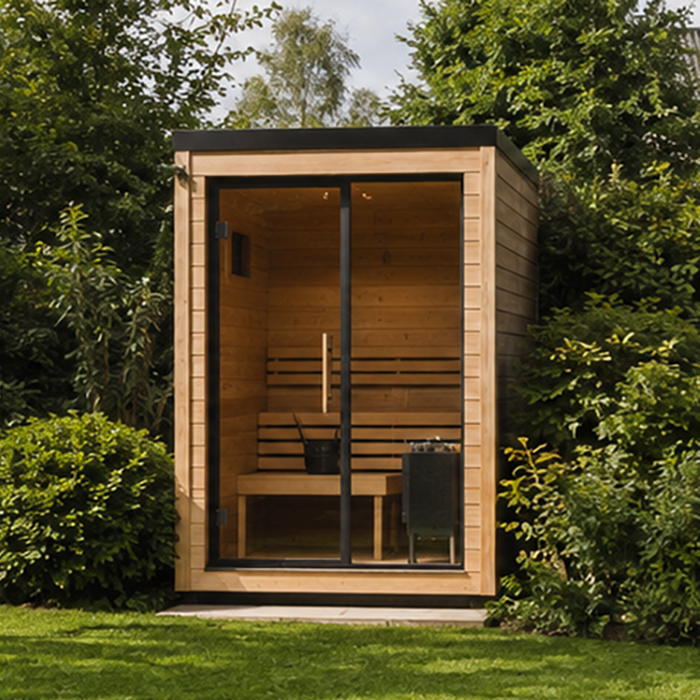
Measure the route and agree on handling
Check the whole route at both properties, not just the space where the sauna currently sits. Use the manufacturer’s drawings and, where needed, careful measurements of the actual unit to confirm what must pass through gates, paths, turns and access points. Include protruding fittings and any parts that remain attached during transport. Consider overhead obstructions, changes in level, stairs and the space needed for people and handling equipment. Ask the removalist to inspect the sites if access is uncertain; a route that looks clear on a plan may be difficult to use in practice.
Agree in writing whether the quoted job covers an assembled lift or dismantling, packing, loading, transport, unloading and any storage or reassembly. Make sure the removalist understands which parts are fragile or must remain protected. If several contractors are involved, name who takes responsibility at each handover rather than assuming one company manages the whole move. For access planning, distinguish floor area from the measurements needed for transport. The Sauna LCF-300 listing reports an area of 6.89 m²; this is not its external transport dimensions, packed size or weight. Give the removalist the relevant drawings and actual measurements, clearly identifying whether they describe the assembled sauna or its packed components. Ask the quote to state the access arrangements it assumes, so you can resolve any mismatch before moving day.
Plan service disconnection and component packing
List any services connected to the sauna and arrange their disconnection before moving day. If it has an electrical heater, controls or lighting, coordinate isolation and reconnection with a suitably qualified electrician; do not treat this as part of a general removalist’s duties unless that scope and qualification are confirmed. If other services are connected, arrange the relevant trade professional. Give each person the manufacturer’s instructions so the work suits the actual installation, rather than relying on assumptions about a product category.
Ask the maker which fittings, benches or accessories should be removed and how they should be protected. Do not remove fixed parts or loosen structural connections unless the instructions allow it. Make a component list showing what stays attached, what travels separately and who will pack each item. Label packages to match that list, keep manuals and hardware with the sauna, and follow the manufacturer’s advice on transport and storage protection. When identifying equipment, use the records for your installation rather than assuming a catalogue model includes a particular heater or controls. The S-140 product listing identifies a Thermowood Barrel Sauna with an area of 1.93 m², but does not establish the heater, control or wiring inclusions for a particular configuration. Give the relevant trade professional the details of the equipment actually fitted, and keep separately packed components identifiable for reconnection.
Assess the new site for reinstallation
Compare the proposed location with the sauna’s installation drawings and the manufacturer’s stated requirements. Check the base or support, available space, access for delivery and assembly, and any clearances or service arrangements specified for that model. A location that fits the sauna’s outline may still be difficult to use if there is not enough room to bring in parts, assemble them or reach equipment later. Where the suitability of the ground, base or supporting structure is unclear, ask the manufacturer and a suitably qualified local professional to assess the site before the sauna arrives.
Do not assume that a base at the old property can be moved or that another base will suit the new installation. Compare the proposed support with the model-specific drawings and confirm any changes with the maker or relevant trade professional. For a model such as the one on the Sauna HC-150 page, the listed floor area of 2.97 m² is only one reference point; the manufacturer’s drawing is needed to assess the base, access and clearances. Separate destination preparation from the removal booking so everyone knows what must be ready before delivery. Agree where the sauna or its components will be unloaded and where reassembly will take place. If the site will not be ready on arrival, include storage and the later transfer to the installation position in the agreed scope rather than leaving them unresolved.
Reassembly and service reconnection
Reassembly is not simply the reverse of dismantling unless the manufacturer says so. Use the exact manual, check that all labelled components and hardware have arrived, and follow the specified sequence. Ask the maker whether any parts need replacement after dismantling or transport, rather than substituting hardware or improvising repairs. If a component is missing, damaged or difficult to fit, pause and get advice before forcing it into place. Record any damage during unloading and keep photos and correspondence with your installation paperwork.
Arrange the appropriate professional to reconnect services and complete any checks required by the manufacturer. Distinguish completion of the physical reassembly from completion of the service work, particularly if different contractors handle those stages. Ask each person to record what they have completed and identify anything still outstanding. Do not use the sauna until it has been reassembled and relevant service work has been completed according to the instructions. When gathering the installation information, the HC-225 product page can help identify the catalogue model and its stated floor area of 4.4 m², but it is not an electrical plan or commissioning instruction. Keep the applicable instructions, installation records and trade details together. Include any replacement parts or repairs recorded during reassembly so later maintenance or warranty enquiries can refer to what was actually done.
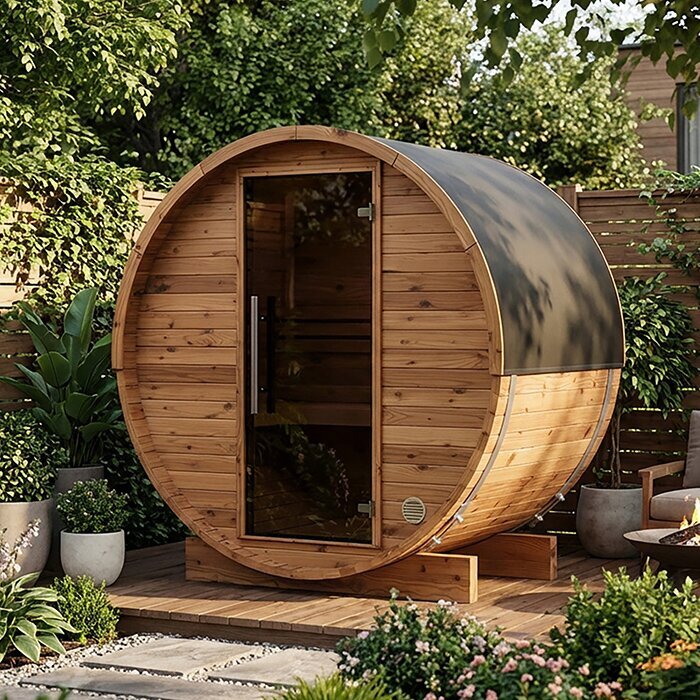
Warranty, insurance and moving costs
Ask the manufacturer how relocation affects the warranty before dismantling or lifting begins. Check whether the terms distinguish between moving the sauna assembled and taking it apart, and whether they specify who must carry out the work. Do not assume the warranty will automatically remain unchanged or be cancelled. Request written guidance and keep it with the original purchase and service records. Tell your insurer about the planned move and ask what cover applies to dismantling, transport, unloading, storage and reinstallation; confirm any exclusions for existing damage or work done by other contractors.
Compare written quotes that describe the same scope, including access, labour, packing, transport, handling equipment, storage and reassembly where required. Put the stages side by side and identify anything excluded, quoted separately or still awaiting assessment. If different companies handle different stages, clarify when responsibility passes from one to the next. Weigh the total proposed work against the sauna’s condition and its value to you, without relying on an assumed moving price or guessed repair costs. If replacement is also under consideration, keep that comparison separate from the transport quote. The Sauna N-210 listing identifies a Thermowood Barrel Sauna with an area of 4.43 m², not a like-for-like substitute or an indication of moving costs. Compare the work needed to have a usable sauna at the new address, rather than comparing a removal quote with a product listing alone.
Decide whether to relocate or replace
Relocation is worth exploring when the manufacturer confirms an acceptable method, the sauna’s condition has been assessed, and a removalist can carry out the documented handling plan. You also need a suitable destination site and a clear arrangement for any service work. Share the same model details and instructions with everyone involved, so the removalist, installer and trades are not working from different assumptions. A confirmed plan makes it easier to compare the full scope of moving with alternatives before your moving date is locked in.
Pause if the model cannot be identified, the manufacturer’s guidance is missing, the structure has unresolved damage, or the transport and reinstallation plans rely on guesswork. Those gaps do not by themselves prove that the sauna cannot be moved, but they need answers before it is loaded or dismantled. Ask the maker or an appropriate professional to clarify the issue, then compare the resulting cost and effort with replacing or leaving the sauna behind. The useful decision is the one based on documented handling, site and service requirements, not on whether the unit looks as though it ought to be portable.
Frequently asked questions
Can an outdoor sauna be moved without dismantling it?
Only if the manufacturer permits an assembled move for that exact model and provides suitable handling guidance. A sauna’s shape or size is not enough to establish that it can be lifted whole. Ask the maker and removalist to confirm the method before booking.
Will moving my sauna affect its warranty?
It depends on the warranty terms and the work involved. Do not assume the warranty will remain unchanged or automatically be cancelled. Ask the manufacturer in writing about moving, dismantling, transport and reinstallation, and keep its response with your purchase records.
Can I use the same base at the new house?
Not without checking the new site against the sauna’s installation drawings and base requirements. The old base may not be part of the move, and the new location may differ. Ask the manufacturer and a suitably qualified professional to assess the proposed installation.
Can a regular removalist transport an outdoor sauna?
Some removalists may be able to do the work, but confirm that they accept the sauna’s specific lifting or dismantling method, access conditions and transport requirements. Get the handling scope and insurance arrangements in writing before the move.
Can I disconnect and reconnect the sauna heater myself?
If the sauna has an electrical heater, controls or other connected services, arrange the work with a suitably qualified trade professional. Follow the manufacturer’s instructions for the full installation, and do not rely on general moving advice for service connections.
A successful move depends on more than whether the sauna can fit on a truck. The manufacturer must permit the proposed handling method, the sauna needs to be in suitable condition, and the new site and service work must match its installation requirements. If any of those points are unresolved, pause before booking and get model-specific advice. When the handling plan, site and responsibilities are clear, you can compare relocating the sauna with replacing it on the basis of the actual work involved.
