
How Long Does an Outdoor Sauna Last? Durability Factors to Consider
Outdoor sauna durability
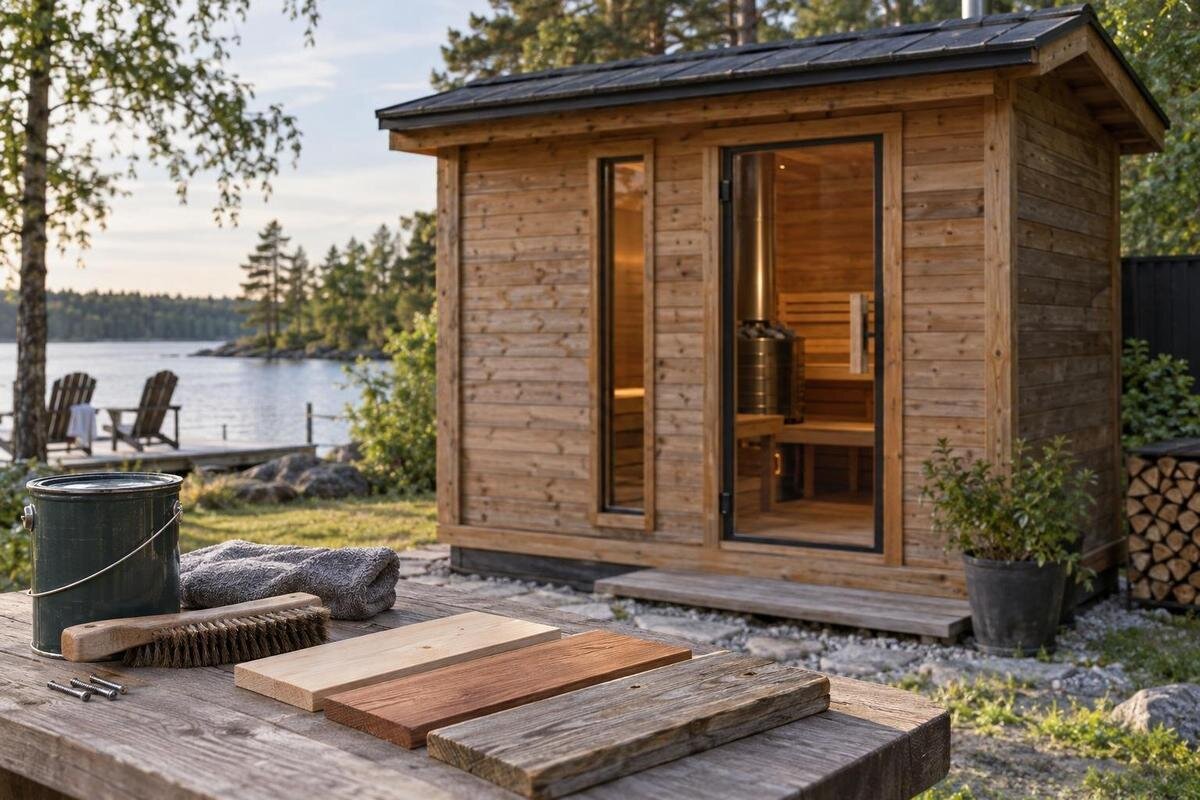
There is no reliable one-size-fits-all number for how long an outdoor sauna lasts. A well-made cabin can still age quickly if water reaches vulnerable joints or finishes are neglected; a weathered surface, meanwhile, does not necessarily mean the structure has failed. For a realistic comparison, separate structural durability from upkeep, installation conditions and warranty coverage. The details that matter are the timber and its treatment, how the cabin sheds water, how it is supported and ventilated, and whether routine care suits the site and the way it will be used.
Why there is no single lifespan figure
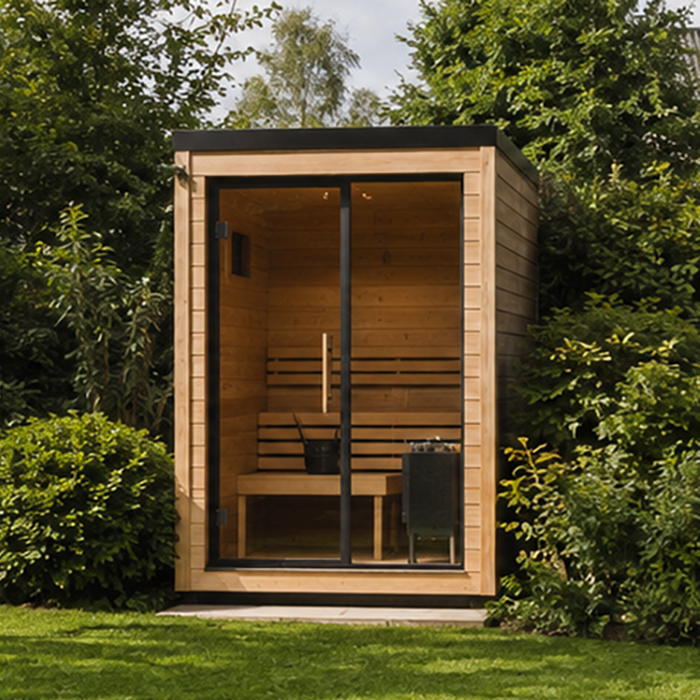
Asking how long an outdoor sauna will last invites a single figure, but it cannot account for differences in timber, joints, weather exposure, site drainage, assembly or care. Two cabins used for a similar purpose may age differently if one is exposed to persistent rain and direct sun while the other dries readily. Even on one unit, components do not necessarily wear at the same rate: an exterior finish may need attention before the main structure, and a door seal, fitting or heater component may need service while the timber remains sound. Useful life is therefore a maintenance and repair question as well as a material question.
For buying comparisons, ask what the maker regards as a serviceable condition, which parts can be renewed, and what signs call for repair rather than simple cleaning. Separate cosmetic change, such as colour variation or surface checking, from movement, soft or persistently damp timber, loose connections, water entry or doors that no longer fit correctly. Those observations do not diagnose a failure by themselves, but they indicate what to report and assess. A written care guide and parts information make it easier to maintain the sauna without guessing. A dated photo record made after installation can provide a useful baseline for later comparison. If a seller gives an expected lifespan, ask what exposure, installation and maintenance assumptions sit behind that estimate.
Timber quality and treatment
Timber species, grade, drying and any treatment all affect how a cabin responds to repeated heating, cooling and outdoor weather. Ask which timber is used for the walls, floor, roof and exposed trim; the materials may not be identical throughout. Check whether timber is supplied ready for the intended outdoor use and what further protection, if any, is required. A trade name or treatment label alone does not explain grade, thickness, joinery, or how all components perform in the finished building. The maker's specification and maintenance instructions are more useful than assuming that one timber name promises a particular number of years.
Thermal modification, preservative treatment and coatings describe different processes or products, while natural durability is a property of the timber itself. None removes the need to understand the design and exposure. For example, the Sauna HCF-300 listing identifies a Thermowood Barrel Sauna and lists 6.89 m². These catalogue details do not establish timber grade, finish details or service life—a distinction that applies to all the model listings in this guide. Look for information covering the timber used in each part, factory-applied finishes, cuts or end grain that may need attention, and products approved for future maintenance. Record the exact finish product and any stated reapplication conditions rather than relying on generic timber-care advice.
Joints, assembly and replaceable fittings
Durability depends on the way separate pieces meet, not only on what they are made from. Inspect drawings or close-up photographs for how wall sections join, how corners and openings are finished, and how the roof edge directs water away from timber. Gaps that admit wind-driven rain, joints that trap moisture, or poorly protected cut ends can create local wear even when most surfaces remain in good condition. Pay particular attention at door and window openings, where a joint, seal and moving part meet. Ask whether the structure relies on a particular assembly sequence and what needs checking after it is assembled; do not assume a neat exterior image reveals the unseen joints.
Fasteners, hinges, handles, glazing seals and other fittings can need attention before the main cabin. Their materials and replaceability matter, especially where dampness or salt in the air may affect exposed metal. When comparing a model such as the Sauna LCF-300, ask which fittings are supplied, which are treated as consumables, whether replacements are available, and how they should be maintained. The assembly guide should also help distinguish routine adjustments from structural issues needing professional attention. Check the drawings and inclusions for the configuration under consideration so that you know which connections and fittings will need inspection.
Sun, rain and wind exposure
Outdoor exposure is not a single condition. Direct ultraviolet light can fade or weather finishes; repeated wetting and slow drying can keep vulnerable timber damp; wind can carry rain into places that ordinary rainfall misses. A sheltered spot may reduce some exposure, yet dense shade or poor airflow can slow drying. Nearby trees can add leaf litter and debris. Coastal air can increase the need to check exposed fittings and finishes. These effects depend on the actual site rather than a broad climate description, so consider where rain reaches, which sides receive strong sun, and how well air moves around the cabin. A neighbouring wall can shield one side while leaving another fully exposed, so consider each face separately.
Before choosing a position, look at the site's seasonal pattern, not only its appearance on a dry day. Ask whether water runs towards the base, whether branches or gutters can shed debris onto the cabin, and whether the selected spot gives access for cleaning and inspection. When considering the Sauna S-140, for example, use its current drawing and installation guidance to assess the proposed position rather than relying on its listed area of 1.93 m². Dimensions and clearance requirements help you judge how the cabin will sit among surrounding fences, planting and buildings. Do not infer weather protection from the word outdoor or from a product photograph.
Moisture, ventilation and drying
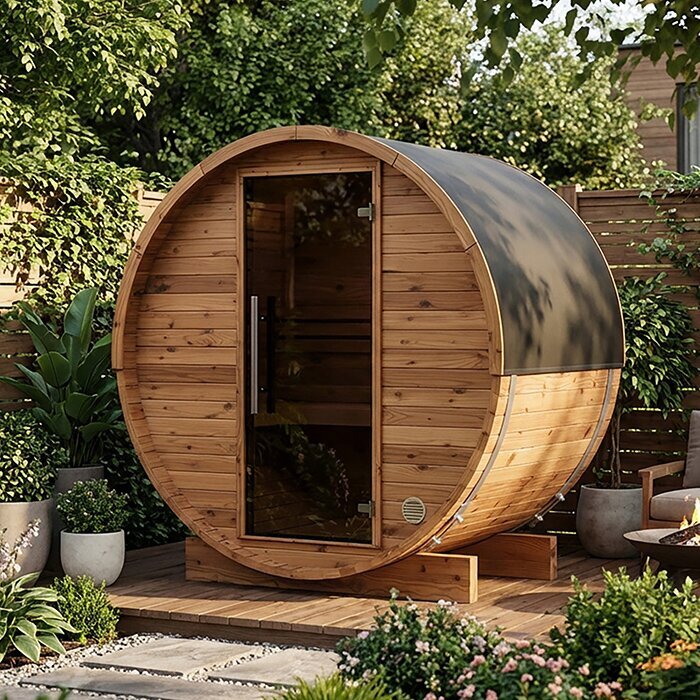
Water management is central because timber performs differently when it can dry between wet periods than when moisture is repeatedly held against it. Consider rain splash, water collecting under the cabin, damp material stored nearby, and water introduced during normal use. The base and surrounding ground should not create a lasting wet zone around the structure. Inside, follow the manufacturer's directions for airflow and post-use drying: ventilation openings, door positions and operating routines can be design-specific. More ventilation is not automatically better if it conflicts with the instructions or intended performance, so do not alter vents or seals on guesswork.
Check which parts need to remain unobstructed and how the cabin should be aired after use; also ask whether any separate accessories change water management. For a model such as the Sauna HC-150, review the instructions for cleaning the floor, dealing with moisture and keeping ventilation openings clear. If the instructions call for a specific drying routine, make sure it remains practical after installation: access that looks adequate on a plan may be awkward beside a fence or planting. If water repeatedly pools, enters a joint or remains trapped, find the source rather than masking it with a coating. For persistent moisture or structural movement, ask the supplier or a qualified building professional to assess it.
Exterior finishes and weather protection
An exterior finish may help limit surface weathering and make routine cleaning easier, but it does not make every part of a sauna waterproof. Find out which exterior surfaces are coated, whether the finish is applied at the factory, and what preparation and reapplication the maker specifies. A coating can only be useful if it suits the timber, location and product instructions; a household paint or sealant chosen without approval may cause problems or complicate future repair. Ask how cut ends, underside surfaces and exposed edges are addressed. Check the roof covering, overlaps and edges separately, as a description of the timber finish does not explain how these details manage rain.
Maintenance planning should be based on the maker's instructions and the actual signs of wear, not an invented annual schedule. Surfaces exposed to strong sun, rain and debris may need different attention from those in a sheltered position. When reviewing the Sauna HC-225, note the permitted products, the surfaces to treat, and any curing or access requirements. Do not assume every sauna in the same category has the same finish specification. Avoid applying a finish to hot internal surfaces unless the manufacturer explicitly permits it. Keep a record of the finish type, application date and surface condition so future work does not rely on memory.
Ground support and installation
The cabin's support and the way rain leaves the site can affect long-term condition. A base that is uneven, settles or retains water can place strain on joints and make doors or openings harder to keep aligned. Keep the support arrangement consistent with the manufacturer's instructions and the ground conditions; do not rely on a product photo to decide how a real site should be prepared. Before installation, check what surface, support points, drainage and access the manual requires, and whether the proposed location can provide them. If the ground, slope or wind exposure raises questions, seek advice from a suitably qualified installer or building professional rather than improvising a foundation.
Allow for inspection and repair access as well as the sauna's stated dimensions. If an edge sits close to a fence, planting or another structure, it can be harder to see trapped debris, clean surfaces or renew a finish. The Sauna N-210 product listing gives an area of 4.43 m², but site planning also requires a dimensioned drawing showing the cabin and its supports. Check the assembly requirements and clearances for the exact configuration, then confirm they fit the prepared site. Good installation records—including the assembly date, installer details and any initial adjustments—can help explain later changes in alignment and make maintenance or warranty questions clearer.
Cleaning, inspection and routine care
Care is most effective when it is routine, modest and appropriate to the material. Use the cleaning methods, products and drying guidance in the manual; avoid harsh abrasives, pressure washing or unapproved coatings unless the manufacturer permits them. Build a simple inspection habit around visible areas: look for damage to finishes, debris at edges, persistent dampness, loose or corroded fittings, shifting joints and changes in how doors close. Record what you notice and when it appeared. A change that is small and accessible may be straightforward to address, while recurring moisture or movement warrants investigation before it affects adjacent parts. Look again after storms or events that have driven rain or debris against the cabin, without relying only on a calendar interval.
How often the sauna is used affects the amount of cleaning, drying and component attention it needs, but no generic interval suits every design and site. Follow the maker's maintenance schedule and use your observations to identify changes between scheduled checks. Before choosing the Sauna N-250, review its care guidance and distinguish tasks you can undertake yourself from those requiring specialist service. This helps you judge the ongoing work involved, not just the purchase itself. Keep electrical and heating equipment within the manufacturer's service requirements, and use a qualified professional for work on those systems.
Warranty terms and useful life
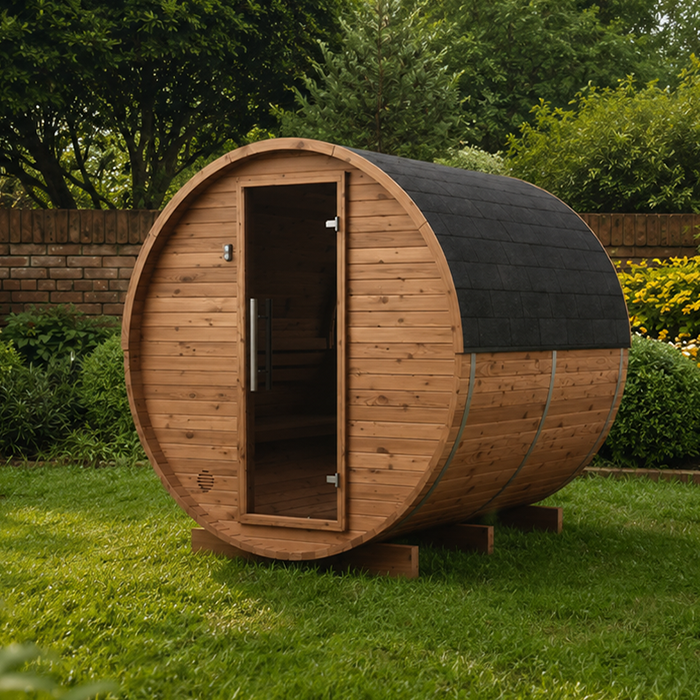
Warranty and service life answer different questions. A warranty sets out stated coverage for defined defects or components over a defined period and subject to its terms. It is not a forecast that the whole sauna will remain unchanged or trouble-free during that period, nor does it predict its condition after coverage ends. A longer warranty alone does not prove that a product will outlast a shorter-warranty alternative. Compare the period for each component, the start date, the process for raising a claim, required proof of purchase, maintenance responsibilities and exclusions. Do not assume a single warranty applies equally to timber, finishes, fittings, glazing and the heater.
Read the full warranty alongside the care and assembly instructions, not just a headline duration. For the Sauna LC-260, as for any model you shortlist, request the current local terms for the exact configuration. Look for conditions related to installation, exposure, modification, cleaning and normal wear. Ask who assesses a concern, who supplies replacement parts, and whether a particular service or repair process is required before work begins. Retain the terms with your purchase documents and service records, and seek written clarification of unclear wording before purchase. This gives you a clearer picture of the coverage without treating it as a durability rating.
Comparing upkeep before buying
To compare likely ownership effort, make a short record for each candidate: material and treatment by component; assembly and support requirements; water-shedding and airflow instructions; finish and cleaning tasks; repairable parts; and warranty terms. Mark any item as unknown rather than filling gaps with a guess. Then consider the actual site and household routine: a sunny, exposed position or frequent use can create different maintenance demands from a protected spot with occasional use. Ask the supplier which conditions the maker assumes and whether the design is intended for the way you plan to use it. If the evidence is thin, that uncertainty is itself relevant to the decision.
Consider who will carry out the work over time. Clear manuals are useful only if someone can access the surfaces, recognise changes and arrange repairs when needed. Decide who will inspect the exterior, manage cleaning and drying, keep care records and organise specialist attention. Access to replaceable fittings and authorised service also matters when a component needs repair rather than routine upkeep. Before relying on a model linked in this guide, confirm current local availability and the configuration offered. The aim is not to predict a fixed lifespan, but to choose a sauna whose care requirements fit the time, access and support available to you.
Frequently asked questions
How long does an outdoor sauna last?
There is no dependable lifespan figure that applies to every outdoor sauna. Timber, assembly, water management, exposure, frequency of use and maintenance all affect the condition of individual parts. If a manufacturer provides an estimate, ask what site, installation and care assumptions it relies on; treat it as guidance, not a guarantee.
Does the Thermowood name guarantee a longer lifespan?
No. A product name alone does not establish the lifespan of the whole sauna. Check which materials are used in each component, how the parts join, what finishes are supplied and what care is required. A timber choice or treatment is one factor to compare, not a substitute for assessing construction and exposure.
Is the warranty period the sauna's expected lifespan?
No. A warranty describes the stated coverage and its terms for a defined period. It does not predict how long the whole sauna will remain in service or what condition it will be in after the warranty ends.
How often should I maintain an outdoor sauna?
Follow the care instructions for the exact model rather than relying on a generic schedule. Cleaning and inspection needs can vary with use and exposure. Check visible surfaces and fittings, note changes, and follow the maker's directions for finishes, drying and specialist servicing.
Can an outdoor sauna stay outside all year?
Check the manufacturer's documents for the selected model and the conditions at your site. Confirm any requirements for placement, weather protection, finish upkeep and seasonal care. The word outdoor or a product photograph alone does not confirm that a particular design suits every site or weather condition.
An outdoor sauna's lifespan cannot be read from the model name, timber label or warranty duration alone. A useful comparison considers materials and joints, a site that allows water to drain and surfaces to dry, correct assembly, manageable maintenance, and clear repair and warranty terms. Different parts may need attention at different times, so a worn fitting or weathered finish is not the same as a failed cabin. Choose with those differences in mind, and investigate persistent moisture or movement rather than relying on an unsupported lifespan figure.
